Screenwriting starts here.
The Industry Standard Screenwriting Software
Final Draft is the only screenwriting tool you need.
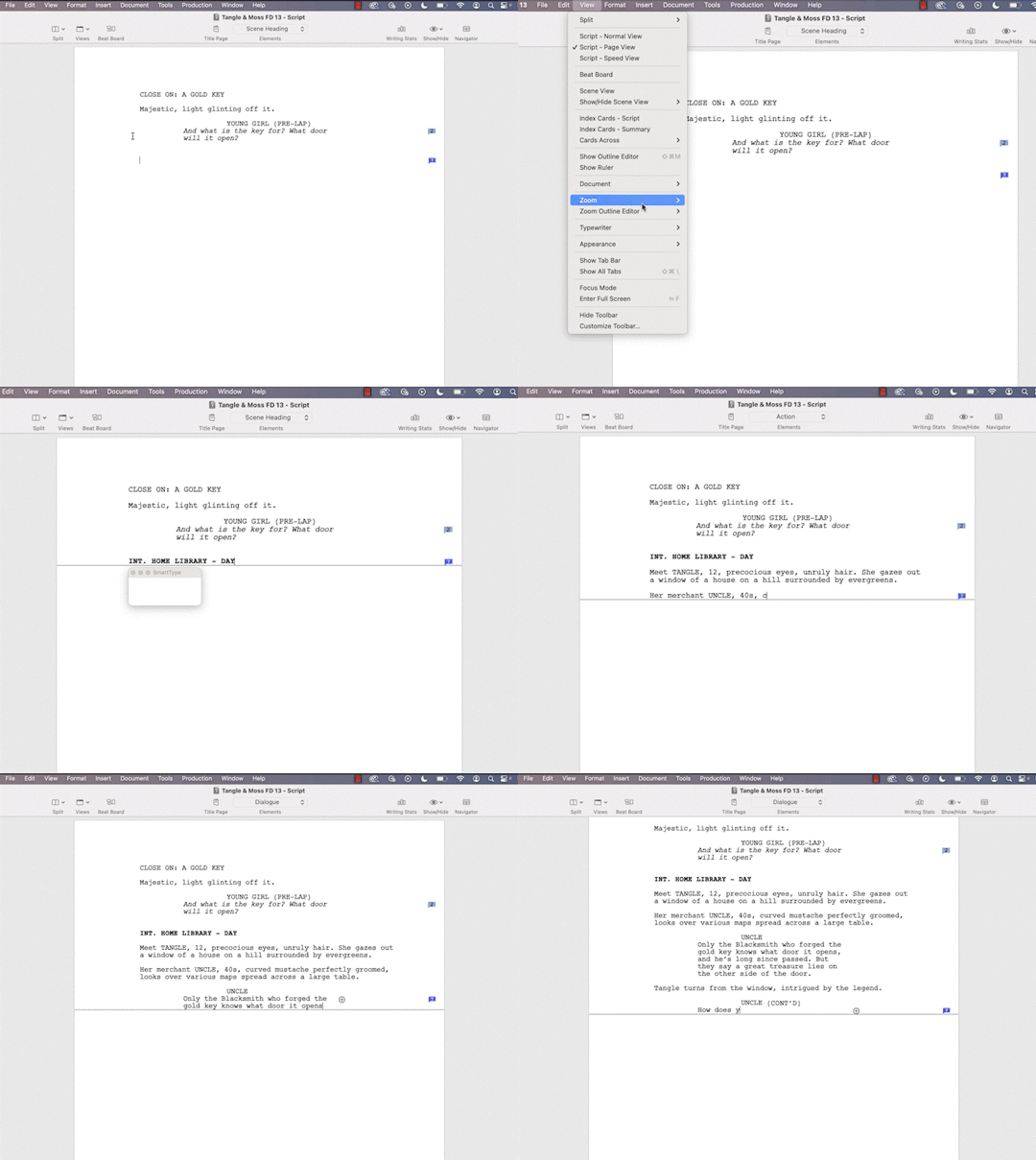
The number one-selling screenwriting software for over 30 years, Final Draft automatically formats your screenplay to entertainment industry standards so you can focus on what you do best - writing.
Turn your idea into a production-ready script for film & TV, theater, documentary and other forms of media. Final Draft has all the features you need to plan your story, collaborate with other writers, run production reports, and share your script with the world.
Used in
0%
of Hollywood productions
Available in
0
languages
Chosen by over
3 million +
writers
Used in
100
countries
Find the Final Draft product
that's right for you.
Final Draft Suite
Two powerful tools. One subscription.
Final Draft Cloud
Elegant, minimal online writing interface (perfect for beginners)
Secure cloud storage for all your script and project files
Enterprise-secure collaboration and sharing
Final Draft 13
The industry-standard screenwriting software for desktop
Low monthly or annual subscription
Final Draft 13
Best for personal, desktop application use.
The industry-standard screenwriting software
Used by 95% of film and TV professionals
Access production features and advanced screenwriting tools
Advanced outlining and story development tools
One-time purchase
Does not include Final Draft Cloud
Final Draft 13 for Students
Best for educational, desktop application use.
The industry-standard screenwriting software
Specially discounted price for students
Advanced outlining and story development tools
Requires student verification to purchase
Does not include Final Draft Cloud
Final Draft 13 Educators & Non-profits
Best for teachers, educators, and non-profits.
Teach using the industry's bestselling screenwriting software
Discounted price for educators
Technical support and educational resources available
Requires educational verification to purchase
Does not include Final Draft Cloud
Final Draft 13 for Studios & Production
Best for studios & production companies.
Multi-user licensing at a discounted rate
Perfect for writers room and production teams
Used by 95% of film and television industry
Technical support and upgrades included in cost
Does not include Final Draft Cloud
Who uses Final Draft?
Final Draft is the preferred screenwriting software of beginners, professionals and award-winners. Here are just a few of our testimonials.
"It's a beautiful thing when you find a program or an app that does exactly what you want it to do, that feels intuitive in that way, and I've felt for years that Final Draft achieves that." - Shawn Levy (Deadpool & Wolverine, Free Guy, Night at the Museum)
"Final Draft makes it so much easier – and it's motivating when what you're working on looks like a script." - Sofia Coppola (Priscilla, Lost In Translation)
"I would not be alive today without Final Draft." - Jesse Eisenberg (A Real Pain, When You Finish Saving The World)
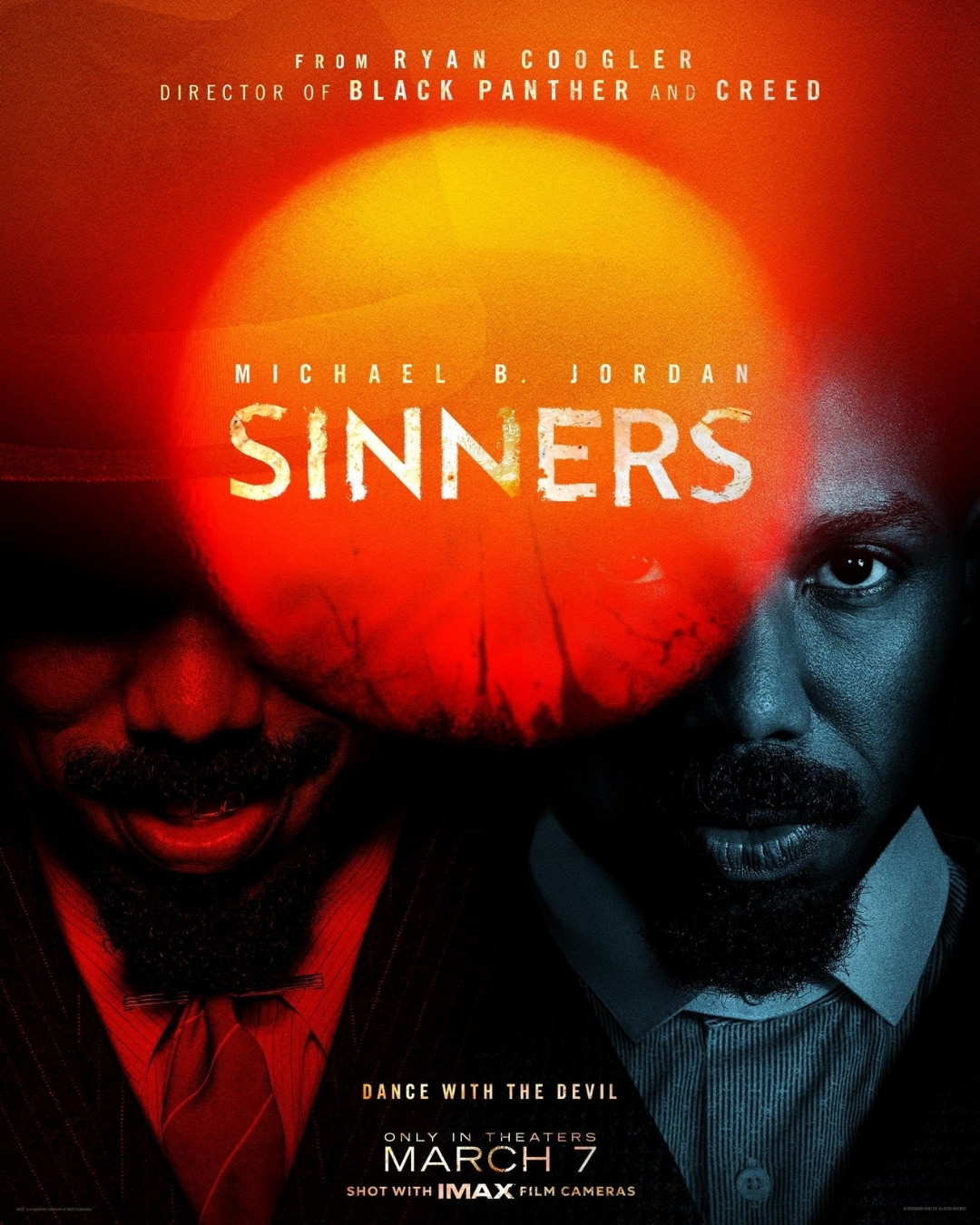

"[My wife] bought me a screenwriting software, Final Draft... I found something that I really loved."
Ryan Coogler (Sinners, Black Panther, Creed)
The latest from Final Draft
What’s new
Interviews, industry news, podcasts, tips, tricks, and information you need to inspire your writing!
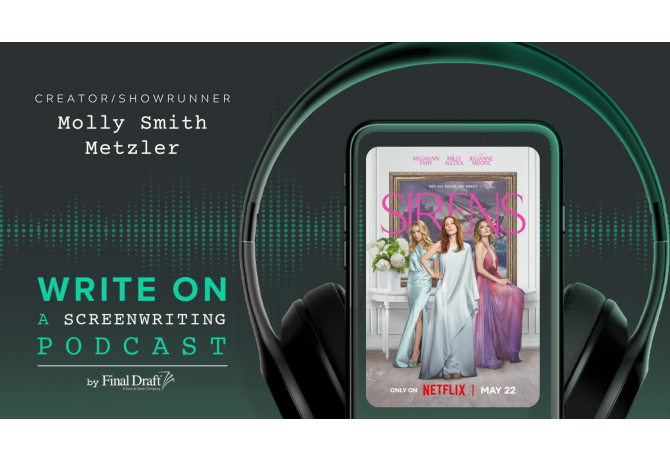

Write On: Writer/Director Benny Safdie - 'The Smashing Machine'
On today’s episode, we chat with Writer/Director/Actor/Editor, Benny Safdie, about his latest movie The Smashing Machine

‘Euphoria’ and How to Write a TV Ensemble That Shines
Some of the most enduring TV shows ever made aren't built around a single hero. They're built around a world of characters, an ensemble whose lives, secrets, and conflicts create something unique that a single protagonist can rarely do alone. Ensemble storytelling is one of the most powerful structures in television, and for screenwriters, it's one of the most rewarding to master. Here's what it is, why it works, and how to write it well.
What Is an Ensemble TV Show?
An ensemble TV show is a narrative with multiple storylines, character arcs, and perspectives that carry equal weight. This balance brings more voices, motivations, conflicts, and nuance to the plot, encouraging audiences to invest in a diverse range of characters based on their conflicts, arcs, and interpersonal dynamics.
‘Euphoria’ And Its Dream Ensemble
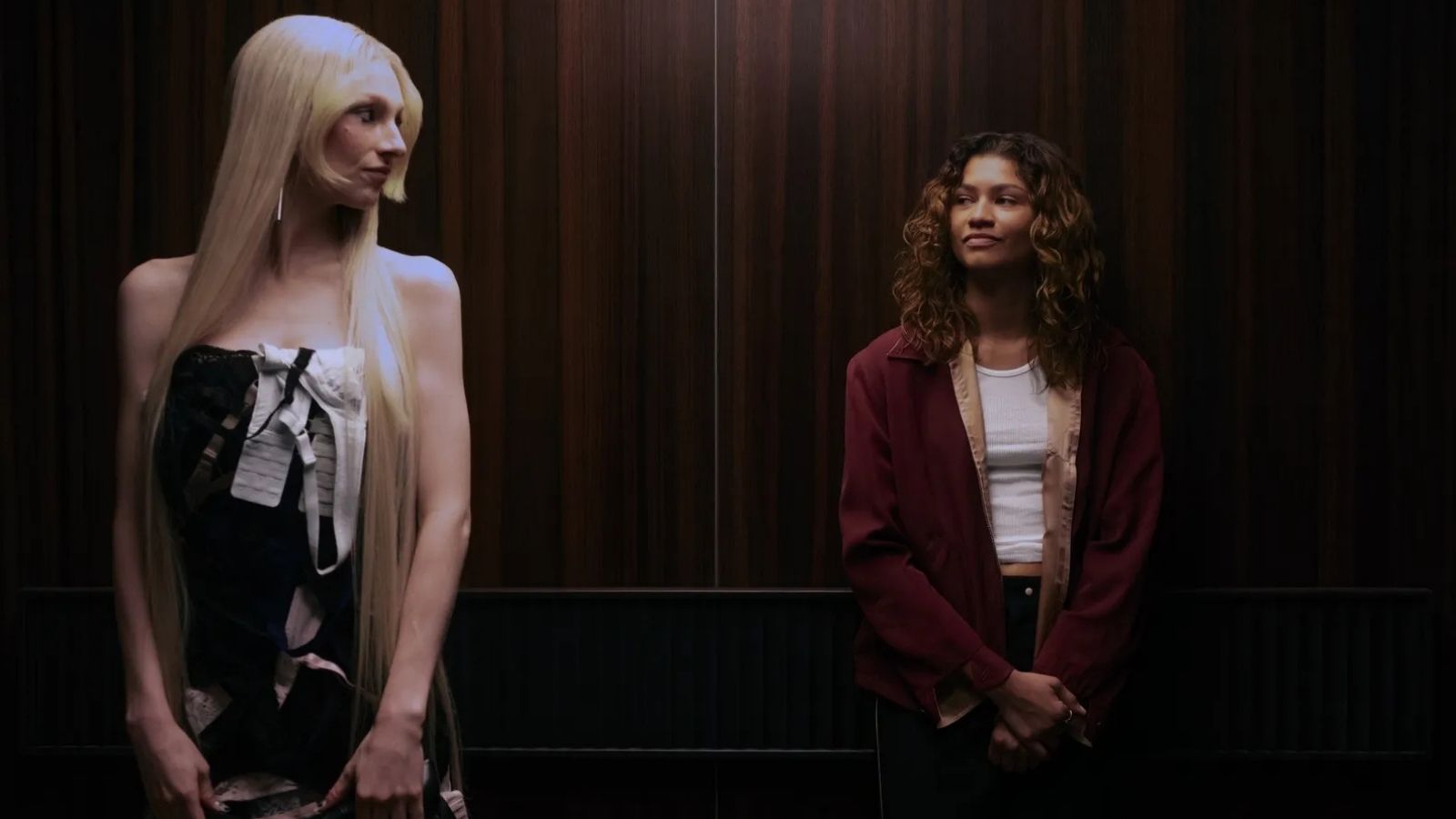
Like the great teen dramas before it (The O.C., Skins, and Dawson's Creek) Euphoria is a coming-of-age drama with a disorienting mix of genre, tone, stakes, and overall vibe. What sets it apart is its ensemble structure, with Rue (Zendaya) narrating from an almost omniscient perspective.
Euphoria's greatest strength is how it contextualizes each character's worldview, making their choices feel inevitable rather than arbitrary. You root for them to climb out of the holes they're digging because you remember the emotional volatility of being seventeen.
Each character moves through a unique, heightened experience, and together they build a compelling portrait of teen angst. The show's locations create natural opportunities to intersect storylines and demonstrate why each character matters to the whole. The best episodes are the ones where everyone converges, because when they do, you know the conflict is about to boil over and the secrets are about to spill.
'Euphoria'Why You Should Write Ensemble Casts in Film and TV
Ensemble TV is the format that most rewards a writer's full range. It protects you from single points of failure, generates story perpetually, and produces the kind of resonant, lasting work that defines careers. It's not just a structural choice. It's a strategic and creative one.
Structural weight. Multiple characters and storylines distribute the story's load evenly, giving you room to take creative pivots when one arc stalls. Deeper character exploration. A diverse cast lets you dig into the human condition across culture, relationships, and personal growth, in ways a single protagonist simply can't. Connection and relatability. Viewers find characters they identify with based on shared experiences and conflicts, making the story more accessible and emotionally engaging. A sharper voice. Writing distinct dialogue for multiple characters across a full emotional spectrum tightens every screenwriting skill you have.How to Write Ensemble Casts in Film and TV
Writing an ensemble TV show like Euphoria isn’t just about adding more characters. It’s a fundamentally different approach to story, where every decision has to account for the weight of the entire narrative.
Here’s how to build an ensemble that holds together:
Create distinct characters. Give each character a well-defined personality, background, and set of motivations. Their individual perspectives enrich the narrative and keep characters from blurring together. Map relationship dynamics. Chart the relationships between characters — friendships, rivalries, romances, mentorships. These dynamics drive conflict and plot, and reveal what holds the ensemble together. Balance screen time. Every key character should have a moment to shine and contribute meaningfully to the plot, with their own arc, conflict, and resolution.Intertwine the storylines. Build individual storylines that intersect naturally with the main narrative — through personal growth, revealed backstory, or escalating conflict — so each thread strengthens the whole. Bring the cast together. Design pivotal scenes where the full ensemble converges. Major conflicts, revelations, and resolutions hit harder when you can feel the weight of every character's stake in the outcome. Give everyone a pivotal moment. Plan how each character will grow or change through their interconnected journey. No one should leave the story the same way they entered it.Maintain the narrative. Manage pacing, tone, structure, and thematic focus carefully. In an ensemble, these are the connective tissue that keeps everything from fragmenting. The cast of 'Euphoria'Ensemble TV isn't the easier path. You're managing more characters, more relationships, more tonal registers, and more moving parts than any single-protagonist story requires. But those constraints force you to become a better writer: sharper with dialogue, more disciplined with structure, and more honest about how people actually affect each other.
The shows that last, the ones audiences return to and writers study, are almost always ensemble. Build the world carefully, trust the relationships, and let the collisions do the work.
What Is the Difference Between a Scene and a Sequence?
To put it as simply as possible, a scene is a single beat in your story, while a sequence is a series of beats that perform together to create a more impactful narrative shift that serves broader story and character arcs.
Once a screenwriter understands how these two concepts work together, screenwriting will feel more intuitive, more natural, and more cinematic. It’s about gaining a clearer sense of the necessary structure, pacing, story momentum, and character momentum to write screenplays that not only flow better, but are also read more visually enticing and impactful for script readers and the audience.
When you see how individual moments (scenes) connect to form something larger (sequences), you’ll understand how important each and every scene and sequence is when it comes to writing a screenplay that feels like a movie when it’s being read.
With that in mind, let’s delve a bit deeper into the differences between scenes and sequences, and how you better your scripts with that knowledge.
What Is a Scene?
A scene is the most basic building block of a screenplay.
At its core, a scene is a continuous moment in a script that takes place in one location (or a continuous moment moving between two or more locations) and unfolds in real time. It typically begins when a character enters a situation with a clear goal in mind (or showcasing a reaction to a previous scene) and ends when that goal is either achieved, denied, or changed.
In screenwriting, every single scene should matter. Every single scene should ideally serve a purpose that propels the story forward.
When you’re writing a scene, try your best to have these three essential components present:
A clear objective (what the character wants) Conflicts and obstacles (what stands in their way) A shift or outcome (what changes by the end of the scene)Without those elements, a scene can feel static and out of place. It may contain dialogue (information) and action (movement), but if it doesn’t move the story forward, it’s an easy sign pointing towards a possible cut in future drafts.
Scene Example: Project Hail Mary (Minor Spoiler Warning)
Midway through the story, Grace detects another spacecraft and initiates first contact. In one scene, he comes face-to-face with an alien later known as Rocky.
This first interaction is a single scene.
Objective: Grace wants to investigate the unknown vessel and determine whether or not it’s a threat. Conflict/Obstacles: He’s dealing with the fear of the unknown, lack of communication, and the potential danger of alien contact. Outcome: He confirms intelligent life, makes a new friend, and is no longer alone.It’s contained, focused, and immediate. And, more importantly, it moves the story forward. All in just one single scene.
What Is a Sequence?
A sequence is a series of connected scenes that work together to create a larger story or character swing in those respective arcs.
Sequences have beginnings, middles, and ends, building towards a mini-climax or turning point that advances the story in a more significant way. They usually revolve around a larger and more central goal or obstacle, with multiple scenes showing the character or characters attempting to achieve a larger goal.
If you’re looking to increase story momentum and better your script’s pacing, peppering your script with sequences is a highly effective way to make your script a better read and make your eventual movie a better and more entertaining and cathartic watch.
Sequence Example: Project Hail Mary (Minor Spoiler Warning)
So, Grace first met Rocky in that amazing single scene. While that scene propelled the story forward, it was only the beginning of an exhilarating, humorous, and sweet sequence that truly catapulted the story in a whole new, exciting, and impactful way, centered on one specific goal - figuring out how to communicate and work together.
Grace and Rocky discover that they are both on the same mission to save their respective planets.
This sequence is made up of multiple scenes:
Grace and Rocky having repeated interactions. The realization that Rocky perceives sounds differently. Attempts at creating a shared form of communication using math and patterns. Breakthrough moments of communication. Setbacks and misinterpretation that create either tension or hilarity. The eventual establishment of meaningful communication and trust.Each of these moments is its own scene, even though many of them take place in the same location.
The unified goal between Grace and Rocky is communication. It also moves their character arcs forward as both had been dealing with loneliness. By the end of the sequence, there’s a clear outcome - they can understand each other. This moves the story forward because now they are able to work together to tackle the bigger narrative goal and obstacle - figuring out a way to save their planets from the same scientific threat.
That is what defines a sequence. Not just multiple scenes, but multiple scenes working together towards a single dramatic purpose.
Scenes and Sequences Should Be Thought of as Moments
Screenplays that don’t properly utilize scenes and sequences to move the story forward feel more and more episodic with every turn of the page.
Every scene and every sequence should be thought of as moments. Each scene needs to be a moment with emotion, reveals, and story momentum. Each sequence needs to be full of those moments to create a larger and more overarching narrative swing.
When you’re just writing scenes and sequences to get to the end of the story, the reader or audience aren’t being moved. Moments contain emotional arcs for the story and the characters. Moments are memorable, not just expositional dumps.
The “It’s not your fault” scene in Good Will Hunting is a moment. The “Go the distance” scene in Rocky is a moment. The training sequence in Rocky is a moment. The therapy sessions sequence in Good Will Hunting is a moment.Each of them are impactful and memorable moments.
Scenes
Good WIll Hunting: When Will is told by Sean that it’s not his fault over and over, Sean finally gets Will to be fully vulnerable for the first time. That scene is a true moment to remember. Rocky: When Rocky lays down with Adrian the night before the fight and admits that he can’t beat Creed, but all he wants to do is go the distance with him, that’s a memorable and cathartic scene.Sequences
Good WIll Hunting: When Will is forced to attend two therapy sessions (told in two different scenes), the sequence establishes that he’s trying to derail them as much as he can, until he sees Sean, which ends the sequence with Sean making a huge impactful (and violent) gesture that Will can relate with and almost respect. Rocky: The iconic training sequence in Rocky, consisting of multiple scenes of him training, shows his transformation leading to the big fight.Think in moments, not just scenes and sequences. If you can write a script that has continual impactful and cathartic moments with each scene and sequence, you’ll have written something that truly stands out amongst the rest.
How Scenes Function within a Sequence
Now that you understand how important it is to create moments in your scenes and sequences, let’s discuss how scenes should function with a sequence.
A sequence isn’t just a random collection of scenes. Each scene within a sequence should serve a specific function in building towards a climax. Remember, every sequence should have a beginning, middle, and end. You build towards that end.
Sequences can follow certain patterns that you can utilize:
Setup: Introduce the goal or problem Obstacles: Conflict arises and stakes increase Escalation: Attempts to confront obstacles intensify or backfire Climax: Resolutions of the above, or evolved continuing conflict Aftermath: What propels the story forward from that sequence of eventsEach scene is a moment and beat that feeds the needs of the sequence.
Look no further than Michael Mann’s Heat, which showcases how multiple scenes serve the purpose for the climatic bank robbery sequence in the third act.
One of their team reveals that they’ve been made. The ex-con cook trying to go straight is recruited to take his position as the driver. The bank robbery begins. The homicide task force receives information that leads them to believe the crew is targeting a certain bank. The crew robs the bank and begins to exit, thinking their robbery is a success. The task force gears up as they drive to the bank, directing police officers to contain the area. Moments of tension as the crew loads into their getaway car and police move towards the bank. A firefight ensues. The crew escapes in the car, with one man dead, another injured, and another on foot on his own. That bank robber is taken down as the others escape.This is a tension-filled sequence made up of multiple scenes. You could argue that this third act sequence continues to build and build with the scenes that follow.
Each scene connects to the next, building the tension higher and higher towards a climax.
If you want an example of a sequence that happens within the same single location in real time, look no further than Steven Spielberg’s Jaws and its iconic beach attack sequence.
The goal for Chief Brody is to keep the people safe from any shark threat.
Brody watches the crowded beach. He’s distracted by people talking to him as he does. We see a few false alarms and misdirects. Brody continues to scan the water. A dog owner can’t find his dog, who was previously swimming in the water. We see the POV of the shark. The shark kills the boy. The beach reacts in confusion and horror, as does Brody. Chaos as Brody gets people out of the water. A mother can’t find her son.You could call this a single scene, but it also works as a thrilling, scary, and emotional sequence comprising many mini-scenes in mini-locations throughout the beach with multiple points of view from different characters - all connected by Brody’s observations and reactions.
Why This All Can Be a Game-Changer for Screenwriters
When you start thinking of scenes and sequences as connected moments, something clicks in your writing process and style.
Scripts become tighter. Pacing improves. Tension builds more naturally. Your scripts start to feel and read more cinematic.If you embrace this perspective, it can be a game-changer for not just your scripts, but for your screenwriting as a whole.
The Return of the Box Office (and What It Means for Screenwriters)
Reports of the movie theater’s death have been premature.
For the better part of the last decade, a familiar panic settled over Hollywood. People were crying, “Streaming is killing cinema!” “Audiences are choosing to watch movies at home!” Many started claiming the theatrical experience was a relic on life support, and anyone who didn’t accept that reality was fooling themselves. It was a story that got repeated so often, it felt like a foregone conclusion.
Now, the anxiety wasn’t irrational. There was data behind the pessimism. Theater attendance numbers had plummeted. The pandemic accelerated viewing habits that were already forming. Franchise fatigue was real, and superhero sequels that once felt like guaranteed performers started underdelivering. The culture war had also spilled over into Hollywood and turned off large sections of the country.
But as it turns out, audiences weren’t done with movies.
They were done with movies that didn’t give them a reason to leave the house.
The Numbers That Changed the Conversation
The first quarter of 2026 has made the case clearly. The domestic box office posted $1.77 billion through Q1: the strongest start to a calendar year since before the pandemic, and an 11% increase over the same period last year. That number reflects a genuine shift in audience behavior, not an anomaly driven by a single opening weekend.
The standout of the quarter is Project Hail Mary (based on the Andy Weir novel and adapted by screenwriter Drew Goddard). The sci-fi hit starring Ryan Gosling crossed $217 million domestically, on pace for $300 million or more, with a remarkably strong third-weekend hold. It set a record as the first 2026 release to cross $200 million. What makes that figure noteworthy is the nature of the film: a new story, not a sequel, not a reboot or franchise extension.
In addition, Hoppers added another $149.6 million for Disney’s animation slate. Scream 7 hit $120.5 million, a series high for the horror franchise. GOAT crossed $102 million. Taken together, Q1 built its record not on one massive performer, but on consistent theatrical attendance across multiple genres and audience demographics.
And Q2 is already shaping up to be strong with The Super Mario Galaxy Movie amassing a whopping $190.8 million domestically over the holiday weekend. This shows the momentum from Q1 is still going strong.
The Holdovers
The Q1 story didn’t begin in January. Some of it was written before the new year even started.
Avatar: Fire and Ash carried its late 2025 momentum well into Q1, contributing $137.9 million to the domestic total and pushing its cumulative past $400 million. A sustained theatrical run like this — months of audiences continuing to buy tickets — is the kind of performance that reminds studios why the theatrical window still matters. Arguably more impressive, The Housemaid crossed $399 million worldwide against a $35 million budget. That return on investment didn’t go unnoticed. And Marty Supreme quietly became A24 studio’s highest-grossing film at $179 million globally, built almost entirely on word of mouth from an opening of just six theaters.
These three films couldn’t be more different: a sequel to a sci-fi/fantasy blockbuster, an erotic thriller, and an indie sports dramedy. But what they have in common is that audiences kept showing up for them.
It's Not Just the Big Tent
The success of The Housemaid and Marty Supreme are significant because they show this rise in theater attendance isn’t reserved for big franchises and family films. In addition to The Housemaid, other female-led psychological thrillers, Wuthering Heights and Send Help, posted solid Q1 numbers as counter-programmers to the bigger event films around them. This proves that 2023’s “Barbenheimer” phenomenon wasn’t a fluke, but a foreshadowing.
In addition to the four quadrant sci-fi and animated hits, A24’s The Drama, starring Zendaya and Robert Pattinson, opened this past weekend to $14.38 million domestically and $28 million globally. This effectively recoups the film’s entire production budget in three days, with 68% of its audience being women under 35.
The public’s appetite isn’t narrowly calibrated to tentpoles and familiar characters. When a movie looks intriguing or dynamic, it’ll find an audience.
This Was Predictable
A couple years ago, when many of my peers were convinced that streaming would lead to less work for screenwriters, I had a different take. I also argued that streaming wasn’t going to destroy theatrical cinema any more than television destroyed movies in the 1950s, cable destroyed them in the 1980s, or home video finished them off in the 1990s. Each of those technologies was predicted to make the theater obsolete. In retrospect, television, cable and home video expanded the overall audience for filmed entertainment and ultimately created more demand for content, not less.
And sure enough, streaming is proving to be following suit.
The relationship between streaming and theatrical isn’t antithetical. A great film can perform well in theaters and then extend its life and audience on a streaming platform. And even if a film is solely a platform hit, it can generate the kind of cultural conversation that drives people to seek out a filmmaker’s next theatrical release. Streaming and theatrical can function together, almost symbiotically, when the material is strong enough to justify both.
What streaming accelerated was audience selectivity. When thousands of titles are available at no incremental cost, the bar for what earns a trip to the theater naturally rises. Audiences became more discriminating. Films like Project Hail Mary, Marty Supreme, and The Housemaid were hits because they gave audiences something they couldn’t get by staying home. That’s not a crisis for cinema. That’s cinema doing exactly what it's supposed to do.
What This Means for Screenwriters
A healthy box office has a cascade effect that reaches every level of the industry. Studios tracking these Q1 numbers are going to be green-lighting more films. Producers who’ve been cautious about bringing material to market will start moving faster. Development slates will expand. The pipeline that runs from a screenplay on someone’s computer to a movie in front of a paying audience will get more traffic, more investment, and more urgency behind it.
More films being greenlit means more writers being hired for assignment jobs. Even if many of the films that topped the last two quarters were adaptations of books and other IPs, they still required screenwriters to translate them from one medium to another. Also, franchise films need fresh voices to push the material somewhere audiences haven’t already been. If you're a working professional or a writer with heat, the revitalized box office is likely to create a fuller job market. In many ways, the current marketplace is much healthier for screenwriters than it was pre-pandemic when everything was about superhero films and slick remakes.
But the opportunity doesn’t stop at the assignment level, and this is where this story connects to something I’ve been watching build for the past year.
Two Trends, One Direction
In my article, “The Return of the Spec Screenplay Sale,” I wrote about 23 feature spec sales and pitches closing in a single summer, with nine of them in August alone: the highest monthly volume since March 2017. Studios and producers are buying original material again. Some of these deals were in the high six figures and a few even crossed seven figures. A hot spec is once again a commodity.
That trend didn’t appear out of nowhere, and it’s not separate from what’s happening at the box office now. Spec script purchases are a bet on where the audience is heading. Studios and producers reading the cultural signals in 2024 and 2025 — growing streaming fatigue, renewed interest in the theatrical experience, audiences increasingly hungry for fresh material — started investing in original material ahead of the demand curve. Don’t be surprised if next year some of these specs join the ranks at the theatrical box office and further expand the marketplace.
Spec scripts are the movies of tomorrow. The films opening in theaters two and three years from now are being written today. The specs circulating right now, the ones getting read by managers and production companies and development executives, are the raw material that becomes the next wave of theatrical releases. When the box office is strong and studios are confident, that pipeline accelerates. Material that might have sat in development limbo for years gets pushed forward. Projects that needed a green light, get it.
This is why the spec sale resurgence and the box office recovery aren’t separate trends that just happen to be occurring at the same time. They’re the same trend viewed from two different points in the process. The industry was already signaling its confidence in the future through the spec market before Q1 confirmed it in ticket sales. Writers paying attention to both markets have a clearer picture of the landscape than writers watching only one.
More Movies, More Screenplays
More movies are going to be made in the coming years, and this naturally means more screenplays will need to be written. If you’re a beginner screenwriter, the spec is your entry point into this expanding marketplace. Whether it’s through a sale or your spec working as a writing sample, it’s still one of the best ways to break into the industry.
The return of the box office and spec sale, especially when viewed alongside one another, confirm the industry has moved past the period of uncertainty. It isn’t operating exclusively around a few safe bets. It’s embracing new material, different genres, fresh voices, and scripts that haven’t been written yet by writers who haven’t had their break yet. The pipeline is open and the appetite is real.
People are going back to the movies.
Now write something worth the ticket.
How Daniel Goldhaber and Isa Mazzei Reframed ‘Faces of Death’ for the Internet Age
In 1978, Faces of Death shocked audiences by blurring the line between real and staged violence, becoming one of the most controversial cult films ever released. It came out of the mondo film tradition, a genre of shock-driven, fake documentary films sometimes called “shockumentaries.” Today, mondo films are often dismissed as an exploitative, cheap-thrills way to manipulate a less savvy audience, but what’s surprising is how much they feel like a precursor to today’s digital landscape where you never really know if you’re watching content that’s real, or generated by AI.
The new version of Faces of Death centers on Margot (Barbie Ferreira), a young content moderator whose job is to filter violent footage online. When she begins to suspect that a series of videos may depict real murders imitating the ones in the original Faces of Death, she takes it upon herself to investigate the elusive content creator, Arthur (Dacre Montgomery). We sat down with director/co-writer Daniel Goldhaber and co-writer/producer Isa Mazzei who have reinvented Faces of Death for the TikTok age.
The Internet Is the New VHS
Mazzei says she and Goldhaber were approached by Legendary Entertainment, who had acquired the rights to the original film in hopes of making a remake. What they discovered doing research for the project surprised them.
“We had never seen the original. It was a little bit before our time, so when we watched it, we started recognizing pieces of it that we had seen online growing up. And that was a really cool experience and a realization that this film has really had an enduring life. We were really excited to figure out our space inside of that,” she says.
They asked themselves the same question any writer might ask when rebooting an older franchise: What does Faces of Death look like now?
“We realized that Faces of Death is online,” Goldhaber says, inspiring him to draw on his experience working as a content moderator after college. He thought this could be a way to explore the psychological toll of moderation work, which is a largely invisible job where people review and approve or dismiss the worst content the internet has to offer.
Pairing that with the original Faces of Death unlocked the new film’s premise: A high stakes predator vs. prey thriller between someone creating violent content and someone trying to stop it.
“We were also interested in the complicity that social media companies have in escalating the violence and anger of our world right now,” Goldhaber says.
That theme elevates the material beyond shock value. Instead of wondering, am I watching something real? The question shifts to, why am I watching this in the first place?
Josie Totah in 'Faces of Death'When Reality Is Easier Than Fiction
One of the most disturbing discoveries during production had to do with licensing real footage. To depict Margot’s job authentically, the filmmakers incorporated real death footage into the film, navigating a long legal and ethical process.
“To put it in a movie, we had to go through all these channels,” Mazzei says. “But when I go home and open my phone, I’m just served this content every day without any of those checks in place.”
It’s not just that violent videos exist, it’s that they are curated and delivered to you on your phone every day, both real and AI.
Writing the Algorithm as the Antagonist
One of the film’s freshest ideas is treating the social media algorithm, not just the human killer, as the antagonist.
Mazzei says the way platforms are designed to amplify the most emotionally charged content is what’s so harmful. “It’s the content that keeps us engaged. It’s the attention economy.”
This goes back to the theme of complicity, where the “villain” is a structure we all participate in. Just the film’s existence as a remake becomes proof of that concept.
Goldhaber notes the irony: just as Arthur, the film’s killer, is driven to recreate Faces of Death, the industry itself is driven to remake it.
In the film, Arthur chillingly says, “The algorithm loves remakes.”
It’s this clever layering of relevant, meta themes, that gives such a gruesome film a reason to exist and be examined.
Kurt Yue in 'Faces of Death'Keeping a Collaboration Alive
Goldhaber and Mazzei have been creative partners for over 20 years. To keep the partnership strong, they have one key rule: If they disagree on something, neither idea wins. Instead, they search for a third option, something both of them can stand behind.
“What we started finding was that the best ideas were something that both of us liked,” says Goldhaber.
It’s a simple principle, but one that gets to a larger truth about collaboration: great ideas don’t always come from compromise, but from pushing forward.
Fighting for the Film
Ironically, a film about censorship and control faced its own battles getting released.
“We’ve dealt with a lot of attempted censorship of the film and our marketing materials,” Goldhaber says.
Despite finishing the film two years ago, the team had to fight to bring their intended version to audiences, ultimately refusing to make major concessions. Their advice to filmmakers facing similar censorship is blunt.
“Stick to your guns. Have dogged persistence,” says Goldhaber.
Barbie Ferreira in 'Faces of Death'We’re All Complicit
We asked the filmmakers what they hope the audience will take away from this film. Goldhaber was very clear.
“That social media is truly evil,” he says.
So, will the film be promoted on social media platforms? Absolutely.
“I'm posting constantly,” says Mazzei, adding, “I literally am making content to promote. And I think that's part of the conversation we're having, right? No spoilers, but the end of the movie. That's kind of what we're saying. You cannot exist in modern society without being on your phone, but at what cost? And we're all kind of complicit in it. We're all stuck in this loop, we’re stuck in the same place that everyone else is.”
If there’s a central idea behind remaking Faces of Death, it’s not just that social media is dangerous, it’s that participation in it is unavoidable. And the serpent eats itself.
Faces of Death was written on Final Draft, and opens in theaters April 10.
The Big Break Win that Helped ‘Deafblind’ Get Optioned
When Jeff Williams won the 2024 Final Draft Big Break Action/Adventure category with his script ‘Deafblind’, a whole new world of possibilities opened up. That may sound like exactly what you’d expect to happen after winning a major contest, but at 67, when many are slowing down, Williams is just getting on the horse. He’s now holding on tight for the bucking-bronco ride of getting a movie made.
‘Deafblind’ is a Western set in 1868, and the story follows a young woman who’s both deaf and blind. When her sister is kidnapped by a ruthless killer, she’s forced to navigate the wilderness on horseback, with only her instincts and her dog, to save her. It’s a concept that immediately raises the dramatic question: How can someone who cannot see nor hear survive rescuing someone in such an unforgiving environment? Williams, himself, was unsure if it would work.
“I entered it in two contests, just to kind of gauge if I was insane or not with this concept,” he says. “The challenge, as you can imagine, was trying to make this realistic and believable. That something like this could actually take place.”
The premise hinges on tension between the limits of not being able to see or hear versus a strong survival instinct. The protagonist is not portrayed as fragile, but as fiercely self-reliant. She’s a woman who, despite her disabilities, has learned to survive in the harsh terrain of the North Carolina mountains.
That balance, between authenticity and life or death stakes, is where the script lives or dies. This script is alive like wildfire.
The Final Draft Big Break win not only validated the concept for the script, it gave producer Jason Dubin of Perry Street Pictures, the confidence to option the screenplay.
Dubin had already responded positively to the material, but like many industry professionals, he was watching closely to see how it performed in a competitive, professional arena.
“He kept asking me, ‘Have you heard yet? How’s it doing in the competition?’” Williams says. “And I would tell him it’s in the quarterfinals, the semifinals. And then it won.”
The win also proved that Williams’s commitment to keep writing is paying off.
Persistence is the key
By day, Williams is a successful architect, living in North Carolina. “I am the poster child for perseverance with screenwriting,” he says. Though forging a career as an architect seemed like the pragmatic thing to do, he says he’s absolutely loved movies his whole life. But it wasn’t until 2007 that he actually read a screenplay for the first time.
“Just by happenstance, I read the screenplay for the movie Collateral, and I fell in love with this way of writing.”
He says he tried writing novels in the past, but it just wasn’t for him. Somehow, screenplays felt more accessible because they were similar to a blueprint, something he knew a lot about being an architect.
“Reading the screenplay tapped into sketching for me and designing a building. It's the same muscles. You’re taking something three-dimensional and putting it in two dimensions on paper,” he says.
In architecture, that means envisioning a beautiful building in your mind, but then mapping it out in flat drawings that a contractor can use to build something out of steel and wood. Screenwriting operates the same way because a script is not the finished product.
“The saying that a screenplay is a blueprint for a movie is very accurate.”
He says that from there, the director becomes the builder, the one responsible for shaping those words into a living, breathing world.
“It’s their job to take what’s on paper and expand it to that three-dimensional visual medium. Actors, lighting, music, camera, it’s overwhelming.”
That understanding of structure, how something is built and supported, helped Williams approach crafting a story.
“The structural aspect, the three acts, the beats you have to hit, that’s what attracted me,” he says. “It’s very similar to architecture.”
Just as a building requires a sound framework before aesthetic choices are made, a screenplay depends on the integrity of the story.
“You have to know the nuts and bolts,” he says. “What makes it stand up.”
The importance of screenwriting contests
Williams is a veteran of the screenwriting contest circuit. His earlier screenplay ‘Pure’, a sports drama set in the world of professional golf, won both the Nicholl Fellowship and the Austin Film Festival in 2009. But his approach to competitions has evolved since then.
For Williams, contests are effective tools for someone outside the Hollywood landscape. “They gauge how well you’re doing and if an idea’s worth pursuing.”
He says that competitions offer something like a consensus. If a script advances through multiple rounds it’s a signal that a script isn’t just resonating with one person, it’s working across multiple readers.
In Williams’ case, it helped move a producer from interest to action and positioned the project for its next step: Attaching an A-list director and going out to actresses.
“After starting this in 2009, something may actually get made,” he says. “I don’t give up.”
That persistence is central to his advice for emerging writers, especially those coming from outside of Hollywood.
“Find a community. Read scripts. Write a lot of bad ones,” he says. “That’s how you learn.”
Final Draft’s 2026 Big Break Screenwriting Competition is now open for entries.
How to Write a Satisfying Resolution to Your Story
The End.
For a screenwriter, there’s no better feeling than finishing that screenplay, and the pride in knowing you accomplished a difficult, often months-long task. And while the 100 pages that preceded the end are important, the resolution in a story is absolutely imperative and should be designed to stick with the audience long after they leave the theater.
As the last impression on an audience, the resolution is memorable as long as it maintains consistency with the story and makes sense in the context of the film or TV show. In order to explain the resolution there might be spoilers ahead, but I’ll try to keep those to older movies and TV shows.
While the ending of the story may go by many names, such as The Return in the Hero’s Journey, the concept we’re going to focus on comes from Freytag’s Pyramid.
Explained: Freytag’s Pyramid
For the Three-Act Structure, made famous by Syd Field’s 1979 screenwriting guide, the entire third act is considered the resolution. However, in Freytag’s Pyramid, the resolution is the final part of the story where all loose ends are tied up.
Freytag's Pyramid is a classic storytelling framework that maps a narrative arc into five parts:
Exposition Rising Action Climax Falling Action ResolutionThe resolution begins immediately after the falling action, which involves the characters processing their journey after the climax of the story. Think of resolution as the period after the end of a long sentence.
The resolution has an important role to play in the overall story. After the spectacle of the climax and the emotional exhale of the falling action, the resolution provides emotional closure, not just a narrative closure, as it indicates what the journey meant for the characters and allows the audiences to process the story as a complete experience.
A satisfying resolution doesn’t just end the plot, it gives insight into how the audience should feel about everything that came before.
An example of a resolution is in The Shawshank Redemption after the climax when Red (Morgan Freeman) reunites with Andy (Tim Robbins) on the beach. Although the plot has already concluded, the resolution delivers the thematic payoff, which includes hope and redemption.
Think about if the movie ended after the prison break or with Red living life after his parole. The resolution wouldn’t be satisfying. Without that final reunion, the story would feel incomplete, even though the central conflict has been resolved.
What is the Resolution in a Story?
The resolution is where you reveal what the story was truly about. It’s not just about the conclusion of the plot, but its meaning, and it shapes how the audience remembers everything that came before.
Everything may lead to the climax of the story, where the protagonist is forced to make their final choice based on the journey that came before, but after that, it’s up to the character to reckon with the resolution of their actions. Without character arcs, setups and themes, the resolution won’t have the meaning it should.
To emphasize: a resolution is only as strong as the setup. If the ending feels unearned or lackluster, the problem usually lies earlier in the story.
How Resolutions Tie Up Loose Ends. Or Not.
Even after all the efforts of building arcs and leading to an epic climax, the first thought is that everything should be wrapped up in a nice little bow. However, that’s not always the case. In fact, it shouldn’t always be the case.
A common misconception is that a good resolution resolves every subplot and answers every question. In practice, over-explaining can weaken the emotional impact. That being said, ambiguity can fail when it feels like avoidance rather than intention. It’s a matter of finding the resolution that works best overall.
Famously, the TV series Lost was regarded by some as having a disappointing finale. The resolution of the show had failed at answering the many mysteries that kept audiences engaged season after season. To the viewer, it felt like the creators raised questions and presented mysteries that were never intended to be answered or solved.
When a Resolution Doesn’t Work
Unfortunately, some resolutions don’t work. If so, here are the common culprits:
They contradict the story’s internal logic. If characters suddenly act differently because the writer needs to wrap things up quickly, the audience will notice the difference and feel it. They introduce new solutions too late. A last-minute twist or device that wasn’t set up can make the audience feel like they’re being cheated. They ignore the emotional arc. Even if the plot is resolved, the audience may feel disconnected if the character’s journey isn’t. Sometimes the writer has no control over this, such as if TV shows are cancelled without much notice or an actor passes away and there isn’t a way to resolve the emotional arc. Examples include the TV series Las Vegas which ended its final season with several cliffhangers because they didn’t know they were not going to be renewed. Another example is Heath Ledger’s death after filming The Dark Knight, so there was no return of the Joker in the third film.Tips for Writing a Resolution in a Story
How can you ensure your resolution lands effectively and gives you the confidence that the audience will remember the fantastic ending of your movie? Here are ways to make your resolution pay off and some examples of resolution in stories.
Pay Off What You Set Up. If your story emphasizes a particular relationship, theme or question, your resolution should address it directly. Audiences will remember what matters so if you don’t resolve it, they won’t be happy. In Cast Away, the fact that Chuck (Tom Hanks) is a Fedex employee at the beginning makes his desire to deliver the package in the resolution more meaningful. Let Character Drive the Ending. The resolution should emerge from the protagonist’s choices, not external forces. A satisfying ending happens organically from who the character has become. In Avengers: Endgame, Tony Stark’s (Robert Downey Jr.) years of being selfish and cocky makes the resolution after the epic climax more profound after he sacrifices himself for the universe. Know the Emotional Goal. What should the audience feel in the final moments? Relief? Bittersweet acceptance? Triumph? Shape the resolution around that emotional goal. In Rocky, it wasn’t a matter of winning or losing but rather Rocky (Sylvester Stallone) wanting to prove that he could go the distance against Apollo Creed (Carl Weathers). Embrace Simplicity. Resolutions don’t need to be elaborate. Often, the most powerful endings are quiet and focused. A single image or moment can carry enormous weight when properly set up. Remember the resolution of Brokeback Mountain, how powerful it was when Ennis (Heath Ledger) pulls Jack’s (Jake Gyllenhaal) shirt from his closet. Or the resolution of Butch Cassidy and the Sundance Kid when they bust the doors open to shoot it out with the Bolivian army – the film ends in a still frame of them shooting with the audio still playing. Echo the Beginning. Strong resolutions often mirror the opening in some way; visually, emotionally or thematically. This creates a sense of cohesion and completeness. Think about the circle of life in The Lion King and how the beginning with the birth of Simba (Jonathan Taylor Thomas/Matthew Broderick) echoes the ending when the animals meet again at Pride Rock.A satisfying resolution is more than writing an ending. It’s about wrapping up the story in a meaningful and memorable way. Whether you choose to tie up every loose thread or leave room for ambiguity, the key is intention in your resolution. The ending should feel appropriate based on everything that came before and meet the expectations of the story; that doesn’t mean there can’t be twists, but they must be earned.
When the resolution pays off, the audience will remember your story long after the credits roll.