The Industry Standard Screenwriting Software

Final Draft is the only screenwriting tool you need.

The number one-selling screenwriting software for over 30 years, Final Draft automatically formats your screenplay to entertainment industry standards so you can focus on what you do best - writing.


Turn your idea into a production-ready script for film & TV, theater, documentary and other forms of media. Final Draft has all the features you need to plan your story, collaborate with other writers, run production reports, and share your script with the world.

Used in

0%

of Hollywood productions
Available in

0

languages
Chosen by over

3 million +

writers
Used in

100

countries

Introducing Final Draft Cloud


Now Available in Final Draft Suite

Find the Final Draft product 
that's right for you.

Final Draft Suite


Two powerful tools. One subscription.


  • Final Draft Cloud
    • Elegant, minimal online writing interface (perfect for beginners)
    • Secure cloud storage for all your script and project files
    • Enterprise-secure collaboration and sharing
  • Final Draft 13
    • The industry-standard screenwriting software for desktop
  • Low monthly or annual subscription

Try Suite FREE for 5 Days

Final Draft 13


Best for personal, desktop application use.


  • The industry-standard screenwriting software
  • Used by 95% of film and TV professionals
  • Access production features and advanced screenwriting tools
  • Advanced outlining and story development tools
  • One-time purchase
  • Does not include Final Draft Cloud

Purchase Final Draft 13

Final Draft 13 for Students


Best for educational, desktop application use.


  • The industry-standard screenwriting software
  • Specially discounted price for students
  • Advanced outlining and story development tools
  • Requires student verification to purchase
  • Does not include Final Draft Cloud
  •  

Purchase Final Draft 13 Educational

Final Draft 13 Educators & Non-profits


Best for teachers, educators, and non-profits.


  • Teach using the industry's bestselling screenwriting software
  • Discounted price for educators
  • Technical support and educational resources available
  • Requires educational verification to purchase
  • Does not include Final Draft Cloud
  •  

Purchase License for Educators & Non-profits

Final Draft 13 for Studios & Production


Best for studios & production companies.


  • Multi-user licensing at a discounted rate
  • Perfect for writers room and production teams
  • Used by 95% of film and television industry
  • Technical support and upgrades included in cost
  • Does not include Final Draft Cloud
  •  

Purchase License for Studios

Screenwriting simplified

Final Draft makes writing your screenplay as easy as 1-2-3.

Get started

Plan your story

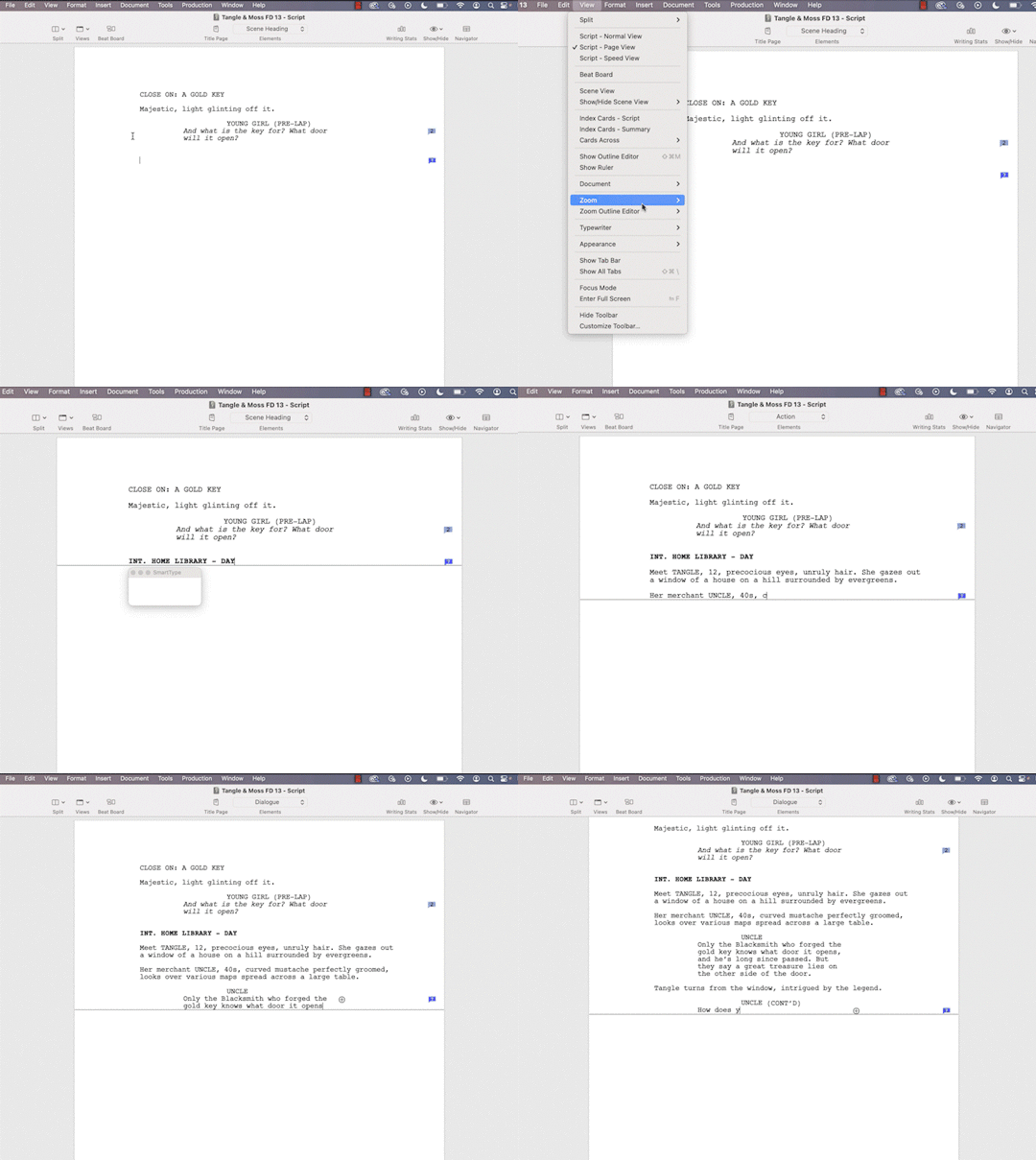
Use the Beat Board ™, Outline Editor and Structure Lines to plan your script. Brainstorm ideas, add visual elements, and explore your ideas all within your Final Draft script file.

Start writing

No more guessing when it comes to formatting because Final Draft does it all automatically. Get the words down, let Final Draft do the rest.

Revise your script

Stay in control of your script with tracked revisions, built-in commenting, and automatic version saving for complete peace of mind.

Export your screenplay

Once you've finished your script, you can export it as a PDF so it's ready to go out into the world.

Hit send

Your screenplay is now ready for its moment in the spotlight! Send to producers, directors, production companies and studios, safe in the knowledge that your script looks exactly the way it's meant to look. 

More features than any other screenwriting software.

Get started

Learn more about FD13

Collaborate in real time

Final Draft offers fast, secure online collaboration that allows multiple writers to edit scripts and work on the Beat Board simultaneously, whether they're around the corner or around the world.

Customize your workspace

Tailor your toolbar to match your workflow, streamline your story with intuitive color-coding and multi-lane outlines, and stay in the zone with Midnight, Night, and Focus modes designed to minimize distractions and reduce eye strain.

Never lose a line of your script

Your work is saved automatically as you write, so you can focus on the story - not the stress.

Write Wherever, Whenever

Stay in the flow across Windows and Mac, and take your script with you using the Final Draft Go app for iPhone (sold separately). Your story is always within reach—whether you're at your desk or on the move.

Production-Ready for Scheduling & Budgeting

As the industry standard, Final Draft formats your script with precision, making it easy for film and television producers to break down, schedule, and budget a project. Generate detailed reports on characters, locations, props and much more.

Who uses Final Draft?

Final Draft is the preferred screenwriting software of beginners, professionals and award-winners. Here are just a few of our testimonials.

"It's a beautiful thing when you find a program or an app that does exactly what you want it to do, that feels intuitive in that way, and I've felt for years that Final Draft achieves that."
- Shawn Levy (Deadpool & Wolverine, Free Guy, Night at the Museum)

"Final Draft makes it so much easier – and it's motivating when what you're working on looks like a script."
- Sofia Coppola (Priscilla, Lost In Translation)

"I would not be alive today without Final Draft."
- Jesse Eisenberg (A Real Pain, When You Finish Saving The World)
heroicons/solid/quote

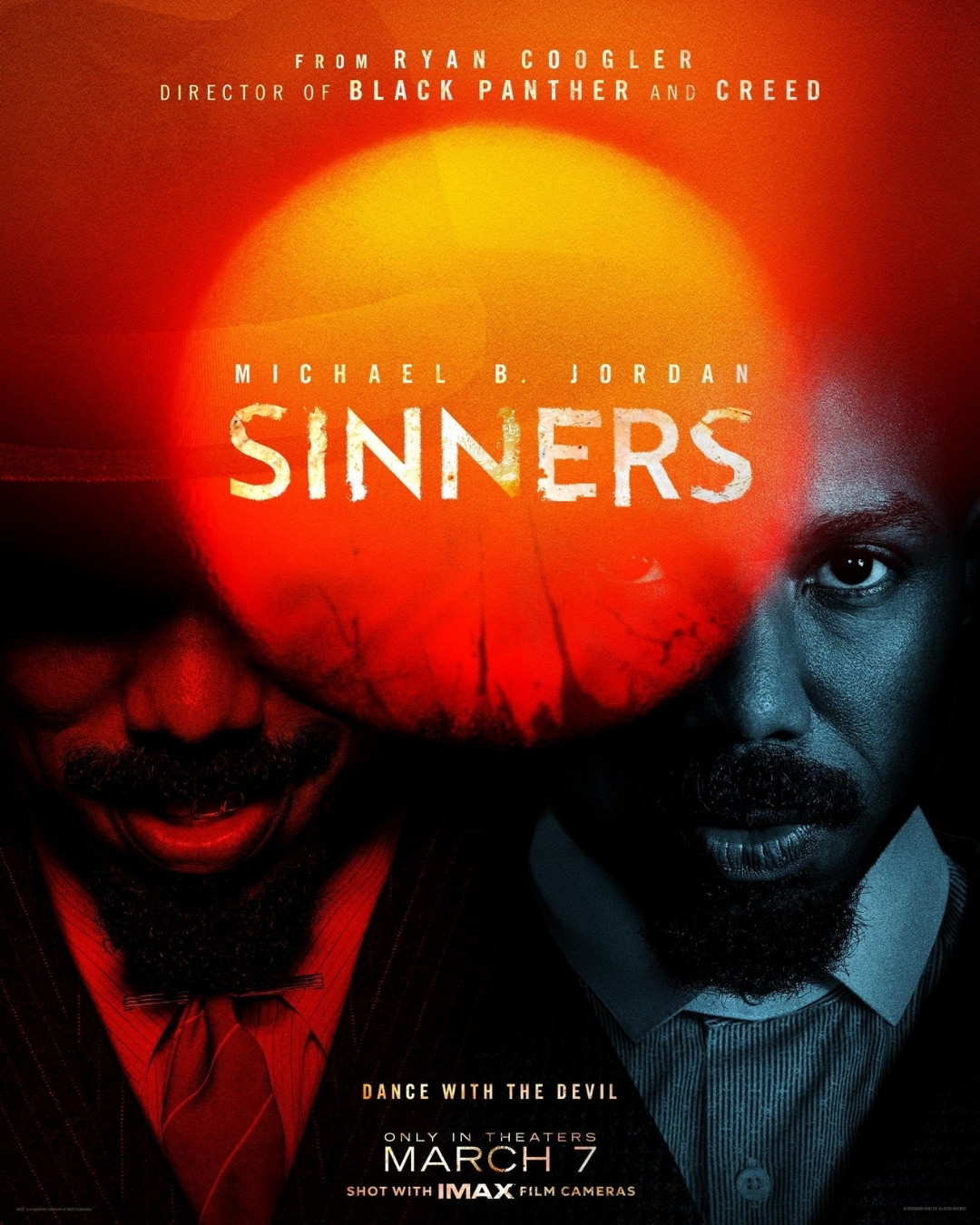
"[My wife] bought me a screenwriting software, Final Draft... I found something that I really loved."

Ryan Coogler (Sinners, Black Panther, Creed)


Read the full Fortune interview

Find the Final Draft product
that's right for you.

Free Trial

Start your 30-day free trial!

Start for free

  • Keeping one for testing

New Users

Best for personal use

Buy FD13

  • Keeping one for testing

Upgrading Users

Best for current users of older Final Draft versions

Upgrade to FD13

  • Keeping one for testing

Students

For individual teachers and students

Buy FD13 for Students

  • Keeping one for testing

Studios & Production

Right for studios & production companies

Buy FD13 for Studios

  • Screenwriters
  • Filmmakers
  • Producers
  • Graphic novelists Playwrights
  • Those new to Final Draft

Educators & Non-profits

Right for schools & non-profits

Buy FD13 for Schools & Non-Profits

  • Screenwriters
  • Filmmakers
  • Producers
  • Graphic novelists Playwrights
  • Those new to Final Draft

The latest from Final Draft

What’s new

Interviews, industry news, podcasts, tips, tricks, and information you need to inspire your writing!
More from the blog


Write On: Writer/Director Benny Safdie - 'The Smashing Machine'

On today’s episode, we chat with Writer/Director/Actor/Editor, Benny Safdie, about his latest movie The Smashing Machine

Interview: Steven Knight says a ‘Peaky Blinders’ Movie was always the plan

Even after creating 36 hours of Peaky Blinders for television over six powerful seasons, writer/creator Steven Knight still wasn’t ready to say goodbye to the iconic crime boss Tommy Shelby (Cillian Murphy). Behold the feature film Peaky Blinders: The Immortal Man, an explosive, morally charged, family-driven film with supernatural elements that operates as a three-hander: a World War II thriller about a Nazi plot to destabilize Britain, and a ghost story about the memories and spirits that continue to haunt Thomas Shelby, and a father/son reckoning as Tommy, reluctantly passes the torch to his son, Duke (Barry Keoghan). 

We sat down with Knight to find out how he delivered Tommy and the gang into the next era.  

Cillian Murphy and Steven Knight behind the scenes in 'Peaky Blinders: The Immortal Man'

A Film was Always the Plan

For Knight, the jump from television to film wasn’t a decision inspired by other British franchises like Downton Abbey that has successfully released three feature films. He says the movie was part of the plan from the very beginning.

“Bizarrely, at the end of the first series when it was just a little thing on BBC Two, I did an interview and I said I’m going to take this all the way to the Second World War and end it with a movie,” Knight says. “Considering what it was at the time, that was a very bold and naive thing to say. But I always wanted to end it with a film.”

'Peaky Blinders: The Immortal Man'

A Collective Experience for Fans

Knight’s prolific writing career has always been a mix of television and features, and he felt the story of the Shelby family could naturally exist in both spaces. What mattered most to him was that the film functioned as a true final chapter by having the sprawling criminal empire and family saga merge against the backdrop of World War II. But another motivation was just as important: the fans.

“Peaky Blinders has succeeded because of the fans,” Knight says. “It was never promoted heavily. It was sort of our secret. People would find it and talk to someone else, and they’d love it.”

That grassroots enthusiasm created a community around the show that Knight has encountered everywhere, from pubs in England to international fan events.

“You’d go into a pub and there’d be a bloke who’s a builder or a scaffolder or whatever, someone you wouldn’t imagine to be a fan, who rolls up his trouser leg and says, ‘Look at that,’ and it’s Tommy Shelby tattooed on his leg,” Knight says with a laugh. “That’s real commitment.”

For Knight, making a film offered a way to transform that fandom into a shared theatrical experience.

“What we wanted to do was create a film so that all the fans who have communicated virtually for so long could go to a building, go to the theater, watch it together, dress accordingly if they want to, and feel the emotions together.”

The strategy appears to be working. Screenings in Birmingham, where the show is set, have sold out multiple times a day, beginning early in the morning.

“It’s become an event,” Knight says.

Steven Knight at an event for 'Peaky Blinders: The Immortal Man'

The Meaning of 'The Immortal Man'

The film’s title, The Immortal Man, hints at the mythology surrounding Tommy Shelby. But according to Knight, the title came before he fully articulated its meaning.

“The title came before the reason,” he says. Only later did he realize how well it reflected the psychology of the character he had been writing for over a decade.

The key lies in Shelby’s wartime experience. Knight has always imagined a backstory in which Tommy and his fellow soldiers survived a seemingly certain death in the trenches of World War I.

“They were stuck in no man’s land, certain they were going to die,” Knight says. “Certain the Germans were coming to kill them. But they survived.”

After that moment, everything in life felt like borrowed time. “They all said to each other, from now on everything’s a bonus. Everything is extra.”

That mindset became Shelby’s defining trait. “He’s always walked this tightrope between life and death. And in a sense that means he’s immortal,” Knight says.

The film also explores another form of immortality: legacy. In the film, Shelby is writing a book for his children, hoping to pass on lessons he never quite managed to express as a father.

Cillian Murphy in 'Peaky Blinders: The Immortal Man'

A Complicated Father-Son Story

Family has always been at the heart of Peaky Blinders, but the film places particular emphasis on the relationship between fathers and sons. 

“I gave Tommy a line that says, ‘I was never a father. I was a form of government,’” Knight says.

Shelby’s sons grow up in the orbit of his reputation, trying to define themselves in relation to a legendary and highly intimidating figure.

“They live in the shadow of him,” Knight says. “Even if Duke Shelby feels he’s rebelling against his father, in actual fact he’s imitating him.”

In the film, Shelby is living in self-imposed exile when events force him back into action. The external plot, sabotaging a Nazi operation, becomes meshed with the internal story of protecting his son.

“The blowing up of the currency is also the saving of the son,” Knight says. “He wants something good to come out of all this.”

Barry Keoghan in 'Peaky Blinders: The Immortal Man'

Mining History for Story

One of the film’s central plotlines comes from a real World War II operation that many viewers may never have heard of. Operation Bernhard was a Nazi plan to destabilize the British economy by producing massive quantities of counterfeit pound notes using forced labor from concentration camp prisoners.

“They forged about £350 million,” Knight says. “According to the Bank of England it was the best forgery that had ever been made.”

The plan was hugely ambitious. At one point, the Nazis even considered dropping counterfeit currency from airplanes over British cities.“What an image that would have been,” Knight says.

For Knight, historical facts often serve as the starting point for fiction.

“The true bit is always more remarkable than anything you could make up,” he says. “Then you weave a story around it.”

Rebecca Ferguson in 'Peaky Blinders: The Immortal Man'

Father and Son Duke it Out in the Mud

One of the film’s most visceral moments is a brutal confrontation between father and son in a pig pen. It’s a scene that Knight says emerged organically during the writing process.

He had earlier written a small scene involving pigs, but later realized the location could become the setting for a climactic fight. “I thought I should have this confrontation in that environment where it gets to the lowest of the low,” Knight says.

The setting also evokes the trenches of World War I. “Tommy’s experiences in the war were mud and blood,” Knight says. “Now he’s dragging his son down into the mud.”

On set, the sequence became even more chaotic than planned. Production tried to prepare separate areas of “clean mud,” or mud that was devoid of pig excrement. But two days of rain turned the entire set into a filthy swamp and the pigs couldn’t be contained.

“In the end they’re fighting in mud that’s largely a consequence of the pigs,” Knight says. The actors, he adds, could smell exactly what they were standing in. “That’s raw filmmaking,” he says with a laugh. 

Barry Keoghan and Cillian Murphy in 'Peaky Blinders: The Immortal Man'

Stories From Home

Despite the epic scope of Peaky Blinders, the idea originated in family stories Knight heard growing up.

His parents were raised in Small Heath, the Birmingham neighborhood where the series is set. “My mum was a bookie runner when she was nine years old,” Knight says.

Children were used to collect illegal bets because they were less likely to be arrested. “She’d walk down the street with a basket of washing,” Knight says. “People would pass by, drop a piece of paper with the horse and the odds and a coin wrapped inside.”

Those small, vivid stories sparked his imagination that led to the Shelby family saga. “They’re the things that made me want to write Peaky Blinders,” Knight says.

Sophie Rundle in 'Peaky Blinders: The Immortal Man'

The Next Chapter

Even as Peaky Blinders reaches its cinematic conclusion, Knight’s writing career continues at full speed. Among his current projects is one of the most coveted assignments in film: writing the next installment in the long-running James Bond franchise.

“I can’t tell you anything about it,” he says with a smile. “But that’s what I’m doing and I’m loving it.”

For Knight, it’s the jewel of a lifelong ambition. “Bucket list,” he says simply.

And if his Bond script is half as exhilarating as Peaky Blinders, we’re all in for a treat. 

Peaky Blinders: The Immortal Man was written on Final Draft. It streams March 20 on Netflix. 

'Love Story' Creator Connor Hines on Digging into the Humanity of American Icons JFK Jr. & Carolyn Bessette

Connor Hines didn’t plan on becoming a television writer. He was trained as an actor, working in theater after studying at a conservatory in New York. Early on, though, he realized the profession left him creatively unfulfilled.

“You’re just sort of subject to everybody else,” Hines says. “You don’t have access to a creative outlet unless one is given to you.” 

Craving more acting opportunities, he began writing short sketch videos, often built around the simple setup of one half of a very bad Tinder date. These were easy to film and he could act in them. “I just need one other person, a waiter, a table and two chairs,” he says.

Originally, the videos were meant to attract representation. Instead, they gave Hines something more valuable: momentum. “I just remember feeling such a high when I would be writing them,” he says. “When people started responding, I thought, maybe there’s something here.”

That instinct was confirmed when he landed representation and flew to Los Angeles for meetings. Asked if he had ideas for television, Hines couldn’t imagine writing an entire TV show. Then the executives asked what he actually did as his day job. “I told them I was basically a nanny/butler on the Upper East Side,” he says. “They said, ‘Go home and write a pilot about that.’”

Hines did exactly that, teaching himself television writing through repetition. “I found Final Draft,” he says, after babysitting on weekends to afford it, and wrote what he describes as, “a very messy pilot.” Instead of reading craft books, he rewrote constantly. 

“It was just trial and error,” he says. “Writing scripts, getting feedback, realizing what wasn’t working, and figuring out structure on my own.”

Years of writing scripts he says people liked, but nobody wanted to make, built the endurance and discipline that eventually led to Love Story, FX’s romance anthology series. The first season, John F. Kennedy Jr. & Carolyn Bessette, centers not on political legacy or tabloid fluff, but on intimacy and the emotional toll of being loved by the world.

Paul Anthony Kelly and Sarah Pidgeon in 'Love Story'

Writing From an Actor’s Body

Hines relies on his instincts as an actor to fuel his writing process. “I perform like I’m in the scene,” he says. “I say the dialogue out loud, on walks, in the shower. If I don’t feel excited to say it, I know there’s something wrong.”

That visceral approach shapes how he thinks about dialogue. “I write from the perspective of, ‘Is this something an actor wants to sink their teeth into?’” he says. Having auditioned for small roles himself, Hines also brings a deep respect for every character on the page. “No character should ever be wasted, no matter how small.”

He cites Nora Ephron as a major influence, pointing to her ability to give even minor characters inner life. “I always think about the mailman in Sleepless in Seattle,” he says. “Two lines, but a whole character.” Those details are what create texture and make a world feel inhabited.

Finding the Humanity Beneath the Public Persona

Hines’ fascination with the whole Kennedy family began as a kind of American royalty obsession. But when he reached John F. Kennedy Jr. and Carolyn Bessette, something clicked.

“The biggest thing that stood out to me was the disconnect between the public narrative and how they were described by people who actually knew them.” Carolyn especially, since she was often reduced to an icy, one-dimensional fashion icon. Her friends, though, described someone affectionate, funny, and deeply human. “That gap is where the story was,” Hines says.

Rather than starting with public milestones, Hines began with psychology. He studied their childhoods and formative wounds: John growing up in a fishbowl after losing his father, Carolyn navigating abandonment and fierce independence after her parents’ divorce.

Before breaking the season, Hines wrote what he calls an extremely long psychological dissertation on both characters. His agents advised him not to share it with anyone. “It reads like a professor in psychology,” they warned. But Hines needed it. 

“I wanted to know that if you put them into any situation, I’d immediately know how they’d respond,” he says. “Only then could I move forward.”

Sarah Pidgeon and Paul Anthony Kelly in 'Love Story'

Making It Personal

As with acting, Hines believes writing only works when there’s a personal connection. “Until I can find myself in it, I don’t even know where to begin,” he says.

Hines found unexpected parallels with both John and Carolyn: a complicated relationship with his own father, learning disabilities, pressure to succeed in academic environments where he didn’t thrive. “In John’s case, people valued his charm and looks. He was made to feel like he wasn’t very bright. I had a lot of empathy for that.”

With Carolyn, he connected to her drive and guarded independence. “Growing up closeted, I had that same instinct to prove myself – that edge.”

Those emotional overlaps helped Hines locate the characters’ voices and understand why he was the right person to tell this version of their story.

Paul Anthony Kelly and Naomi Watts in 'Love Story'

Writing Jackie Kennedy

One of the season’s most memorable scenes in the pilot belongs to Jacqueline Kennedy Onassis (Naomi Watts), whose monologue warns John about the cost of bringing a wife into the Kennedy family that belongs to the public. Hines approached Jackie not as an icon, but as someone who once entered the Kennedy world herself.

“She was a civilian before she married into the institution. Very few people understand what it means to be center stage in that way.”

Hines sees Jackie’s warning not as maternal control but lived experience. It’s an understanding of how a spouse becomes a gatekeeper, a protector, and often a target. 

“You’re made to feel like you’re orbiting something bigger than yourself,” he says. “And that’s an incredibly difficult role to survive.”

Naomi Watts in 'Love Story'

The Episode That Feels Like a Play

Hines points to Episode 8, “Exit Strategy,” as the emotional core of the season. It begins with Carolyn watching news coverage of Princess Diana’s shocking death. Written by Hines and Juli Weiner, the episode isolates John and Carolyn in their apartment, functioning almost like a two-person play.

“We did an exercise where I played John and Juli played Carolyn,” Hines says. “We said the worst things they could ever say to each other.” The goal wasn’t cruelty, but truth. “We knew their wounds. We knew their Achilles’ heels.”

At the height of an argument in the episode, Carolyn says to John, “I’m just another tragedy you bravely endure.” Ouch. But the line says so much about their relationship.  

By keeping them holed up in the apartment, Hines wanted the audience to feel the claustrophobia of living under constant scrutiny. “It becomes a gilded cage,” he says. “Especially for her.”

Advice for Writing Real People

For writers tackling biographical material, Hines cautions against letting history dictate structure. “You can’t just write, ‘And then this happened,’” he says. Instead, he urges writers to understand who their subjects were before they became famous.

“Start with childhood. Start with family,” he says. “Those things inform how people love, how they attach, how they protect themselves. Their coping mechanisms.”

Most importantly, he advises stripping away fame entirely. “You have to approach every character like they’re not famous,” he says. “Fame is something projected onto them. Nobody looks in the mirror and sees a celebrity. They see the same person they’ve always been.”

That perspective allows Love Story to do what biopics often struggle to achieve: telling the truth without it feeling like a history lesson. “It helps to love your characters. And it helps to want to protect them while still being honest about who they were.”

In Love Story, that honesty transforms icons into human beings who are fragile, intimate, and devastatingly real.

Love Story: John F. Kennedy Jr. & Carolyn Bessette is currently airing on FX. 

How Jason Kaleko Optioned his Big Break Winning Horror Script ‘Effigy’

Jason Kaleko’s screenplay ‘Effigy’ won the Final Draft Big Break horror category before ultimately taking the Feature Grand Prize in the 2023 screenwriting competition. For a writer who had already spent years writing and wondering whether the effort was leading anywhere, the win was a clear message that he was on the right path, especially as a genre writer. 

“I’m a horror writer. My whole goal in life is just to scare people,” he says, adding, “Winning Big Break has definitely been a huge part of everything that’s happening now.” 

‘Effigy’ begins with a hauntingly creative premise. The story follows a woman whose estranged father, a legendary painter in the mold of Jackson Pollock, has died. Though he was never really part of her life, the art world mourns him as a genius. To his daughter’s surprise, he leaves her the studio where he spent the last decade of his life. Hoping to explore her own artistic side, she takes a break from her day job as a paralegal and heads to the isolated studio where she plans to spend some time expressing her own emotions through paint. Instead, she discovers the art studio appears to be haunted by her father’s spirit.

Then things get stranger.

At the center of the script is a mannequin that seems to act as a conduit for the dead man, until the daughter realizes that whatever is speaking to her may not be her father at all. ‘Effigy’ is the kind of contained, escalating nightmare that horror thrives on: isolated woods, mounting dread, and a woman forced to ask what exactly she has invited into her life. 

At the time of his win, Kaleko was living in Los Angeles and making a living as a copywriter. His professional work included writing for companies like Fox Entertainment and Peacock, often on the marketing side.

“Sometimes I’d be writing commercials, sometimes billboards, or maybe internal documents, things like that. But my passion really is storytelling, and writing my own ideas,” he says.

That passion is now taking up more space in his work life. Kaleko says he is currently taking meetings off a newer spec script with his manager, Dallaslyn Lamb, and writing horror novels. His debut book, The Joplin Horror, is slated for release in spring 2027.

Kaleko says the timing of the Big Break win was crucial. He was already taking meetings with managers when the competition announcements began rolling in, allowing him to update prospective reps as he advanced from quarterfinalist to semifinalist to finalist. By the time he won, the contest had become a meaningful part of the story he was telling about himself as a writer.

“I definitely think it helped push me over the edge for them,” he says.

He signed with Dallaslyn Lamb and Matt Rosen at Rain Management Group, and though both have since moved on from Rain, Kaleko remains with Lamb.

“She’s the best,” he says. “I’ve had managers before, and she’s by far the best. She’s a true champion for the stories that I want to tell.”

When it came time to decide which sample to send out first, the answer was obvious. “I was like, well, it’s got to be ‘Effigy’,” Kaleko says.

That visibility helped them get the script read, land general meetings, and eventually put ‘Effigy’ in front of producer Justine Conte, who had recently come off Killers of the Flower Moon. The script is now optioned through Nina Pictures.

For an emerging writer, that kind of chain reaction is the dream: one strong script, one well-timed accolade, one open door that leads to another. But when asked what meant the most about winning, Kaleko doesn’t point to the meetings, the option, or even the financial prize package, which included cash, an iPad, and a laptop he still uses. He points to something more internal.

“When you’re a writer, you’re always kind of wondering if this thing that you think has a lot of value actually has value,” he says. “As a screenwriter, there’s very few ways to figure out if you’re crazy or not.”

That’s where a competition like Big Break can matter on a level that goes beyond getting notice.

“The real value, aside from the connections you make, and the people you meet, and the prize, is just the validation, frankly, that you’re not crazy,” he says.

For Kaleko, that validation came after a long road. He says he had written more than 35 scripts before he wrote ‘Effigy’. That detail is what makes his advice especially valuable for writers who are trying to decide whether entering a contest is worth it.

“It’s worth it,” he says. “It’s worth it even if you don’t win, just to get a gauge on what you’re doing, and if you’re going in the right direction.”

He also points out that placement alone can be useful. Quarterfinalist or semifinalist status from a well-respected contest can help legitimize a query letter. But his biggest practical advice is to always be writing. 

“Once you do get those meetings, people will usually say, ‘I loved your script. It’s not for me,’” he says. “And they’re going to ask, ‘What else do you have?’”

That inevitable question means the real job is not just to finish a screenplay good enough to get attention, but to become the kind of writer who always has another one ready.

“If you want to be a writer, you have to be writing the next thing.”

For writers looking at contests as a possible next step, Kaleko’s story offers a useful reminder that one script can open the door, but it’s all the drafts and years of studying the craft that will keep you going. Learn more about Final Draft's Big Break Screenwriting Contest here.

Why Your Screenplay Feels Slow  (and How To Fix It)
Why Your Screenplay Feels Slow (and How To Fix It)

Do you think your screenplay drags? Does it feel slow when you read it? 

For many screenwriters, the instinctive response is to blame page count. They assume the script is simply too long, that scenes need to be cut, or that dialogue needs to be trimmed. But page length is rarely the real problem.

There are 120-page screenplays that read like lightning. Scenes fly by. Momentum builds. The reader feels pulled forward. At the same time, there are 90-page scripts that feel exhausting. Each scene feels slightly heavier than the last, and by the midpoint the reader senses the narrative spinning its wheels.

The difference between those two experiences is not speed.

It’s escalation.

Pacing Is Escalation, Not Speed

Many discussions about pacing in screenwriting begin with surface adjustments. Writers are told to shorten scenes, remove dialogue, or add more action. While those techniques can sometimes tighten or improve a script, they rarely solve the deeper problem.

Pacing is not about how quickly events occur. It’s about the rate at which the story meaningfully changes. A scene can be quiet, even still, and yet feel intensely propulsive if something significant shifts beneath the surface. A revelation changes the protagonist’s understanding of the situation. A conversation subtly alters the power dynamic between characters. A moment of vulnerability exposes emotional stakes that were previously hidden.

Conversely, a scene can contain arguments, movement, or spectacle and still feel strangely inert. Characters may talk rapidly, chase each other across locations, or debate strategy, yet the narrative remains essentially unchanged. When a scene ends in the same psychological or strategic position in which it began, pacing suffers.

Each scene should alter the circumstances surrounding the characters in some way. Stakes tighten. Options narrow. Understanding shifts. The story advances not because characters are doing things, but because those actions reshape the narrative landscape.

A great example of this can be found in The Hateful Eight. Quentin Tarantino confines nearly the entire story to a single location — Minnie’s Haberdashery during a brutal snowstorm — yet the film never feels static. Every conversation introduces new suspicion or conflict. When Major Warren (Samuel L. Jackson) reveals the controversial letter from Abraham Lincoln, it immediately alters the power dynamic between the characters. Later, his brutal story about General Smithers’ son escalates tension into outright violence. Even before a major character is poisoned, the cabin feels like a pressure cooker. 

Movement alone doesn’t create momentum. Escalation does.

Stalled Goals: The Hidden Drag

One of the most common causes of slow pacing is the presence of stalled goals. The protagonist wants something and pursues it, but the nature of that pursuit never evolves. Obstacles appear, but they don’t fundamentally change the character’s strategy or circumstances. Instead of escalation, the story produces repetition.

This dynamic is particularly visible in struggling second acts. Early in a screenplay, the protagonist establishes a clear objective. As the story continues, they attempt to achieve that objective several times. Each attempt may introduce a new obstacle, but if the underlying situation remains essentially the same, the narrative begins to stagnate.

Effective escalation requires that failure alter the conditions of the story. When a character fails, something should change. A new piece of information forces them to reconsider their approach. The cost of continuing becomes greater. An ally withdraws support or an unexpected threat emerges. These shifts create narrative momentum because the protagonist can’t simply repeat the previous attempt. The situation has evolved. The characters must adapt, reassess, or take a bigger and perhaps more dangerous risk.

In Zach Cregger’s Weapons, the story builds momentum because each discovery forces the characters to pursue their objective in a new way. What begins as a mystery surrounding missing children quickly expands as Archer (Josh Brolin) and Justine (Julia Garner) uncover hidden patterns, secret connections, and increasingly disturbing implications about what may have happened to them. Each new lead changes the strategy and raises the stakes, preventing the investigation from repeating the same narrative beats. Archer and Justine aren’t simply chasing the same answer over and over: they are pushed into deeper and more dangerous territory with every reveal. 

Julia Garner and Josh Brolin in 'Weapons'

The goals keep evolving. The costs become greater.

Repetitive Emotional Beats

Pacing problems don’t exist only at the level of plot. They also emerge within the emotional architecture of a screenplay. Relationships and internal conflicts must evolve just as much as external objectives.

Consider a relationship conflict introduced early in a script: two characters argue about trust, responsibility, or loyalty. If that same emotional beat repeats across multiple scenes without meaningful development, the reader begins to feel the repetition. The dialogue may vary, but the emotional dynamic remains unchanged.

Strong storytelling treats emotional conflict as an escalating force. What begins as irritation might deepen into resentment. Resentment might transform into betrayal. Betrayal might lead to irreversible fracture. Each stage reveals something new about the characters and forces them into increasingly difficult emotional territory.

Without that progression, emotional scenes begin to feel interchangeable. The characters talk to each other, but nothing about their relationship is actually evolving. The reader senses that the story is circling familiar ground.

This is why a screenplay’s emotional through-line is so closely tied to pacing. Internal conflict must move just as decisively as external conflict. Fear, guilt, love, or ambition cannot remain static. As the narrative advances, those emotional forces should intensify, transform, or collide with new circumstances.

The Social Network is a great example of growing emotional conflict in a script. The story begins with a breakup between Mark Zuckerberg (Jesse Eisenberg) and Erica Albright (Rooney Mara), but that emotional rupture quietly fuels everything that follows. As Facebook grows, Mark’s relationships deteriorate in parallel: first with the Winklevoss twins who accuse him of deception, and eventually with Eduardo Saverin (Andrew Garfield), whose friendship and partnership implodes due to betrayal. Each conflict deepens the central emotional theme of ambition isolating the protagonist. The arguments change, the stakes increase, the emotional consequences compound, and the drama never repeats itself — even when characters are simply talking across conference tables. As a result, the film never drags.

When emotional stakes deepen, pacing improves naturally. The reader feels the story tightening around the characters.

Missing Reveals: Where Momentum Should Spike

Another common reason a screenplay feels slow is the absence of meaningful reveals. In many scripts, scenes unfold without altering the reader’s understanding of the story. Characters exchange information, but that information doesn’t fundamentally shift context.

Reveals function as accelerants within narrative structure. They introduce knowledge that forces both the characters and readers to reinterpret what has come before. A secret emerges. A motive becomes clear. A seemingly trustworthy character exposes hidden intentions.

These moments are not limited to dramatic plot twists. In fact, smaller revelations often carry just as much narrative power. A quiet admission of guilt shifts emotional alliances. A piece of evidence redirects the protagonist’s investigation. A private confession reframes an entire relationship. Every moment like this is a micro reveal that pushes the characters, story and your screenplay forward.

When reveals occur, momentum increases because the story has changed shape. Characters must react to the new reality. Plans collapse. New risks emerge. The narrative environment becomes more unstable.

Reveals drive much of the momentum in Alien. The crew of the Nostromo initially believes they are investigating a routine distress signal, but each discovery reshapes their understanding of the situation. The alien organism grows rapidly, turning the ship into a hunting ground, and the crew realizes too late that their mission was never rescue: it was corporate retrieval of the creature. The reveal that Ash (Ian Holm) is secretly working to ensure the alien’s survival reframes the entire crisis and leaves Ripley (Sigourney Weaver) completely isolated. Each new piece of information destabilizes the story, forcing the characters into increasingly desperate decisions.

Improving screenplay pacing often means increasing the frequency and significance of reveals. Each revelation should reshape your story’s trajectory.

Scene-Level Escalation

When dealing with pacing problems, examine escalation at the level of individual scenes. A strong scene does more than deliver dialogue or exposition. It alters the conditions under which the characters operate.

At the beginning of a scene, the protagonist may possess a certain degree of leverage, knowledge or emotional stability. By the end of the scene, something about that position should have shifted. They may gain an advantage, lose an ally, discover new information, or confront a deeper personal vulnerability. What matters is that the narrative landscape has changed.

When scenes conclude without that change, they begin to feel neutral. Neutral scenes accumulate, and the story gradually loses momentum. Even if each individual scene appears functional on the page, the overall narrative begins to feel static.

Escalation eliminates neutrality. Each interaction leaves a mark on the story’s trajectory. The consequences of one scene carry forward into the next, creating a chain of cause and effect that compresses the narrative space around the characters and propels them towards a confrontation — each scene pushing harder and harder — until there's nothing left to do but face the inevitable. 

In Jaws, every sequence pushes the characters closer to confronting the shark. The opening attack establishes the threat, Alex Kintner’s death on the crowded beach raises the stakes publicly, and Brody’s investigation reveals that the danger isn’t going away. By the time Brody (Roy Scheider), Hooper (Richard Dreyfuss), and Quint (Robert Shaw) head out on the Orca, the story has narrowed to a single objective: kill the shark or die trying. Each scene removes another layer of safety, steadily pushing the characters towards the inevitable showdown at sea.

Roy Scheider and Bruce in 'Jaws'

As pressure mounts, the reader senses that the story can’t remain in this state. Not only are they experiencing change, they’re predicting it. 

This not only increases emotional investment, it automatically improves pacing. 

Fixing a Slow Screenplay

Although trimming pages and tightening dialogue can sometimes help a slow screenplay, it’s not addressing the deeper structural issues.

Improving screenplay pacing means ensuring that every scene produces meaningful change. Goals must evolve. Emotional dynamics must intensify. New information must reshape the narrative landscape. Characters must be forced into increasingly difficult decisions.

Escalation is the key to fixing a slow screenplay. Once you start thinking and writing with this mindset, your script will feel faster, and ultimately better.

How To Write a Logline for Big Break

Every year, thousands of writers enter Final Draft's Big Break Screenwriting Contest. Each of those scripts represents months, sometimes years, of work. Carefully built characters. Structural choices. Rewritten dialogue. Entire worlds imagined on the page. But before a contest reader experiences your screenplay, they encounter something else:

Your logline.

For many contests, the logline is simply a brief summary of your screenplay attached to a submission form. But in a competition like Big Break, where scripts move through multiple rounds and are evaluated by industry readers and judges, the logline functions as something more important. It’s the first pitch of your story concept.

And like any pitch, clarity matters.

This also applies to the film and television industry in general: professionals are constantly evaluating ideas at high speed. Managers, producers, executives, and development readers learn to identify promising concepts quickly. A strong logline signals that a writer understands the core of their story. A weak one suggests the opposite.

So whether you’re submitting your script to a management company or entering it into Big Break, your logline shouldn’t be treated as a formality. It should be treated as the front door to your script. And the way you design that door can influence how your story is perceived before page one is even read.

What Makes a Strong Logline

A strong logline communicates three important elements immediately:

The writer knows the core premise of their story. The story contains a clear conflict or engine. The concept can be understood quickly by industry readers.

In other words, the logline proves that your screenplay has conceptual focus

This matters in contests because many readers aren’t just evaluating your voice or technical craft; they’re evaluating if the story feels like something that could realistically move forward in the industry. And industry professionals want to know a simple question:

What’s it about?

Your logline answers that question.

What a Strong Logline Actually Does

Many writers approach loglines like short plot summaries. They try to condense the entire story into two sentences, but effective loglines do something different.

They isolate the dramatic engine of the story.

A strong logline usually contains four core elements:

A protagonist. A central goal. An obstacle or conflict. A compelling situation.

Together, those pieces create a clear narrative promise. 

For example:

After a timid accountant accidentally uncovers a massive corporate fraud, he must outsmart the ruthless CEO who will do anything to keep the truth buried.

This logline works because the dramatic situation is immediately clear:

A person. A problem. A conflict that escalates.

This basic formula applies to feature screenplays, short film scripts, and television pilots  – and regardless of genre or the scope of your project. But if you’re submitting to Big Break, there’s another layer to consider:

Tailoring your logline to the category of your script.

Even though the basic formula applies across the board, there are some specific things you should do to distinguish your script in its category.

Writing a Logline for a Feature Film Entry

Feature scripts submitted to Big Break are often evaluated with the same question readers ask in professional film development:

Is this a movie?

A strong feature logline should emphasize the scale of the premise. Feature concepts often hinge on:

A strong central situation. A unique protagonist role. A clear high-stakes conflict.

An example of a feature logline:

When a disgraced astronaut discovers a secret signal from a dying alien civilization, she must return to the space agency that destroyed her career to lead a mission that could save two worlds.

Notice how the logline focuses on the core story engine rather than plot details. We don’t need to know every twist of the story. We only need to understand the dramatic promise of the film.

For contest readers, that clarity is crucial. It signals that the writer understands what makes their story cinematic.

Even if you’ve written a smaller scale, character-driven script, this approach should still apply. The central conflict doesn’t have to be life and death stakes, but it should still be highly-charged and dramatic.

For example:  

When a recently divorced music teacher returns to her hometown to settle her late father’s estate, she uncovers a family secret that drove them apart — forcing her to confront the estranged mother she’s spent years avoiding.

This premise operates on a much smaller scale than a space mission or global catastrophe, but the mechanics of the logline are identical. There’s still a distinct protagonist, wrestling with a situation fraught with conflict. 

Whether the stakes involve saving the planet or confronting a buried family truth, the logline’s job remains the same: Communicate the central dramatic engine of the story.

Writing a Logline for a Television Pilot

Television loglines serve a slightly different purpose. While feature loglines emphasize a contained narrative, TV loglines often highlight the world and the ongoing engine of the series.

Readers want to understand two things quickly:

What the show is about How the concept can generate multiple episodes

Example TV logline:

In a future where memories can be legally erased, a rebellious memory technician secretly restores lost identities while evading the powerful corporation that controls the technology.

This logline communicates:

The world of the series. The protagonist’s role in that world. The ongoing conflict that can fuel multiple episodes.

For Big Break readers evaluating television entries, a logline like this immediately signals series potential. And that’s exactly what they’re looking for.

Writing a Logline for a Short Film

Short film loglines operate differently because the narrative scale is smaller.

Instead of world-building or large stakes, short scripts often revolve around one powerful moment, twist, or emotional situation.

A short film logline might focus on:

A single choice. A surprising revelation. A contained situation.

Example short film logline:

During a routine traffic stop, a rookie police officer discovers the driver he’s pulled over is the father who abandoned him years earlier.

This logline works because the emotional conflict is immediate. Short scripts don’t need expansive premises. They need impact.

When submitting a short film to Big Break, that concentrated emotional situation is what helps the concept stand out.

The Two Most Common Logline Mistakes

After reading thousands of contest submissions, readers tend to see the same issues again and again. Two mistakes show up more than almost anything else:

1. Over Complication

Writers often try to include too many story elements in the logline. They introduce multiple characters, subplots, and twists. The result becomes confusing. A logline is not a synopsis. 

It’s a concept delivery system.

If the reader cannot immediately grasp the situation, the logline isn’t doing its job.

2. Vague Language

Another common mistake is relying on general phrases like:

…must confront their past. …embarks on a journey. …discovers the truth about themselves.

These phrases don’t communicate a specific dramatic situation. Instead, a strong logline should present clear and concrete conflict.

Specificity creates curiosity. And curiosity is what makes someone want to read your script.

Using Your Logline as a Writing Tool

One overlooked benefit of writing a logline is that it can improve the screenplay itself. When you condense your story into a single sentence, you’re forced to identify the core dramatic engine. If that engine feels weak or unclear in the logline, it may also be unclear in the script. 

That’s why many professional writers draft loglines early in the writing process. The exercise helps sharpen the premise before the full script is written.

If you’re thinking of submitting a script to Big Break, you should test your logline at the earliest stages of your writing (although at any stage it can be helpful). It forces you to answer a fundamental question:

What’s the story really about?

And the clearer that answer becomes, the stronger your script usually is.

A Final Thought on Loglines and Contests

Entering Final Draft's Big Break Screenwriting Contest means placing your work in front of experienced readers who evaluate story ideas quickly and professionally.

Your logline is the first expression of that idea.

When it clearly communicates:

A compelling protagonist. A strong central conflict. A situation that sparks curiosity.

It signals that the attached script has been built with the same clarity. This principle also extends beyond contests.

The same things that make a strong Big Break logline — concept clarity, narrative focus, and concise storytelling — can also help screenwriters pitch projects, query managers, and communicate ideas across the industry. 

Writing a strong logline isn’t just about improving your contest entry (and increasing your chances of winning), it’s about learning how to present your story in a way the industry can immediately understand.

And when your story becomes easier to understand, it becomes much easier to champion.

Rising Action: How to Build Toward Your Story's Climax

In Toy Story 3, there’s a scene where Woody (Tom Hanks), Buzz (Tim Allen), and the other toys are inside an incinerator, and all seems lost. The audience goes through a range of emotions; they’re crying, scared, hopeful - and their eyes are glued to the screen, emotionally invested in the plight of these animated characters.

This climax earns every emotion, not because of the scene alone, but because of the rising action that leads up to it. It’s the emotional and dramatic peak of the story, a road that brings us to an inevitable, satisfying, and powerful payoff.

What Is Rising Action in a Story?

Whether it’s a TV show, movie or book, rising action refers to a sequence of events that builds suspense, tension and audience investment in the overall story. Rising action occurs after the protagonist’s world is established and the inciting incident takes place, often the longest part of the story and usually occupying most of Act II. This catalyst pushes the hero into their journey and rising action starts.

Action doesn’t mean fight scenes, car chases and shooting, but rather the increasing challenges, complications and setbacks the protagonist must face. The goal is to keep the viewer engaged as the character goes through escalating scenes of conflict, discoveries and turning points.

What Comes Before Rising Action?

To understand rising action fully, it helps to see it within the context of the entire narrative. The amount of time dedicated before the rising action starts is dependent on the story you want to tell. 

One way to look at rising action is through the lens of Joseph Campbell’s Hero’s Journey. At the beginning of the Hero’s Journey, the audience gets a glimpse into the protagonist’s world as it currently stands. Sometimes they’re roaming around their world as a computer hacker (The Matrix), maybe they’re a farmer in a galaxy far, far away (Star Wars), or they’re just a Barbie girl in a Barbie world (Barbie).

Then, the protagonist has a call to adventure, or inciting incident. This disruptive moment is where the rising action begins.

What Comes After Rising Action?

Rising action builds until it reaches the climax of the story. Everything that has preceded it has come to this moment where the protagonist is truly tested and must confront the central conflict. Whatever happens beforehand should be designed to increase tension and narrow the path toward that final confrontation.

Think Avengers: Endgame. The movie starts out five years after Thanos snapped his fingers and erased half of all life in the universe. As the remaining Avengers assemble and regroup, and the audience sees the ordinary world in which they live, the rising action starts when Scott Lang (Paul Rudd) exits the Quantum Realm and claims time travel is possible.

The rising action takes place until the final showdown between Thanos and the Avengers. With the snap of his fingers, Tony Stark (Robert Downey Jr.) restores the universe (sorry for the spoilers, but the movie is 7 years old now.) The Avengers then return to their new ordinary world, concluding their adventure.

Sometimes the amount of time dedicated to a story after the rising action is small, other times, when a lot needs to be wrapped up it takes longer (think Stranger Things.)

Robert Downey Jr. in 'Avengers: Endgame'

Why Rising Action is So Important

Without effective rising action, stories tend to feel flat, rushed or pointless. If the audience isn’t invested in what they’re watching, they’ll walk away. Rising action:

Builds tension as every new challenge, complication or trial increases suspense and anticipation. Develops character because it helps reveal who they are when faced with escalating challenges, whether they win or lose. Makes the climax earned because the movie, TV show or book has been leading up to the moment

Rising Action Examples in Film and TV

There are plenty of great rising action examples in movies and TV shows nowadays. Here are a couple to explain what rising action is.

Mission: Impossible – The Final Reckoning

Any Mission: Impossible movie will have to have action scenes, but rising action isn’t what that means. The final mission for Ethan Hunt (Tom Cruise) involves stopping an AI figure that is threatening the globe. Hunt faces escalating complications as he and his crew take part in dangerous operations, deal with betrayals and race against the clock to stop a force that imperils humanity.

Here are some of the beats that help build rising action in Mission: Impossible – The Final Reckoning:

The team assembles and pursues multiple leads Each mission reveals new information about the antagonist Allies are compromised, captured or killed Hunt faces escalating physical and strategic obstacles

The Last of Us

The Last of Us, a TV show based on a video game, mainly follows two characters: Joel (Pedro Pascal) and Ellie (Bella Ramsey) traveling across a post-apocalyptic United States encountering infected people. Ellie may be the key to humanity’s survival, if they can actually survive the elements, the infected, and those who let power go to their head.

In TV, there will be both rising action within the single episode as well as tension increasing throughout the season. Here are some of the moments that help build rising action through the episodes leading to a climactic conclusion.

Encounters with hostile survivors Conflicts within survivor communities Growing emotional attachment between Joel and Ellie

Each episode acts like a mini rising-action sequence that feeds into the season’s larger climax.

Bella Ramsey and Pedro Pascal in 'The Last of Us'

How to Write Rising Action: 5 Tips to Enhance Your Screenplay

Ready to write some rising action in your screenplay? Here are some storytelling principles to make your rising action strong.

Escalate the Stakes: Each major sequence should make the situation more difficult or more dangerous for the protagonist. If a problem is solved too easily, the tension disappears. Add Complications: Rising action thrives on unexpected obstacles, which can include new antagonists, internal conflicts and time pressure. Use Turning Points: Turning points include twists and major reversals. This can reveal new information, force the protagonist to change their strategy or add new stakes. Movies like the Knives Out film series thrive on these. Make It Character-Driven: Good rising action happens when the character must make choices. If things happen randomly to them, the stakes aren’t as high. Look no further than a movie like Marty Supreme. Keep the Pressure Increasing: The protagonist’s life shouldn’t get easier. Throwing obstacles their way should make their life harder. Ana de Armas and Daniel Craig in 'Knives Out'

What is Freytag’s Pyramid?

Based on theories of a 19th century novelist, Freytag’s Pyramid is a storytelling model involving a 5-act structure, instead of the standard 3-act structure. Freytag’s Pyramid starts with exposition to explain the ordinary world of the protagonist before an inciting incident thrusts them into the climbing rising action before reaching the climax.

Similar to the Hero’s Journey or the basic 3-act structure, Freytag’s Pyramid is another way to help write their story and include rising action.Learn more about Freytag’s Pyramid here.

Rising action puts your protagonist on a journey filled with conflict, tension and emotional investment. The key to doing rising action the right way is remembering that it’s structured escalation. Each moment should raise the stakes, place obstacles in front of the protagonist and force them to make decisions.

Rising action done right makes the climax of the story exciting and satisfying for the audience.