

It all comes down to this moment: the climax of your story.
Everything has been leading up to this point. It’s a showdown between hero and villain, the time when an underdog team makes a triumphant play, or when the protagonist faces their final test. Regardless of the climax, it only matters if everything that came before it resonates with the audience and makes them care.
So, what is the climax of a story? And what steps can you take when writing your screenplay to make it satisfying and exciting?
What is a Storytelling Climax?
A storytelling climax is the moment when the central question of the story is finally answered. By the time the climax arrives, the stakes are at their highest for the protagonist. This is the point where they must act, and whatever happens determines how the story resolves.
A strong climax also forces the protagonist to show how they’ve changed. Often, they must apply a lesson learned during the story, or confront the flaw that once held them back. The storytelling climax is more than winning or losing; it’s about delivering an emotional payoff, making the journey feel meaningful, and providing a satisfying resolution.
A Climax in Every Story We Tell
If you’re talking to friends or family, there is likely a climax in the story you’re sharing. We’re hard-wired for stories going back to the campfire and cave days of long ago. Call it a climax or a punchline, we build up stories in hopes to engage our audience, whether they are millions of viewers or a couple of people around a table.
Here are some examples:
- Parenting: My child learned to crawl and has been holding themselves up on furniture, then last night, they finally took their first step and we were all so happy.
- Every Day: I was at the grocery store and they didn’t have something I needed, so I went to another one nearby and they were out too. Finally, I found it online and it arrived within 2 hours.
- Career: I’ve had three interviews with a company I want to work for, and they called back today. I didn’t get it.
Not all resolutions are happy endings, but they should be satisfying. Let’s take a look at what happens before and after a storytelling climax.
What Happens Before and After a Climax?
Most of a movie takes place before the climax, and often very little happens afterward. Failing to focus on the introduction of the protagonist and other characters, the inciting incident, and the rising action will likely leave your movie feeling unsatisfying, if the audience hasn’t bailed on it by then.
Before the Climax
As most of the movie will happen before the climax, this should be the main focus leading up to the ending. Whether you’re using the Hero’s Journey, Freytag’s Pyramid, or a standard 3-Act structure, the first part of your story should establish the ordinary world of your protagonist.
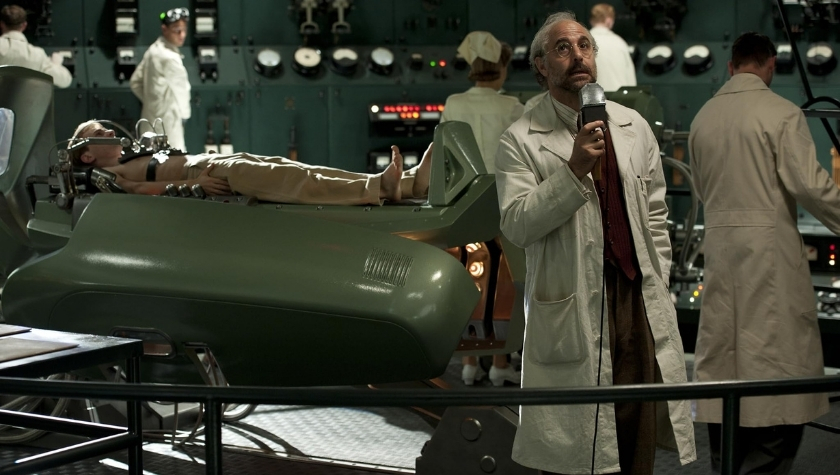
In Captain America: The First Avenger, it’s Steve Rogers (Chris Evans), small and weak, exhibiting love for country and a desire to serve but failing to enlist in the army.
Then there is an inciting incident. This pushes the protagonist forward into a journey that will change their life. For most superhero movies, it’s the sudden presence of the villain who threatens their world, or it might be Santa Claus falling off a roof (The Santa Clause).
Now, the rising action commences. This is the bulk of the character’s journey as they are tested and their flaws exposed, and they must face some challenges and obstacles. Each moment may be a win or a loss but it gets them closer to a final epic showdown - maybe with themselves, a nearly impossible villain or some other force. That showdown is the climax.
After the Climax
This becomes the resolution of the story. Your protagonist now returns back to their world a changed person. Generally, this wraps things up and concludes the story.
Climaxes can be extremely short. In Rocky, after the climactic fight, Rocky (Sylvester Stallone) cries out for Adrian (Talia Shire) who comes down to the ring, hugs him and the movie ends.
Other times, it may go longer. Think of it like the end of a roller coaster: after all the excitement, everyone wants to get off the ride and go their own way, so it’s good to not keep the movie going too long after the climax.
How to Write a Climax
Writing a strong climax means delivering on the promise your story has been making since the first scene. Every challenge, setback and revelation should point toward this moment.
Start by putting your protagonist in a position where they must act. The situation should force a decision that cannot be delayed or avoided; this is the moment the hero saves the day or the athlete enters the match they’ve been training for. Basically, whatever happens next will determine the outcome of the story.
The climax should also require that the protagonist uses what they’ve learned during the journey, such as Luke using the Force or Rocky using his training. That also means that, earlier in the story they may have failed due to any number of factors: fear, pride, selfishness or inexperience, for example.
Climaxes are when stakes should be at their highest and the obstacles at their greatest, for example, a death star is going to destroy a planet (Star Wars: A New Hope) or Harry will lose Sally forever (When Harry Met Sally).
Remember, this moment should center on the core conflict of the story without introducing new complications.
Tips for Writing a Satisfying Climax
No matter what type of ending you choose, the climax must make sense for the story you’ve been telling. Audiences accept surprising or even devastating outcomes, but they will hate-post about an ending that feels disconnected from the protagonist’s journey.
There are several common types of climaxes used in films and television. Here is a breakdown of the different climaxes you can use in your story as well as a few narrative climax examples in movies and TV:
- Surprise: Delivers an unexpected outcome that still fits the story’s logic.
- Examples: Memento and The Sixth Sense
- Tragic: Ends in loss or failure for the protagonist, however, even if the hero loses, makes the wrong choice or pays a heavy price, the ending still works.
- Examples: Rocky and Titanic
- Moral: The protagonist must decide between two things they care deeply about; but usually they end up picking one that shows their growth or integrity versus the easy way.
- Examples: Tony Stark in Avengers: Endgame and Breaking Bad
- Suspense: In this case, the outcome hangs in the balance until the very last moment.
- Examples: Jaws, Silence of the Lambs, and Armageddon
- Ironic: This climax is opposite of what characters expect, often highlighting a theme or flaw within the story.
-
- Example: The original Planet of the Apes and Se7en
Occasionally, screenwriters use an anti-climax where the expected dramatic payoff is intentionally avoided. An example is No Country for Old Men which uses this technique to emphasize theme over spectacle; in fact, the Coen Brothers often have an anti-climax in their films.
The best tips for writing a satisfying climax include picking one of the types above and ensuring it fits the type of story you are telling. Also, make sure it revolves around your protagonist and forces them to make a decision. The climax should be tied to your character’s growth and resolving the main question from the very beginning.