
Some of the most enduring TV shows ever made aren't built around a single hero. They're built around a world of characters, an ensemble whose lives, secrets, and conflicts create something unique that a single protagonist can rarely do alone.
Ensemble storytelling is one of the most powerful structures in television, and for screenwriters, it's one of the most rewarding to master. Here's what it is, why it works, and how to write it well.
What Is an Ensemble TV Show?
An ensemble TV show is a narrative with multiple storylines, character arcs, and perspectives that carry equal weight. This balance brings more voices, motivations, conflicts, and nuance to the plot, encouraging audiences to invest in a diverse range of characters based on their conflicts, arcs, and interpersonal dynamics.
‘Euphoria’ And Its Dream Ensemble
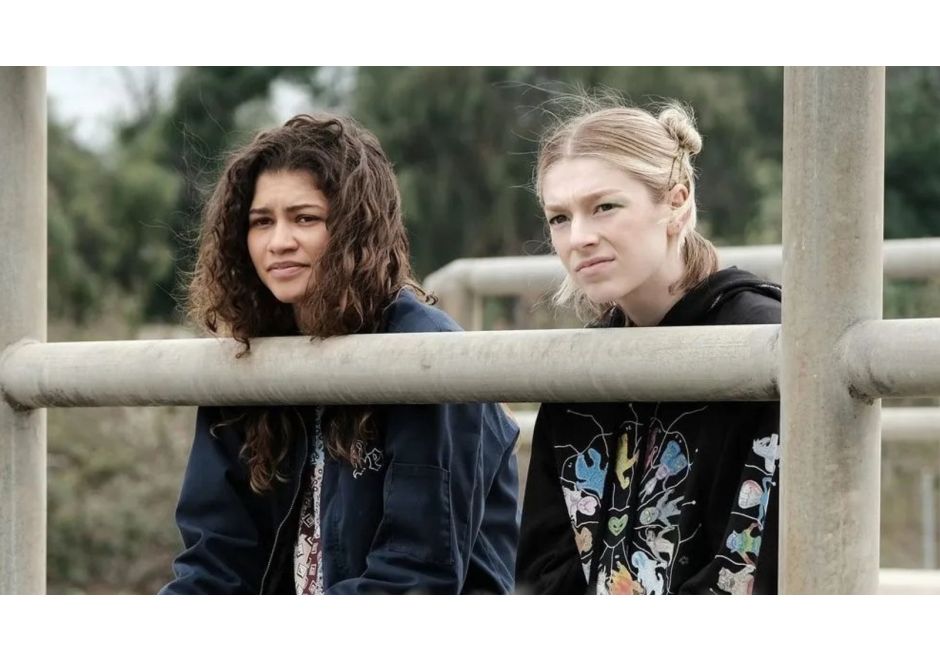
Like the great teen dramas before it (The O.C., Skins, and Dawson's Creek) Euphoria is a coming-of-age drama with a disorienting mix of genre, tone, stakes, and overall vibe. What sets it apart is its ensemble structure, with Rue (Zendaya) narrating from an almost omniscient perspective.
Euphoria's greatest strength is how it contextualizes each character's worldview, making their choices feel inevitable rather than arbitrary. You root for them to climb out of the holes they're digging because you remember the emotional volatility of being seventeen.
Each character moves through a unique, heightened experience, and together they build a compelling portrait of teen angst. The show's locations create natural opportunities to intersect storylines and demonstrate why each character matters to the whole. The best episodes are the ones where everyone converges, because when they do, you know the conflict is about to boil over and the secrets are about to spill.

Why You Should Write Ensemble Casts in Film and TV
Ensemble TV is the format that most rewards a writer's full range. It protects you from single points of failure, generates story perpetually, and produces the kind of resonant, lasting work that defines careers. It's not just a structural choice. It's a strategic and creative one.
- Structural weight. Multiple characters and storylines distribute the story's load evenly, giving you room to take creative pivots when one arc stalls.
- Deeper character exploration. A diverse cast lets you dig into the human condition across culture, relationships, and personal growth, in ways a single protagonist simply can't.
- Connection and relatability. Viewers find characters they identify with based on shared experiences and conflicts, making the story more accessible and emotionally engaging.
- A sharper voice. Writing distinct dialogue for multiple characters across a full emotional spectrum tightens every screenwriting skill you have.
How to Write Ensemble Casts in Film and TV
Writing an ensemble TV show like Euphoria isn’t just about adding more characters. It’s a fundamentally different approach to story, where every decision has to account for the weight of the entire narrative.
Here’s how to build an ensemble that holds together:
- Create distinct characters. Give each character a well-defined personality, background, and set of motivations. Their individual perspectives enrich the narrative and keep characters from blurring together.
- Map relationship dynamics. Chart the relationships between characters — friendships, rivalries, romances, mentorships. These dynamics drive conflict and plot, and reveal what holds the ensemble together.
- Balance screen time. Every key character should have a moment to shine and contribute meaningfully to the plot, with their own arc, conflict, and resolution.
Intertwine the storylines. Build individual storylines that intersect naturally with the main narrative — through personal growth, revealed backstory, or escalating conflict — so each thread strengthens the whole. - Bring the cast together. Design pivotal scenes where the full ensemble converges. Major conflicts, revelations, and resolutions hit harder when you can feel the weight of every character's stake in the outcome.
- Give everyone a pivotal moment. Plan how each character will grow or change through their interconnected journey. No one should leave the story the same way they entered it.
Maintain the narrative. Manage pacing, tone, structure, and thematic focus carefully. In an ensemble, these are the connective tissue that keeps everything from fragmenting.

Ensemble TV isn't the easier path. You're managing more characters, more relationships, more tonal registers, and more moving parts than any single-protagonist story requires. But those constraints force you to become a better writer: sharper with dialogue, more disciplined with structure, and more honest about how people actually affect each other.
The shows that last, the ones audiences return to and writers study, are almost always ensemble. Build the world carefully, trust the relationships, and let the collisions do the work.