

The trailer for HBO’s third season of Euphoria recently dropped, teasing the upcoming return of the most unconventional teen drama of all time. It’s adult in scope, execution, and consequence, using teen characters to explore addiction, sexuality, identity, mental health, and trauma with an intensity that feels shocking, and far more real than teen-centered shows and movies we’ve seen in the past.
Euphoria is written by adults who aren’t pretending to be teens, and that is perhaps the major reason the show feels more visceral and accurate - perhaps more accurate within some teen circles than adults (and especially parents) would like. But that is what is so compelling about the series.
Creator Sam Levinson has been open about the fact that the show is emotionally inspired rather than journalistically accurate. He incorporated his own struggles with addiction, as well as his own struggles throughout his teenage years.
Levinson told Entertainment Weekly, “I just wrote myself. I just wrote myself as a teenager. I think those feelings and memories they're still extremely accessible to me. So it's not a hard reach. I just write myself and what I was feeling and what I was going through when I was younger and I was dealing with addiction.”
With that in mind, here we share some thoughts on how screenwriters who aren’t teenagers can write teenage characters that feel authentic and real, rather than caricatures and cliches.
Adults CAN Successfully Write Teenage Characters
You don’t need to be a teenager to write teen characters. If anything, having the vantage of an adult who has been through those fun, difficult, and tumultuous times can help deepen the meaning behind the words and emotions you put into teen characters.
While many teen dramas and teen comedies of the past have relied on teenage tropes and cliches (the jocks, the nerds, the bullies, the popular kids versus the losers, etc), many have successfully broken those habits by subverting expectations, such as:
- Euphoria TV Series
- John Hughes Classic Teen Movies of the 1980s
- Diablo Cody’s Juno
You don’t need to know the current slang, or any slang from previous timeframes to appreciate these stories. Instead, you just need to remember the fear, the longing, and the humiliation of those sometimes difficult years.
Teen characters work when writers stop pretending to be teens and start remembering what it was like to be powerless, misunderstood, and overwhelmed. That’s the bridge for adults writing teen characters. And it’s one any writer can cross.

How Teen Characters Can Fail on the Page
When writing teen characters, some writers can make the mistake of using stereotypes without subverting them, and making teens speak in buzzwords found in other teen shows and teen movies.
Teenagers feel everything at maximum volume because they haven’t developed emotional calluses yet. They don’t have perspective and reference points to get through difficult or challenging times.
- Every embarrassment feels permanent.
- Every heartbreak feels insurmountable.
- Every social rejection feels heartbreaking.
So many adults forget about that. Or they block it out. They may even roll their eyes at it, now knowing how so many of those teen worries were nothing compared to adult life issues. And that is what kills authenticity when it comes to writing teen characters.
When writers try to sound “young” they end up creating caricatures. When they try to center their teen stories around coming of age tropes we’ve seen hundreds of times, it’s just not relevant and real anymore, and that’s why most teen characters fail on the page. But it doesn’t have to be that way.
Teen Stakes Should Be Emotional, Not Logical
Teenager choices and worries aren’t logical - they are emotional. And for teens, their emotions, choices, and worries feel like the most logical things in their lives. Maturity and life experience changes that in the long run.
But if you want to write great teen characters, you need to remember when those trivial middle school and high school struggles were logical in your life. You need to be able to tap into the emotion of why a teenager would care about such things so much.
That’s why Euphoria works so well, even when some question the realism. The emotional logic is consistent. The characters behave based on how pain, shame, desire, and fear affect them in the context of their age and world.
Don’t Fall Into the Trap of Keeping Up with Modern References
One of the fastest ways to date your teen script is by over-referencing either the present or whatever time period your teen characters exist in.
Apps and tech change. Slang and fashion evolve. But what doesn’t change is insecurity, desire, shame, loneliness, and hope. If you tap into that, you can reclaim your teenage emotions enough to write characters that will ring true.
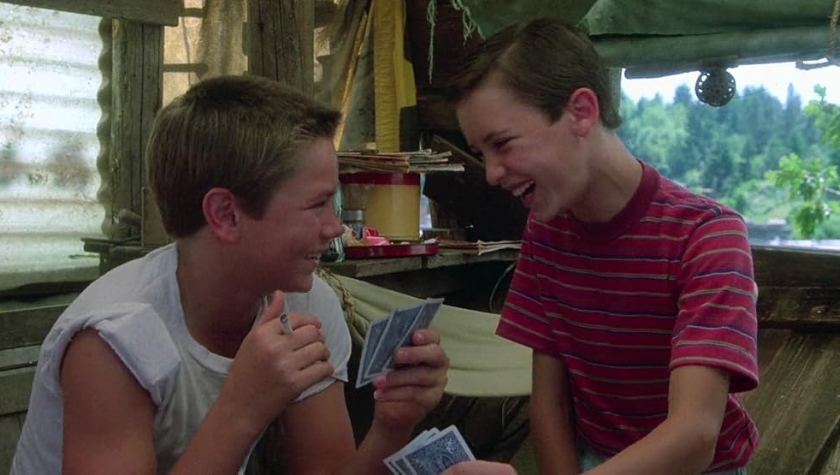
In Stand By Me, which tells the coming of age story of boys approaching their teenage years, the story has resonated with multiple generations, despite the fact that the actual events take place in 1959. People who grew up in the 1960s, 1970s, 1980s, 1990s, 2000s, and beyond can relate to the emotions and struggles of these near-teen characters despite references from a different era.
Sure, it’s good to do some research. But don’t let those references overshadow and taint the emotions of your teen characters.
Let Teens Be Messy
Writers can showcase respect towards teenagers by not dismissing their choices and reactions, and by not over-explaining why they do what they do. Always remember that to teens, their emotions, choices, actions and reactions are valid, no matter how messy they may appear.
Showcase that within your stories. Let your teen characters be messy.
If you look at the now-classic Superbad, you see teen characters that are very, very flawed and messy.
- They treat each other horribly.
- They do horrible (yet hilarious) things.
- They make mistake after mistake.
But they also feel real and authentic.
Teen characters need to be allowed to be messy and impure. Why? Because all teens are like that at one time or another. They’re not doing anything wrong. They’re learning about life. They’re learning the rules of the world, how to bend them, how to break them, and how doing so has consequences.
Let them be messy. Let them make mistakes without feeling the need to justify them or over-explain their actions. Let them be teenagers.
When In Doubt, Don’t Write Teen Characters - Just Write Characters
The best movies about children from the 1980s were those where the screenwriters didn’t write those characters as children or teens - they just wrote them as characters. That’s why movies like The Goonies, Stand By Me, and E.T. felt real. And that’s why Euphoria resonates so much with teen viewers, and people recently coming out of their teen years.
Instead of trying to write a believable teenager, try just writing a believable character dealing with teenage situations. Forget about the slang. Forget about the clothes. Forget about the apps and the tech (or lack thereof). Just write characters.
Remember, Teen Conflict Dynamics Are Universal and Timeless
That’s why you don’t need to worry about slang, clothes, and tech - the core conflicts teens deal with haven’t changed, and will never change.
Sure, today’s teens have different dynamics to deal with - found within technology and social media - but, in the end, it’s always about the same struggles.
- Insecurities
- Friendships
- Romantic Relationships
- Crushes
- Sexuality
- Identity
- Physical Changes
- Social Hierarchies
- Mental Health issues
- Coming of Age
- Academic Pressures
- Family Conflicts
- Peer Pressure
- Fear of Growing Up
- Fear of Responsibility
- Fear of Leaving Home
These are timeless and universal themes that all audiences can relate to in their current or past lives. If you focus on those real character dynamics instead of usually-cliched aesthetics, you’ll start writing teen characters that pop off of the page.
Look Inward and to Those Around You
When in doubt, just look inward to your own teenager experiences. Trust those instincts and lingering emotions. Ask yourself how you would have reacted in whatever situation when you were a teenager, and also consider how you would react now as an adult.
If you have children (or nieces and nephews) that are teens, just listen to them. Pick their brains if you’re brave enough to ask a teenager how they’re feeling, or just take the easier route and observe them. Listen to how they talk and interact. Pick up on any trends in their voices and actions.
We Were All Teenagers Once
We all went through those sometimes difficult and sometimes exciting times. We experienced the same struggles, revelations, triumphs, and tribulations.
When you’re writing teen characters, just remember to focus on the emotions of the situations you put them in. If you make the mistake of relying on tropes and cliches to make the writing of teen characters easier, you’re not respecting teenagers. Therefore, you’re not respecting the characters you’re writing.
We were all teenagers once, which means we can create living and breathing teen characters that resonate with all generations. Trust what’s within you, and you’ll be able to write amazing teen characters, even when you’re not a teenager anymore.