

“Did I miss my window?” It’s one of the biggest fears that most screenwriters face. We read the trades, hear the success stories, and do the math whenever we learn about a successful screenwriter, director, or actor. We research answers to questions like:
- “How old were they when they started their career?”
- “How long did it take before they broke through?”
- “How long did their career last before the jobs stopped coming?”
Screenwriters are programmed to emulate those who came before. We’re brought up on Hollywood success stories. We’ve read the screenwriting books. We’ve watched countless Q/A sessions and interviews with our favorite writers and filmmakers. And we always seem to be trying to equate our stories with theirs.
We especially compare our timelines with theirs and quietly wonder if we started too late or missed our windows of opportunity.
I know that feeling well. Living in the Midwest, I spent my late teens learning the ins and outs of the art, craft, and business of screenwriting by reading every screenwriting book I could get my hands on.
I spent my early twenties writing objectively horrible screenplays until I was thirty years old, when I wrote the first worthy script that got me noticed. I spent the next year attending studio meetings at nearly all the studios, with no contract to show for it.
At the age of thirty-two, it took me moving two thousand miles away from Hollywood to raise our firstborn son close to family in Wisconsin to get my first Hollywood deal: a development deal with Lionsgate. Sadly, it was at the brink of the 2007/2008 one-two punch of the Writers Guild Strike and the Economic Collapse. The script was never produced. I made next to nothing in the big scheme of things.
I was thirty-six years old when a chance industry insider connection with roots to my home state of Wisconsin gave me an opportunity to pitch some of my spec scripts, which led to a produced assignment in 2012 with a name cast. It was my first produced script. Naturally, as any screenwriter would believe, I thought I had finally made it full swing. A produced script. Some good names attached. The deals would be coming now, right?
Nothing followed. Prospective conversations, meetings, and Hollywood nibbles here and there, but no deals.
When I turned forty years old in 2016, four years removed from my last paid screenwriting gig (which didn’t pay that much), I found myself asking:
- “Did I miss my window?”
- “Will anyone hire me living two thousand miles away from Hollywood?”
- Will they hire someone who is over forty years old?”
- “Is it too late to make this dream come true?”
To my surprise, the biggest chapter of my screenwriting career didn’t arrive until deep into my forties, and now past my fiftieth year on this planet.
From 2021 to 2026, I’ve been blessed with eleven produced feature credits - Lifetime thrillers - one of which made it to number two on Netflix’s U.S. Top 10 list.
These movies gave me something I had chased for decades - tangible proof that persistence matters.
- Audiences were watching movies I wrote.
- My name was on the screen.
- My words were being spoken.
- My actions and characters were coming to life.
Was it the exact version of success I had imagined when I first moved to Los Angeles?
No.
Far from it. I still chase dreams of selling my specs. I still hold hope that someday I can get that big studio assignment.
But some of the most important lessons age teaches you? Dreams evolve. The notion of “success” evolves. And sometimes the version of success you eventually achieve is even more fulfilling than the one you initially dreamed because you appreciate it that much more.
The Advantage Older Screenwriters Have
Age can become an advantage in screenwriting. When you’re younger, you often write from ambition, influence, and pure imagination. You strive to emulate your heroes. There’s absolute value in that, yes. Young writers bring fresh voices, energy, and fearlessness to the craft.
But older writers bring something equally powerful:
- Perspective
- Experience
- Resilience
- Lessons learned over decades of failure and rejection
Those life experiences can make you more focused, more determined, and far less susceptible to the struggles screenwriters face.
I have found in my own journey that I’ve become much, much more of a collaborative spirit, recognizing the fact that it’s a collaborative medium. It’s not all about me and my vision. It’s about the collective vision of those needed to make any movie come to life on the screen.
This perspective comes with age. It comes with decades of hard work, determination, and lots of failure and rejection - all of which sharpen your skills, harden your resolve, build your confidence, lessen your ego, and prepare you for all of the greatness and difficulty of becoming a professional screenwriter. And Hollywood loves that. You also become better at handling the emotional side of the business. And yes, that matters.
When you’re younger:
- Every rejection feels devastating
- Every missed opportunity feels final
- Every near miss haunts you
When you’re older, you know:
- Success is rarely built from one big break
- Careers are built from many micro-moments of success
- Dreams are attainable if you just keep trying
And sometimes, what you thought you wanted but never got leads you to exactly where you are meant to be in your life and career.
And that’s a vital message to all screenwriters, young and old. Right now, no matter what your age, you’re exactly where you’re supposed to be in your screenwriting journey because no success story is ever the same.
Here Are Some Higher-Profile Late Bloomers
Here are just a few higher-profile examples of writing success well after forty.
Raymond Chandler
Chandler was fifty-one years old when he wrote his first novel, The Big Sleep (1939). He was fifty-six years old when he wrote his first screenplay, Double Indemnity (1944). He was nominated for two screenwriting Oscars when he was fifty-seven years old (1945) and fifty-eight years old (1947).

Courtney Hunt
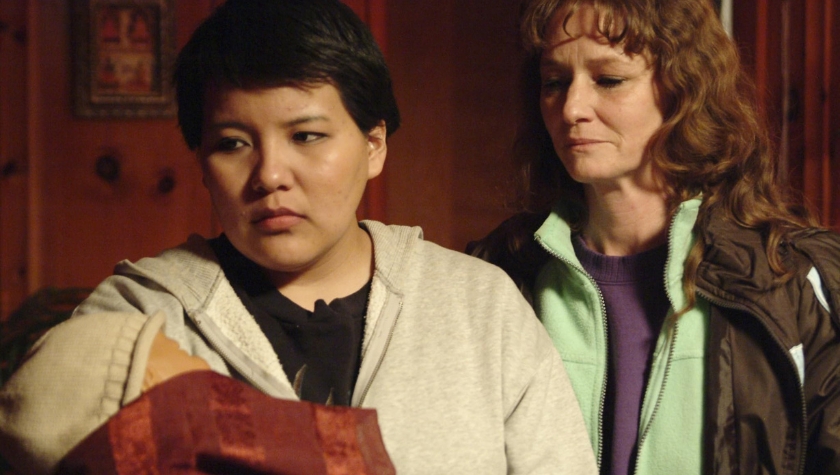
Hunt was forty-four years old when her first produced feature script Frozen River (2008) debuted, with her at the helm directing.
David Seidler
Seidler co-wrote his first credited produced feature, Francis Ford Coppola’s Tucker: The Man and His Dream, when he was forty-one years old. He then floundered somewhat before winning an Oscar for his original screenplay The King’s Speech (2010) when he was seventy-four years old.

Taylor Sheridan
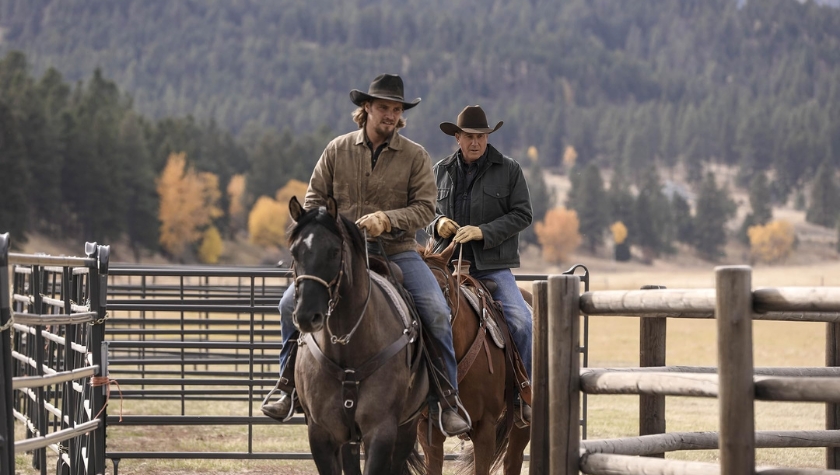
Sheridan was a struggling actor for decades, trying to make ends meet, when he decided to write a feature script at forty years old. That script, Sicario, was produced in 2015, which led to the even more acclaimed movies Hell or High Water (2016) and Wind River (2017), the latter of which he also directed. He would then go on to create the Yellowstone TV series and its many uber-successful spin-offs. He is now one of the most successful screenwriters in movie and television history, all of which started after he turned forty.
For every high-profile success story after the age of forty are hundreds of other lesser-known stories from working pro screenwriters that finally saw success later in life.
Why You Appreciate Success Even More When You Find It Later in Life
Look, success is success. It doesn’t matter if you’re in your twenties or in your fifties. When it comes, it’s sweet and fulfilling.
But, when you see any type of success come later in life, it’s different. You appreciate it more because you remember the struggles, the failures, the rejection, the prospects that went nowhere, the near misses, the almosts, and everything else.
Did you miss your window? No. It’s just time to look for the next open windows that come along. Thankfully, you’re more experienced, resilient, and patient enough to notice them when they do.