
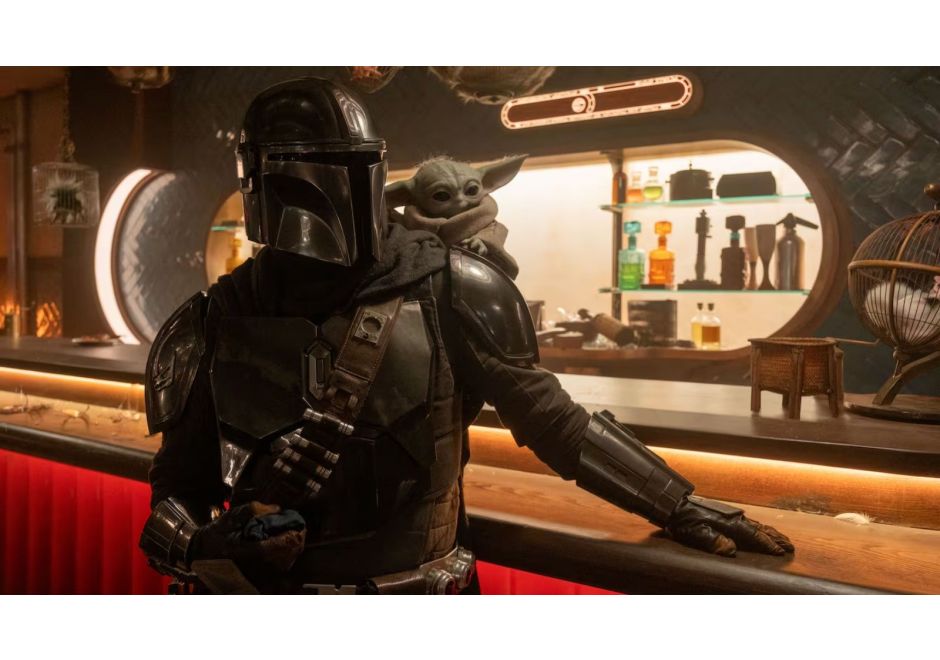
The Mandalorian Din Djarin (Pedro Pascal) is no different than the samurai or stereotypical cowboy roaming from town to town, getting paid to do the dangerous jobs that folks would prefer to outsource. When The Mandalorian first premiered on Disney+, its biggest moment was the reveal of “Baby Yoda,” a young Grogu who ends up under the protection of the masked Mandalorian.
The wandering loner and the child who upends their status quo is hardly a new type of storytelling. In fact, the “lone wolf and cub” dynamic is one of the oldest narrative engines in fiction, which creates instant emotional tension.
- The lone wolf: a hardened warrior/protector who wants isolation
- The cub: a vulnerable child who desperately seeks connection
- The journey: a dangerous voyage that slowly transforms them both
What makes the trope so durable is its flexibility. It works in samurai stories, westerns, crime films, post-apocalyptic dramas, and space westerns. The Mandalorian and Grogu film expands on the established lone-wolf-and-cub relationship as the Mandalorian embarks on his most dangerous journey yet – to find where the malicious Hutt twins reside and capture the elusive crime lord, Janu (Jonny Coyne).
The Samurai Movie and the Western – the Original Lone Wolf and Cub Stories in Early Cinema
The “lone wolf and cub” structure became especially influential because samurai films and westerns were already built around similar archetypes: the often-brooding gunslinger or strong, silent drifter.
In Japanese cinema, wandering ronin were often portrayed as isolated warriors living by personal codes of honor while protecting vulnerable people caught in violent systems. Look no further than director Akira Kurosawa’s films Yojimbo and Seven Samurai about drifters who protect those who can’t protect themselves as early examples.
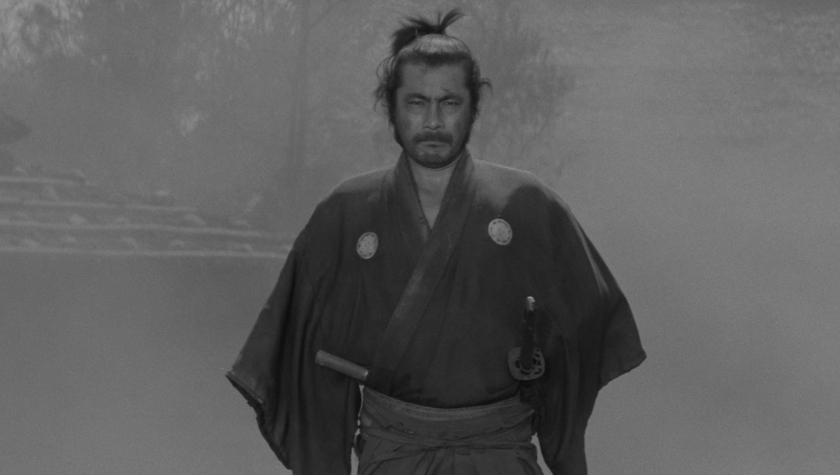
American westerns adapted many of those same ideas, with the cowboy becoming the equivalent of the ronin. They were emotionally distant, dangerous, and usually outcasts. Westerns like True Grit had the lone, drunken cowboy hired by a young girl to track down the man who killed her father.
The Mandalorian and Grogu isn’t just a sci-fi adventure; it follows the same lineage of a samurai story or western, built around a warrior whose emotional arc depends entirely on the child they’re protecting or helping.
Modern Films that Reflect the Lone Wolf and Cub Dynamic
In the age of big blockbuster heroes, there were plenty of lone wolf stories.
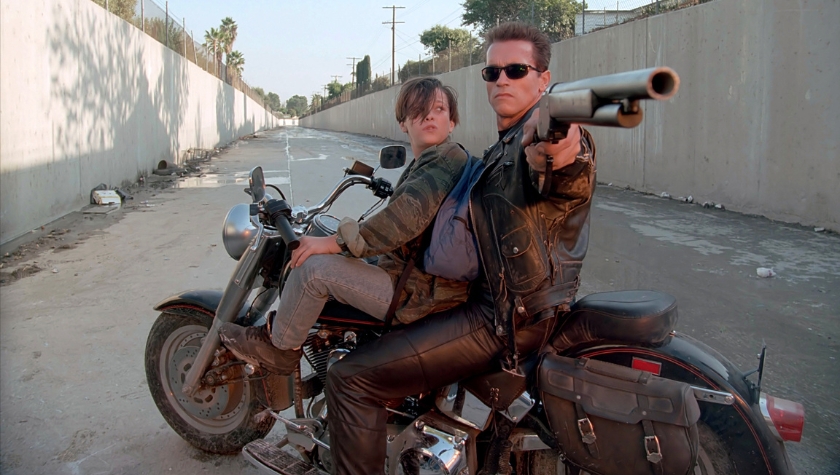
Arnold Schwarzenegger played the lone wolf many times, including Terminator 2: Judgment Day, when he was a cybernetic organism protecting John Connor (Edward Furlong), or The Last Action Hero, when he was a cinematic hero who finds himself in the real world and has to take care of the kid who brought him there.
Other lone wolf and the cub films include:
- Road to Perdition
- The Equalizer
- Logan
- The Road
- Jurassic Park (a reluctant hero protects two kids against dinosaurs)
- Man on Fire
- The Wild Robot (an unemotional robot must take care of an orphaned gosling)
And then there is the HBO series The Last of Us, with Pascal as the lead, helping to guide a young girl through a post-apocalyptic world.
How ‘The Mandalorian and Grogu’ Use this Dynamic
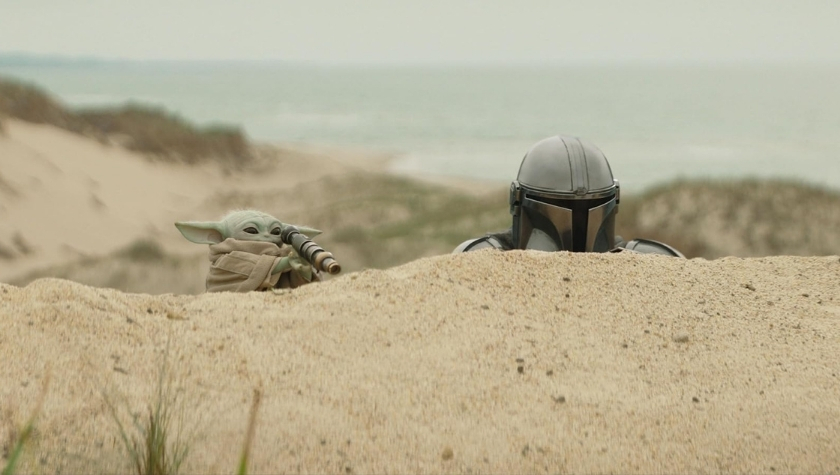
What makes The Mandalorian and Grogu such an interesting evolution of the “lone wolf and cub” formula is that it’s an already established relationship that jumped from the streaming service to the big screen. Grogu isn’t a new cub in the Mandalorian’s life, but it is someone who continues to need protecting. Grogu is always on the missions with the Mandalorian regardless of the danger.
The Mandalorian remains emotionally guarded, highly capable, and defined by a rigid code; this is even shown in the case in his first confrontation with the Hutt twins. Grogu still needs to be watched over, but, like many cubs in their evolution, he becomes more than a helpless companion who slows the hero down; they actually start proving their capabilities and growing along the way.
Just like in many of the lone wolf and cub stories that came before it, the cub must step up to become useful and not a burden to the hero. On top of that, the lone wolf rediscovers his humanity through responsibility, sacrifice, and emotional attachment.
The Lone Wolf and Cub Tropes Used in ‘The Mandalorian and Grogu’
The most obvious trope in the movie and the TV series is the reluctant protector. The Mandalorian is the perfect embodiment of the hardened character forced into caring for someone vulnerable. That instantly creates conflict because the protagonist has his way of doing things; a method to their survival, and now he is emotionally responsible for a “cub” he doesn’t know anything about.
Another important trope surrounds the idea of finding a family amid violence and isolation. Think about the Guardians of the Galaxy: a group of lone wolves who are basically each other’s cubs. This gives stoic characters vulnerability without weakening them. For the Mandalorian, he is still highly capable, but his weakness is being responsible for someone other than himself.
Finally, the cub often serves as a moral compass, as in News of the World, Uncle Buck, and Stranger Things. The child often represents innocence, empathy, or hope, forcing the protagonist to reconsider their worldview, such as Jim Hopper (David Harbour) and Eleven (Millie Bobby Brown) in Stranger Things. In many stories, the protector isn’t saving the child nearly as much as the child is saving the protector emotionally.
Why Stories About Protectors and Children Continue to Work
For centuries, this story has resonated with its audience. It’s been great for the entertainment industry because the lone wolf is a character type that consistently draws top actors, introduces young talent to the masses, and offers an emotional tale wrapped in large-scale storytelling.
These stories draw a connection to the audience because they offer relatable themes:
- Emotional redemption
- Surrogate parenthood
- Masculinity softened through responsibility
- Vulnerability inside the action genre
Audiences tend to remember the emotional bonds created between the lone wolf and the cub, whether it’s Indiana Jones and Short Round, the Mandalorian and Grogu, or Arnold Schwarzenegger and a classroom full of kindergartners. Whether it’s science fiction, drama, or comedy, the Lone Wolf and Cub archetype will undoubtedly remain a perennial in modern-day storytelling.