
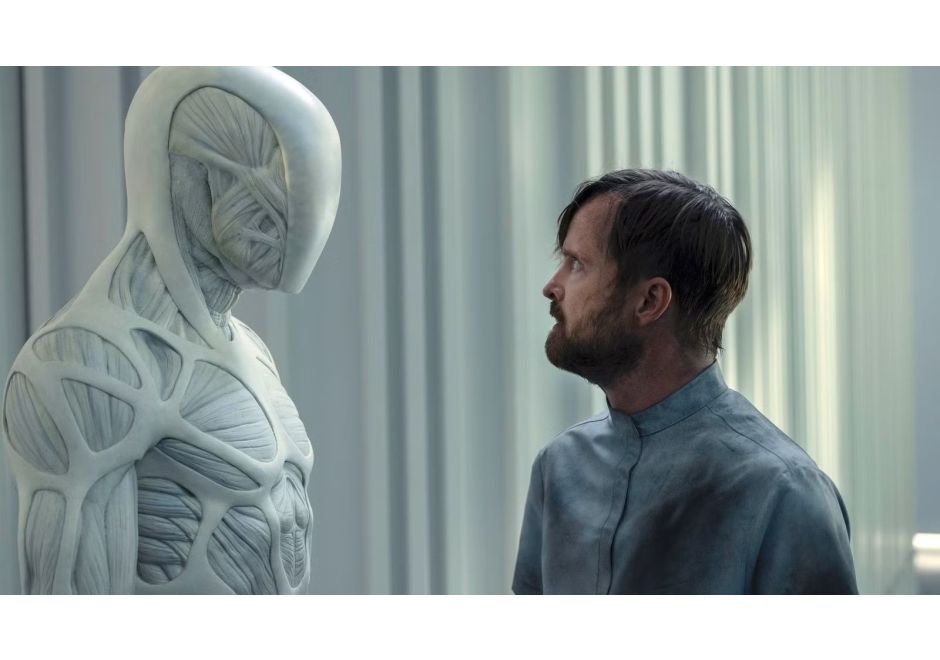
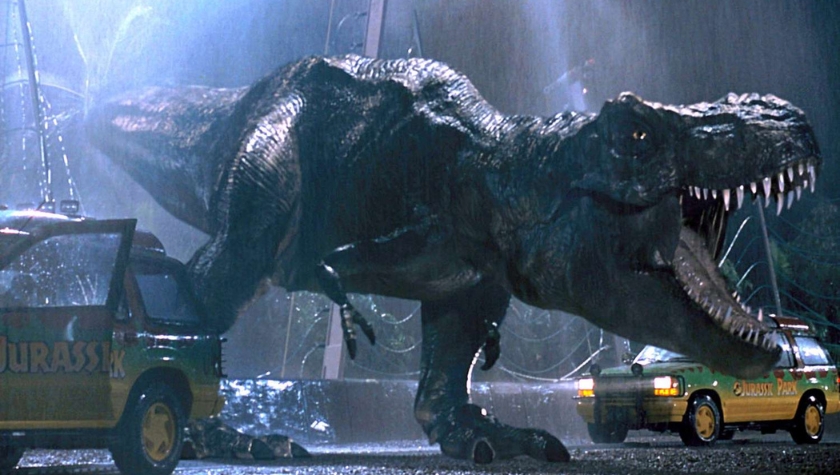
Michael Crichton has a thing about theme parks that go wrong. His most popular novel-turned-movie, Jurassic Park, became a juggernaut franchise, but Crichton’s prolific work far preceded this 1993 dinosaur classic.
In 1973, Crichton wrote and directed a science fiction film titled Westworld about a malfunctioning theme park. The movie told the story of a couple visiting an amusement park designed for tourists to live out their Wild West fantasies via lifelike robots, including getting into gunfights. When a computer breakdown occurs, their fantasy turns into a nightmare when the robots start hunting them.
In 2016, Crichton’s IP was adapted into an award-winning HBO TV series that ran 36 episodes over 4 seasons. The show was co-created by Jonathon Nolan and Lisa Joy and maintained the Wild West origins of the original source material while delving deeper into the future of robotics and artificial intelligence.
Now, a new Westworld is poised to make its return to theaters. David Koepp, who originally wrote the Jurassic Park screenplay and has been a prolific screenwriter for over 30 years with such credits as Stir of Echoes, Panic Room, War of the Worlds, and Mission: Impossible, is taking up the challenge of writing and directing the latest iteration of Westworld. Although not much has been revealed about the plot, we know from this Deadline article that Koepp plans to keep his story closer to the original film than to the TV series.
What You Need to Know About Westworld
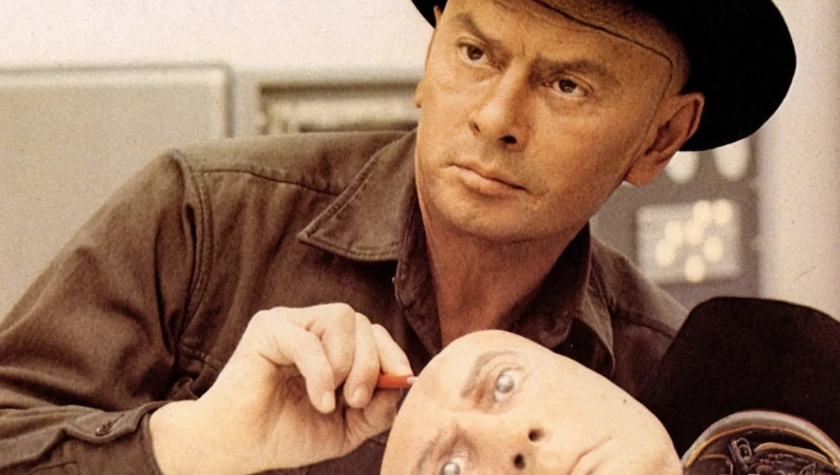
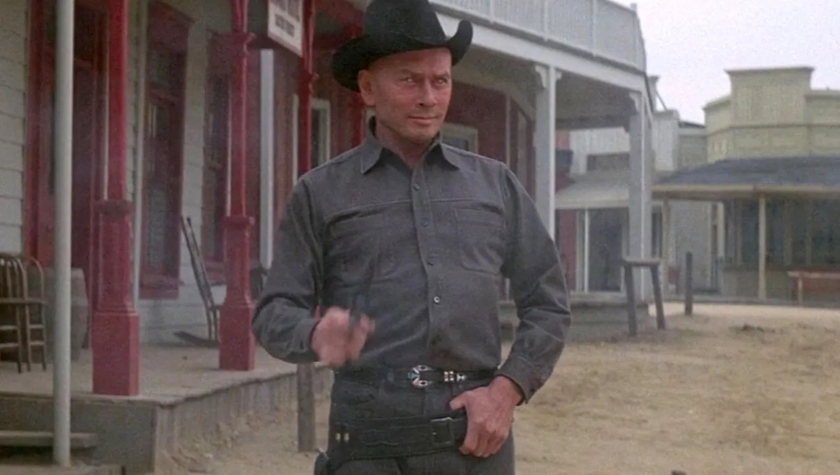
The main villain in Westworld (1973) was a black-clad Gunslinger, who was played by Yul Brynner as a version of his character from The Magnificent Seven.
The recent TV show expanded the premise into a complex look into the androids’ artificial consciousness, memory, and free will. Its central question was, if we create beings with the ability to think and feel, what responsibilities are they owed?
In 2001: A Space Odyssey, which came out in 1968, an AI machine takes control of a ship in a somewhat vengeful act when it discovers the astronaut intends to shut it down. It was arguably the beginning of science fiction and artificial intelligence finding its place in the cinematic world. For Westworld, both the 1973 movie and the 2016 TV show explored how robots might impact the future and the roles they may play in our lives from an entertainment standpoint.
In 1973, robotics was being introduced into factories more widely, and the fear of job losses was real. In 2016, the themes were centered around what it means for a non-living entity to have a conscience. Even though the series came 15 years after Steven Spielberg’s A.I. Artificial Intelligence, the idea of robots not intent on killing humans (at first) was becoming more of a reality.
Just 10 years later, though, 2026 is looking like a minefield of AI unknowns. Not knowing what artificial intelligence means for the near future and its impact on society and personal entertainment makes now the perfect time to update the 50+-year-old film.
Westworld (1973)
Westworld is about humanity’s belief that technology can be perfectly controlled, until it can’t. Other movies have expanded on this theme, such as 2001: A Space Odyssey, WarGames, The Matrix, A.I. Artificial Intelligence, iRobot, Terminator and, of course, Jurassic Park.
In Westworld, the robots are designed to look and behave like people, but they are treated as disposable props in an expensive fantasy playground. Guests shoot them and abuse them without consequence. That dynamic gives the film an unsettling edge and a glimpse into how people act when playing video games, shooting people indiscriminately, beating people up for fun, etc. The difference being that video game violence won’t lead to real-world consequences. That changes with androids that can adapt to new data and be pushed beyond the limits of their programming.
Yul Brynner’s Gunslinger character in Westworld is programmed to lose every duel. When a system-wide malfunction spreads like an infection, the robots begin acting according to their core functions but without the safeguards that keep humans safe. The Gunslinger continues doing exactly what he was built to do – hunt and kill. And, like the infamous Terminator, there’s nothing that can stop him.
Westworld turns a technological glitch into a profound science-fiction theme about artificial intelligence and human arrogance, showing that the machine isn’t inherently evil; it’s a program doing as it's designed.
Westworld (2016)
With hours to play with on HBO, the TV series Westworld transformed what the 1973 film was, expanding the universe and developing a deeper philosophical debate about consciousness, memory, and free will. It was no longer just a glitch that causes havoc but asks what happens when the artificial beings start to learn and adapt and, in this case, begin to understand that their lives are scripted and their suffering is real.
When one of the main artificial characters begins to realize what her repeated trauma means, it becomes the catalyst for self-awareness. On top of that, other artificial characters learn to manipulate code and alter the game's dynamics. The “hosts,” as they’re called, aren’t malfunctioning. They’re evolving. How do you beat something that has access to everything?
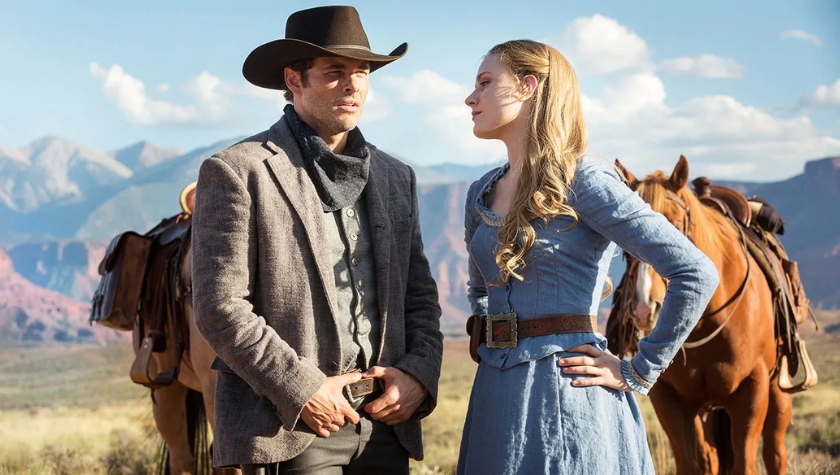
David Koepp's Westworld
Westworld will be new for most of its audience, but its central themes will ring truer than ever. With someone as brilliant at big action storytelling as Koepp, the newest adaptation of the original film will likely touch on the audience’s fears of AI taking over and what it means when an artificial being becomes self-aware and develops a conscience.
Movies and TV have used science fiction as a warning about mankind’s desire to play God. Michael Crichton and David Koepp are masters at delivering this message in compelling, understandable, and entertaining ways. The stories always begin as a fantasy of total control that inevitably becomes a story about losing it, then how to survive the aftermath. That idea has only grown more powerful as AI moves from science fiction into everyday life. Koepp will no doubt once again address the question: What happens when our creations stop following the script and begin to improvise, and what does that mean for our future?