
You've read your script, and most of it seems to be working. On the surface, at least. Every plot beat lands where it's supposed to, many of the scenes read like a movie, but for some reason, your hero isn't popping off the page. They might even be a little boring. You can't quite express what's missing, so you register it under "flat protagonist" and just keep writing. You can fix it in the rewrite.
However, you'll discover this isn't such an easy fix. Something bigger is wrong here, and it's being reflected in your flat or stock protagonist.
This is because you've only been thinking in terms of a situation. You've reduced your story to a mechanical equation: your hero has to deal with X, so they can Y. It's all external conflict with no inner conflict.
This is why, before writing a script, you should ask yourself:
'What's my hero's problem?'
Situation vs. Problem
A situation is something that happens to a character. It's external, plot-driven, and resolvable through action: a job goes wrong, a city needs saving. A problem is something the character carries into every situation they encounter. It's internal: a deficiency, wound, or blind spot. Your hero might not even be aware of it, because they've spent their life avoiding it.
The situation gives your character something to do.
The problem gives them something to become.
Beginner screenwriters often load up on the first and neglect the second. The result reads like any character could walk into the story and produce the same outcome. That protagonist is a plot device with a name.
Piling on more situations simply gives a flat character more places to remain flat. One well-defined problem, worked in correctly, generates more genuine drama and story momentum than five unrelated situations ever could. Your hero's problem is ultimately their biggest obstacle, and finally dealing with it is what helps them overcome the situation they're in. This is what is referred to as a "character arc," and it's the heart of any cinematic story.
And the more relatable the problem, the more relatable your hero will be.
Super Heroes with Real Problems
Superhero comics and films offer the clearest lesson in how to layer a real problem onto an otherwise heroic character, because it's a genre built almost entirely on situations: cities need saving, villains need stopping. The stakes reset every installment, which should, in theory, make the heroes interchangeable. They aren't. The ones audiences keep coming back to are the ones with real and specific problems.
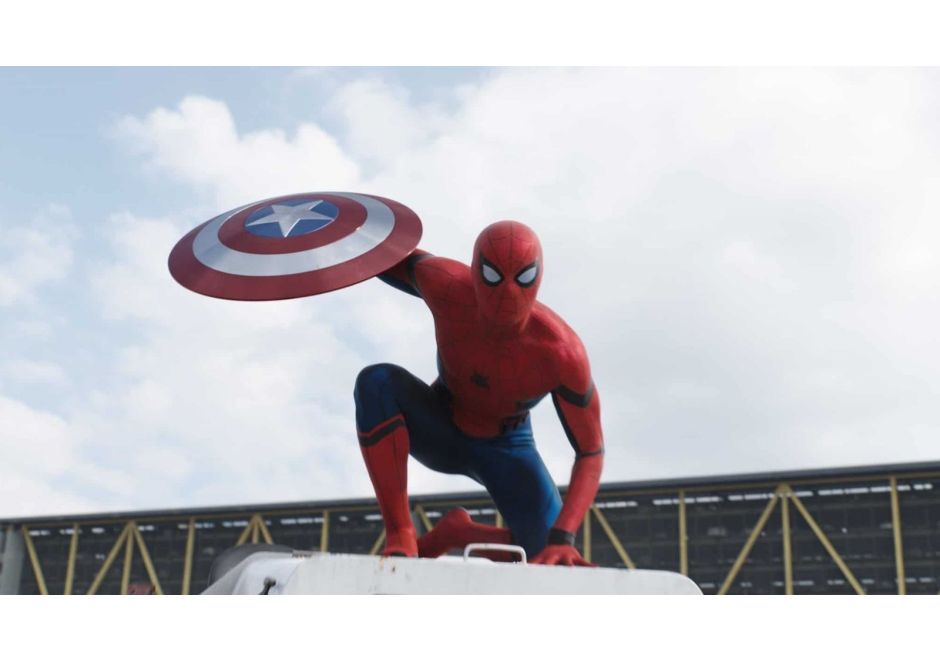
Spider-Man, arguably the most popular superhero, has numerous problems. Many of these are situational: struggling to pay the rent and help his Aunt May; a villain discovers his true identity; etc. However, Peter Parker's deepest and most defining problem is his guilt and sense of responsibility. Failing to stop the man who killed his uncle, despite his superpowers, is the source of this.
Regardless of the character's incarnations, "With great power comes great responsibility" is more than a mantra; it's Peter's primary problem. Whenever he comes close to allowing himself the ordinary life he desires, this inner conflict surfaces due to a sudden threat or crisis. So when Peter inevitably embraces being Spider-Man and faces the villain, it's his way of solving his primary problem.
Like most superhero narratives, Batman's situations are external by design, a rotating cast of costumed criminals threatening Gotham. His problem predates all of them. As a boy, Bruce Wayne watched his parents die in an alley, and this is why he became Batman. His crusade as an adult acts as a structure that lets him manage grief without facing it. Every worthwhile Batman story forces Bruce to cope with his childhood tragedy, even if it's never fully resolved.
Tony Stark is another wealthy man with a crime-fighting alter ego, but with a different problem. He's an egotist who needs to be humbled, and the situations Iron Man gets into — terrorists, alien invasions, rival industrialists — eventually bring this to light. His engineering solves nearly anything the plot invents. The one requirement his arc keeps circling around is humility, and no gadget can manufacture this for him. His best stories track that shift, from a man who builds a suit to protect himself to a man capable of self-sacrifice. Solving his problem, Tony becomes a true hero.
More Genres, More Problems
From New Hollywood to present-day films and series, audiences have become accustomed to anti-heroes. We no longer expect a perfect, admirable lead; we expect someone carrying baggage into the story. That expectation holds across all genres: action, drama, sci-fi, etc. The protagonists that make the most impact are usually complicated and have an unresolved issue or two.
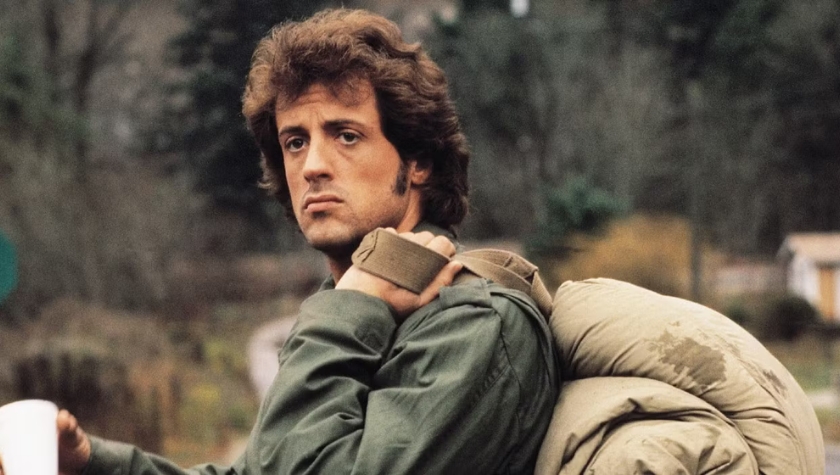
John Rambo, introduced in 1982's First Blood, is one of the best examples of a hero with a problem. Rambo, a discharged Green Beret and Vietnam veteran, arrives in Washington, looking for the last surviving member of his unit, and learns his friend has died from Agent Orange exposure. Grieving and adrift, he wanders into a nearby small town. The Sheriff tries to run Rambo out for vagrancy, then arrests him when he turns back. Depending on the character, this could result in one night in jail, but because it's Rambo — or more precisely, because of Rambo's PTSD — this situation escalates into a citywide siege and replay of the Vietnam War.
First Blood's entire plot is the result of a character with a problem. When deputies restrain Rambo for a dry shave, his mind flashes straight to the torture he survived as a prisoner of war, and he responds accordingly, with lethal, trained precision. Every choice that follows, disappearing into the mountains, booby-trapping the men hunting him, refusing every offer to surrender, comes from a soldier who has concluded that the people chasing him are just the latest version of a system that used him up and threw him away. The situation exists because of the problem beneath it.
This comes to the surface in the film's climax. Colonel Trautman corners Rambo inside the sheriff's station. Rambo breaks down completely: he emotes about a friend blown apart beside him and a homecoming where he was spat on and called a baby killer. Everything that came before, the traps, the standoff, the manhunt, was already an expression of that breakdown. The monologue finally puts words to what the situation had been dramatizing the whole time. Strip away Rambo's PTSD and his sense of abandonment, and there isn't even a First Blood story. And we wouldn't have the entire Rambo series: each film wrestling with his problem.
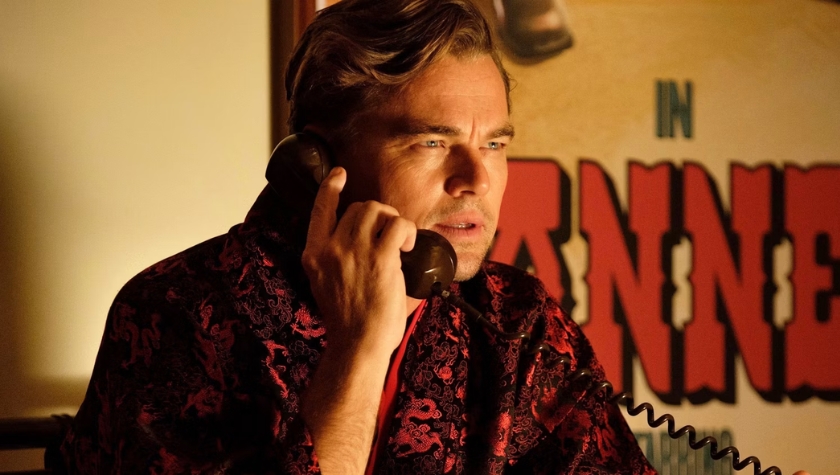
Despite arming himself with a wartime weapon at its climax, Once Upon a Time in Hollywood has a very different kind of protagonist: a spoiled and neurotic actor who plays tough guys in film and television. What's most interesting is that Rick Dalton's arc resolves earlier than the film wants you to notice. His situation opens the movie: a fading star watching New Hollywood pass him by, humiliated by guest-villain roles he once would have turned down. Rick's problem is that he's built his entire sense of self on being a successful leading man, which is why blowing a line during the Lancer shoot triggers a full-blown breakdown in his trailer.
This problem gets resolved by the end of the second act. Rick starts playing the lead in Italian films — a career pivot he initially viewed as failure — and something in him loosens. He comes home from Italy with a wife, Francesca, and a plan to scale down: fewer big swings, a smaller and steadier life instead of the constant Hollywood hustle. By the time the Manson Family shows up at his house, Rick has already done the interior work and is at a better place. What follows is a violent, cinematic situation that rewards him with an invitation into Sharon Tate's orbit. The film is telling us that it's sometimes when we let go of things and get over ourselves that opportunity comes knocking.
Tarantino's own novelization makes the same point more directly. It restructures the story, and the Manson Family confrontation is only mentioned in an early throwaway reference. Instead, the book's final pages focus on a cut scene from the film: a late-night phone call between Rick and his young Lancer co-star Trudi, in which he recognizes, for the first time in years, how fortunate he is to do the work he does. This is where Rick Dalton's story truly ends, and Tarantino — via dual mediums — is underlining this for us. The problem was never the Manson Family; it was Rick's own hangups.
Andy Weir's Project Hail Mary (adapted for the screen by Drew Goddard) is a story with very high stakes: suns are deteriorating throughout the universe, and Earth's population is threatened with extinction. But at its center is a character with a problem. Ryland Grace wakes up alone on a spacecraft with amnesia, and his first instinct is panic. Disoriented and groping for basic facts about why he's there, Grace is a far cry from the calm, competent hero you'd expect to save the earth. The situation demands competence, and eventually he finds it, but he needs help.
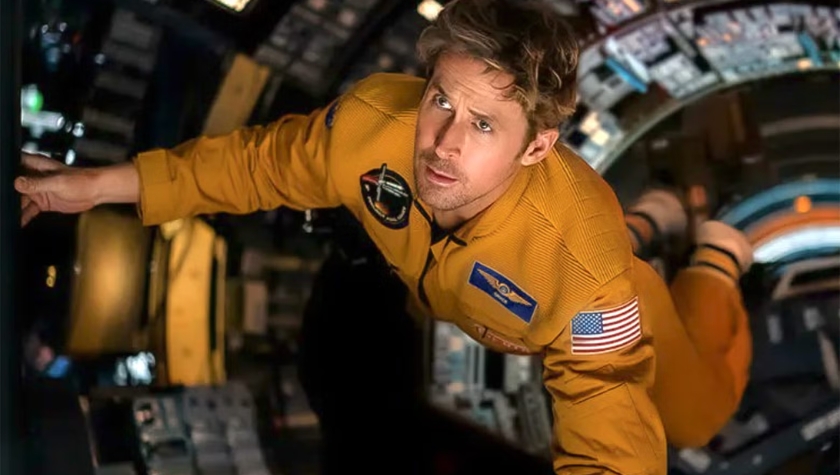
This is the problem that really needs solving. Through flashbacks, it's revealed that Grace sabotaged his academic career and kept people at a distance long before he was ever alone in space, because failure and attachment both terrified him more than obscurity did. His growth comes from an unexpected bond with Rocky: an alien who can't speak his language but ends up drawing out the fraternity and courage he'd spent years avoiding on Earth. Working together, Grace and Rocky are in a better position to save their respective planets: a prime example of how solving a character's problem can simultaneously remedy the situation.
As their friendship deepens, Grace also becomes less frightened and more courageous; this is his greater character arc. Audiences connected with Grace because he's initially flawed: anxious, self-sabotaging, and prone to running from the things that scare him most. Watching him slowly become someone capable of calmness and bravery mirrors our own longing for self-improvement. So when Grace fulfills his heroic role, we see our own potential, which leads to a strong emotional response.
Knowing and Solving Your Hero's Problem
This is why you should always ask:
'What's my hero's problem?'
What do they need to fix about themselves?
Asking questions like this will lead to you creating a fuller and richer protagonist.
Also perform a substitution test: could a competent stranger walk into your plot and produce the same outcome as your protagonist does?
If the answer is yes, you might have a decent plot, but the protagonist is likely flat or a stock character. This will also affect your story and its overall quality. Character and story should be symbiotic: the two running parallel and enhancing each other throughout your script.
The problem you choose should not only work for your character, but also with the plot. Ideally, there should be something ironic about it: is this an issue people usually don't have in your character's position? Does having this problem act as an obstacle? Is it deterring the protagonist from their goal?
Think of Tony Soprano's panic attacks and unresolved issues with his mother, or Maverick's deep-seated guilt over his friend's death in Top Gun: Maverick. They can't achieve their external goals without first overcoming their problem. This is character and story working together.
Your hero's problem should be visible before the plot machinery starts, established in the character's behavior in ordinary, low-stakes moments, well before the situation forces it into the open. When the inciting incident happens, we should be thinking, 'Oh no! How are they going to deal with this?' The conflict: clear and compelling.
Finally, the resolution should happen through a choice your protagonist actively makes after their lowest point, and this decisive act is only possible because your hero has grown in relation to their problem.
A situation asks your character to survive.
A problem asks them to change.