

Story is Escalation
One of the easiest ways for a screenplay to lose momentum is stagnation. A script might have a strong first act and establish high stakes, but then it simply stays there. Scenes repeat the same emotional beats. Conflicts don’t meaningfully evolve. Action grows redundant. Halfway though it’s clear the script isn’t going to the next level.
Professional screenwriters understand a simple truth: story is escalation.
Not just bigger set pieces and obstacles, but a constant increase in pressure. Physical pressure. Emotional pressure. Moral pressure. Each act, each sequence, each turning point should leave your characters in a more complicated, more demanding position than before.
Escalation is what transforms a series of scenes into a narrative engine. Without it, even a compelling premise begins to feel inert. With it, small moments accumulate weight, and large moments feel explosive.
What Escalation Actually Means
Escalation is often misunderstood as “making things bigger.” Tougher villains. Higher body counts. Louder action. A growing spectacle. These things can all be part of it, but escalation is really about changing the nature of the problem, not just increasing its volume.
Early in a screenplay, the protagonist faces obstacles they believe they can manage. They still have emotional distance, moral wiggle room, and the illusion of control. As the story progresses, those obstacles begin colliding with their identity, values, fears, and emotional needs. The protagonist isn’t just trying to win anymore, they’re trying to win without losing something essential.
This is why escalation often feels invisible when it’s working in a screenplay. The reader doesn’t consciously register that the stakes have increased. They feel mounting tension because the story keeps narrowing the protagonist’s options, closing doors behind them.
Escalation is cumulative. Each new complication should limit the protagonist’s choices, increase consequence, and force a harder decision than the one before it. If a beat merely repeats an earlier problem at a higher volume, the story may be moving — but it isn’t escalating.
Creating Escalation on the Page
Escalation doesn’t happen easily. It’s created and nurtured throughout your narrative. It’s a beast you keep feeding from scene to scene.
At a structural level, escalation is about progression. Each major beat should make the situation harder to survive emotionally, morally, or psychologically than the last. If the protagonist can emotionally reset, retreat, or return to a previous state, escalation has stalled.
You should ask yourself at each major turning point of your script: “How is this obstacle or problem harder than what came before?”
By the midpoint of your script, escalation should have reached such a point there’s no going back for your protagonist. Escalation works best when the story burns bridges behind your characters, emotionally or situationally, and there are increasingly less options available to them. The reader senses forward motion because retreat is no longer viable and emotional investment increases.
Escalation doesn’t require constant chaos or constant plot twists. It requires evolving pressure. The story should feel like it’s tightening around the characters even in moments of apparent success. This is what is meant by a “false victory”: the reader is aware of the situation getting worse even if the protagonist doesn’t. Not only does this increase emotional investment, it ratchets up suspense.
The reader stays engaged not because something is happening, but because something is changing.
Escalation Turns Your Concept Into a Story
Escalation gives narrative its shape. It’s why strong second acts don’t feel like filler and climaxes feel inevitable instead of arbitrary.
When a script lacks escalation, scenes become episodic and interchangeable. Your scenes should build on one another, each carrying the weight of what came before. Think of escalation as glue you’re applying, thicker every time, as you add another level to your narrative.
At its core, escalation is the mechanism that turns your concept into a story. Many beginner screenwriters make the mistake of focusing too much on their basic concept, the first act, inciting incident, etc. This is what often leads to second act slumps. In fact, the best way to story test your concept is to outline beforehand and see how much escalation organically derives from it. A substantial concept will lead to substantial escalation throughout your script.
If there’s nowhere else to go by the midpoint, either your pacing is off, you’re not giving your protagonist enough issues or flaws that work against them, or your concept isn’t as strong as you initially thought.
Escalation Applies To Every Genre
When most screenwriters talk about escalation, they default to action, thrillers, or horror: greater threats, deadlier villains, higher body counts, etc. And while those genres showcase escalation in obvious, physical ways, escalation applies to every genre. It does so because emotional stakes escalate just as powerfully as physical ones.
A drama escalates when a personal conflict leads to a bigger problem or dispute. A comedy escalates when a public embarrassment turns into personal collapse. A romance escalates when honesty threatens stability. Even quiet, character-driven stories rely on escalation, they just express it internally and in a more subtle fashion. Watch any kind of movie and you will see escalation being applied to the narrative, regardless of the method.
Physical escalation may be the most visible version of escalation, but emotional escalation is often the most enduring. Typically, the strongest action, thrillers and horror films have emotional escalation running parallel with physical escalation, the protagonist’s inner conflict cresting to the surface as they face greater obstacles.
The genre breakdowns below illustrate how escalation can sometimes function differently while still obeying the same underlying rules.
Drama: Emotional Escalation Through Exposure
In drama, escalation is rarely about spectacle. It’s about emotional exposure.
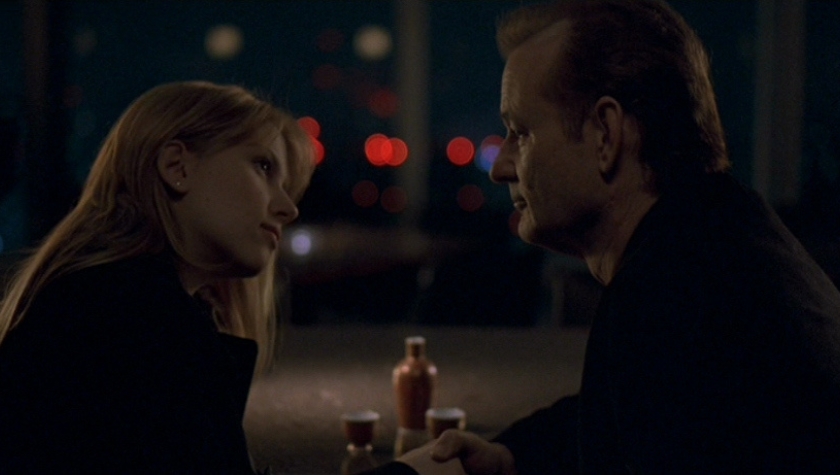
In Lost in Translation, the early conflict is defined by emotional distance. Bob and Charlotte are lonely, disconnected, and adrift, but still insulated by politeness and detachment. Early scenes give hints to their emotional states: shared glances, small talk, quiet companionship.
Escalation begins when the intimacy slowly increases between them. Late-night conversations, shared moments of honesty, and personal recognition deepen their bond while also knowing they can’t fully surrender to their feelings without consequence. The escalation comes from allowing the relationship to become emotionally real.
Similarly, Eddington escalates through emotional repression and release. Early tensions exist between the characters: ideological unease and suppressed resentment being the main divide. As the story progresses, scenes that initially feel observational turn confrontational, forcing characters to articulate beliefs they would’ve kept buried beforehand. Confrontation grows more heated and eventually violent: emotional escalation transforming into physical escalation.
Action and Adventure: Escalation Through Responsibility
Action and adventure films are often the most obvious examples of escalation, but the best screenwriters understand that action without emotional progression becomes noise. The most popular action/adventure films are almost always a perfect balance of character and situation.
Early in Die Hard, escalation is about survival. McClane is isolated, barefoot, improvising. Each encounter costs him physically, reinforcing his vulnerability. The broken glass sequence escalates the story not because it’s painful, but because it removes the illusion that toughness alone will be enough. As the story progresses, escalation shifts from survival to responsibility. Once McClane’s wife becomes a direct target, the conflict becomes personal: failure now carries emotional consequence.
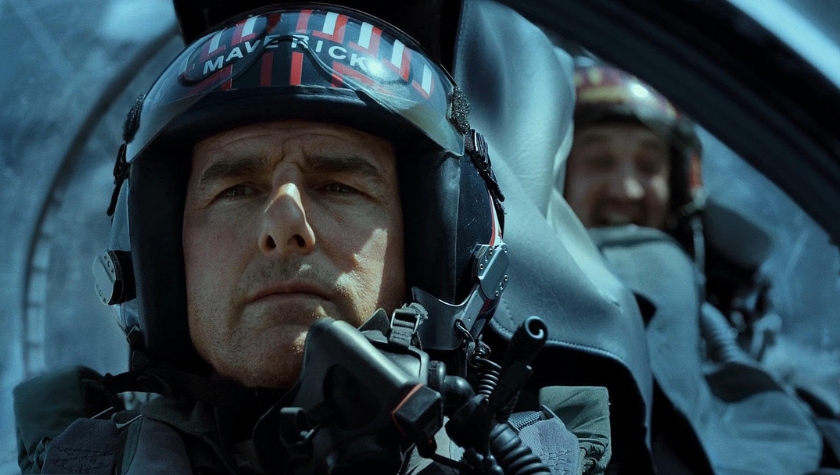
Likewise, Top Gun: Maverick escalates by changing the stakes. Early scenes focus on Maverick proving his relevance. The midpoint reframes the story when the mission becomes about training pilots for near-certain death. By the final act, the question isn’t whether Maverick can succeed, but whether he can accept responsibility for others’ lives, the emotional burden increasing with the action.
Thriller and Horror: Escalation Through Knowledge
Thrillers and horror films thrive on information imbalance.
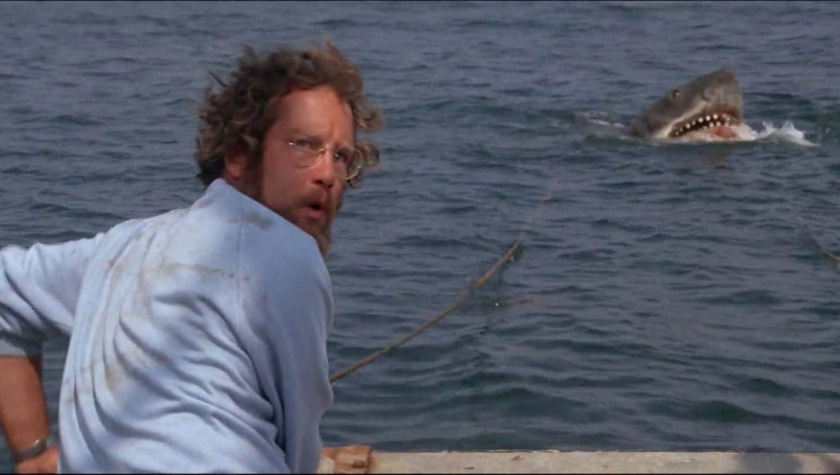
In Jaws, escalation begins with uncertainty. The threat is unseen and deniable. Once revealed, the escalation shifts from mystery to inevitability. Each failed attempt to contain the situation narrows the options, stripping away safety nets until confrontation is unavoidable: Brody will have to go out to sea to face the shark.
Similarly, Smile escalates through the protagonist’s knowledge of the curse. Early scenes suggest psychological explanations. However, as Rose Cotter investigates, each discovery confirms the curse’s rules while eliminating hope. Rose has less and less options, until she’s forced into full emotional exposure and confrontation.
In horror, awareness tightens the trap rather than offering escape, until a final revelation offers the protagonist a possible resolution.
Comedy: Escalation Through Consequence
Comedy escalates through consequence.
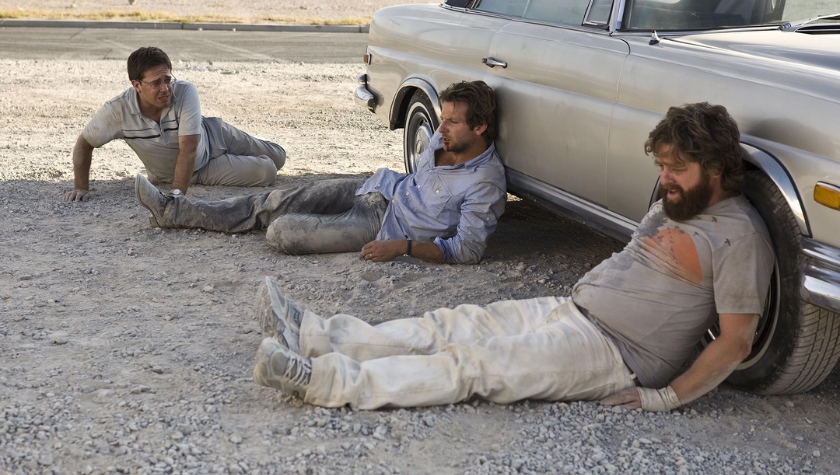
In The Hangover, escalation is built on this and discovery. Everything revealed to “the Wolfpack” — the missing tooth, the baby, the tiger — reframes the previous night as more catastrophic than assumed. The situation continues to escalate through accumulating consequences. Following suit, the Wolfpack have to increase their efforts and put themselves at risk in order to solve the mystery.
In the case of Bridesmaids, the escalation is largely emotional. Early on, Annie and Helen’s rivalry feels manageable. But Annie’s emotional state becomes increasingly unstable. Her bridal shower speech and airplane meltdown escalate embarrassment into an emotional collapse, forcing Annie to confront her own self-sabotage and, in doing so, plant the seeds for her redemption.
Often in comedy, the protagonist creates an escalating situation they can’t get out of, that is until they finally recognize their own role in the problem.
Escalation Keeps Your Screenplay Alive
Regardless of genre, escalation is what keeps your screenplay alive. It’s what prevents repetition, sustains tension, and gives your story forward momentum. Whether through emotional exposure, mounting responsibility, collapsing safety, or accumulating consequence, escalation ensures that each act demands more than the last.
Different genres escalate differently, but the principles never change: pressure increases, options narrow, and choices carry greater cost.
If your script stalls in the second act, it’s likely due to a lack of escalation. Always be asking more from your characters: higher stakes and deeper investment. What happens to them in every scene should be changing them and pushing them towards an inevitable conclusion.
Always be escalating.
Always be escalating.