
What's the difference between a protagonist and a main character?
Are the protagonist and the main character in your story the same person?
More often than not, they are. But that doesn’t mean there aren’t exceptions to this. In fact, some of the most beloved films have a protagonist and a main character as two separate characters. Understanding the distinction can sharpen the story as you write your screenplay by clarifying whose journey your story is really about.
What is a Protagonist?
The protagonist is the character who drives the story’s central conflict. The whole story exists because of what the protagonist wants and the actions they take to pursue that desire. They are the hero or antihero of the script you’re writing, but not necessarily the main character.
The protagonist is the one the audience should root for whether they’re good, bad, heroic or even likeable. Remember, the protagonist isn’t defined by morality, but rather they are the main driver of the story.
What Makes a Character the Protagonist?
- They pursue a clear goal or desire
- They face opposition, such as an antagonist, obstacle or internal conflict
- Their choices move the plot forward
- They must be empathetic
Types of Protagonists
- The hero may have weaknesses and failings but their morality is rarely in question. Think Peter Parker, Maverick (Tom Cruise) from Top Gun, Wonder Woman and Sonic the Hedgehog.
- The anti-hero is not like your conventional hero. They are often morally ambiguous and may lie, cheat, steal or kill. Regardless, the audience still wants to go along for the ride. Think Harry Callahan (Clint Eastwood) from Dirty Harry, Gru (Steve Carell) from Despicable Me and Henry Hill (Ray Liotta) in Goodfellas.
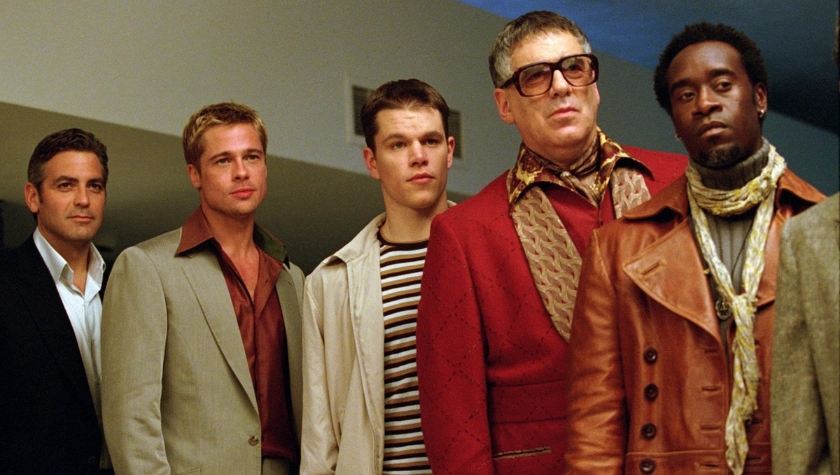
- Collective protagonists are a group sharing the central role. Think Scooby Doo and the Gang or Ocean’s 11 (although Daniel Ocean could be considered the actual protagonist as well).
Protagonist Examples
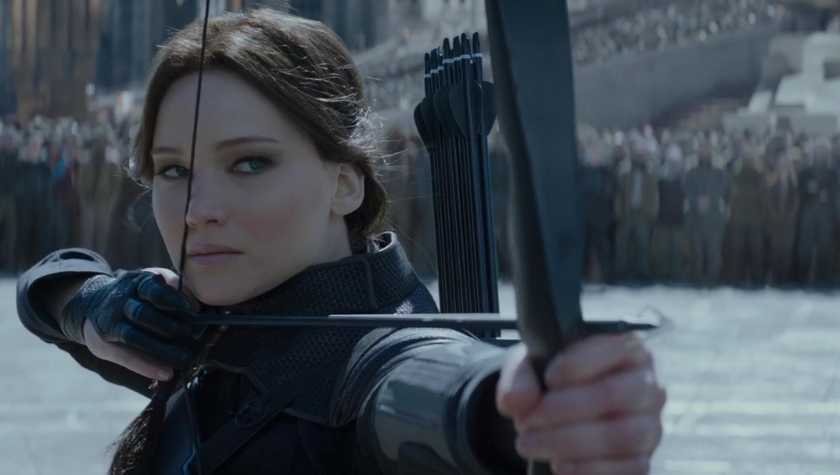
- Katniss Everdeen (Jennifer Lawrence) in The Hunger Games is the protagonist as she is the one driving the story and must face several obstacles. The antagonist is the social structure that put her there.
- Logan/Wolverine (Hugh Jackman) in Logan is an anti-hero who constantly battles darker, internal instincts.
- Daniel Plainview (Daniel Day-Lewis) in There Will Be Blood is also a protagonist who is an anti-hero. The story hinges on his decisions which are driven by greed and power.
- Barbie (Margot Robbie) in Barbie is the protagonist as the story follows her on her journey of self-discovery.
- Ethan Hunt (Tom Cruise) in Mission: Impossible is a hero whose morality is never questioned. He is faithful to his crew and makes plenty of decisions that move the story.
What is a Main Character?
A main character is best understood not as the hero of the story, or even who the story is about, but as the character through whom the audience primarily experiences it. The main character is defined by narrative focus and perspective. In other words, the main character is about perspective, not someone who moves the plot.
In some movies, there are multiple main characters, such as ensemble pieces. It’s hard to pin down the protagonist in a movie like Magnolia or The Avengers but there are several main characters. Oftentimes, main characters aren’t the hero of the story and many may not even have a major arc.
Main Character Examples Who Aren’t Protagonists
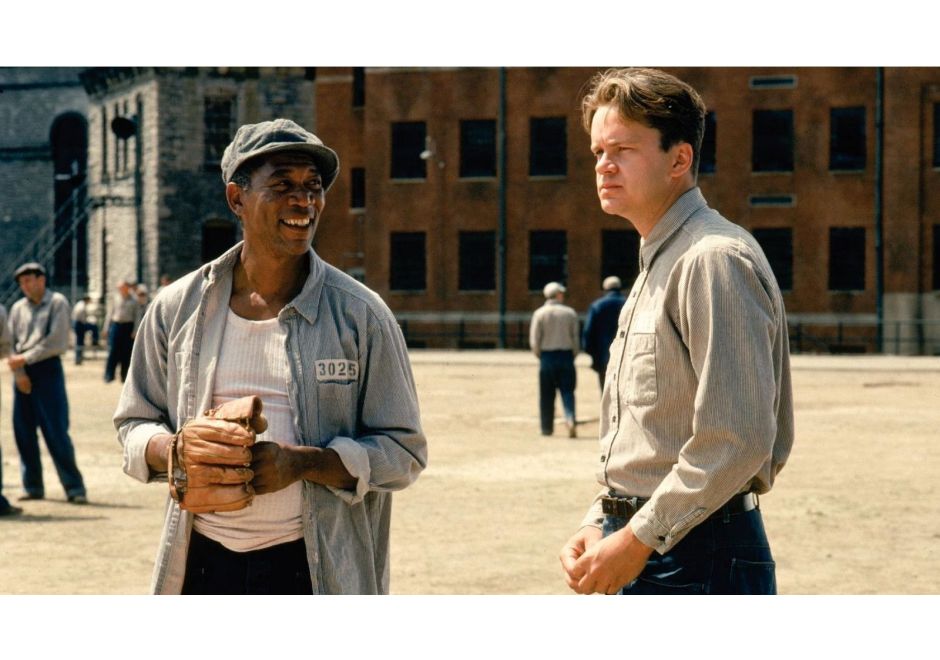
- Red (Morgan Freeman) in The Shawshank Redemption is the main character, but not the protagonist. He narrates the story and we follow Andy (Tim Robbins), the protagonist, through his eyes.
- Atticus Finch (Gregory Peck) in To Kill a Mockingbird is the main character of the film but Scout (Mary Badham) is actually the protagonist. She is the one whose point of view the audience sees the story.
- Jack (Leonardo DiCaprio) in Titanic might seem like a protagonist, but that’s actually Rose (Kate Winslet). She is the one facing societal expectations as an antagonist.
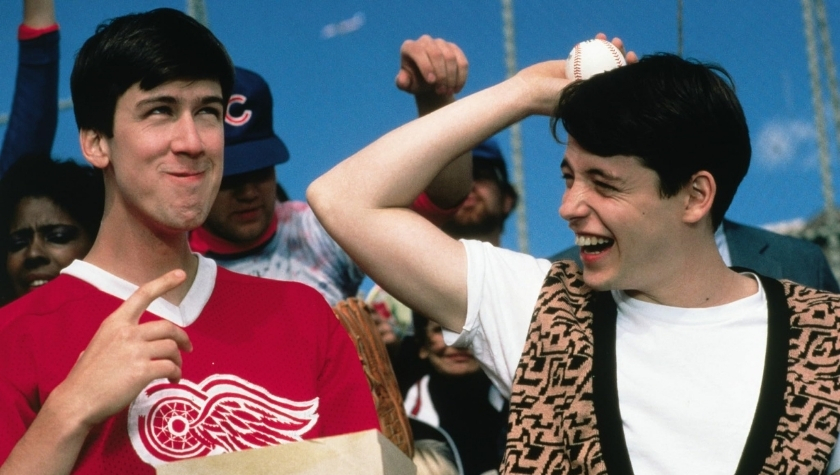
- Ferris Bueller (Matthew Broderick) in Ferris Bueller’s Day Off is not a protagonist. He gets the name on the title but Cameron (Alan Ruck) is the protagonist. Ferris is the main character and the narrator of Cameron’s story.
Protagonist vs. Main Character: What Writers Need to Know
As you can see from the above examples, ‘protagonist’ and ‘main character’ have many similarities and it’s easy to use interchangeably, but that’s not always the case. In storytelling, it can describe two related yet distinct roles.
The protagonist is the character who drives the story’s central conflict. This is the figure whose goals, choices and actions propel the plot forward and who is most directly opposed by the antagonist or opposing force. Cameron in Ferris Bueller’s Day Off makes choices: he could stay in bed, but doesn’t. He could stand up to Ferris, but doesn’t. He could stand up to his father, and does!
The main character, by contrast, is the character through whose perspective the audience primarily experiences the story, i.e. Ferris Bueller. This character may serve as the emotional anchor, narrator or viewpoint figure, even if they are not the one driving the central conflict. Ferris is not only the main character, but he is also the antagonist!
More often than not, the main character and the protagonist are the same person. Harry Potter, Barbie and Katniss Everdeen are all prime examples because they experience the story and drive its core struggle.
When trying to figure out your character, the key question is not “Who is on screen the most?” but “Whose problem is this story really about?” Identifying the protagonist clarifies the narrative spine: the goal, the stakes and the conflict, while the main character determines how the audience will connect emotionally and interpret events.
When you’re starting to write your screenplay and you’re creating characters, decide who owns the central goal and conflict. Whoever that is, that’s your protagonist.
Then decide whose eyes we should see the story through. If it’s the protagonist, then great! If not, then make sure you have that character as the perspective for which the story is told and avoid putting them in protagonist status.
Think of a protagonist and main character as follows:
- Protagonist = narrative driver
- Main character = audience perspective
Understanding the difference between a protagonist and a main character isn’t about winning a terminology debate (you’ll start a fierce one on the Ferris vs Cameron and Jack vs Rose examples), it’s about telling clearer, more intentional stories.
By separating who drives the story from who guides the audience through it, you’ll have better control over both the plot and the emotional arc. Whether your protagonist and main character are the same person or two distinct roles, being deliberate about that choice helps you focus on character arcs, conflicts and the journey.