
If you’re writing a screenplay, you’ve probably heard the terms protagonist and antagonist. They’re often described as the hero and the villain of the story, and you may have been told that the best versions of these characters are complex. That idea, however, isn’t entirely accurate.
In this blog, we’ll break down what protagonists and antagonists really are, and what they aren’t. We’ll also:
- Provide examples of how protagonists/antagonists might be used
- How they interact with one another
- How to create compelling characters when you’re starting to write your screenplay
Let’s get started.
What is a Protagonist?
A protagonist is the central point-of-view character in the movie or TV series. They are the hero, antihero or leader of the piece you’re creating (TV show, movie, book, play, etc.). And while everyone is the hero of their own story, the protagonist is the hero of the story being told. A good protagonist makes the audience feel empathy and, through their experience, they’ll live vicariously. The protagonist is who the audience should root for, in spite of whether they’re good or bad.
Remember, protagonist doesn’t mean “good guy.” They are the “major player, hero(ine), or primary actor” in your story.
The Hero
While the hero may have weaknesses and failings, they’re morality is rarely in question. Think of characters like Indiana Jones, Barbie, Ethan Hunt in Mission: Impossible and Moana, or superheroes like Superman or Captain America.
Conventional heroes have the attributes of being good people whose actions are usually for the betterment of themselves, the people around them or society as a whole. The hero might start out bad, but the story will end with their arc turning them toward good.

Anti-Hero, or the Bad Good Guy
Anti-heroes lack the conventional heroic attributes. Tony Soprano in The Sopranos and Walter White in Breaking Bad are famous for their anti-hero status because they kill, lie, cheat and steal, and the audience roots for them! While anti-heroes don’t always embody those specific traits, they are generally morally ambiguous. Other notable anti-heroes include:
- Harry Callahan in Dirty Harry
- Arthur Fleck in The Joker
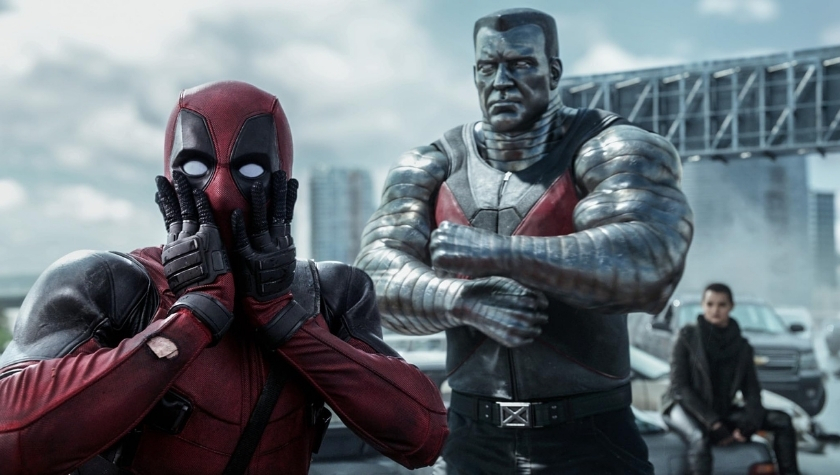
- Wade Wilson in Deadpool
- The Grinch
Anti-heroes aren’t unlikeable, they just aren’t created like the conventional hero. Their arc doesn’t always mean they’ll remain bad or become good, they’re just morally questionable. Think of Arthur Fleck (Joaquin Phoenix) in The Joker. He’s always morally ambiguous, from beginning to end.
A story is told through the point-of-view of the protagonist and whose choices guide its direction - they are the leader of the story.
What is an Antagonist?
An antagonist is there to get in the way of the protagonist. It could be Lex Luthor to Superman, or even space to the astronauts in Apollo 13. The antagonist will always be in direct conflict with the goals of the protagonist, which doesn’t necessarily mean they (or it) is a villain.
TV shows can vary in how they create antagonists. In procedural shows like Law & Order or High Potential, the antagonist will change every episode as a new criminal will try to stop the police and lawyers from keeping crime off the streets. However, in shows like Breaking Bad, Peacemaker, or Wednesday, a new antagonist will arrive for the season.
Anti-villain
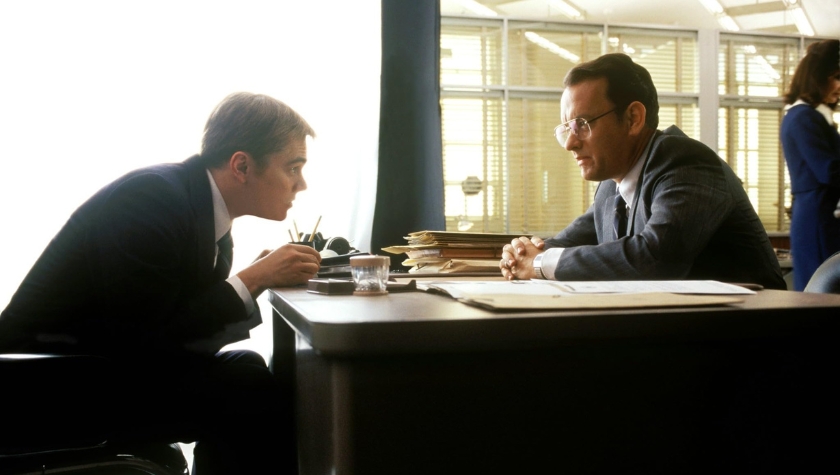
It’s important to remember that an antagonist may not be evil; their job is to cause conflict. These anti-villains may be rivals, friends, nature or a character getting in the protagonist’s way. In movies like The Fugitive and Catch Me if You Can, the antagonists are Deputy Gerard (Tommy Lee Jones) and Carl Hanratty (Tom Hanks) respectively. They aren’t bad guys, but trying to track down the protagonists.
Another example is Robert DeNiro’s character in Meet the Parents, who actively gets in the way of Greg (Ben Stiller) and his desire to charm the family and marry their daughter. He causes conflict, but is not your traditional villain.
Finally, there are times when a protagonist is their own antagonist. Think Ebenezer Scrooge in A Christmas Carol whose own flaws, like greed, isolation and fear of poverty, cause conflict toward his own growth.
The antagonist is the villain or conflict-creator - they always seem to get in the way of the protagonist’s goal whether purposely or through happenstance.
Protagonist vs Antagonist: How Do They Interact?
Movies and TV shows aren’t compelling because there is merely a protagonist and an antagonist, but rather by the relationship between them. Their interactions shape the emotional stakes, the pacing, themes and audience’s empathy.
Interaction doesn’t mean screen time together either. There are examples where the protagonist and antagonist rarely see one another, and sometimes not at all.
In recent movies and television shows, the tension between protagonists and antagonists has grown more nuanced, reflecting not just clear conflict but also psychological complexity and shifting alliances, revealing character and more multifaceted challenges. In Peacemaker, the title character is at odds with his father who creates complex challenges by being a relative as well as a villain.
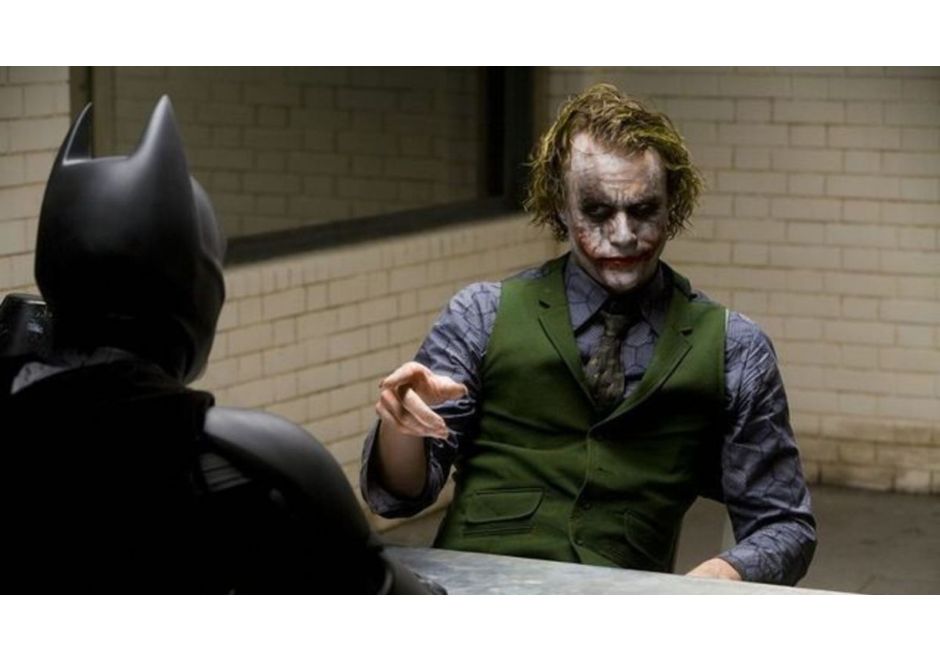
While an antagonist isn’t always a foil to the protagonist, it’s quite common for them to act as mirrors of each other. The Dark Knight is a classic example with Batman (Christian Bale) standing for justice and order while the Joker (Heath Ledger) thrives on chaos. Rarely do these two characters interact in person, however, the antagonist consistently challenges the protagonist’s beliefs and philosophies.
In Bugonia, the protagonist and antagonist are together through most of the movie, building tension as Michelle (Emma Stone) challenges Teddy (Jesse Plemmons) and his belief that she’s an alien in every scene.
Strong protagonist/antagonist interactions do more than create conflict though. They reveal character, test beliefs, drive the story forward and give the audience a reason to stay invested.
How to Write a Great Protagonist and Antagonist
So, how do you write the type of protagonist and antagonist that are memorable, complex and interesting?
First off, your protagonist should want something specific and urgent; something that matters deeply to them and costs them something to pursue. Great protagonists make choices that drive the story. Every step in the Hero’s Journey, for example, is the protagonist making decisions. Sometimes this moves them closer to their goal, and sometimes it pushes them away.
A great protagonist is an imperfect one. They have internal conflicts, like fear, guilt, pride or doubt, that make their goal harder to achieve.
Now, let’s look at writing a great antagonist. Remember, they don’t need to be evil (but hey, it doesn’t hurt). The antagonist is the ultimate conflict creator who directly opposes the protagonist’s goal. The best antagonists believe they are right and are the hero of their own story. You should almost be able to flip the protagonist and antagonist and see how one has a goal and the other is the conflict creator.
One example is Avengers, in which Thanos (Josh Brolin) plays antagonist to the Avengers’ goal of peace and security. But what if Thanos was the protagonist (and there are plenty of threads out there that suggest he is)? Thanos sees a world filled with crime, chaos and an unsettling population boom amid limited resources. He believes he can make the universe better by, with a snap of his fingers, removing 50% of the population… if only those antagonizing Avengers weren’t trying to stop him every chance they could.
When it comes to protagonists and antagonists, events should happen because of both characters’ decisions, not in spite of them. When protagonists pursue meaningful goals and antagonists get in the way, conflict grows, tension escalates naturally. and the audience remains engaged in the movie or TV show.