
Round characters can be difficult to explain. They’re the types of characters who are complex with the capacity to change and grow throughout the arc of the story. They are filled with contradictions, strengths, vulnerabilities, wants and flaws.
Round characters aren’t defined by a single trait; rarely are they only heroic or selfish, or confident or insecure. A well-crafted round character is the one who sticks in your mind long after the credits roll.
Some examples of round characters include:
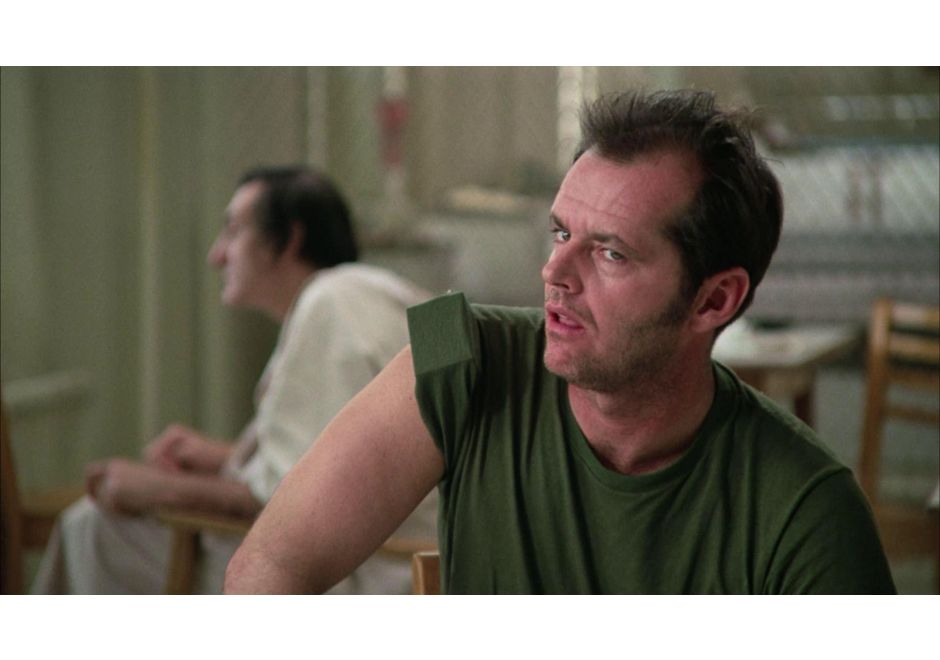
- R.P. McMurphy (Jack Nicholson) in One Flew Over the Cuckoo’s Nest
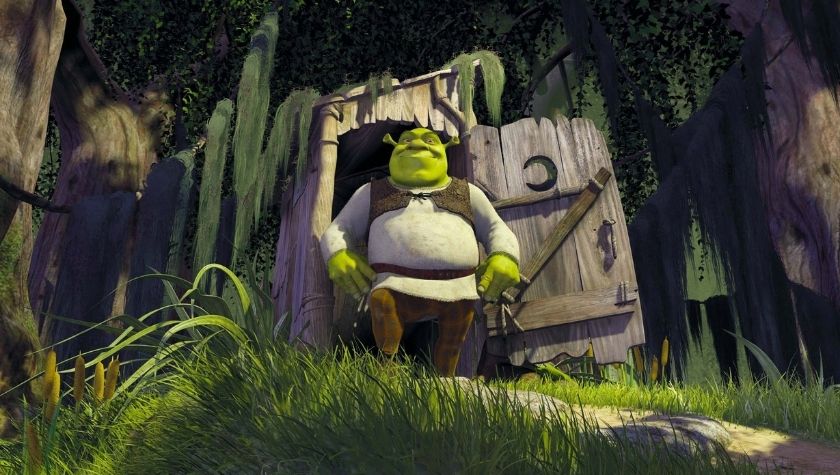
- Shrek (Mike Myers) in Shrek
- Katniss Everdeen (Jennifer Lawrence) in The Hunger Games
- Barbie (Margot Robbie) in Barbie
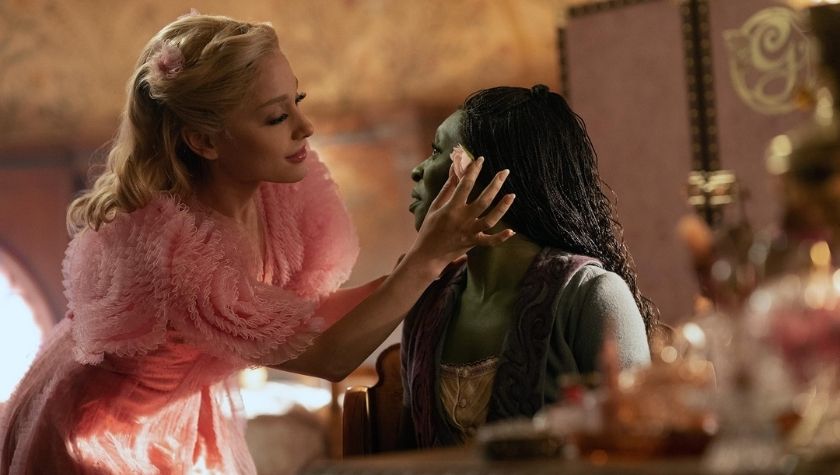
- Elphaba (Cynthia Erivo) and Glinda (Ariana Grande) in Wicked
Now that we’ve established the basics of round characters, let’s dive a little deeper and show how these types of characters can improve your screenplay.
What are Round Characters?
Round characters are important to the story and aren’t just relegated to the protagonist role. It’s not to say all characters need to be fully fleshed out and have an arc, but many of your important characters in the story should have a means with which the audience can connect.
Round characters:
- Have wants that may differ from what they truly need
- Make mistakes based on their flaws or fears
- Change or reveal new dimensions over time
- Contain contradictions that challenge expectations
- Essentially, the round character is human.
The opposite of a round character is a flat character, or a one-dimensional character who is easy to define and supports the story. They are Anton Chigurh (Javier Bardem) in No Country for Old Men who doesn’t change and we don’t really learn anything about him, or Mr. Potter (Lionel Barrymore) or Clarence (Henry Travers) in It’s a Wonderful Life who can easily be defined as the miserly banker or dopey angel, respectively.
Flat characters are great to put alongside round characters. They can enhance the perspective of a round character by helping to define their morals, ethics and emotional structure. A round character is not defined by the transformation they make throughout the journey, but rather who they are. It’s about complexity, motivations and desires.
A ‘Wicked’ Example of Round Character vs Flat Character
Look no further than the land of Oz for examples of a round character vs flat character.
In Wicked, both Elphaba (Cynthia Erivo), the Wicked Witch of the West, and Glinda (Ariana Grande) are round, complex characters.
However, in The Wizard of Oz, both the Wicked Witch of the West (Margaret Hamilton) and Glinda – the Good Witch of the North (Billie Burke) are flat characters.
‘The Wizard of Oz’
Released in 1939, The Wizard of Oz focused on a farm girl whisked away via tornado to the wonderful land of Oz. In the process, she takes out the Wicked Witch of the East. Desperate to go home, Glinda tells her she must go see the Wizard. Meanwhile, the angry Wicked Witch wants to get Dorothy…and her little dog too.
The Wicked Witch is a flat character. She is mean, wants her ruby slippers and will unleash her terror to get Dorothy. She’s simply the villain of the story. In fact, it’s never mentioned that she has a real name.
Glinda is also flat. Happy, bubbly and not really helpful, Glinda comes on screen to tell Dorothy where to go and then at the end to tell her how to get home.
Although both memorable, there isn’t much to these flat characters.
‘Wicked’
By the nature of the story, Wicked goes deep into both of the witches’ characters making them round and complex. They have clear motivations, often in conflict, and highlight strengths, weaknesses and flaws.
Glinda’s perception of prettiness and popularity as a means of good are tested. She wants to be a leader but is constantly placed in follower territory. She wants magic but doesn’t have it.
Elphaba is the polar opposite of Glinda, making them good foils for one another. She can perform spells, is an outcast and sees lies and wrong where others don’t, or choose to ignore it. She is a strong leader, but has no followers. And her desire to prove the real intent of the Wizard is always used against her to make her the enemy.
Using both The Wizard of Oz and Wicked are great ways to see the contrast between round and flat characters, as well as their importance to the story. The Witches didn’t need to be round initially to tell a memorable and powerful story; that changes 85 years later when it’s their turn to take the lead.
How Do Writers Create Round Characters?
When starting to write a screenplay, a good place to begin is with character. But how do you make sure you’re developing a round character that is meaningful to the story, has empathy and is, of course, interesting?
Here are 5 ways you can develop a round character
1. Give Them a Backstory
A round character makes choices and has motivations based on their past. Elphaba wasn’t just an outcast because she wanted to be, there was a history that made her feel this way. The same holds true for Glinda’s desire to be popular.
Developing a comprehensive backstory will ensure round characters have reasons for their strengths, weaknesses, goals and motivations.
2. Wants and Needs
A character will have external goals that come from internal needs. They’ll want something like fame, safety or revenge, but have an internal need for it, such as acceptance or courage.
In How the Grinch Stole Christmas, the Grinch (Jim Carrey) is a lonely green guy who wants to do away with Christmas in Whoville. But that’s in direct conflict with his need of wanting to be accepted. It’s his means of revenge against a community that outcasted him and the more trouble he causes, the more ostracized he becomes. But when a little girl insists he be a part of the festivities, the Grinch finds that glimmer of hope that he will finally be accepted…until he’s rejected once again.
3. Let Them Fail
How a character deals with their failure will reveal more about them than any success ever will.
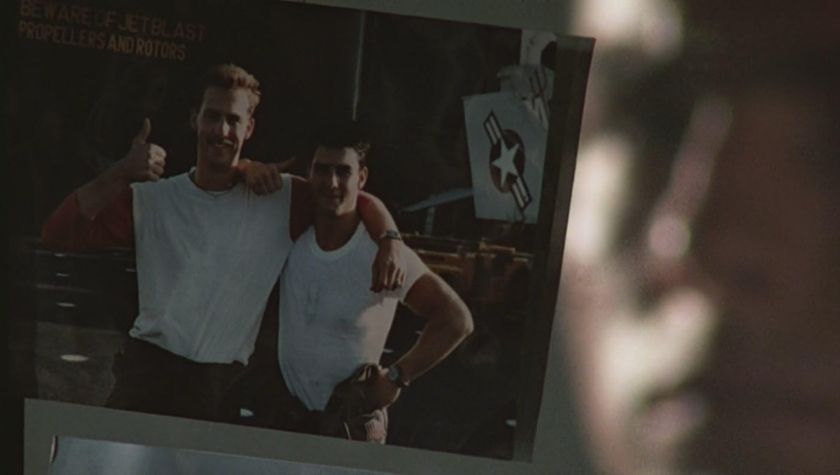
In Top Gun, Maverick (Tom Cruise) is brave and cocky, but reckless. This leads to an ultimate failure in performance leading to someone’s death. How will he overcome this?
Katniss Everdeen (Jennifer Lawrence) in The Hunger Games starts off the story taking the place of her sister as tribute. She is the protector. So, what happens during the games when she fails to protect one of the youngest players?
How Maverick and Katniss rise back up from their failures show more about them as characters than if they simply always succeeded.
4. Show Change Through Small Moments
What was the catalyst for Spider-Man to do good? It wasn’t when he was bitten by a spider. It wasn’t when he realized he could fly through the city with webs slinging out of his wrist. It wasn’t even when he could win a wrestling match against a far stronger and superior opponent.
It was when his Uncle Ben was killed. And Spider-Man wasn’t even around when it happened, so it’s not like he was necessarily at fault. It was then that Spider-Man realized that Uncle Ben’s advice was true, “With great power comes great responsibility.”
Transformation occurs in moments of realization or gestures, just like in real life. A round character doesn’t need a dramatic arc but a new understanding.
5. Create Supporting Characters that Challenge Them
Supporting characters aren’t just filler: they should push, test and challenge the protagonist. And vice versa.
In Superman, Superman (David Corenswet) isn’t just tested by his relationship with Lois Lane (Rachel Brosnahan) but also any number of other characters like Lex Luthor (Nicholas Hoult), the Justice Gang and even Krypto. But that doesn’t mean he’s the only round character; Superman also challenges these other characters adding to their own development.
A round character can, for example, be challenged by a mentor who exposes their insecurity, a rival who taps into jealousy and a love interest who reveals vulnerability.
A Round Character Can Make a Story Unforgettable
Round characters stay with us because we recognize them in ourselves. They reflect facets of humanity that audiences can relate to, offering specificity and depth that reach beyond the surface.