
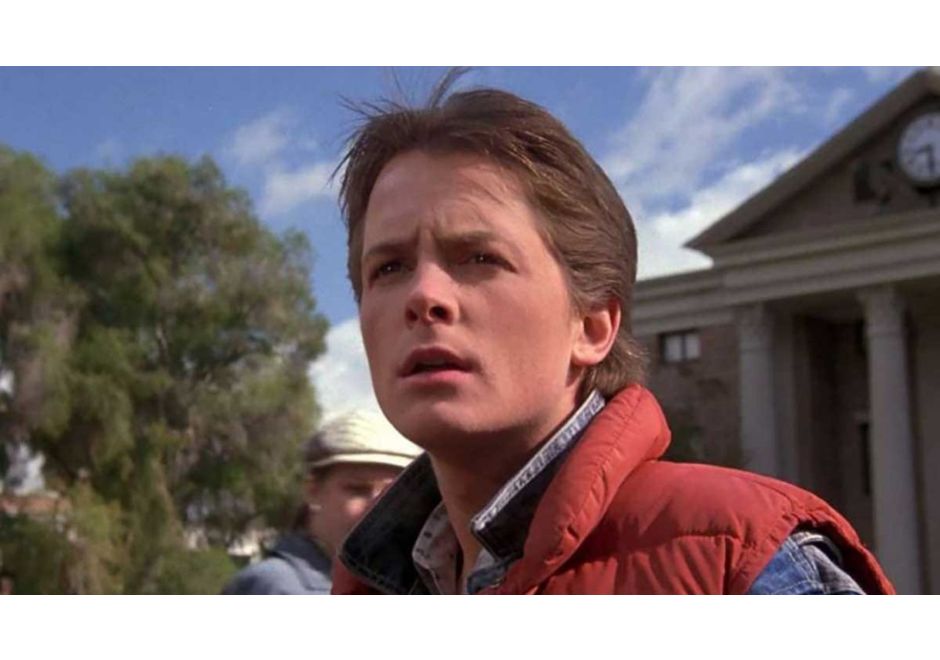
In Back to the Future, Marty McFly (Michael J. Fox) is a bit of a slacker at the beginning of the movie. He goes back in time, messes up his parents meeting and must help his dad overcome his weakness to stand up to a bully and win the heart of his future wife.
And yet, Marty is a flat character – one of the most famous flat characters in cinema.
Flat doesn’t mean boring or undeveloped. Flat characters are defined as not having an arc, and often have a one-dimensional personality. They can be defined by a small number of simple traits: predictable, consistent, and easy to summarize – that’s very much Marty McFly.
Let’s take a look at flat characters and how you can use them when writing your screenplay.
Flat vs. Round Characters
Flat characters can play a pivotal role in the overall story as they support the emotional arc of a round character.
Round characters tend to get the spotlight in movies or TV shows. They’re complex, multi-layered and experience change. Flat characters are often predictable, whereas a well-rounded character might not always be as easy to pin down. Audiences will continuously learn about round characters throughout the course of the movie or TV show.
The Emmy-award winning Hacks is a great example of round characters. But look no further than Gunther or Janice in Friends as examples of flat characters on popular TV shows.
Flat vs. Static Characters
Wednesday Addams (Jenna Ortega) doesn’t change over the course of the TV show Wednesday. And yet, she isn’t considered a flat character, but rather a static character. What’s the difference? Static characters have more depth and backstory than a flat character. Wednesday has a story arc and is multi-dimensional, it’s her lack of emotional change that keeps her static versus round.
Here are some examples of static characters:
- Indiana Jones
- James Bond
- Yoda
- The Dude from The Big Lebowski
Good Stories Need Flat Characters
Not every character should carry the level of background dedicated to round characters. If every character were round, the pace of the story that mattered would be slow and feel overwhelming. Flat characters keep the story moving, clarify stakes and ensure the emotional investment is where it’s needed.
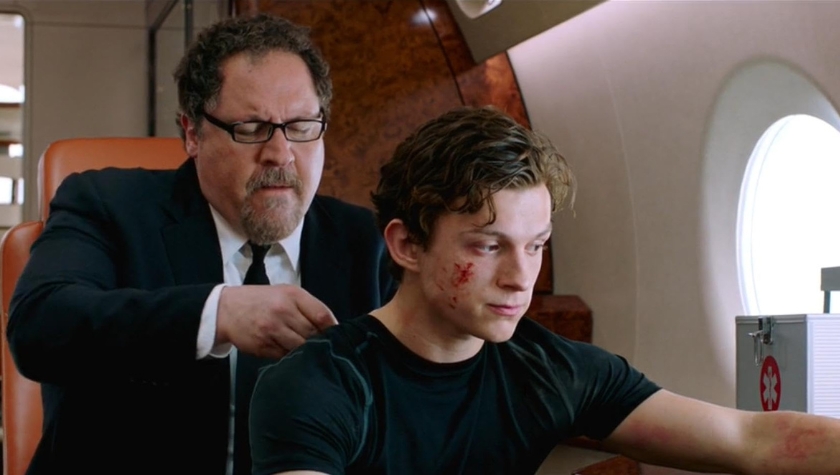
Flounder in The Little Mermaid is a flat character but necessary as the overly cautious fish trying to keep Ariel from getting in trouble. And Happy (Jon Favreau) in Spider-Man is pretty flat – a limo driver keeping an eye on Peter Parker and falling in love with his aunt – but he’s a critical character in the story.
5 Ways Flat Characters Contribute to the Story
Here are 5 ways you can use flat characters to help tell your story.
- They highlight the protagonist’s growth. A flat character who is stable and doesn’t change can serve as a contrast to a round character’s transformation and highlight that change more dramatically.
- They are your every day, average character. Some characters exist to deliver exposition or to become an obstacle. Their simplicity makes interaction normal in the overall world.
- They provide humor. Many comedic characters are intentionally flat as their predictability and delivery provide comic relief. Think Randy (Jamie Kennedy) in Scream or Timon and Pumbaa in The Lion King, who are flat characters but important to Simba’s growth.
- They keep the world feeling populated without overwhelming the viewer. Not everyone the protagonist meets needs a backstory. Flat characters remind the audience of the world’s scale without distracting from the story itself.
- They provide symbolism. The bully, the jock and the teacher may be flat types of characters that provide symbolism. A bully or jock might symbolize evil or power whereas a teacher could mean nurturing or helpfulness.
Some of Our Favorite Flat Character Examples
Flat characters aren’t necessarily forgettable characters – Marty McFly and Janice from Friends are far from it. Here are some of our favorite flat characters and what makes them considered as such.
- Biff from Back to the Future – Biff (Tom Wilson) is a memorable flat character who plays a stereotypical bully.
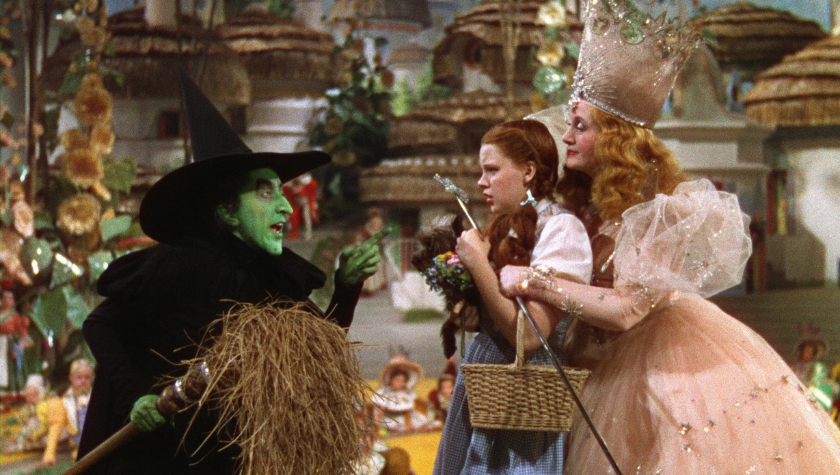
- The Witches in The Wizard of Oz – Both the Wicked Witch of the West (Margaret Hamilton) and Glinda (Billie Burke) are flat characters taking on the one-dimensional, stereotypical roles of a bad and good witch, respectively.
- The Terminator in The Terminator – The menacing machine has one single purpose and that’s to track down Sarah Connor (Linda Hamilton) and kill her.
- Chewbacca in Star Wars – The famous Wookie and sidekick to Han Solo (Harrison Ford), is a pretty flat character whose job seems to do what he’s told. On a side note, science fiction is often filled with flat characters; consider other Star Wars characters like the storm troopers, C3PO and Yoda.
How to Write Effective Flat Characters
As you can see, flat characters don’t have to be relegated to the one-scene characters who interact with the protagonist, but can play a part in the whole story.
But first, can a major character be flat? Yes! And it’s not necessarily a bad thing, especially if you take the static character approach. Flat characters who are the heroes will have an arc, even if they don’t have complex backstories. Examples of flat protagonists include Sherlock Holmes, Forrest Gump (Tom Hanks) and Ethan Hunt (Tom Cruise) from Mission: Impossible.
You can start creating compelling flat characters by figuring out their purpose in the story. In Batman and Batman Returns, there were henchmen who were flat yet could stand out. They could also be the comic relief, even in a comedy – think Alan (Zach Galafanakis) from The Hangover. Or they may be an obstacle in the way, such as the Mayor (David Margulies) or Walter Peck (William Atherton) in Ghostbusters.
Finally, consider the people you encounter in everyday life. How could the annoying customer at the restaurant work in your story? Or what about the person in a classroom who has to raise their hand to ask a question when everyone else is ready to leave?

Not Every Character Needs an Arc, just a Purpose
When it comes to character creation, there is always a focus on deep, complex characters, which include emotional arcs and layered motivations. Yet, not every character needs that level of consideration. Flat characters who aren’t meant to grow or have a backstory can play a critical role in telling the story and, in fact, can become quite memorable.
“Flat” isn’t a flattering term but the characters are only weak if they’re poorly written. When used with thought and purpose, they can be essential to the story and help drive the protagonist to be a better character and ensure the story moves forward efficiently.