
It’s been a huge year for YouTube filmmakers.
Curry Barker is fresh off his surprise indie horror hit, Obsession. Now we have Backrooms from Kane Parsons, a young filmmaker who rose to fame making lo-fi Blender animations. Last October, we spoke with Chris Stuckmann about Shelby Oaks, a film he crowdfunded and developed buzz for on YouTube. Not to mention Markiplier’s huge success with Iron Lung, the scrappy project he put together himself, which stunned the industry with a nontraditional theatrical run that grossed $50 million worldwide.
All this should inspire you. Understanding how they did it can help you find your own way in.
The Path from YouTube to Hollywood
The YouTube-to-Hollywood story isn't new. The Philippou brothers seemed to kick off the modern version of this trend in 2022, when Danny and Michael Philippou made Talk to Me after building an audience with their YouTube channel RackaRacka. David F. Sandberg started on YouTube as ponysmasher, where he released a short titled Lights Out (which later became a feature film).
Since then, the pipeline has gotten even more legitimate and harder to ignore.
So where do you start? Write a sketch or short film you can actually make, and build a body of work. That’s something you can point to as you keep growing, and you’ll learn continuously through the process. These filmmakers did, and it translated into credibility in the industry.
Start Small and Think Like a Storyteller
Before Obsession premiered at TIFF, Barker and his creative partner Cooper Tomlinson had already built a following. There was a viral 2023 horror short, The Chair, which, as of writing, has almost 10 million YouTube views.
When they made their first feature, Milk & Serial (a found-footage horror film, made for just $800 with friends on weekends over four months), they released it for free on YouTube and watched it take off. This led eventually to Obsession.
It’s not about making something cheap and getting lucky. Shorts are very difficult, and the storytelling still has to be strong. Write and direct in a genre you know extremely well, as Barker did.
If you have big ideas, scale them down. Adapting your feature ideas for a YouTube series or short-film format can be a way to start building an audience for your story before you try to sell it.
Use the Platform to Prove Your Vision
Kane Parsons is 20 years old. As in, he was born the same year as YouTube. And in 2022, as a 16-year-old, he uploaded a nine-minute found-footage short called The Backrooms (Found Footage), made at home using the 3D software Blender. That short has now accumulated over 78 million views as of writing.
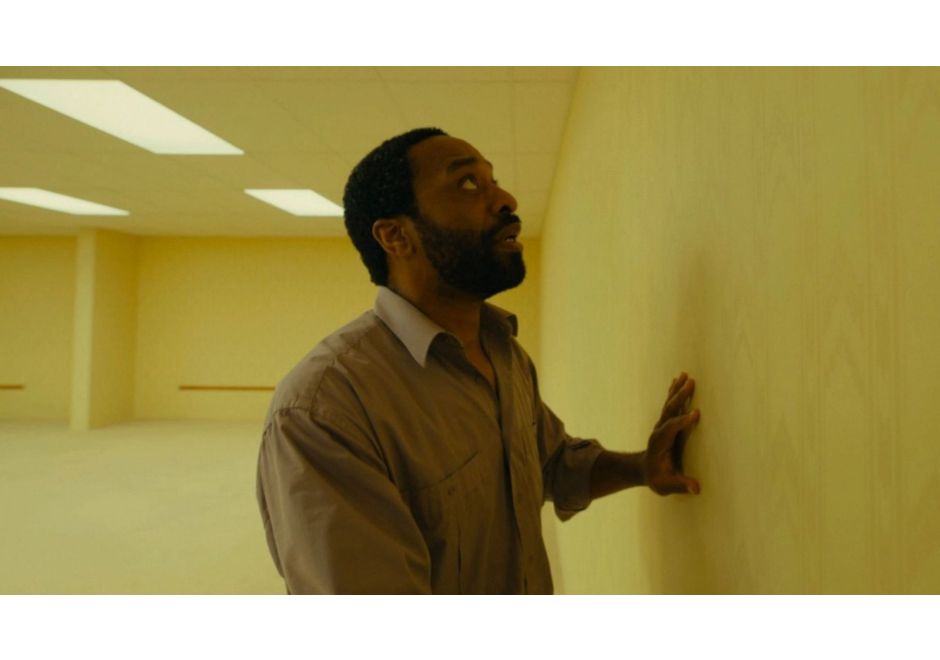
Within weeks of the upload, A24 took notice and acquired the rights, giving Parsons (who was still in high school) the chance to expand his creation into a feature film. At 20, he becomes A24's youngest feature director. The film stars Chiwetel Ejiofor and Renate Reinsve, with James Wan among its producers.
The YouTube video was simple but incredibly strong in its storytelling. A character falls into a pocket dimension and realizes he has to escape a monster in this strange new environment.
As Ejiofor told Total Film, “I don't know if I've ever worked with somebody who's built the world that they're exploring; who gets every nook and cranny.”
A24 hired the one person who actually knew how to tell this story because Parsons had already proven he had the chops. Parsons wrote a contained, high-concept premise. You can, too.
Build Your Audience Before You Need It
Markiplier's Iron Lung is one industry-shaking example of what happens when a filmmaker has an audience ready and waiting.
The YouTuber, real name Mark Fischbach, became famous for his gaming playthroughs. Iron Lung was a video game before it was a film, one Markiplier happened to play about four years ago.
His adaptation of the IP opened Jan. 30, 2026, and has now topped $50 million worldwide against a $4 million budget, with practically no traditional marketing spend. Almost all the promotion came through Markiplier's social media presence.
“Games are advantageous because I’ve built up relationships with gaming companies over the years and I have knowledge,” he told Deadline.
After Iron Lung's theatrical run, Markiplier announced plans to make the digital release a YouTube exclusive, calling the platform his home. He's also spoken publicly about wanting to help other filmmakers find their footing on YouTube, saying, "I would love to fight to build the system where anybody could do it" (via IndieWire).
Find Your Lane
Not everyone's path looks like Barker’s or Parsons’. Making something really scary or meme-worthy is not the only way to go, and virality is impossible to predict. YouTube can work for you in other ways.
Perhaps you're a working professional in the industry looking to expand into storytelling.
Ryan Connolly of Film Riot built his channel around the mantra "write, shoot, edit, repeat" and used that DIY-filmmaking audience to fund and release his short films and proof-of-concept work. There are plenty of amazing filmmaking YouTube channels you can check out for similar inspiration, including Valentina Vee, an Emmy-nominated director and DP who built an audience through filmmaking education while working with industry brands; Desire Lacap, a DP who shares tutorials and makes short films; DP Spenser Sakurai, who uses his working experience to teach craft while developing his own projects; and Michael Tucker of Lessons from the Screenplay, who analyzed films publicly for years, proved he understood story, and launched a career as a professional writer.
Film criticism is another path. As mentioned, Stuckmann built a YouTube following through reviews and reactions before calling on that audience to crowdfund Shelby Oaks, his feature debut. The team at RedLetterMedia grew popular with their comedy-leaning film analysis and reviews, then Mike Stoklasa and Jay Bauman wrote, directed, and self-distributed Space Cop.
What’s something that you’re an expert on? Can you use that credibility as a springboard to build an audience? From there, the audience you gather becomes the audience for your work.
YouTube has democratized filmmaking in exciting ways, and it’s up to you to take advantage of the opportunity. Your script doesn’t have to live on the page, especially if you’re writing to your constraints. You have options to self-distribute your shorts, web series, or even feature films, especially if you gather a following that will support you.
It’s just a matter of creating your audience, building your body of work, and demonstrating your voice and sensibilities.