
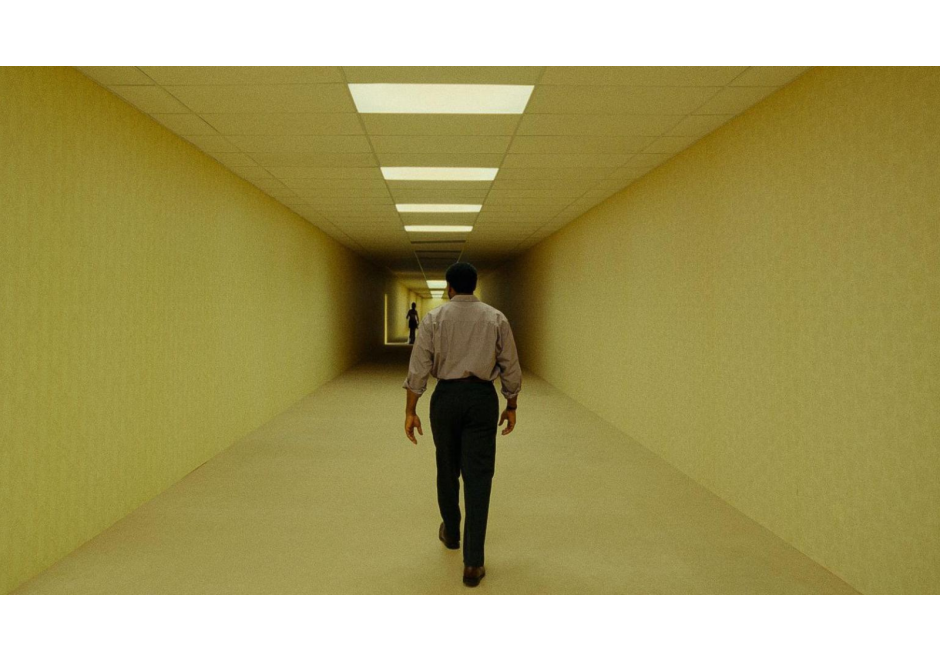
In 1999, a great marketing campaign that incorporated mystery and folklore turned the found-footage film The Blair Witch Project into a massive box-office hit. Unlike today, in the early days of the internet, it was hard to tell what was real and what was fake… okay, maybe that’s still going on.
The internet has always been a breeding ground for modern folklore, and few phenomena capture that better than creepypasta. Welcome to the world of digital storytelling, where short stories posted on forums and message boards evolve into sophisticated folklore and horror stories.
What is creepypasta? It’s a blend of the words "creepy" and "copypasta." So, what is copypasta? It’s internet slang for large amounts of text that is copied and pasted. Creepypastas are specifically horror stories shared online that blur the line between fiction and reality, similar to what The Blair Witch Project accomplished long ago. Creepypasta lives through several iterations across the internet as fans expand the stories and their lore. Some people may read them and think they are real, but they are no different from the campfire tales and urban legends meant to scare listeners/readers.
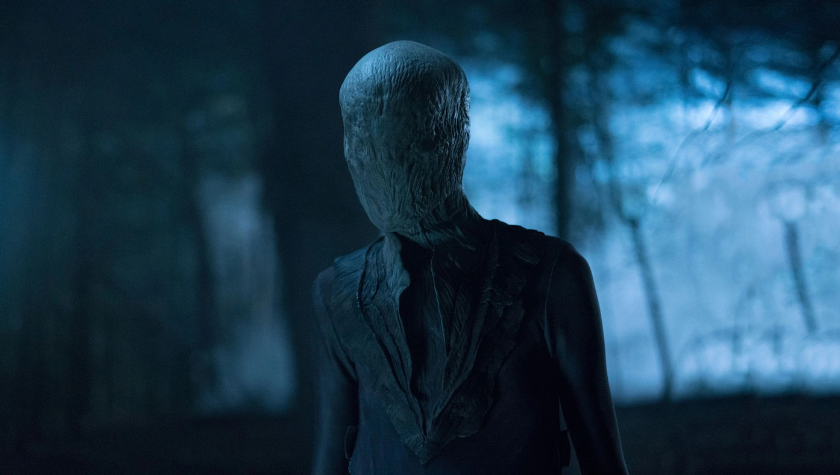
Some creepypastas have inspired fan communities, games, films, and even television adaptations, including the Slender Man, which has been the basis for several films. Other famous creepypastas include Jeff the Killer and BEN Drowned.
That leads us to The Backrooms, a concept that transformed a single unsettling image into a vast collaborative horror universe filled with yellow hallways, buzzing fluorescent lights, and a sense of isolation. The Backrooms leans into the fear of being trapped in a place that feels both familiar and disturbing.
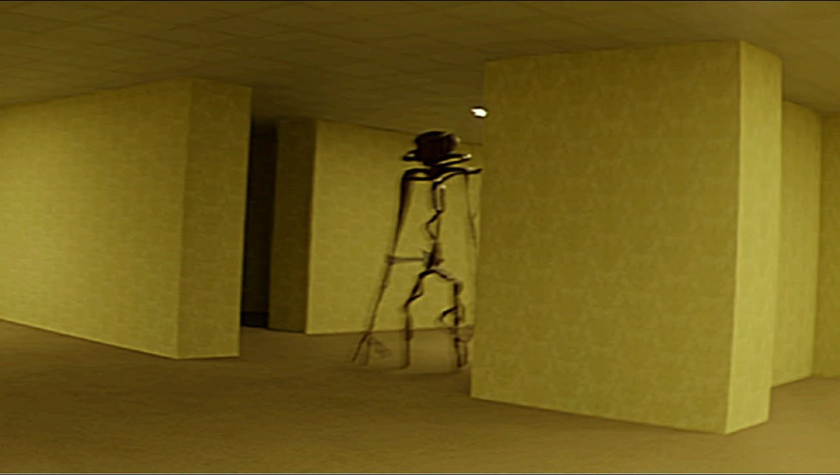
The History of Backrooms
The Backrooms is a specific creepypasta originally created in 2019 as an image depicting a room that appears to be an empty office or abandoned storeroom, draped in fluorescent lighting, with faded yellow walls and damp carpeting. Apparently, the image is a real location in Wisconsin that was taken during a renovation project.
So, what made The Backrooms concept so intriguing? That comes down to the core idea that allowed imagination to flourish because of its vagueness. Little is explained in the picture, and the horror comes from isolation, endlessness, and uncertainty rather than monsters or gore.
The idea begins when someone accidentally steps out of reality, passes through a wall, and falls into the Backrooms. They’re then trapped in an infinite maze with no obvious escape. Oh, and there might be something lurking there as well.
How a 20-Year-Old Filmmaker Turned Creepypasta into an $81 Million Box Office Opening
In early 2022, Kane Parsons, a teenage filmmaker known online as Kane Pixels, released The Backrooms (Found Footage) on YouTube. Parson’s new twist on the creepypasta centered around discovered footage from a scientific experiment gone wrong. Combining realistic visual effects and a documentary style, it became a viral sensation, racking up over 70 million views and introducing countless people to this creepypasta.
Parsons’ interpretation expanded the lore but didn’t necessarily define it. In fact, not everyone was a fan, with some believing that it deviated too far from the original intent as his short movies focused more on mystery, corporate experimentation, and analog-horror storytelling.
The Backrooms is a piece of collaborative internet folklore that has become part of broader pop culture. With the success of Backrooms, viewers can expect more versions, since there really is no intellectual property associated with it (as long as it’s not directly associated with the 2026 film or with characters made up by other people), and creepypastas to become a new source of cinematic storytelling.
But that doesn’t mean all creepypasta are in the public domain – so don’t assume because fan fiction online exists, anyone can turn it into a feature script or TV series.
How Did Kane Parsons Create a Narrative Feature Based on Creepypasta
“We didn’t realize until we reached out that Kane was still in high school,” producer James Wan admitted in a Variety interview. Parsons was only 16 during that first meeting, which he attended with his dad.
“The world is changing, and Hollywood needs to look to YouTube to find the young people who are coming up and have something to say,” said Kori Adelson, a producer on Backrooms, in the Variety interview. “People like Kane grew up online, and they’ve figured out how to get eyeballs on their work in a way that wasn’t possible for young filmmakers 20 years ago.”
Parsons didn’t go at it alone, though. He had mentors like Longlegs director Osgood Perkins and used the skills he learned while creating Backrooms webisodes to visualize most of the movie before filming commenced. This gave producers confidence in their young director’s abilities and vision. He was also joined by screenwriter Will Soodik, who wrote the script that would bring the characters and mythology of this version of the Backrooms to life.
Creepypasta in Film and TV
Backrooms shattered box office records and was an online phenomenon before becoming a feature film. But it wasn’t the first official creepypasta to find its way to movies or TV.
Always Watching: A Marble Hornets Story (2015)
This ‘found footage’ film revolves around a group of people in a small town who discover a box of videotapes and soon find the footage follows a faceless figure tormenting a family.
Channel Zero (2016)
This SyFy Channel TV series was originally picked up as a limited miniseries for two seasons, consisting of 6 episodes each, based on specific creepypastas (there were 4 total seasons). Rather than reproducing the creepypasta stories exactly as they were presented online, the show expanded their concepts into full dramatic narratives.
Slender Man (2018)
The Slender Man character has an official creator, so don’t use it for your own story, thinking it's in the public domain. There have been several film adaptations of the character, but the biggest one was directed by Sylvain White (who has directed for The Boys, For All Mankind, Fargo and Billions). The film follows a group of friends who want to prove the famous urban legend isn’t real, but soon find that something sinister is after them.
Parsons joins several other recent filmmakers, like Curry Barker of Obsession, Danny and Michael Philippou of Talk to Me, and Mark Fischbach of Iron Lung, who have gained a following on YouTube before being given the keys to helm their own larger budget projects. With the success of their films, producers, agents, and managers are taking more notice of YouTube creators. Screenwriters can look at these creators and see how their storytelling styles built an audience and captured the eyes of millions of viewers.
Maybe Youtube is the place for you to start your storytelling journey?