The 6 famous screenwriters we’re going to discuss in this article all had their own unique path to success. Some broke into the film business with a spec script. Others did it by finding success in different mediums and art forms beforehand. But one thing they all have in common is creating work with a distinct voice and approach. It’s this factor that separates them from the thousands of other screenwriters trying to make it in Hollywood.
“When I read material, it speaks to me in a way other material hasn’t,” literary rep David Boxerbaum said in a Final Draft interview. “It moves me emotionally, makes me feel a certain way. It affects me in a way where I haven’t seen that certain voice before, or it’s the kind of voice I’ve had success with in the past. That’s usually what I gravitate towards.”
There’s no denying that the following screenwriters all have a voice and a high command of the craft of screenwriting. Here are some of the greatest screenwriters of all time and how their voices made them stand out.
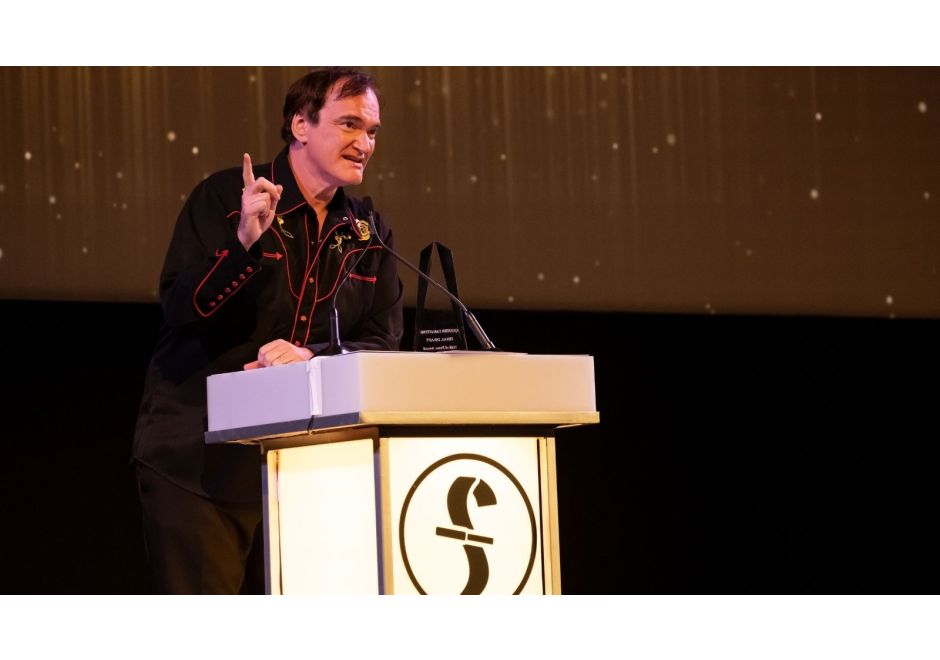
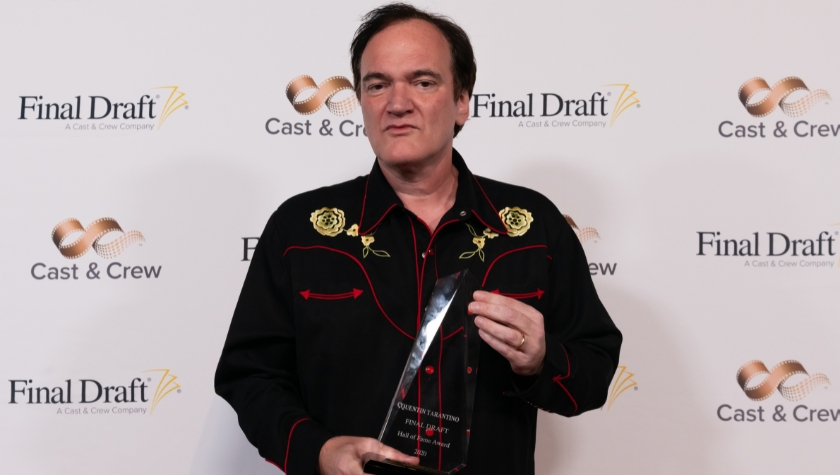
1. Quentin Tarantino
Quentin Tarantino represents the Hollywood dream: beginning his legendary career as a total outsider. He was famously working at Video Archives in Manhattan Beach when he wrote his first spec script True Romance, which became his calling card script and broke him into the film industry. He followed this with his second spec, Natural Born Killers, and further established himself as a master at creating colorful dialogue and memorable underworld characters. The character’s lines were instantly quotable and stuck in the heads of every person who read one of his scripts.
By the time he wrote his third script, Reservoir Dogs, he had already built up a reputation behind the scenes and made the jump to writer-director. The film was an indie sensation and turned him into one of the hottest filmmakers in Hollywood. His follow-up, Pulp Fiction, had an even greater impact and became a pop culture phenomenon. The film is still heavily referenced and quoted today. It also earned him his first of two Oscars for Best Original Screenplay (Django Unchained was the second awarded).
Tarantino draws from a deep well of movie knowledge and a love of storytelling, originally cultivated by reading Elmore Leonard novels (who also used naturalistic, digressive dialogue). His films center around relentless criminals or those willing to use violence to achieve their goals, and the audience wants to go on the journey with these characters, whether they’re assassins for hire or changing history by killing Hitler.
2. Nora Ephron
Nora Ephron could write people. Her characters feel close to us as if they were our friends, family, and neighbors. Starting off her career in journalism, Ephron and then-husband Carl Bernstein wrote a draft of All the President’s Men, which wasn’t used for the movie. However, it proved she could tell a story in script form, which led to her being offered writing jobs.
After she co-wrote Silkwood in 1983, for which she was nominated for her first Academy Award, she adapted her autobiographical novel Heartburn into a film. She became a household name after she wrote the screenplay for When Harry Met Sally…, a film that many hail as one of the greatest rom-coms of all time. This success led her to become a writer-director who helmed numerous classic films: Sleepless in Seattle, You’ve Got Mail, and Julie & Julia (all of which she wrote or co-wrote, in addition to directing). Sadly, she passed away in 2006, but Ephron’s films are still considered to be top-shelf examples of the rom-com genre.
Her ability to write relatable characters, often struggling through romantic woes, struck a nerve with many people. There’s also a prevailing optimism — even in the face of heartache — that characterizes her writing and worldview. Through it all, one can still find love.
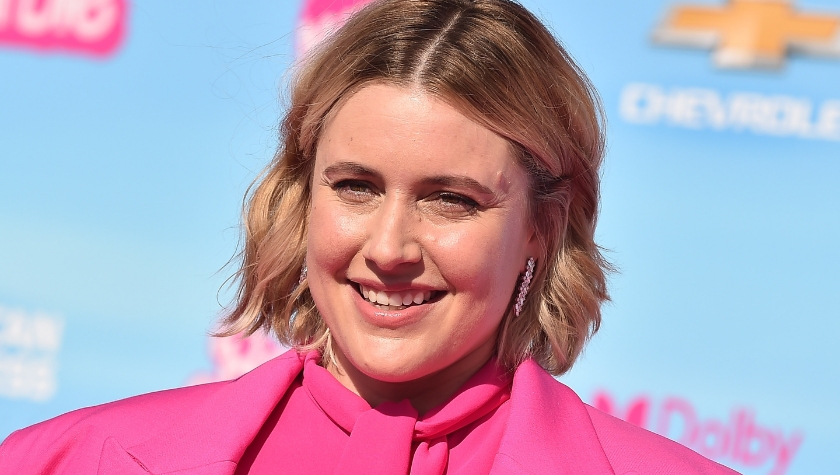
3. Greta Gerwig
Greta Gerwig first made a name for herself in the industry by starring in various indie films (many of these films are part of the “mumblecore” movement). After playing the lead love interest in Noah Baumbach’s Greenberg, she began a partnership with Baumbach, which resulted in her co-writing his follow-up film, Francis Ha. The film received critical acclaim, drawing attention to Gerwig’s acting and writing.
In 2017, Gerwig made her debut as a writer-director with Lady Bird. The semi-autobiographical coming-of-age drama met with widespread acclaim and was nominated for several awards. Her next film was an adaptation of Jane Austen’s Little Women and likewise met with acclaim. These two signature works placed Gerwig at the forefront of female filmmakers. Her third directorial outing, Barbie (co-written with her now-husband, Noah Baumbach), became one of the biggest box-office hits of all time and a cultural touchstone. It also showed Gerwig could helm a tentpole.
Whether it’s an intimate personal story like Lady Bird or a broader pop-culture statement like Barbie, Gerwig maintains a distinctly feminine perspective. With her future projects, adaptations of two C. S. Lewis' The Chronicles of Narnia books, she’s looking to keep growing and expanding as a filmmaker.
4. Ryan Coogler
You could almost track the success of actor Michael B. Jordan with writer-director Ryan Coogler. Fruitvale Station was their first collaboration and told the intimate story of the last day of a 22-year-old’s life before he was killed by a police officer at the Fruitvale Station in the San Francisco Bay Area. His next film would be Creed, the Rocky spinoff focusing on Apollo Creed’s son (also starring Michael B. Jordan). Coogler cited watching Rocky II with his father as a major inspiration. His take on the material was both a critical and commercial success. Not only did it launch the Creed franchise, but it proved that Coogler’s sensibilities could mesh with big stories, and they were about to get even bigger.
His follow-up was MCU’s Black Panther: a monster hit even by comic movie standards. He would also co-write and direct the sequel Black Panther: Wakanda Forever, and showed he could consistently deliver films with blockbuster scale yet distinct character. This would culminate in the resounding statement of Sinners. An original story, written and directed by Coogler, the historical-vampire-drama-musical became a sensation. Both a commercial and critical success, Sinners swept the Oscars and solidified Coogler as one of the defining filmmakers of his generation.
His scripts are grounded in character and culture, often exploring ideas of identity and legacy. Just like Gerwig, Coogler can make a major statement and elevate an existing IP while still being fun. Sinners was as entertaining as it was revelatory.
5. Aaron Sorkin
Sorkin started as a playwright, where dialogue is more powerful than action, and honed his craft for several years. His major breakthrough was his first Broadway-produced play, A Few Good Men. Sorkin sold the rights to the play to producer David Brown and was hired to adapt it for the screen.
The film adaptation of A Few Good Men was a critical and commercial success, launching Sorkin’s career as a screenwriter. He followed it up with a string of high-profile screenwriting jobs (e.g., Malice, The American President) and became an in-demand script doctor. While doing this, he also created the acclaimed TV series The West Wing. Acting as both the showrunner and head writer, Sorkin cemented his name with the show. In addition to creating other TV series and continuing to write for the theater, Sorkin’s profile as a screenwriter only increased over the decades. His scripts for The Social Network, Moneyball, and Steve Jobs are hailed as masterworks by many. He also threw his hat into the writer-director ring with his films Molly’s Game and Being the Ricardos.
Sorkin’s hallmarks are his rapid-fire dialogue and revealing character studies. One of his gifts is making those who appear seemingly out of reach more accessible. From The West Wing to The Social Network, Sorkin has given us insight into some of the most intelligent and powerful people on the planet, while keeping us spellbound by his linguistic mastery.
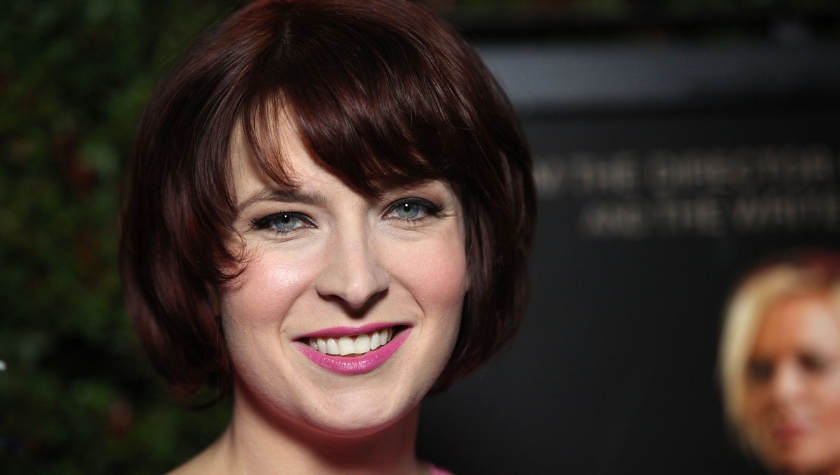
6. Diablo Cody
Like Tarantino, Diablo Cody was a Hollywood outsider who broke into the film business via a hot spec script. The screenplay for Juno landed on the Black List and was adapted into an acclaimed film. An unconventional story about a pregnant teenager with a unique style of talking, Juno won Cody an Oscar and made her a new voice that commanded attention.
Cody followed up Juno with several other screenplays that were turned into films, including Young Adult and Tully. These stories provided intimate glimpses into the lives of independent women facing the struggles that most movies overlook. Much like Sorkin, she is noted for her dialogue, full of slang, wit, and unexpected phrasing. Yet, whereas Sorkin gives voice to presidents and tech billionaires, Cody focuses on underdogs and pariahs.
Cody’s scripts take a harsh look at reality with a twist of humor and brutal honesty. They reveal an emotional truth that makes people rethink their initial impression of her characters. Ultimately, Cody tells smaller, quirkier stories and has made a name for herself in the process. Most importantly, she maintains her voice even when writing a genre film (e.g., Jennifer's Body).
These 6 screenwriters are often imitated but never duplicated. They’re all unique and, for those interested in becoming screenwriters, show that there isn’t a single path. It’s all about the voice and leaning into the stories you want to tell.
Whether you’ve heard of these screenwriters or are just now realizing the impact they’ve had on the film industry, it’s worth looking into their body of work and understanding that, at the end of the day, they are simply great storytellers.
Now that you know some of the best screenwriters, check out the 10 Best Screenplays of All Time.