
The zombie has appeared in movies in one form or another for over 100 years. One of the earliest examples is the 1919 silent film J’accuse, which depicts deceased World War I soldiers rising from their graves and walking back to their homes. The film explores the suffering caused by war and is widely regarded as an anti-war statement.
Zombie movies are rarely just about the living dead. Instead, they often reflect societal issues or contemporary fears. Over the decades, the genre has mirrored what society finds most threatening at the time, including pandemics (28 Days Later), consumerism (Day of the Dead), and social collapse (The Last of Us).
The 28 Days Later series and its sequels each explore different themes. The latest installment, 28 Years Later: The Bone Temple, focuses on power, the struggle between good and evil, and the dangers of longing for a past that no longer exists—ideas that strongly resonate with today’s audiences.
Through the Eyes of a Child
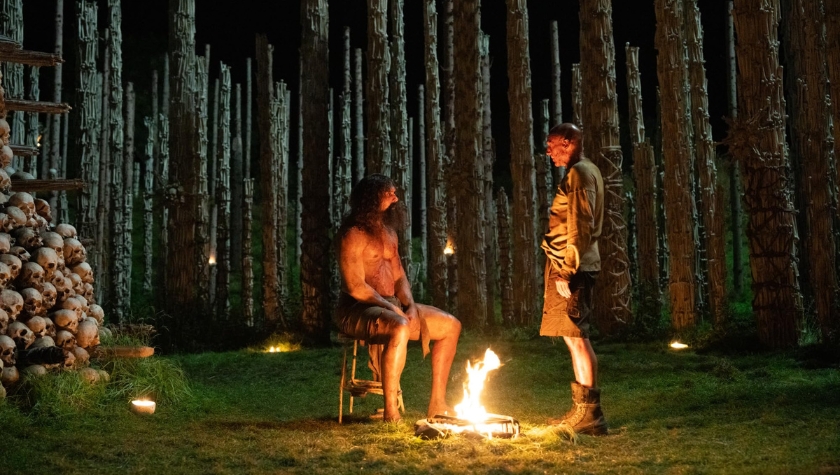
In 28 Years Later, Spike (Alfie Williams) leaves the security of his home island with his father to hunt zombies. It’s a rite of passage to help those born after the rage virus ravaged England to learn how to kill the infected. By the end of the film, he’s alone and searching for a way to get home. Fortunately or unfortunately, a band of acrobatic Jimmy Savile-looking men, women and children who fight like Power Rangers appear and take him in, offering an unexpected path forward. (Side note: Jimmy Savile is a well-known TV personality in the UK who, after his death, was found to have a dark past in which he abused his power).
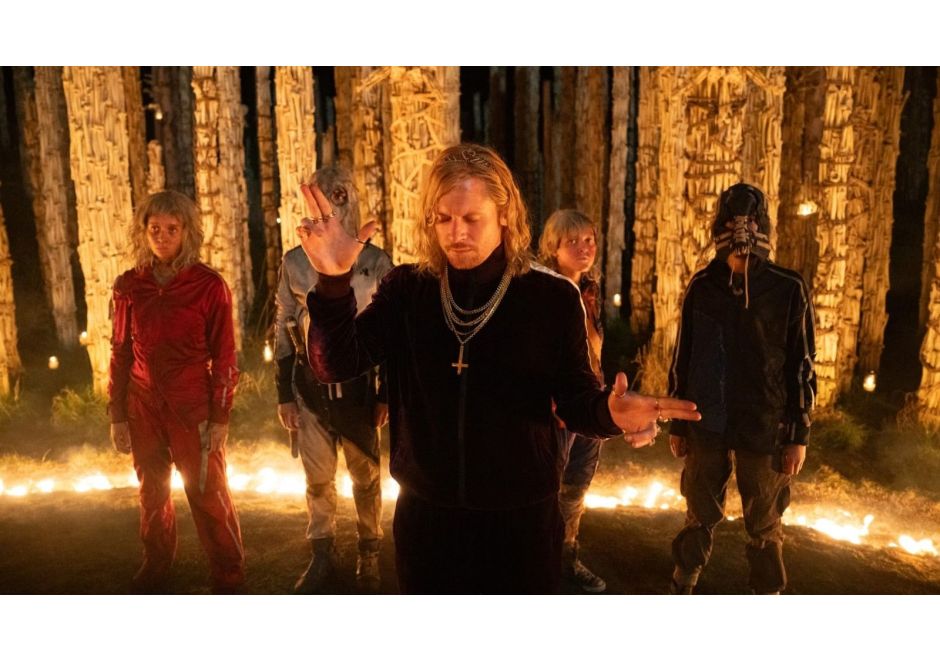
If the rage virus took place in 2002, then the fallout of Savile’s life would have never come to fruition. These heroes, though, are no heroes at all. In the first scene of 28 Years Later: The Bone Temple we get a glimpse of who the Jimmys are (all call themselves Jimmy, or a variation of it). The leader of the group is a Satanist named Jimmy Crystal (Jack O’Connell) who immediately places Spike in a kill-or-be-killed situation.
Spike, who is just a 12-year-old kid, is afraid but knows a little bit about survival. Having him as the main character provides an innocence that the audience can empathize with. Most people can’t imagine being born into a zombie apocalypse or trying to survive harrowing situations, so showing the world through a child who is new to this stress is relatable.
The Sense of a Better Time
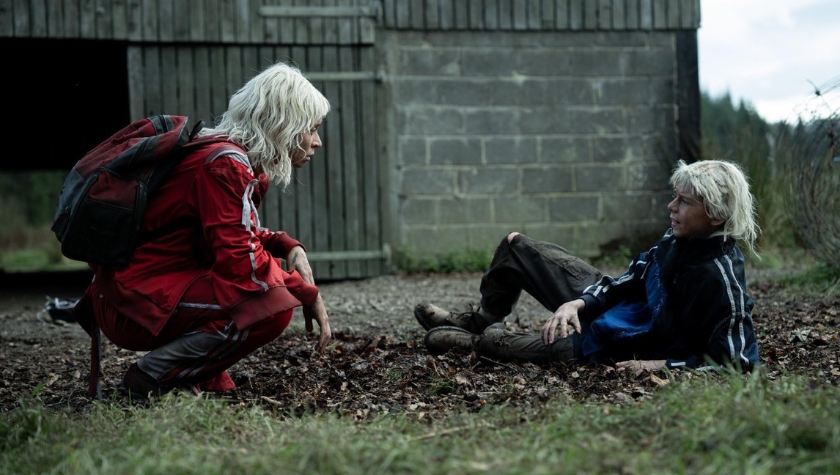
There’s nothing like a zombie apocalypse to make people long for the time when things were better. In 28 Years Later: The Bone Temple, Jimmy Crystal recalls a time when he could watch Teletubbies and see his father. He can’t explain the world and so he finds meaning in a higher power, Satan, who he also believes is the father he wants to reunite with.
Although the villain Jimmy Crystal represents an extreme case, the desire to return to a “better” past is a common theme in zombie films. Even Spike longs to return to the world he once knew.
“The thing about looking back is how selective memory is and that it cherry picks and it has amnesia and crucially it also misremembers," Bone Temple screenwriter Alex Garland said in an interview with Business Insider. "We are living in a time right now, which is absolutely dominated by a misremembered past."
Social Changes, or the More Things Change, the More They Stay the Same
28 Days Later
Life in 2001 was a bit chaotic. It was the year of the devastating attacks on 9/11 followed by the coalition invasion of Afghanistan. The United Kingdom’s efforts to eradicate an outbreak of foot-and-mouth disease in its livestock resulted in the slaughter of millions of cows and sheep as trust in its government seemed to be waning.
This was the world that Garland could draw inspiration from when writing 28 Days Later. The agricultural and tourism damage from the livestock disease was proof enough of how fragile everyone’s livelihood could be. Take these underlying feelings and add in some zombies and Garland was able to craft a story showing how quickly civilization can evaporate, demonstrating how a zombie movie can embody a collective sense that the world order is delicate and can break seemingly overnight.
28 Weeks Later
In 2007, the UK, alongside the United States and other countries, had been at war with Afghanistan and Iraq for several years. Military occupation of a foreign country was on the news frequently as was an increasing surveillance state – a growing number of cameras were being placed in the UK to help police and fight terrorism.
It’s no wonder then that 28 Weeks Later shifted from the fear of state collapse to military control. Even then, the movie starts out with hope. The U.S. military attempts to rebuild and manage Britain, turning quarantine zones into surveillance states under strict control. It’s moving back to that sense of normalcy that everyone craves, even under authoritarian order; at least citizens felt safe and believed things would eventually go back to what it used to be.
The infected represent the cost of pretending that a mission is accomplished or a disaster has passed before it truly has, turning confidence and control against itself.
28 Years Later
With 28 Years Later and 28 Years Later: The Bone Temple, society is now nearly 3 decades past when the virus raged. As Spike and his family look out to sea, they can observe a blockade attempting to prevent anything from getting into and out of the mainland. They are forgotten, or at least left to their own devices.
Our world has changed too, and there seems to be more uncertainty than ever. 28 Years Later reflects the long-term trauma rather than immediate threats or catastrophe. It’s a world in which crisis never ends, infected can attack at any moment, and people still live in fear but have learned how to protect themselves. After Covid, political upheaval and uncertainty, regional wars and generational loss, 28 Years Later isn’t about zombies destroying everything today, but asks, What if the crisis never ends?
“The world is always a mess. Sometimes, we feel safer than not,” Bone Temple director Nia DeCosta said in an IndieWire interview. “Obviously, I think most Americans don’t feel very safe right now, and therefore, most people in the world who are tapped in because of the amount of influence America has don’t feel safe. So, it is a time when we’re asking those big existential questions: How do I have control in a world that feels out of my control? How do I create meaning when everything feels meaningless?”
For Spike, Jimmy Crystal and Dr. Kelson (Ralph Fiennes), this manifests in different ways.
- Spike has almost no control. He’s a kid witnessing everything and trying to survive, and he’s our eyes in this frightening world.
- Jimmy Crystal has lost his family and is constantly searching for his father while also leading a group of others desperately seeking order.
- Dr. Kelson respects his position in life and those who have died; his bone temple is a testament to lives lost.
“When Kelson says ‘Memento mori, memento amore’ — ‘Remember, you must die. Remember, you must love’ — he’s really talking about how to manage meaning in your life, how to create meaning in a life that feels meaningless, and how to hold on to hope in a world that feels lost,” DeCosta said in a Deadline interview.
An Evil Greater than the Undead
For a zombie movie, there are few instances that the infected matter to the story. They haunt the narrative, but the movie is more about unchecked power and when organized religion can be abused to control a population. Jimmy Crystal’s ‘gang of merry zombie killers’ trust that the word he receives from Old Nick, known as Satan, is true and that they must obey. The atrocities they do are more horrific than any of what the infected will do simply because Jimmy and his gang know exactly what they are doing is morally wrong.
With characters like Jimmy, you don’t need zombies to make the story scary.
Hope and Redemption
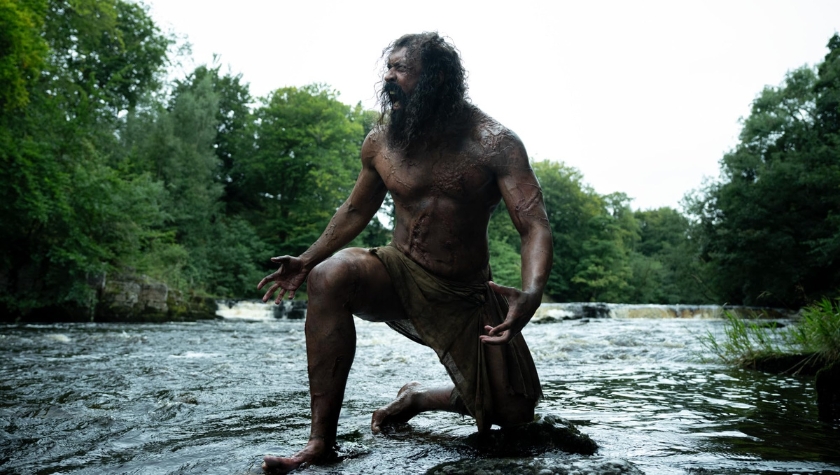
“The empathy that Kelson has and the hope that he has in humanity is why I love the movie, and I love the script,” DeCosta said in an IndieWire interview. Kelson finds a way to calm the rage in hopes that a monstrous Alpha named Samson (Chi Lewis-Parry) can be saved. DeCosta asks, “Could you do the worst thing and still be saved? Can you still change? Can someone believe that you have the capacity to change? I think that’s really beautiful.” As a lesson in storytelling, DeCosta offers that “to match the beauty of Kelson, you have to have the brutality on the other side.”
Just like the conclusion of 28 Years Later, The Bone Temple offers a similar sense of hope. Some zombie movies end with the loss of humanity, but many will offer that glimmer that the crisis does have an end date. Just like crises in the real world, there is the hope that they too shall also pass – the social fears and anxieties stem from not knowing when.