
Note: There are spoilers ahead for You Can See Everything.
It's not uncommon for a documentary filmmaker to insert themselves into the story they want to tell. Michael Moore did it in his breakout documentary Roger & Me, while Morgan Spurlock put himself at the center of Supersize Me, which documented his experiment of eating only McDonald's for 30 days.
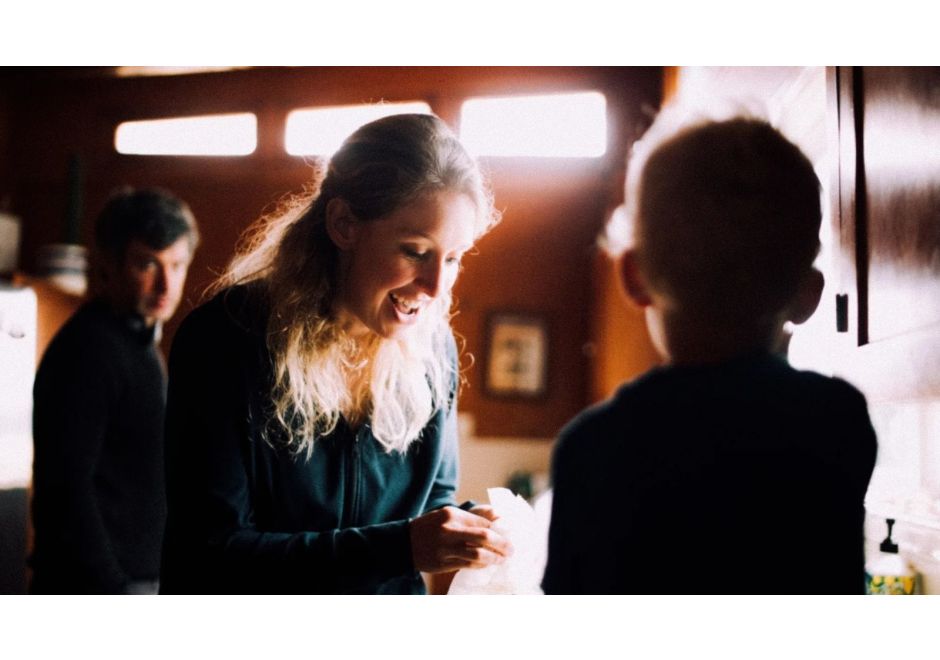
In You Can See Everything, Nathan Fielder takes this approach a step further. When his crew is invited into the home of notorious Theranos founder Elizabeth Holmes during the 34 days before she starts her prison sentence, Fielder blends observational footage, staged situations and scripted reenactments to create a film that blurs the line between documentary and fiction.
The result is an unconventional documentary approach that explores a disgraced businesswoman, her relationship with her fiancé Billy Evans and the ways people shape the stories they tell about themselves. By incorporating scripted material into a real-world story, You Can See Everything is a bold and daring attempt that goes beyond Holmes' story and challenges audiences to consider themes like public perceptions, how people view fictionalized accounts of real life, uncertainty, manipulation and love.
Fielder, who is known for his dead-pan humor and self-aware approach to storytelling, wondered why Holmes approached him for this project.
"Why is she wanting to speak and have her life documented and do it in this way?" Fielder said in a USA Today interview. "And even after I met her, if I didn't know what I knew, I would just think I was talking with a very affable, soft-spoken, kind person. But then I kept having this thing where I was tracking my thoughts about how honest she was being, or if I was being manipulated in some way."
You Can See Everything provides audiences with a look inside the minds of Holmes and Evans during this tumultuous time while also making the filmmaking process part of the narrative. What can screenwriters take away from Fielder's storytelling techniques? But first, what is a docudrama?
What is a Docudrama?
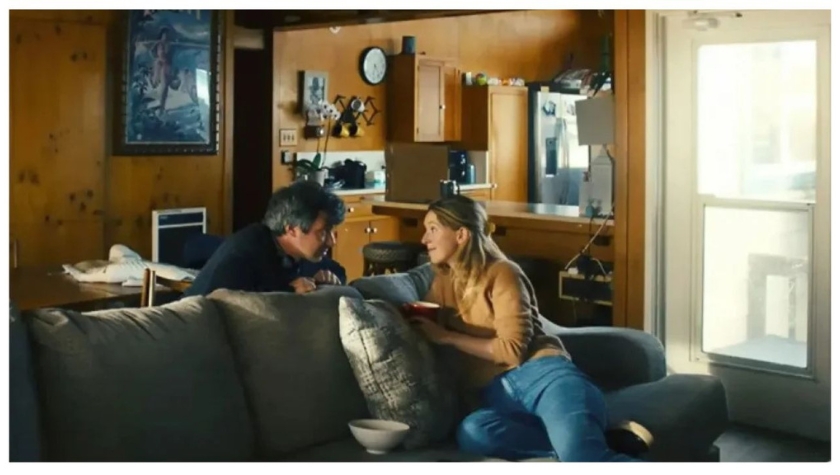
A docudrama is a film or television series that takes real-life events and dramatizes them using scripted scenes and dialogue to reconstruct some of those events. Unlike traditional documentaries, which rely on interviews and archival footage, docudramas tend to take creative liberties with dialogue, timelines, or specific details, using the spirit of real-life events rather than historical accuracy.
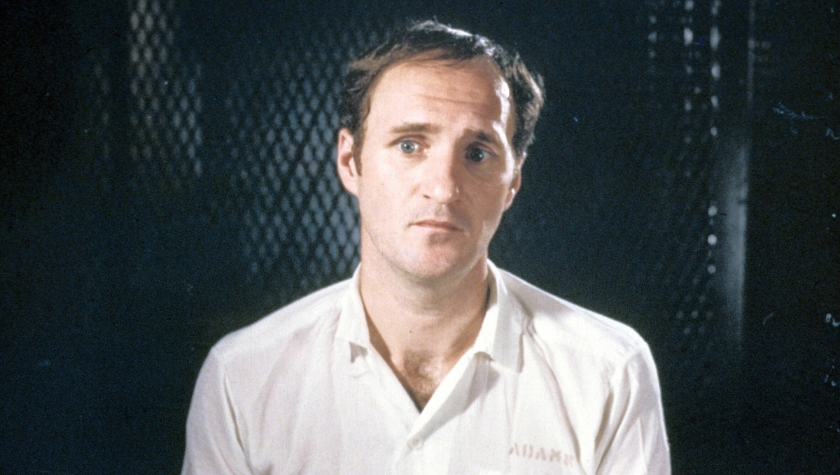
Errol Morris' The Thin Blue Line, for example, is a docudrama that uses reenactment to explore conflicting accounts of a murder based on witness interviews. By presenting different interpretations of the same events, Morris engages the audience by encouraging them to interpret what they see and hear versus accepting one version of the truth.
Reconstructing Reality
One of the most interesting aspects of You Can See Everything is how Fielder uses scripted scenes to reconstruct events that weren't captured on camera. Reenactments can do more than fill in the gaps though. They allow filmmakers to show the audience what someone says happened or how an event is remembered.
Amanda Seyfried, who portrayed Holmes in the miniseries The Dropout, not only becomes part of the documentary but also reprises the role to reconstruct events for the documentary. Without these reenactments, some of these scenes would only be known via interview or left out entirely.
Just like in a fictional film, these scenes can show a character's subtext, behavior or conflicting perspectives as opposed to exposition. In You Can See Everything, Seyfried becomes more than an actor playing Holmes. She becomes part of the filmmaking process, which blurs the line between recreating reality and interpreting it.
The choice to have these reconstructions in the movie shows that filmmakers have agency about what the audience sees and experiences versus what is left out.
Don't Be Afraid to Ask Questions
Throughout You Can See Everything, Fielder challenges Holmes and Evans to explain their feelings, motivations, interpretations of events and decisions. But rather than accepting an answer or letting a moment of reflection sit, he pushes them on it; sometimes very awkwardly. When something feels incomplete or doesn't quite add up, Fielder pushes further. This adds tension but often gets closer to the truth.
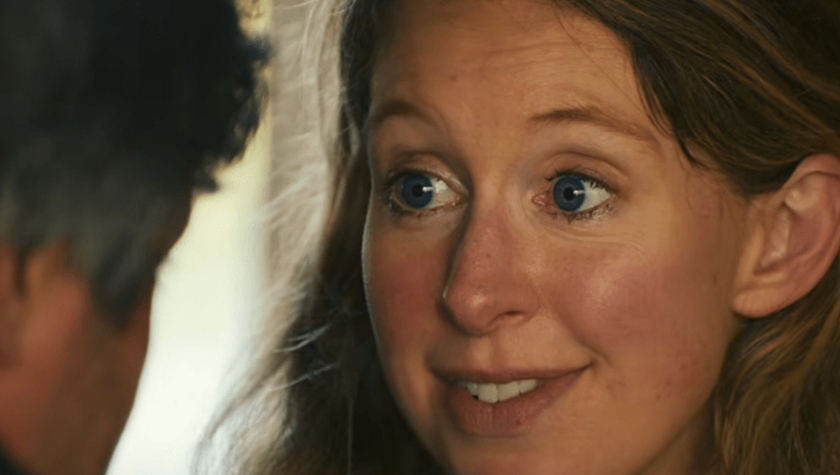
Fielder's questions also drive the narrative forward and place him inside his own documentary, becoming an active participant rather than a hands-off observer.
There are a couple of lessons screenwriters can take away from this:
- For a screenplay, a well-placed question can expose a character's hypocrisy, challenge their assumption or force them into confrontation.
- Don't shy away from questions in real life. They may be difficult to ask, but they can reveal a wealth of information.
When the Storyteller Becomes Part of the Story (Does It Work?)
Can a filmmaker remain objective when they're influencing the conversations and situations of their documentary? In a traditional documentary, the filmmaker often tries to remain an observer, allowing the subjects to speak for themselves. While they may ask questions during interviews, for the most part, they aren't part of their own film.
Fielder complicates that.
His questions and reactions become part of the story. But, given the situation he's in, it might have been the best approach. Holmes is willing to let Fielder document this period in her life, but he comes in with a healthy dose of skepticism. By becoming part of the viewing experience, he encourages audiences to question Holmes and Evans' version of their story.
Just like in a fictional feature, the person telling the story can be just as important as the story itself. Consider Red (Morgan Freeman) in The Shawshank Redemption who tells Andy's (Tim Robbins) story but also shapes what the audience sees and understands about the situation. If it were Andy telling the story, this would alter what the movie would be.
Fielder shows that the observer doesn't have to be neutral. Even in documentaries, the filmmaker's biases and assumptions can drive the narrative.
Unless you're watching a nature show, most documentaries will have the personality of the filmmaker embedded in the movie. Ken Burns doesn't show up in any of his documentaries but you know a Burns doc when you see it.
Curiosity is critical for screenwriters. By asking questions and challenging your characters, you can dive deeper than the surface and reveal true intentions and motivations. You Can See Everything started out with a question when Fielder wondered why him for this project, and became a sensational documentary that challenged our ideas of documentary filmmaking.