
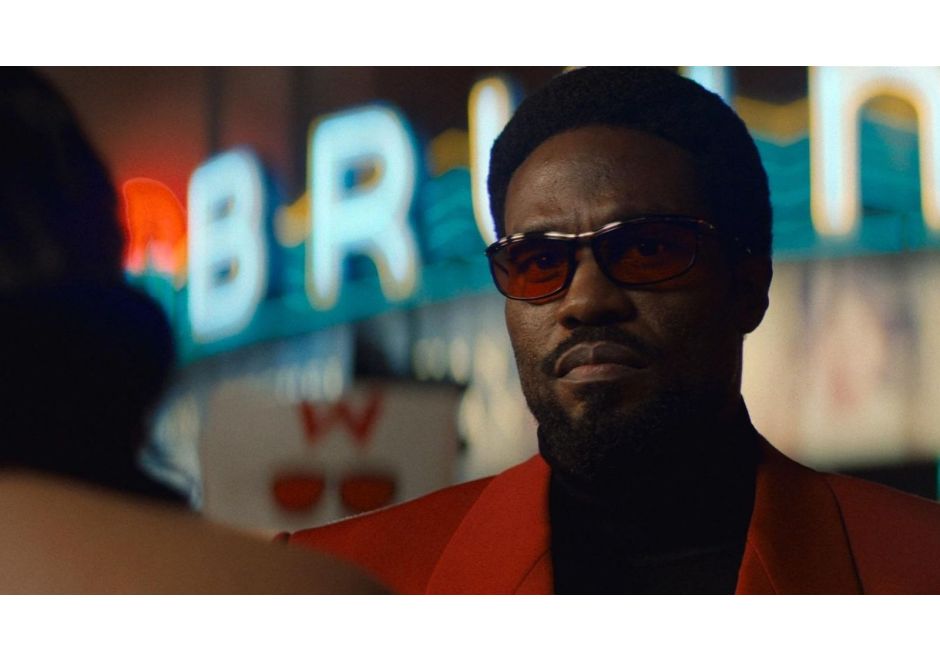
Hollywood loves a mirror, and right now, audiences do, too. From The Studio to Marvel’s Wonder Man, stories about Hollywood itself are thriving. They promise to peel back the curtain on fame and creativity while keeping us wrapped in familiar entertainment. Wonder Man is Marvel’s latest entry into this self-aware trend, turning superhero spectacle into sly industry satire.
Wonder Man follows Simon Williams (Yahya Abdul‑Mateen II), an actor chasing his first big break in a film world that doesn’t allow costumed heroes. Developed under Marvel’s Spotlight label, dedicated to smaller, more character-driven stories, the show trades intergalactic stakes for the chaos of casting calls, celebrity egos, and behind‑the‑scenes absurdity. It’s Marvel’s most overt nod yet to the age-old Hollywood obsession with watching itself perform.
The Allure of Hollywood Stories
For as long as there’s been a film industry, there have been stories about the people who keep its lights on. Early backstage dramas, fan magazines, and gossip columns promised audiences a peek past the spotlight, turning directors, agents, and extras into characters with cinematic lives of their own. Over time, that fascination evolved into prestige television and film that take Hollywood itself as both subject and setting, from burnout stunt performers to jaded assistants eavesdropping on power players.
These stories endure because they satisfy two cravings at once: access and reflection. They let us glimpse the messy machinery behind the glamour while offering the comfort of familiar emotions, ambition, envy, heartbreak, and human error. They turn the creative struggle into something audiences and artists alike can see themselves in, no matter which side of the camera they’re on.
Why These Stories Resonate Right Now
Modern Hollywood satires like Wonder Man and The Studio thrive by showing the gap between what we see and what it takes to get there. They linger on creative breakdowns, impossible schedules, and egos in collision, chaos that mirrors our own disorganized lives. Watching people fight to make the impossible look effortless scratches a collective itch: it’s both cathartic and funny.
In a cultural moment defined by uncertainty and overexposure, these stories offer order through dysfunction. They give audiences a safe way to revel in glamour’s collapse and watch the dream factory work through its own burnout, one manic episode at a time.
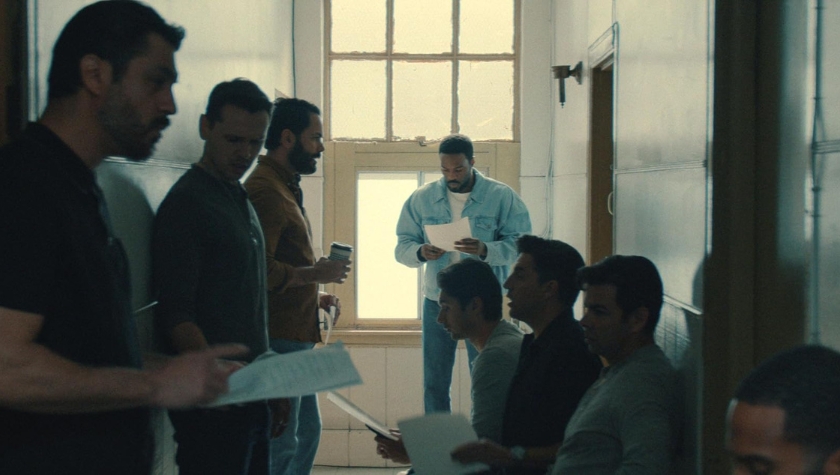
How Marvel Turns the Camera Inward
Wonder Man marks Marvel’s first true showbiz satire. Rather than expanding the multiverse, it strips the formula down to a single soundstage, where the same celebrities and gossip swirl, only now within the MCU’s borders. The result is strangely intimate: a franchise that pauses to ask what all this endless performance actually costs.
The show drops Simon into the grind of Hollywood life, guided (and occasionally derailed) by washed‑up mentor Trevor Slattery (Ben Kingsley). His powers, instead of making him special, become an obstacle to fitting in, an on‑the‑nose metaphor for the tension between authenticity and marketability. The fun lies in that friction: Wonder Man keeps the superhero gloss while exposing the soul‑crushing hustle beneath it. It’s a story that mocks its own illusions yet still believes in the magic of the industry it skewers.

Why Hollywood Stories Aren’t Going Away Anytime Soon
As long as Hollywood sells fantasy, audiences will crave the illusion of truth behind it. Each generation rediscovers the thrill of insider stories that blur the lines between fiction and confession. In this moment, Marvel’s ability to turn its spectacle inward feels like a logical next step, a giant studio reinventing itself as both subject and storyteller.
That’s what makes Wonder Man so intriguing. It suggests that big franchises may not need to grow to stay relevant; they can go inward, mining their own ecosystems for drama. In a landscape addicted to multiverses and lore, the boldest move might be self‑reflection. These stories endure because Hollywood is an eternal paradox: part machine, part myth, and always, always its own best muse.