
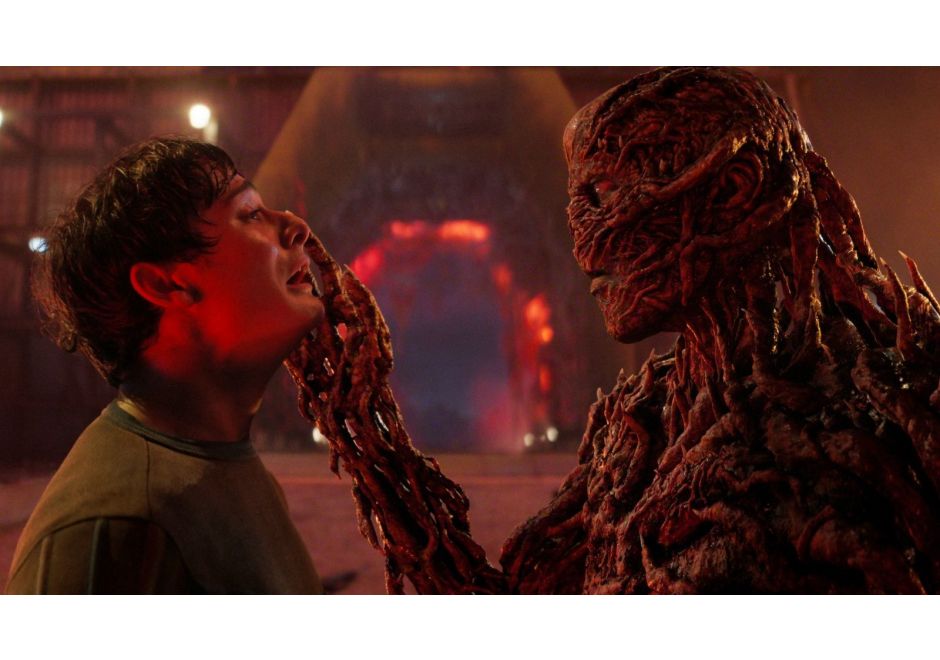
Stranger Things has always been a highly entertaining show. Even when it isn’t at its strongest, audiences are still enraptured by the story. It keeps us hanging on every moment, every emotion, every twist and turn in the tale. We are highly engaged with the complicated world created by Matt and Ross Duffer, also known as the Duffer Brothers, and that’s largely due to their excellent use of pacing.
Pacing is one of the greatest challenges for novice screenwriters. But like any other skill that makes a writer truly great, pacing can be practiced and strengthened over time.
Let’s break down what pacing is, how Stranger Things uses it well, and how you can use it to create a highly engaging story for your audience.
What Is Pacing?
Pacing is the rhythm of a scene. It sets the speed at which information is delivered to the audience, keeping them engaged, providing space to process complex information, building tension or emotion, signaling importance, and deepening trust.
There are three main types of pacing that every writer should know:
- Fast pacing: Shorter scenes, quick actions, raising the stakes, and frequent developments increase the narrative’s speed, urgency, and excitement.
- Slow pacing: Staying in scenes longer, emphasizing atmosphere, and highlighting characters’ internal worlds deepen character development, enhance empathy, and build suspense.
- Medium pacing: Provides balance to the story’s overall rhythm, giving room for character development and plot progression without overwhelming or boring the audience.
Good pacing keeps the audience locked-in to the story, both mentally and emotionally, preventing them from looking at their phones or getting overwhelmed with the amount of information they need from an event that comes too quickly. Pacing can also shape tension, contracting slower moments in a scene with bigger moments that land harder with audiences.
How 'Stranger Things' Nails Its Pacing
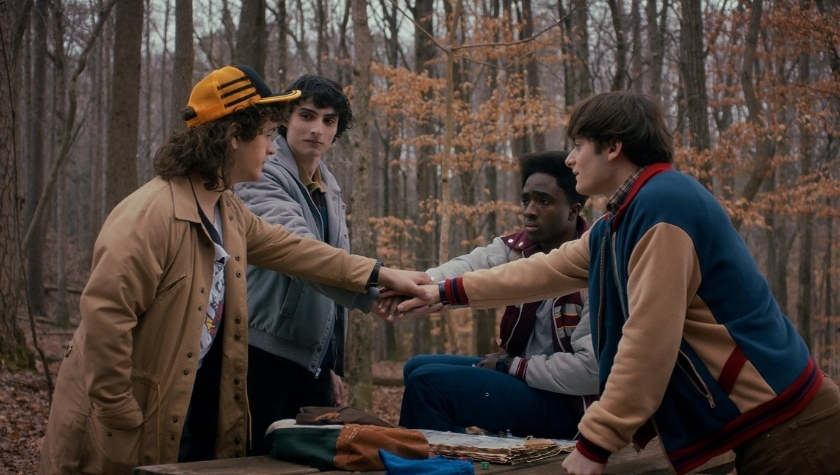
Believe it or not, the Duffer Brothers have a formula for writing each season of Stranger Things. Reddit user TheHawkeyeBird breaks down the Stranger Things writing formula, and it looks like this:
- Introduce the normal world.
- The inciting incident happens.
- Everyone is slowly brought together.
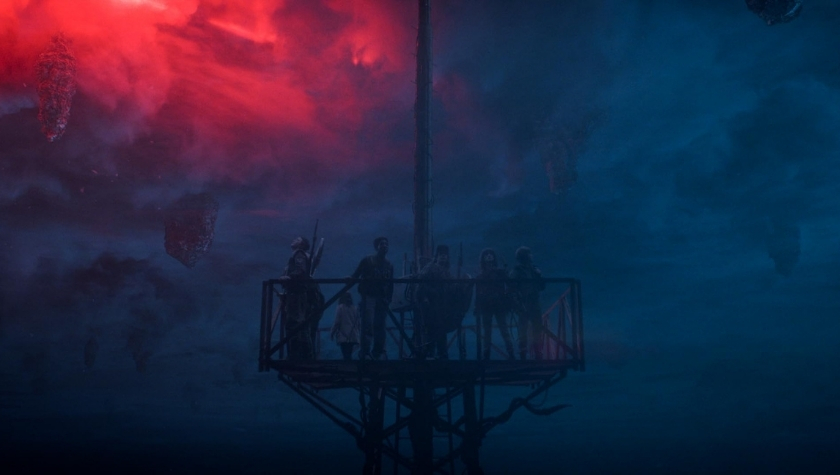
- The group confronts the big bad in the final episode.
Why does this formula matter? It provides a structure that helps the writers understand what needs to happen to push the story forward, giving them a roadmap as they break down what each scene needs to do. Even this formula has pacing built into its structure (slowly introducing the normal world to the fast-paced action of confronting the final boss).
When you know the function of each scene, you can decide on how the pacing will establish a rhythm that keeps the story moving forward while the audience is still hooked. Ultimately, it all comes down to writing an effective outline.
Knowing the shape and structure of your story gives you the power to use pacing and timing effectively to create tension, develop characters, or provide clarity to what has happened or what will happen.
Breaking Down the Pacing in ‘Stranger Things’ Final Season
Editor’s Note: This section contains a major spoiler for Stranger Things Season 5.
Having devoured the final season of Stranger Things over the holidays, I’m comfortable saying that the pacing works well overall. One scene where the pacing really shines is when Will (Noah Schnapp) helps Max (Sadie Sink) and Holly (Nell Fisher) escape from Vecna’s (Jamie Campbell Bower) mind.
Several things are happening in this “set-piece” sequence: a dead Demogorgon is reanimated Frankenstein-style, Will taps into his newly discovered powers, and Vecna is moments away from capturing Max and Holly. To set up this moment, the writers use a medium-paced scene to explain the plan to the audience, and a slow-paced scene to give Will an emotional heart-to-heart with Robin (Maya Hawke).
These quieter scenes gradually slow the pacing down to:
- Establish expectations that help suspend disbelief.
- Deepen Will’s character development.
- Raise the story’s stakes and build tension.
All it takes is two scenes with clear goals and a slower rhythm to give the action-packed sequence of Will taking over Vecna’s body the momentum it needs to feel truly powerful, a classic slow-build-into-release pacing pattern.
When you’re writing your own set piece, ask yourself if there are one or two quieter scenes that can be added right before the big moment to deepen the clarity of the plan, deepen a character beat, and raise the stakes before things explode? It will give your readers clarity on what is at stake and why it matters to the plot.

How You Can Write Great Pacing in Your Screenplay
Stranger Things can teach us a few things about what good pacing looks like and how we can develop it in our own scripts. The speed of your pacing should be purposeful. Slow pacing gives the scene breathing room to build characters, help the audience understand what has or will happen, or do some worldbuilding. Faster pacing helps move the audience through action, raises the stakes, and creates a sense of urgency. Together, these different types of pacing can engage the audience in the story, drive empathy, and raise tension when it matters most.
The example above from the final season of Stranger Things highlights this perfectly. The slow-to-fast pacing creates the tension that makes our investment in a character feel worthy of the screen.
Here is how you can do this in your own script:
- Start with a clear story structure: Know what has to happen in your story. This will be your faster-paced scenes.
- Define the purpose of each scene: As you start to outline each scene, understand its function in the story and how it relates to the previous and following scenes.
- Alternate slow and fast deliberately: Creating a rhythm by alternating between slow and fast scenes.
- Use slow scenes to earn big moments: A slow scene sets up the fast-paced “big moment” scene.
- Control information flow: All information scenes shouldn’t be too slow or too fast. They thrive best when they are medium-paced, trusting that the audience can process the information without being overwhelmed.
Great pacing rarely happens by accident. When you take the time to understand your story’s structure, know the purpose of each scene, and what it is doing for the plot, you can consciously shift between slower, reflective beats and faster, high-stakes moments. This momentum keeps the audience bingeing on a show like Stranger Things. Use these tips and tools as you outline, write, and rewrite. Your pacing will start to feel less like a mysterious force and more like a craft choice you can control.