
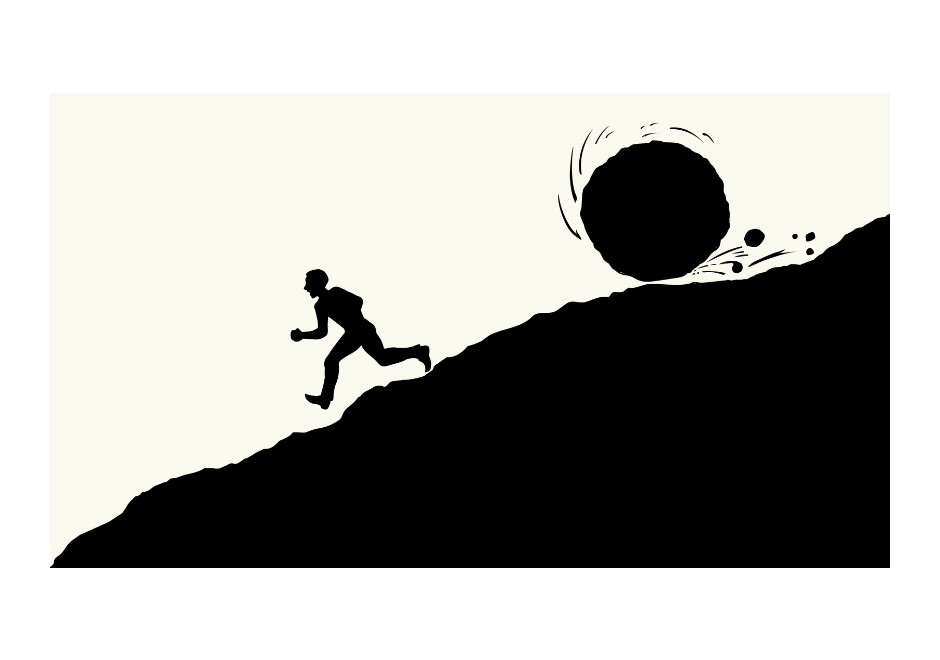
Conflict is everything in a screenplay. Without conflict, there’s nothing to drive the story forward. Stories need characters to be struggling through conflict that they are either forced to deal with, or conflict that they’ve chosen to face.
There are two different forms of conflict in literary, stage, or cinematic narratives:
- Internal Conflict
- External Conflict
Internal conflict involves a character’s inner struggles with values, ethics, desires, wants, needs, vices, and emotions. How the character deals with these inner conflicts defines their overall character arc throughout the story.
External conflict refers to the outward challenges and opposition characters face. It is the core driver of the narrative that creates intriguing tension, suspense, and overall plot development. It is also what engages the audience most.
As you can see, both internal and external conflict are essential to telling an effective, compelling, and engaging story.
But for conflict to exist, you first need your characters to face one key story element — obstacles.
Here we’ll discuss how to use obstacles to tell better cinematic stories, and, in the process, how to write obstacle-driven screenplays that stand out because of the more engaging conflict that is created for the audience.
What Is an “Obstacle” in Screenplays?
Think of it this way: your story doesn’t happen because something goes right - it happens because something goes wrong.
The easiest way to create conflict is by putting something in between the protagonist and what they need or want.
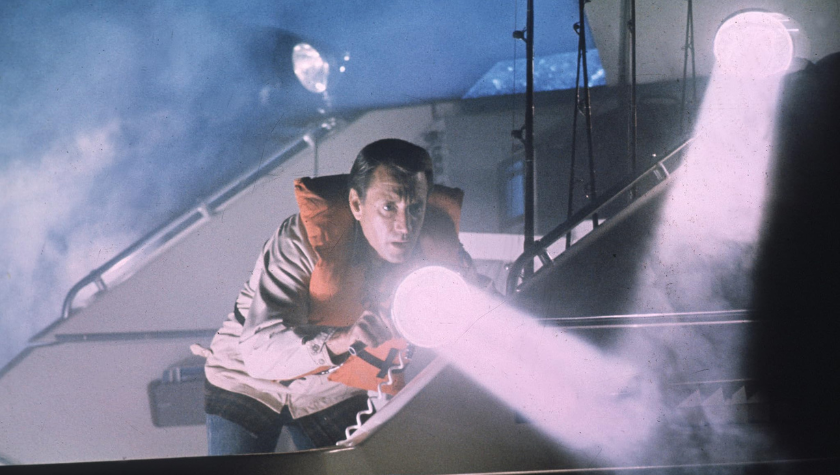
In Jaws, Chief Brody has taken a job as Chief of Police in the island community of Amity, primarily to escape the immense pressures of New York City. He figures he can avoid the stress and danger he faced as a big city cop, and focus on family in the peaceful surroundings of beaches and ocean views amidst a small town atmosphere.
What obstacles come in between him and his goals?
- Obstacle #1 A dead body of a local girl washes up on shore. Brody must unlock the mystery of how she died.
- Obstacle #2 It is revealed that a shark was likely the culprit of the girl’s death. Brody must now face the obstacle of Amity’s politics amidst the upcoming tourist season.
- Obstacle #3 A little boy is killed by a shark in front of everyone, now forcing Brody to have to do something about it while still navigating the politics around him.
- Obstacle #4 After realizing that a shark that was caught by locals isn’t the shark that has killed two victims and counting, Brody must team with two other specialists (an oceanographer/shark expert and a fishing boat captain) to find and kill the shark.
- Obstacle #5 Once they embark on their journey, they discover that the shark is more of a threat than they could have possibly imagined. Their plan to slow down the shark and bring it to the surface using barrels continues to fail.
- Obstacle #6 The shark attacks and disables the boat, forcing it to sink as Brody is left to take on the shark one-on-one on the surface of the ocean.
As you can see, there are many different types of obstacles that Brody was forced to face, not to mention the additional internal obstacles he had to overcome by the end.
What Are the Different Types of Obstacles Characters Can Face?
In the Jaws example, Brody was also tasked with facing an internal obstacle, which caused an internal conflict that he had to deal with beyond all of these other external obstacles - his fear of the water.
Irony plays well cinematically. A man with a fear of water moving to an island is ironic. And that irony ends up causing him conflict internally because not only does he have to find and defeat a giant great white shark, he also has to overcome his internal fear of water to do so.
So, what different types of obstacles can characters face in a screenplay?
1. Physical Obstacles
Whether it’s a shark, tornado, storm, monster, mountain, maze, race, sports game, or whatever other physical opposition, physical obstacles are what we and the character can see, feel, and touch. The conflict created when a character faces a physical obstacle depends on where they are in their life.
- Are they nearly indestructible, but are faced with evolved obstacles that test their limits? (Superman)
- Are they an everyday person who has never faced any major opposition and are now tasked with taking on a team of heavily-armed terrorists? (Die Hard)
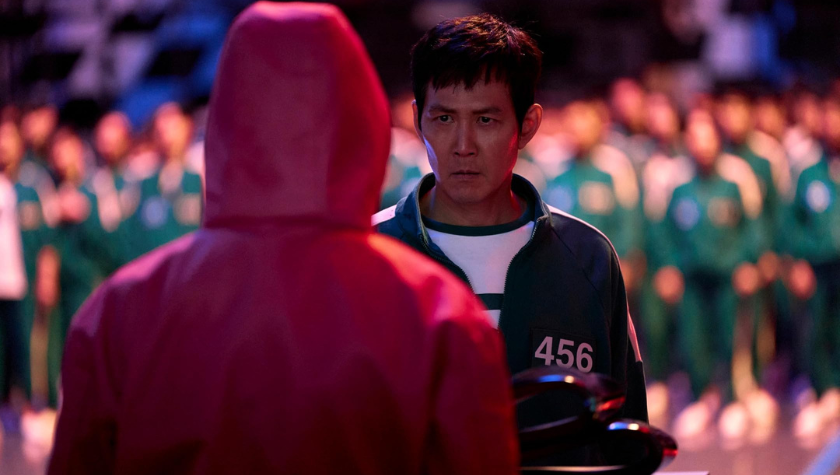
- Have they been plucked from the streets because of their desperate need to make money, and are now faced with death-defying obstacle after obstacle in the form of games they need to physically survive to A) continue living, and B) continue to have a chance to earn all the money they could ever need or want? (Squid Game)
- Have they pinned their arm in between a rock and a cave wall, and are now forced to make a choice between cutting their arm off and having a chance to live, or dying alone in a dark cave? (127 Hours)
Physical obstacles are usually what you’ll see in more kinetic stories like adventures, action flicks, horror stories, quests, etc. However, they can be applied to any type of story and genre, and they don’t always need to be the main conflict in the plot. They can just be additional obstacles your characters need to face amongst their main story and character arcs.
2. Intellectual Obstacles
Mysteries, adventures, and quests often showcase characters needing to solve intellectual riddles or mysteries to move ahead in the story - but, like physical obstacles, you can insert intellectual obstacles throughout any type of story or genre. These are the types of obstacles that a character must use their wits, past experiences, wisdom, and knowledge to overcome what inner and outer obstacles they face.
3. Ticking Clock Obstacles
Another effective obstacle focuses on temporal struggles, namely a ticking time clock that forces the protagonist to not only overcome an obstacle, but do so within a certain time limit. This type of obstacle instantly raises the stakes of the story by offering a different layer of conflict - time constraint. It drastically increases the tension and suspense of any story.
4. Social, Political, and Cultural Obstacles
A religious character being tested by their values. A politician struggling to remain ethical amid political strife. A teacher being accused of having an improper relationship with a student while facing public shame in town.
These types of obstacles entail a character dealing with different community conflicts that can involve race, religion, politics, public shame, etc.
5. Emotional Obstacles
This is where drama and character arcs come into play most, having characters deal with inner conflicts and struggles - specifically related to their emotional responses to any kind of obstacle.
- A hero dealing with failure.
- A coward needing courage.
- A character dealing with the loss of someone dear.
- A successful person dealing with self doubt and failure.
Emotional obstacles can be used for the core conflict of dramas and melodramas, but they can also be injected into any genre to create more depth. These types of obstacles - and the conflict created as a result of them - drive character arcs. And that can work effectively in action movies, sci-fi, comedies, horror flicks, thrillers, etc.
6. Moral and Ethical Obstacles
Furthering the idea of using obstacles to create conflict, moral and ethical struggles are key to creating standout character arcs amidst any other types of obstacles the characters face throughout the story.
These obstacles can range from tiny story beats to major themes of any story.
7. Health and Physical Obstacles
Whether it be physical or mental health, these types of obstacles offer both internal and external conflict to drive both the story arcs and the character arcs in your scripts.
- My Left Foot
- Forrest Gump
- A Beautiful Mind
- Leaving Las Vegas
- Born on the Fourth of July
- The Theory of Everything
- Wonder
- CODA
- Rain Man
- The Peanut Butter Falcon
These (and so many more) movies are examples of characters facing, dealing with, and thriving through health and physical obstacles in their lives, which creates outstanding inner and external conflicts.
What Is an Obstacle Driven Script?
Now that we’ve discussed the general ins and outs of what obstacles are, and how they create conflict in a story, we can delve into how you can use these effective screenwriting elements to write more compelling, more engaging, and more well-paced screenplays for Hollywood to consider.
Obstacle-driven is a much-discussed term, seemingly with inconsistent definitions.
What Does Obstacle Driven Mean?
The basic (and most obvious) breakdown is that these types of scripts are primarily driven by the obstacles themselves - meaning that major obstacles are thrown at the character, and the story is driven primarily by those obstacles and how the protagonist(s) deal with them.
Many believe that these types of scripts are less about character arc and development, and more about the kinetic results of how the characters overcome physical and external obstacles they must face.
- Indiana Jones
- Mission: Impossible
- James Bond
- Jurassic Park/Jurassic World
- Ocean’s Eleven
- Saw
- Fast and Furious
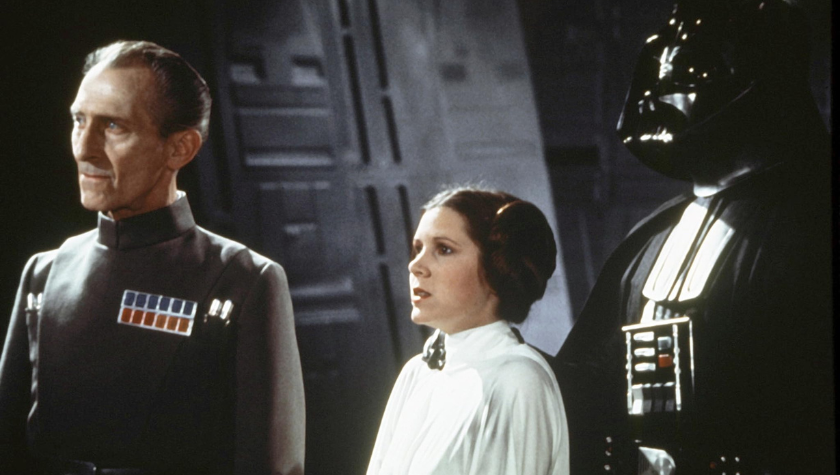
- Star Wars
These franchises focus on obstacle-driven stories where the obstacles are usually just as important as how the characters overcome them.
They all involve overcoming obstacle after obstacle to either defeat the villain by the end, or to attain some wanted or needed goal.
The general obstacle driven term implies that the scripts are less about drama and internal arc, and more about an exciting rollercoaster ride that creates a more visceral experience for the audience.
However, one could argue that obstacle driven scripts could also utilize the other types of obstacles we mentioned just as effectively, creating both a visceral and emotional experience. But, generally, when someone within the industry talks about needing or wanting an obstacle-driven script, they’re talking about those rollercoaster rides that have the visual aesthetics to create a more exciting viewing experience.
Sometimes people just want to watch a movie that takes them on a thrilling and pulse-pounding ride, watching characters dealing with seemingly insurmountable obstacles.

How Do You Write an Obstacle Driven Script?
Whether you want to write a great and exciting rollercoaster ride or create a cathartic and dramatic emotional experience with your script, the act of writing something that is obstacle driven is fairly simple - throw more obstacles at your protagonist(s).
Simple enough, right? But the magic is in how you go about doing that. Here are some pro tips on how to write obstacle driven scripts to wrap things up:
- Open with an introductory obstacle that captures our attention.
- Briefly show the protagonist(s) in their ordinary world, so we see how any and all obstacles will shake up their ordinary life down to the core.
- Just when we think the protagonist(s) will be able to overcome that first major obstacle with ease, insert a twist that forces them to fail and regroup.
- Once they think they’ve learned how to adapt and overcome the twist, bombard them with ever-evolving conflict in the form of escalated obstacles that make the stakes higher and higher.
- Then give them some additional knowledge or discovery that helps them at least have a chance to overcome the latest obstacle in their journey.
- Throw in another twist as they apply that knowledge, and take them to their lowest of lows where all hope of overcoming the latest obstacle is lost.
- Then give them the moment where they finally overcome it all.
Do all of this every few pages of your script, as far as having them face evolving conflict by way of evolving obstacles. - And this is where you can utilize some or all of the different obstacles listed above to create an even more visceral experience - both on an internal and external level.
Conflict is everything. The obstacles you force your characters to face create more and more conflict. The more conflict you have, the more engaging and compelling your script is.
But, remember, you don’t want to just throw in any type of obstacle.
- A meteor is coming.
- They blow it up.
- Now an even bigger meteor is coming.
- They try to blow it up.
- When they do, now there are multiple meteors coming.
Avoid redundancy, and try to avoid throwing random obstacles in their way as well. Every obstacle should be a direct result - a direct cause and effect - of the central core conflict of the story. That is why we use the term evolved conflict or evolved obstacle. Everything must evolve from the first obstacle (and the conflict that ensues) to the next.
An obstacle driven script is all about enhancing the visceral experience of the read of your script (and, hopefully, the eventual movie made from it) by way of adding more clear, distinct, and easy-to-understand/process obstacles so the reader (and eventual audience) can enjoy the ride without too much investment on their end, thought-wise.
But it doesn’t hurt to know how to also inject inner obstacles that can also enhance the ride that much more!