

One of the most common terms screenwriters will come across throughout their career is IP.
“It’s hard to sell spec scripts right now because Hollywood wants IP.”
“Do you have any IP-based scripts?”
“We’re looking for a screenwriter to adapt an IP project.”
So what exactly is IP? And what does it mean to screenwriters and their careers?
What Does IP Mean?
IP stands for Intellectual Property. In the film and television industry, it refers to pre-existing material that studios, producers, networks, and streamers already own or have licensed the rights to.
Examples of IP can include:
- Books
- Comic books
- Videogames
- Toys
- TV shows
- Movies
- Podcasts
- Articles
- True stories
- Stage plays
- Theme park rides
- Existing brands
- Existing characters
If a movie or television series is based on something already pre-existing and recognizable, that’s intellectual property that has been adapted for the screen.
Some of the most successful movie franchises are based on IP:
- Harry Potter (based on the novels)
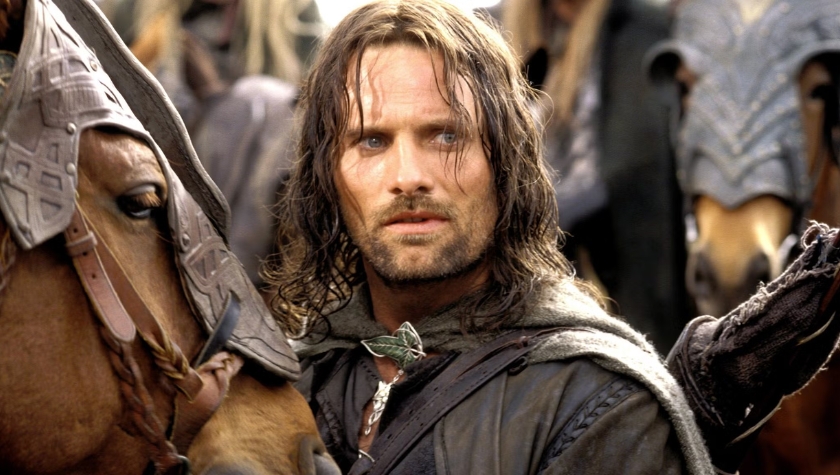
- The Lord of the Rings (based on the novels)
- Batman and Superman (based on comic books)
- The Marvel Cinematic Universe (based on comic books)
- Transformers (based on the toyline and cartoon)
- The Last of Us (based on the video game)
- Mission Impossible (based on the old TV series)
- Top Gun (based on an article)
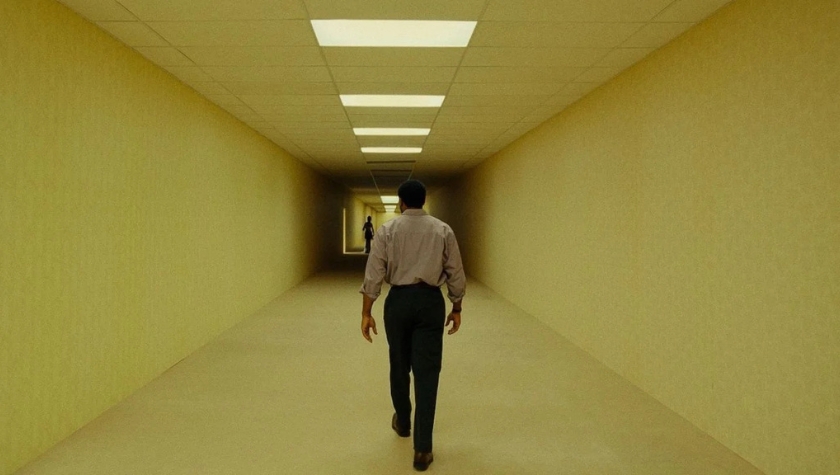
- Backrooms (based on a creepypasta)
Original screenplays like Star Wars only become IP once the stories, concepts, worlds, and characters from the original script continue in sequels, prequels, and spinoffs.
Why Hollywood Loves IP
Hollywood has always adapted intellectual property. That’s nothing new. But today, the film and television industry depends on IP to drive profits.
Why does Hollywood love IP so much?
IP reduces risk. Making movies and television shows costs millions and millions of dollars to produce and market. Studios and TV networks want some level of confidence that there’s an audience for whatever it is they are producing.
Recognizable IP also reduces marketing costs and enables a more focused campaign because a good portion of the audience (those who are fans of the IP) already knows the titles, characters, worlds, and concepts.
Because of that, an IP title is so much easier to market. You sell it as an adaptation of something that has already proven successful.

IP Isn’t Just About Big Franchises
One of the biggest misconceptions newer screenwriters have about IP is that it equals big, effects-driven, billion-dollar franchises. That’s not true at all. IP exists on many different budget levels.
- A Lifetime thriller movie of the week can be based on a true crime story.
- The highest-grossing movie of its time, The Godfather, was based on the bestselling book.
- Friday Night Lights (both the movie and the highly praised TV show) was based on a bestselling non-fiction book.
Hollywood is always looking for material that already has some audience awareness, a hook, or recognizable aesthetics.
That doesn’t always mean IP is always meant to turn into huge movie franchises. Sometimes it’s just about adapting something they think will draw in any type of audience, even if it’s just for one intended film.
What Does This Mean For Original Screenplays?
It’s easy for screenwriters to become cynical when they learn about Hollywood’s obsession with IP. It’s also easy to assume that their original screenplays are never going to make it because of that obsession.
Nothing could be further from the truth.
Spec scripts (original screenplays written under speculation that they’ll be bought and produced) still sell. Original movies with original concepts still get made. Originality still matters. Hollywood is still looking for original concepts, stories, and voices.
The issue is that the market has changed.
Studios are much more cautious with original movies that require bigger budgets, unless there’s an exceptionally commercial hook. For spec scripts, at least in the studio system, high-concept original ideas stand out the most. A great original screenplay usually needs one or more of these qualities:
- A marketable hook
- An exciting concept that instantly captures the audience’s attention
- A contained budget
- A strong genre engine (sci-fi, horror, high concept comedy)
- A clear audience
That’s not to say your smaller character-driven drama specs don’t have a chance. They do. You’re just going to need to market them to specialty production companies that make indies and lower-budget pieces.
Spec Scripts Can Get You Screenwriting Assignment Jobs
Your spec script doesn’t have to sell in order for you to become a professional screenwriter. Spec scripts are also used as calling cards and proof of talent for writing assignments, which are the bread and butter for pro screenwriters.
Writing assignments involve hiring screenwriters to write scripts based on IP owned by the hiring company. This IP may be what we’ve discussed above, or it may be based on an original concept the company’s development team or producers have conjured or acquired.
How Can Newer Screenwriters Attain IP Rights for Their Spec Scripts?
The one thing screenwriters cannot do is write scripts using IP owned by another. You don’t want to go writing a sequel to your favorite billion-dollar franchise, expecting to sell that script. The studios won’t even read such scripts, let alone attempt to buy and produce them from an unknown. They have their own writers for that, or will hire someone to adapt their IP.
However, screenwriters can be creative and find ways to obtain IP rights for a pre-existing property.
- Use the Public Domain - Iconic characters, worlds, and stories like Robin Hood, Peter Pan, Dracula, Sherlock Holmes, Tarzan, Alice in Wonderland, The Wizard of Oz, and other iconic properties are copyrights that have expired and are available for all to adapt. You just can’t adapt a studio’s version of the public domain they’ve produced. It has to be your sole interpretation of the property.
- Seek Out Rights to Books or Articles - Most bestselling books will already have movie and TV rights sold, and those rights are likely very expensive to acquire. But for smaller books, or even for magazine or newspaper articles, any screenwriter can contact the writer or publisher to inquire about the adaptation rights.
- Pitch Yourself to be Assigned to IP - If you have the rights to some IP, if you know a company that has rights to a certain IP, or if there is an open writing assignment looking for screenwriters to handle IP, you can pitch yourself to be the one to take that IP on, usually requiring a presentation or pitch deck to showcase your version and what you would do with it.
Originals and IP Balance the Industry
Don’t worry. You don’t need IP to be a successful screenwriter. It just helps to know and respect the balance between Hollywood’s want and need for new and original work, as well as their want and need for IP to lessen their overall risk.
But even IP can be risky. No different than with original movies, not all adaptations are sure things. Not all of them are hits. There are countless video game, comic book, and book adaptations that have flopped at the box office.
Originals are still vital to Hollywood's success. But knowing and understanding why IP matters to Hollywood is smart. Using that knowledge to your advantage can help you along your screenwriting journey and career.