
Could Chandler be any more ironic? The notoriously sarcastic Friends character, played by Matthew Perry, was constantly slinging one-liners and comedic comments that became his signature. While sarcasm is a form of verbal irony, it’s far from the only kind.
So, what is verbal irony?
Verbal irony is when you say something but mean the opposite, but it’s not lying. Verbal irony is done intentionally, and often relies on tone and context (a classic example is someone standing in the middle of a rainstorm and saying, “Nice day we’re having.”)
Let’s take a look at verbal irony in movies and TV shows, and how you can use it in your next screenplay, starting with its different types.
The Different Types of Verbal Irony
There are four main types of verbal irony:
- Verbal Irony vs Sarcasm
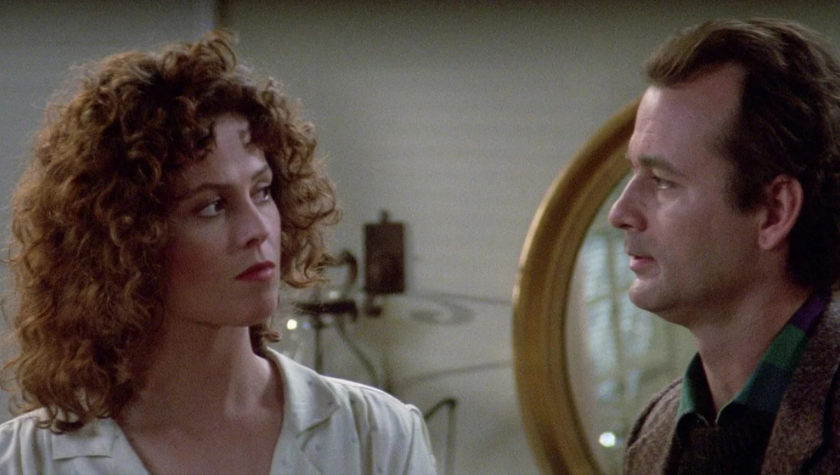
Sarcasm is a type of verbal irony used to mock or criticize something or someone. Peter Venkman (Bill Murray) in Ghostbusters is filled with sarcasm, such as when Dana (Sigourney Weaver) tells him about hearing something say ‘Zuul’ in her refrigerator. Venkman’s response: “Generally, you don’t see that kind of behavior in a major appliance.”
Sarcasm can be used for joking, like Chandler (Matthew Perry) in Friends, or it can be mean-spirited, like when the kids in Sandlot make fun of Smalls (Tom Guiry) the first time he tries playing baseball. So, while sarcasm is a form of verbal irony, not all verbal irony is sarcasm. - Stable vs. Unstable Verbal Irony
Stable verbal irony is when you say something that has a clear alternate meaning. An example is when someone says, “I’m so hungry I could eat a cow.” We know they aren’t going to literally eat a cow, but we understand how hungry they are.
Unstable irony isn’t as clear though. Think about The Usual Suspects when someone asks Verbal why that’s his name and he responds, “People say I talk too much.” The thing is, he hasn’t talked much in the scene – so it’s unclear whether it’s a play on his lack of talking or that maybe he does talk a lot, just not at this moment. Unstable irony is ambiguous. - Overstatement vs. Understatement Verbal Irony
Understatement verbal irony is when someone tries to downplay a situation. In Monty Python and the Holy Grail, one of the famous scenes is when a knight is challenged to a duel and his opponent cuts the guy’s arm off. The response, “It’s just a flesh wound.”
Overstatement verbal irony is the opposite, so someone would exclaim something major regarding something almost meaningless. If it’s been a while since you saw a friend, you might say, “I haven’t seen you in a million years.” That’s a bit of an overstatement. - Socratic Irony
Socratic irony is the technique of posing simple questions. The goal in using Socratic Irony is that by pretending to be ignorant, you expose the ignorance or flaws in someone’s arguments. Why Socratic? It encourages deeper reflection and critical thinking.
Think of Elle Woods (Reese Witherspoon) in Legally Blonde who uses her perceived ignorance to win the case. Sacha Baron Cohen in Borat, Bruno or Da Ali G Show are also examples of Socratic irony.

Verbal vs Situational Irony
Verbal irony relies on the use of language and tone, whereas situational irony depends on events and circumstances. Situational irony creates surprise through unexpected twists in how a situation actually unfolds. Perhaps one of the most famous examples of situational irony is the Titanic, an unsinkable ship that hits an iceberg and sinks. As you can see, it’s all about playing on expectations. Another example is The Sixth Sense regarding Bruce Willis’s character (we won’t spoil it.)
Verbal Irony vs Dramatic Irony
Dramatic irony occurs in a story when the audience knows important information that the characters do not. This creates tension or humor, as viewers understand the true situation while characters act on false assumptions.
A very non-humor example of dramatic irony is Romeo & Juliet when the audience knows that Juliet has taken a liquid that makes her appear dead when she’s actually alive. Then Romeo appears at her grave, believes she’s dead and kills himself with poison.
Juliet then awakens and does a bit of verbal irony when she takes Romeo’s knife and says, “Oh, happy dagger,” in which there isn’t anything joyful about it.
Another example is in Coming to America, in which the audience is well aware of Akeem (Eddie Murphy) being the heir to the throne of Zamunda, but everyone he encounters doesn’t know this.
Why Screenwriters Should Use Verbal Irony
Verbal irony can be used in any type of genre to help tell any story. Here are some ways writers can use this literary tool along with some verbal irony examples.
- Make People Laugh. This is the most obvious reason and has been used in countless comedies or to help release tension after a suspenseful scene. At the end of Silence of the Lambs, Hannibal Lecter (Anthony Hopkins) tells Clarice (Jodie Foster) that he is going to have an old friend for dinner. This is a perfectly normal line, with the exception that Lecter is a cannibal serial killer staring at his nemesis.
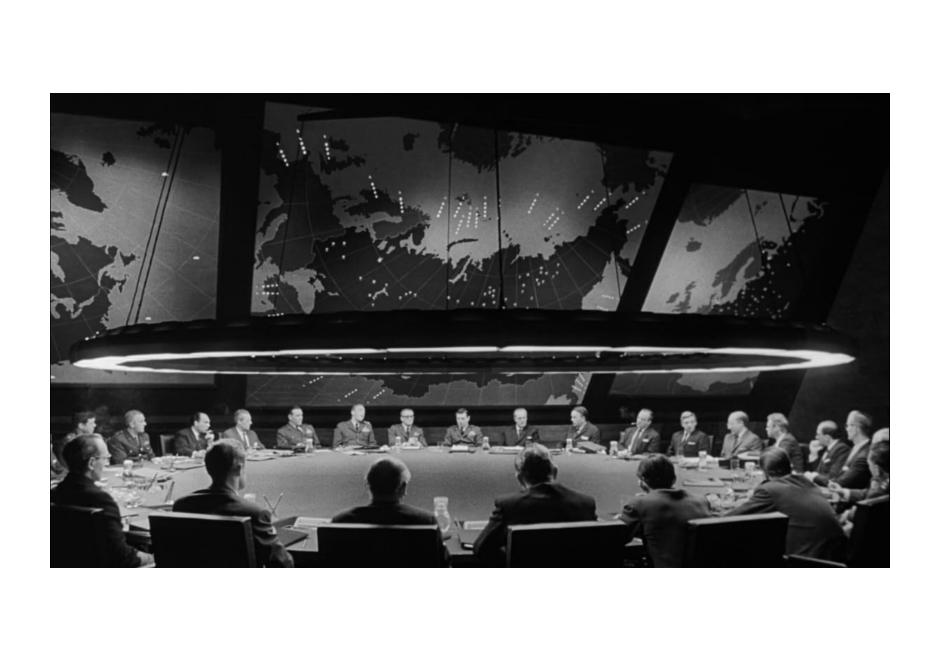
- Point Out Contradictions, Hypocrisies or Absurdities. In Dr. Strangelove: Or How I Learned to Stop Worrying and Love the Bomb, the President (Peter Sellers) states, “Gentlemen, you can’t fight in here! This is the war room!”
- Imply Meaning Beyond the Literal Meaning. Forrest Gump (Tom Hanks) will occasionally start a statement by saying, “I’m not a smart man…” And while he isn’t considered smart, it’s verbal irony because the audience understands that he may not be intelligent, but he is wise.
When screenwriters try to figure out how to use verbal irony, they are elevating their characters and making the audience participate in the story. Even though the words aren’t literal, the screenwriter believes the audience will understand the context behind the words.
Irony doesn’t necessarily mean something surprising or unintended happens; it’s all about opposites as it challenges expectations. Verbal irony creates depth, brings the audience along for the ride, and can be used in any genre.