
It’s been a long road getting Psycho Killer to theaters. The Wrap announced the teaming up of director Gavin Polone and writer Andrew Kevin Walker for the serial killer thriller back in 2010. Sixteen years later, it feels like an even greater accomplishment that a film like Psycho Killer went through production and made it onto the big screen. That’s because serial killer stories are finding audiences through other means, such as podcasts, documentaries and limited series on streaming services.On top of that, audiences tend to thirst for true crime rather than fiction.
And yet, gritty serial killer movies have found ways to break through the noise and find their ways into theaters. The surprise hit of 2024 was Longlegs, which followed an FBI agent tracking down the one responsible for a killing spree. The Oz Perkins-directed thriller had a $10 million budget and raked in over $127 million worldwide, according to IMDb – not a bad return on investment.
Even still, reboots and remakes like I Know What You Did Last Summer and the Scream franchise also have a villain(s) serial killing their way through attractive 20-somethings, just not in a gritty way. Weapons and Black Phone offer original stories with a horror element as well, although they are more supernatural. And while those don’t necessarily have the grit-filled detective/cop/agent following clues to find the killer, they keep the genre alive.
Psycho Killer sets itself apart from many modern day serial killer stories, yet it has similar tropes. Let’s take a look at what screenwriters can use from this killer thriller.
How to Design a Serial Killer
A serial killer must have presence. Even when they aren’t on screen, they are constantly top-of-mind. Whether it’s Hannibal Lecter or Buffalo Bill in Silence of the Lambs or Ghostface in Scream, they are the entity that drives the story because they are the reason the plot exists in the first place.
In Se7en, Walker’s first major break as a screenwriter, two detectives are tracking down a methodical and long-term thinking serial killer who murders those he deems guilty of committing one of the 7 deadly sins. The killer is smart, and that’s what makes him especially frightening; he knows what he’s doing and is executing it meticulously.
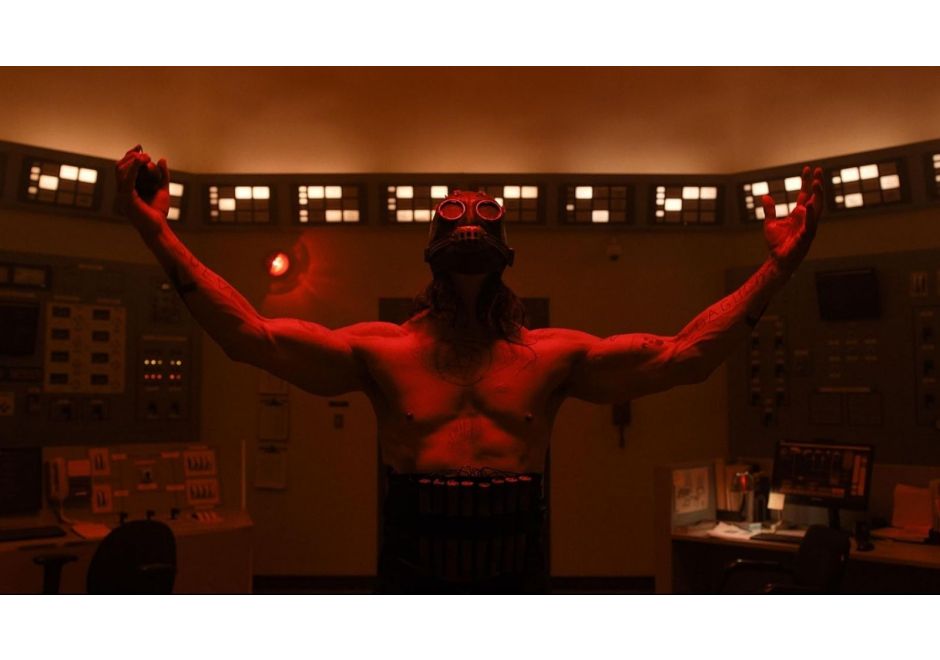
Psycho Killer has a madman on a mission. It becomes apparent that his killing isn’t necessarily random but all leads toward a specific goal. He’s smart in his execution and is mission-driven; that makes him a more compelling character.
Another aspect is secrecy. The audience never sees the killer’s face, which often is the case in the killer thriller genre. Only at the end, or at a pivotal point in the story, will their identity be revealed. It’s not only a way to keep the audience and other characters guessing, but secrecy adds another frightening element to a terrifying story.
The Importance of a Really Good First Scene
The fact that you hear the harsh sounds of an engine roaring as it speeds through a desolate part of the country is jarring enough. Any shots of the driver reveal little more than his sunglasses. Then a cop pulls up behind him; no lights flashing, just driving. That’s when the car pulls over without being prompted and waits for the officer to approach.
I won’t spoil the scene but it’s apparent from the start that something bad is going to happen here. From the driver’s graveled voice, the threatening vibe, the officer’s ‘strict but fair’ demeanor – it’s all there to build tension.
What happens and how bad it’s going to be for the other characters in the scene shapes the mood of the movie, giving the viewer a sense of who the villain is and the expectations of the story.
From superhero movies to One Battle After Another to Wicked, the first scene must set the table for the meal you’re about to serve.
A Cop Who Won’t Stop
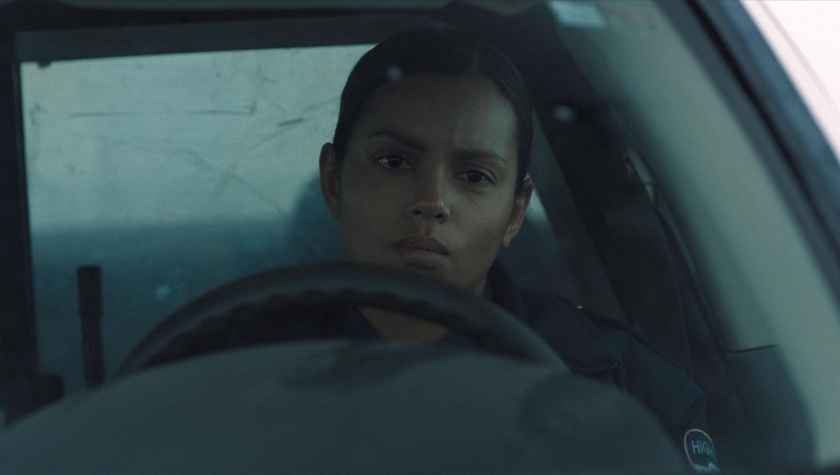
Movies and TV shows are filled with cops who won’t stop. They’re determined to find the bad guy, even if it means ruining their personal lives or careers. The same goes for Jane Archer (Georgina Campbell), the officer in Psycho Killer who is resolute in tracking down the murderer who killed her husband.
It’s the catalyst that puts the movie into motion.
She’s not seeking revenge though, but rather is determined to stop the killer so that he can’t kill again. In spite of objections, she embarks on the journey. As she gathers clues and seeks help from the FBI, she finds herself constantly shut down and waved off.
Serial Killer Trope Check:
- Police or law enforcement who is obsessed with their work
- Other law enforcement characters who won’t help or listen to the protagonist because “it’s their case.”
- Law enforcement character who wants to help but, “If they found out I was helping you, I would be in big trouble.”
- The moment when the doubters realize the protagonist was right.
Using Religion in Horror and Thrillers
There’s a reason religion appears so often in horror and thriller movies. It’s because there is a vast mythology of angels, demons, sin and punishment: look no further than Walker’s Se7en, The DaVinci Code, or any number of exorcist-inspired movies, all of which rely heavily on religious symbolism.
Psycho Killer’s villain is a true believer of Satanism and treats its teachings as gospel. He views those who are as devout as he is as allies and those who exploit the religion for personal gain as betrayers. Things don’t go so well for the non-Satanists.
Because audiences recognize religious symbols like crosses, pentagrams and 666, the familiarity lets filmmakers play on these fears in fresh ways while grounding terror in beliefs many viewers already understand. What made Se7en so accessible was that audiences understood the idea of the 7 Deadly Sins. With Psycho Killer, Walker uses the concepts of Satan and its symbols to make the villain a frightening entity to face.
Fueling a Plot with Clues
“When you're planting clues, the object is not to plant a clue so the audience can access that clue towards the end and solve the mystery,” said Rian Johnson in an interview with the British Film Institute for his film Wake Up Dead Man. “The object is when the audience gets the reveal at the end, they think back and remember that clue and think, Oh the movie played fair with me.”
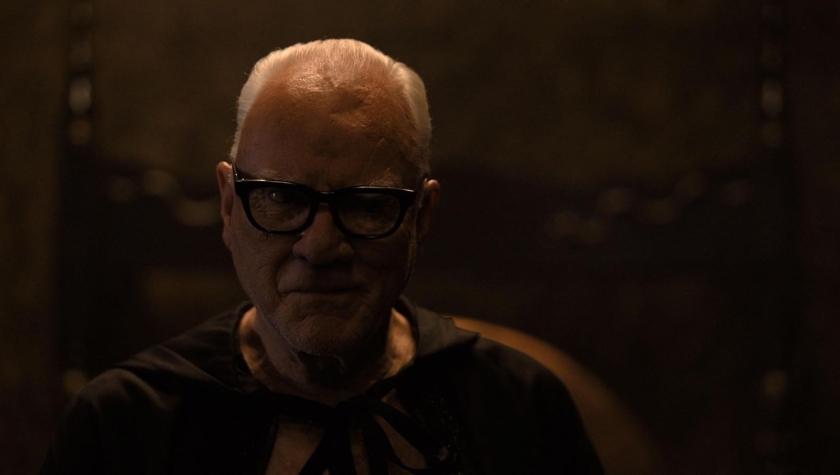
Archer is the detective tracking down the Satanic psycho killer and with each clue she finds she gets closer to him, with each clue pulling her deeper into the killer’s psychology and closer to understanding his mission. The audience also gains a greater understanding of the killer and his motives.
Clues are small wins that eventually lead to the killer. In Psycho Killer, all the clues left behind are part of a large puzzle that Archer must piece together in order to complete her mission: stop him.
Psycho Killer is the type of budget-conscious serial killer thriller that has the potential to do well in theaters and entertain/scare audiences. For screenwriters and storytellers, it’s a study in designing an intense, yet minimal, thriller showing how to use the tropes of the genre and create intriguing characters worth following.