
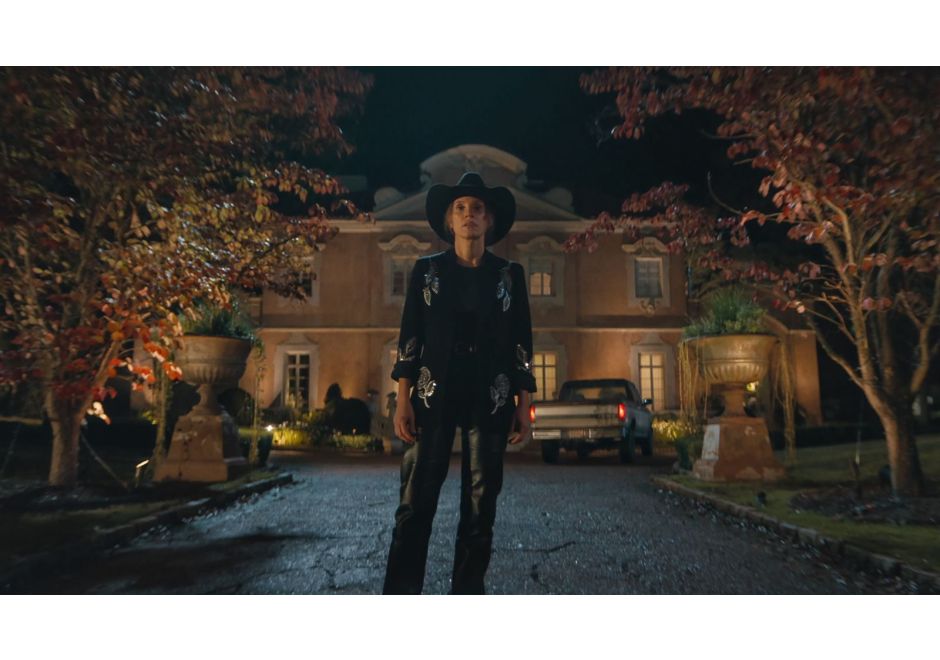
When we think of film noir, there are certain tropes that come to mind. A flawed detective exploring the underbelly of the city to solve a murder. A femme fatale as beautiful as she is dangerous. Morally ambiguous characters. Moody, atmospheric visuals that tell the audience there's a darkness in the city and our souls.
But what happens if you combine film noir with country western music and set it in Nashville with a female protagonist? That's exactly what writer/director Shana Feste wanted to find out. Her new film, Heartland, is a gritty neo-noir thriller that puts an unexpected spin on a classic film genre.
Starring Jessica Chastain as Misty Jones, a once-famous country singer who's ditched the spotlight, Heartland follows Misty as she searches for her missing niece, Charlie (Carter Faith), a rising country music star. But as Misty digs deeper into Charlie's disappearance, she discovers that Nashville's honkytonks aren't as blissful as their neon lights and twangy songs might lead you to believe.
"I really wanted to create something that I hadn't seen before, a neo-noir set in the world of country music with an undeniably badass character played by a woman over 40," Feste says.
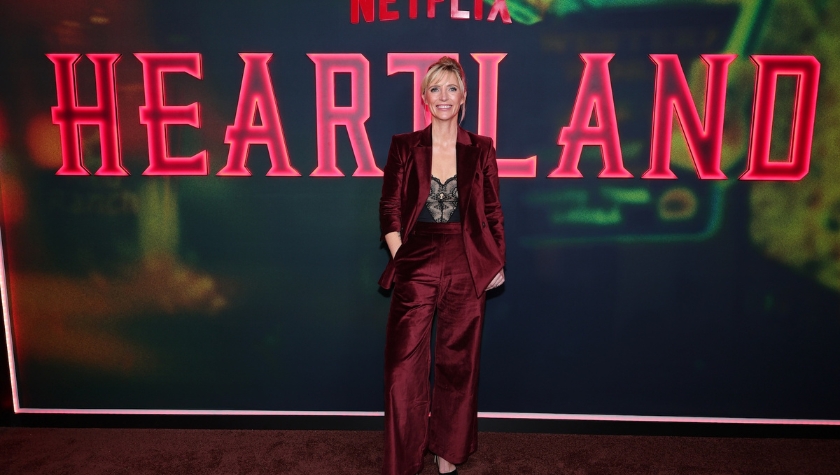
Feste studied classic noirs like Otto Preminger's Laura, a 1944 murder mystery known for its unexpected twists. "I really love the twists and turns, and that's what I thought most of. Okay, how can I do something unexpected?"
Feste also cites Sunset Boulevard and Vertigo as essential viewing for anyone interested in writing noir. "Watch the greats, immerse yourself in who did it best," she says. "And then once you do watch all those greats, let it go and make it your own, put your own spin on it."
For Heartland, that meant swapping some of noir's most recognizable imagery with country music culture. Take the ubiquitous fedora and trenchcoat worn by Humphrey Bogart in movies like The Maltese Falcon and The Big Sleep. "I'm not going to use the fedora, but I'm going to use a silhouette of the cowboy hat," she says.
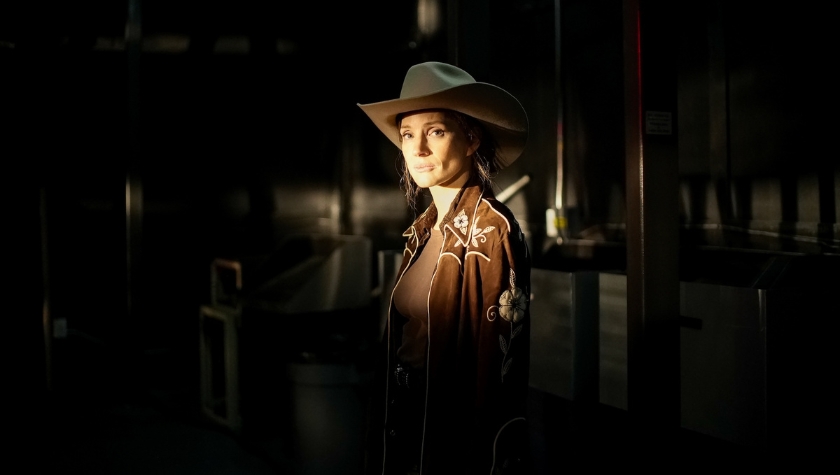
Misty also trades the trench coat for a buckskin jacket with embroidered roses, while platinum-blonde Charlie puts a country spin on the femme fatale. Even the off-kilter camera angles and rain-slicked streets get a Nashville makeover.
Find the Darkness Beneath a Familiar City
From the shadowy streets of Los Angeles to the dangerous corners of New York, in noir the city becomes a character in the story. For Feste, Nashville seemed like the perfect city to explore the contrast between a city's glamorous public image and its hidden darkness.
"Nashville is a pretty glossy city, right? Most people know it as the Grand Ole Opry and where dreams are made and everybody's pretty happy," she says. "I loved finding the secrets and the shadows of Nashville, which is an incredibly cinematic city as well. It lends itself to noir with the fluorescent lights, the rainy streets, the music and the dreams, everybody kind of wearing their heart on their sleeves."
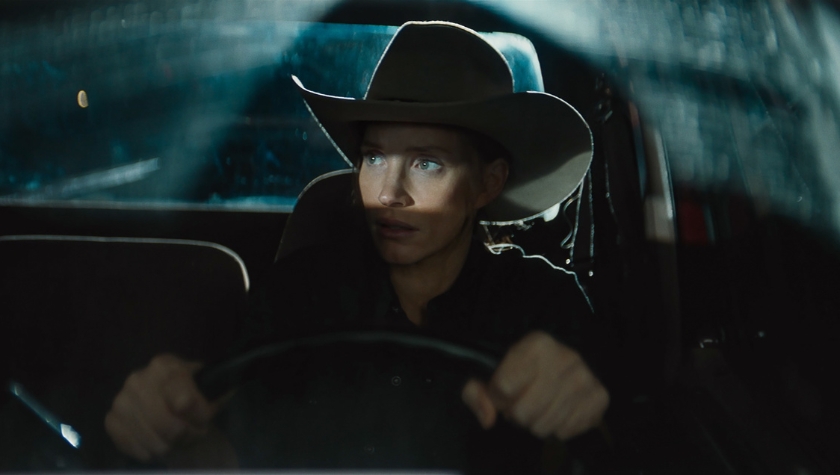
For screenwriters hoping to create their own neo-noir, Feste suggests choosing a city they know well, then looking beneath its surface. "Tie it to a city that you love, right, that feels like there is an underbelly. And guess what, there's one in every single city."
Female Protagonists Can Be Complicated, Too
Traditionally, noir protagonists are troubled men who drink too much, make terrible decisions and operate according to their own questionable moral codes. Feste wanted to give a woman that same freedom. "There's a longstanding cinematic history of celebrating complicated men, and I don't think we always give that same generosity to women when we write them," she says. "It was really my intention to write a woman who did not center her life around being liked or appealing to other people."
Misty, who refers to herself as the "C**t of country," is reckless, fiercely protective and deeply flawed. She's also sexually confident, something Feste was determined to portray without apology. "It was also incredibly important to me to say women over 40 are sexual beings. They have desire. Let's show her having a one-night stand."
As a former AFI screenwriting instructor, Feste knows when to break the rules. "I know all the likable rules and how to break them," she says.
Let Images and Music Do the Exposition
Feste is an expert at revealing Misty's personality through behavior, carefully chosen visual details, and very little dialogue. When we meet Misty, she's sobbing over the death of her dog, who's been killed by her neighbor. Very little is said as she takes her gun over to her neighbor's house and shoots out the windows in protest, proving her love for vulnerable creatures. It's a classic 'Save the Cat' move with an edge.
Another particularly telling image is the Grammy Award sitting inside Misty's refrigerator. The idea was inspired by a dinner party at Susan Sarandon's home, where Feste discovered the actor's awards displayed on the floor of a guest bathroom. For Misty, placing a Grammy next to the ketchup communicates a complicated relationship with her former fame.
"She hasn't packed it in a box. It isn't closed. She still clearly wants to see it, but she doesn't want to give it a lot of weight or importance in her life," Feste says.
Music also becomes a tool for exposition. Rather than repeatedly explaining that Misty was once a successful singer, Feste uses a performance of the song "Family Ties" to reveal her former popularity. "We found a song where there was a callout where the audience could then repeat her lyrics back to her, and within seconds you knew that thousands of fans knew her music," she says.
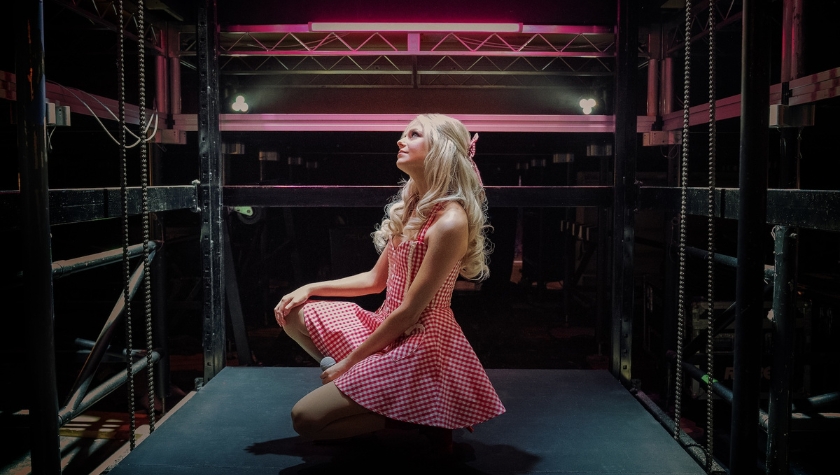
Sometimes the placement of an award, a performance, or a character's behavior can communicate more than an entire page of dialogue.
Build Twists That Keep Changing the Game
No noir thriller would be complete without a series of shocking reveals. Heartland delivers plenty, continually challenging the audience's assumptions about Misty, Charlie, and the other characters. Though she enjoys the freedom of discovering the story as she writes, Feste ultimately relies on traditional screenplay structure to ensure that the twists arrive at the right moments. "Inciting incidents work for a reason. They've been around for a long time, and they work."
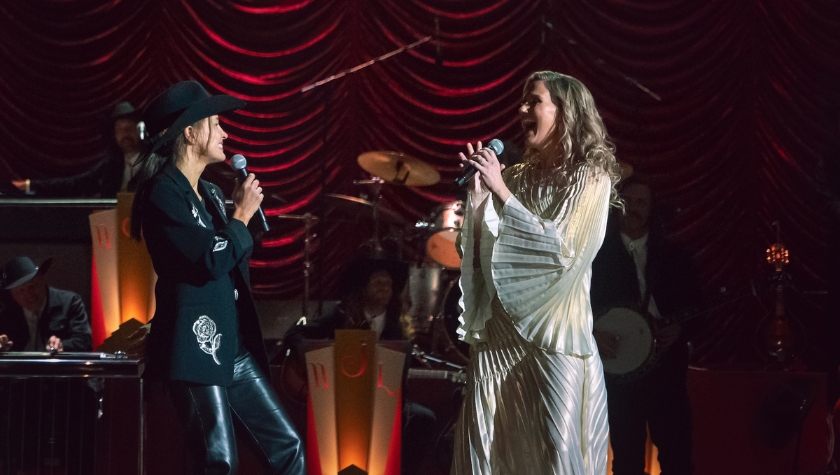
And while the mystery drives the plot, the emotional story underneath is just as important. Without giving too many spoilers, Feste says Heartland explores motherhood and the judgment women experience, whether they choose to become mothers or not. That emotional foundation gives the thriller stakes beyond simply discovering what happened to Charlie.
Give Your Noir a Heart
Despite the film's shadowy atmosphere, moral ambiguity and dangerous secrets, Feste insists that Heartland is ultimately a love letter to country music. One line, delivered by Misty toward the end of the film, captures what Feste believes is its central message: "You don't deserve country music."
For Feste, those five words reveal something essential about her protagonist. "Misty Jones loves country music more than anyone in this film, and she is going to call out anyone who doesn't deserve it."
Heartland is now streaming on Netflix.