
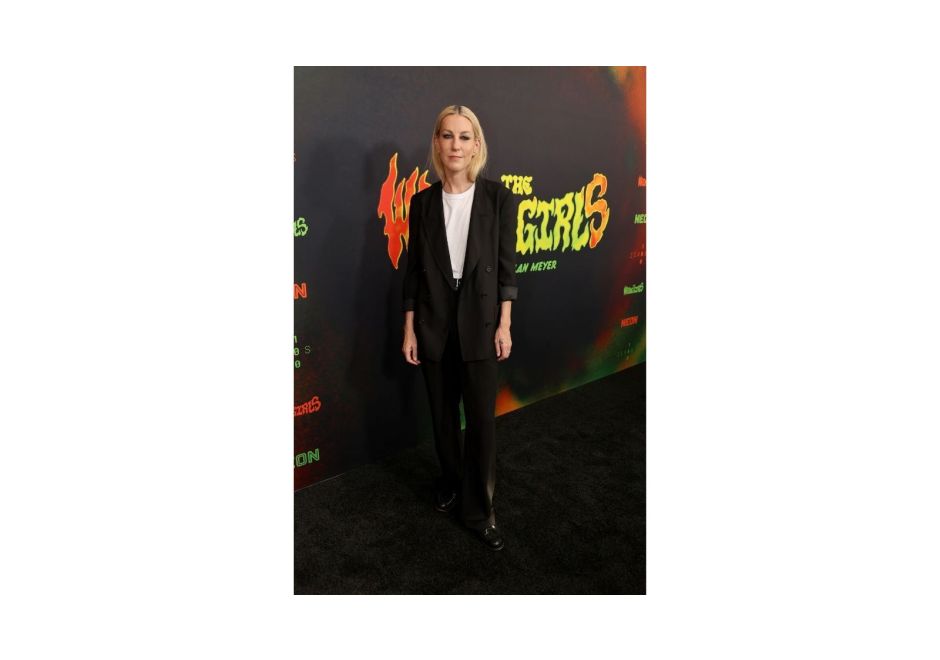
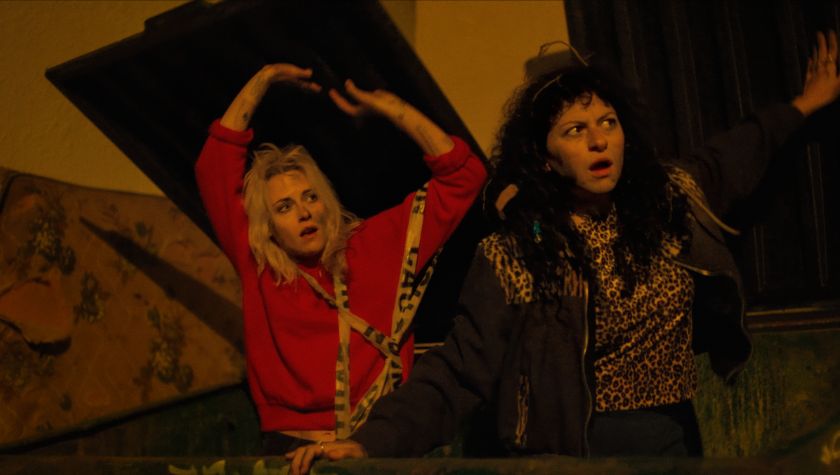
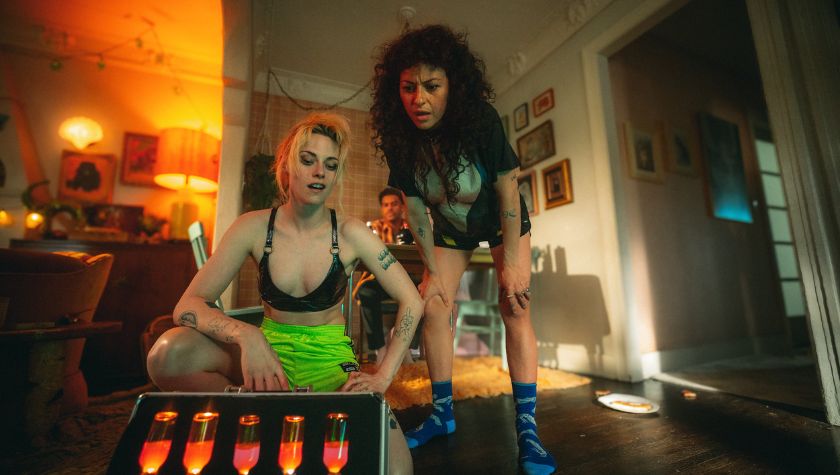
Dylan Meyer's directorial debut, The Wrong Girls, is a female stoner comedy starring Kristen Stewart and Alia Shawkat as Frankie and Molly, two codependent best friends living paycheck to paycheck and bong hit to bong hit when a case of mistaken identity sends their already chaotic lives spiraling even further out of control.
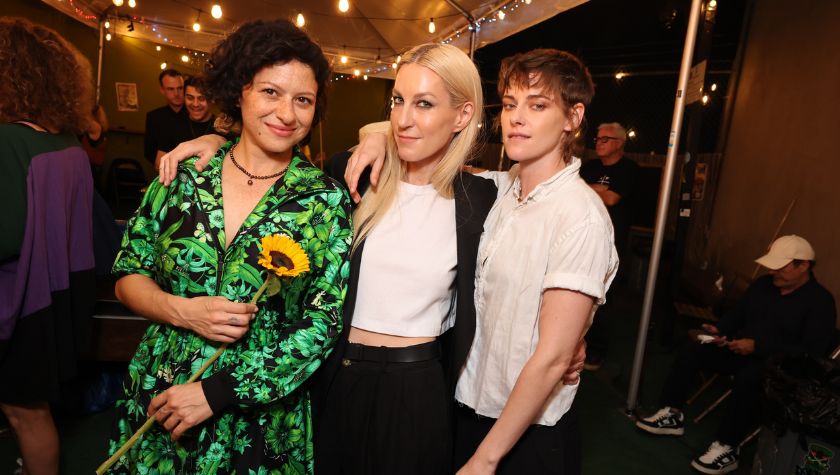
The movie may be outrageous, but its origins are surprisingly personal. Meyer originally wrote the screenplay in her mid-20s, when she lived with her best friend and producing partner, Maggie McLean.
"I wrote it about us 14 years ago being dirtbags in our house," says Meyer with a laugh. Meyer says she took elements of their personalities, friendship and lifestyle and exaggerated them for the screen. "These are cartoon versions of us; they aren't photo-accurate depictions."
Turning Real People Into Characters
Naturally, we had to ask Meyer which of the two "wrong girls" was more closely based on her.
"Maggie and I are both of them," Meyer says, explaining that she wanted to avoid the familiar comedy structure in which two friends represent opposing archetypes. "I feel in life, there's much more overlap and mishmash between friends sometimes. You have commonality; that's what drew you together in the first place."
Rather than making one woman the responsible friend and the other the trainwreck, Meyer distinguished them by making Frankie (Stewart), more insecure, reactive, and impulsive, what Meyer calls "chaos personified" and a "human flail." Molly (Shawkat) moves through the world with a softer, slower energy. She may initially appear less capable, but she has a job, a goal, and more going on beneath the surface than Frankie does.
Let Real Life Become Fiction
The 14 years that passed between writing the script and making the movie turned out to be beneficial. Instead of two women in their 20s, as the characters were originally written, Frankie and Molly had become women in their mid-30s, and that change gave the story different stakes. "The stakes of not having it together at 25 aren't that high, I mean who does at that age?" Meyer says.
Making the characters 35 raised the stakes around two women who still haven't quite figured out how to function as adults. It also pushed the movie further away from Meyer's literal past while preserving the emotional experience that inspired it.
"I am very aware that you can be a wrong girl at 35 as much as you can at 12," she jokes. "I'm still doing it. It's still happening to me."
Create Your Own Take on a Genre
The Wrong Girls exists within a long tradition of male-centered stoner comedies, and Meyer cites The Big Lebowski as a big influence. But she was adamant about not simply taking a traditionally male genre and swapping in female protagonists. "I'm not a boy writing boy movies," she says. "I'm talking about myself and my friendships and the women in my life."
That distinction gets at something important about voice. Writing something fresh and original doesn't necessarily mean reinventing a genre. Sometimes it simply means bringing your own experiences and point of view to it instead of imitating the movies that came before.
The Specific Stuff Is Often the Best Stuff
One of the movie's more bonkers elements is its pair of talking cats, Dio (voiced by Seth Rogen) and GG (voiced by Kumail Nanjiani). Even they were inspired by Meyer's real life. When Meyer and McLean lived together, their house apparently became something of an unofficial feline halfway house. "There were constant cats that didn't belong to us that lived there," Meyer says.
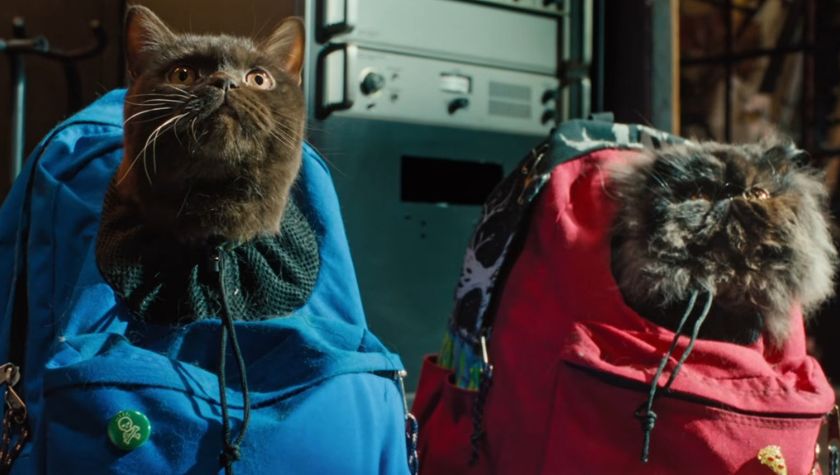
She remembers meeting people who temporarily needed someone to take their cats, only for the animals to remain much longer than expected. Two cats, Buster and Charlie, became particularly memorable, although the movie's cats are ultimately an amalgamation of animals Meyer has known. It's the kind of strange, specific detail that adds a layer of fun, absurdity and authenticity. Something that could only have come from Meyer.
Stop Writing With the Marketplace in Your Head
For Meyer, authenticity also requires not worrying whether an idea is commercial, producible or similar enough to something that has already succeeded. Allowing The Wrong Girls to become itself fully meant resisting the urge to self-edit based on fears about sales, financing or what a movie is supposed to be.
That philosophy also informs Nevermind, the production company Meyer runs with Stewart and McLean. Meyer says the company doesn't want filmmakers to contort their material into a shape that feels unnatural for them. "We really do believe that the artist knows their art the best," she says.
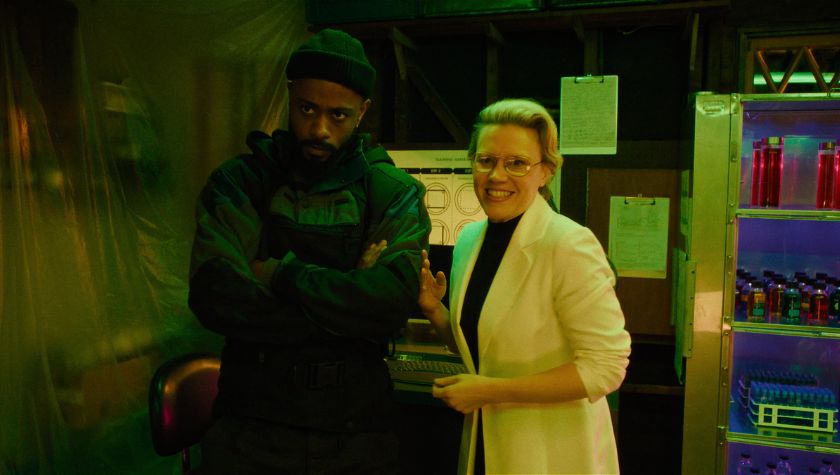
It's a particularly useful idea for emerging screenwriters who are constantly hearing what Hollywood is supposedly buying, what genre is hot, and what kind of protagonist is currently considered marketable. Meyer's advice is to stop aiming at somebody else's bullseye.
"I always fail when I try to hit someone else's target," she says. "And I eventually have realized that if I have anything to offer, it is myself."
Perhaps the biggest takeaway from The Wrong Girls is that Meyer's life didn't provide her with a blueprint for a screenplay but gave her the building blocks. A best friend, cats, bad decisions, insecurity, dysfunction and her own way of seeing the world all became ingredients for a story that's both funny and deeply personal. "I shouldn't have made a movie with talking cats," Meyer says. "It was very difficult, but we did it, and it's so fun."
For writers worried that the strange, messy, or embarrassing parts of themselves aren't what Hollywood is looking for, Meyer suggests those qualities may be exactly what makes their writing stand out.
"You have to define yourself loudly and proudly and present your full spirit. Without that, you have nothing."
The Wrong Girls was written on Final Draft and is currently playing in theaters.