
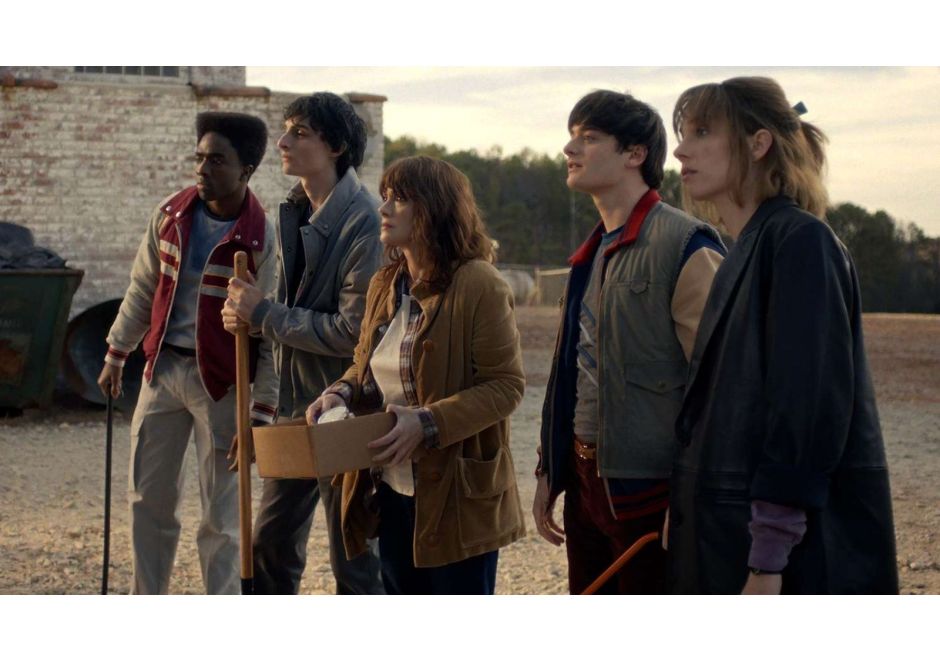
And so Stranger Things, a rare series that cut through the cultural noise with its heartfelt homage to the 1980s, brought its run to a close on New Year’s Eve 2025. Nearly a decade after it first premiered, the show ended as it started: sparking passionate conversation, deep admiration, and plenty of discussion among its devoted fanbase.
When Stranger Things debuted on Netflix in 2016, creators Matt and Ross Duffer were drawing inspiration from the films and storytelling styles they grew up loving, initially imagining the project as a more contained series.
“We started out talking about a style of storytelling that we weren’t seeing much anymore, that we grew up loving,” Matt Duffer said in an interview with Creative Screenwriting.
Over time, however, the show grew into something uniquely its own. As the series progressed, it became less about homage and more about its own evolving mythology and characters.
“The show becomes its own thing,” Matt Duffer explained. “And so, this season felt less and less like we’re relying on, or looking back at the films that inspired us. And it’s more in conversation with the show.”
Ending a beloved, long-running series is never easy, especially one with such a passionate following. The Duffer Brothers were keenly aware of the responsibility that came with delivering a finale worthy of their audience.
“They have had their hearts broken by shows that they loved that failed fans in the end,” executive producer Shawn Levy told Variety. “They did not want, and do not want, and refuse to be one of those shows.”
While no finale can satisfy everyone, Stranger Things closed its chapter with clear intention and care for its legacy. And though debate will always follow a show this influential, it stands as a reminder of just how rare it is for a series to leave such a lasting mark.
With that in mind, here is a look at five of the best final episodes in television history.
Note: spoilers ahead!
1. 'M*A*S*H*' (1972-1983)
On February 28, 1983, the final episode of M*A*S*H* aired to an astounding 121.6 million viewers. Perhaps they had the benefit of ending for a specific reason: the war was over.
This concept meant everyone who spent time in the 4077, a Mobile Army Surgical Hospital (M*A*S*H*) unit, during the Korean War were being sent home. The clock was ticking and slowly the characters could complete their arcs. What made this show have one of the best final episodes ever is the uncertainty and excitement about the characters going home, with the heartbreak of having to leave the people they’ve cared about for so long.
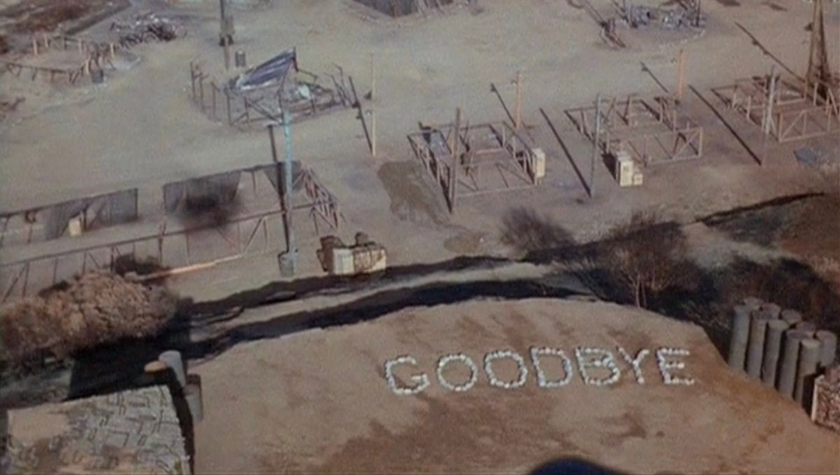
The added bonus was a wink to the audience as the protagonist takes off in a helicopter at the end and looks down to read “Goodbye” via a rock formation.
2. 'The Sopranos' (1999-2007)
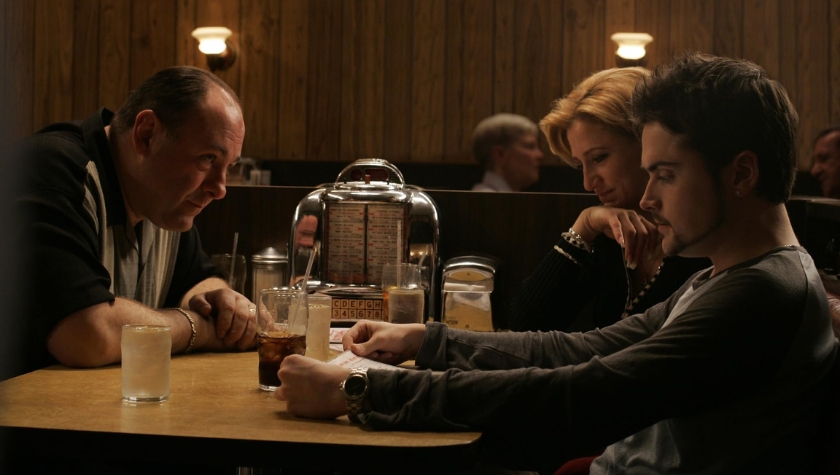
Should the final episode of The Sopranos rank in the top five best? It’s a matter of perspective, and time. When The Sopranos concluded back in 2007, there was a lot of controversy and tons of backlash. Not sure if it’s a spoiler still, but the sudden cut to black had viewers stare at the TV, mouth agape and trying to analyze what exactly happened.
“I had no idea it would cause that much of an uproar,” creator David Chase said in a Hollywood Reporter interview.
Decades after the conclusion, those who watched it still have a strong opinion, even if they may have changed it to recognize its brilliance. It’s a great ending because of the controversy and the conversations. Like it or not, it seemed to fit the TV series that many consider one of the best ever produced.
3. 'Six Feet Under' (2001-2005)
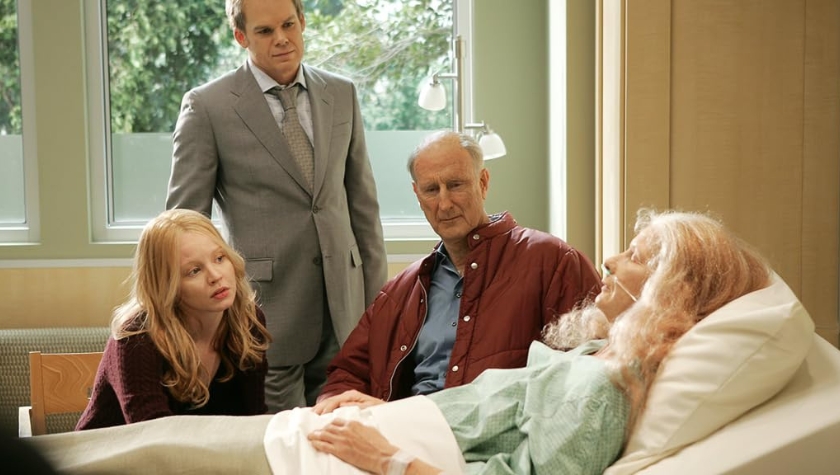
Widely regarded as one of the greatest series finales of all time, Six Feet Under ended in a way unlike any episode that came before it. The HBO drama, centered on a family-run funeral home in Los Angeles, traditionally opened each episode with a death.
The power of the finale lies in its deliberate reversal of that formula. Instead of beginning with a death, the episode opens with a birth and then takes time to show the eventual deaths of its main characters. Each ending feels earned and true to who those characters are, allowing viewers to reflect on mortality; not just in the present, but across the future lives of the people they’ve come to know.
Like M*A*S*H*, Six Feet Under delivers a definitive, finite ending, staying faithful to the show’s themes while offering a sense of emotional closure.
4. 'Breaking Bad' (2008-2013)
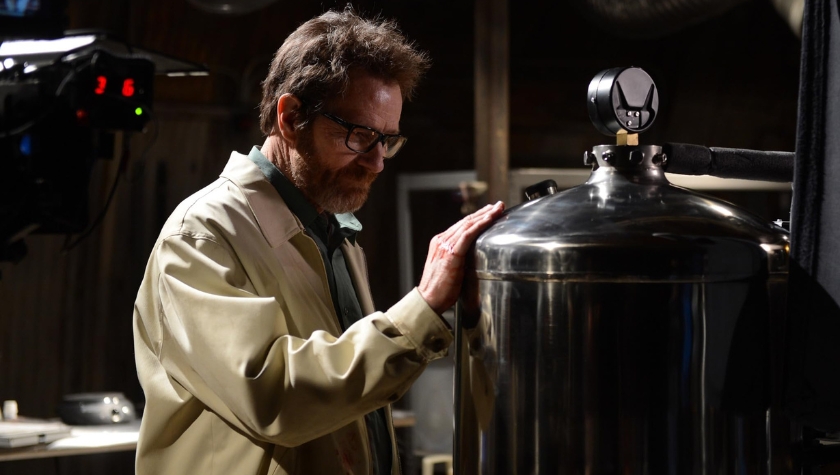
The finale of Breaking Bad feels inevitable. Spoiler Alert: Walter White (Bryan Cranston) dies. But it felt like that was his fate from the very beginning when he was diagnosed with lung cancer; the catalyst setting him on the path of becoming the premiere methamphetamine dealer in New Mexico.
While White’s demise feels natural, and the viewer isn’t exactly heartbroken over it, the finale works because it completes his arc and allows him to live up to the standards he set from the very first episode: control, self-determination, and refusing to go out as a powerless victim of circumstance.
5. 'Schitt’s Creek' (2015-2020)
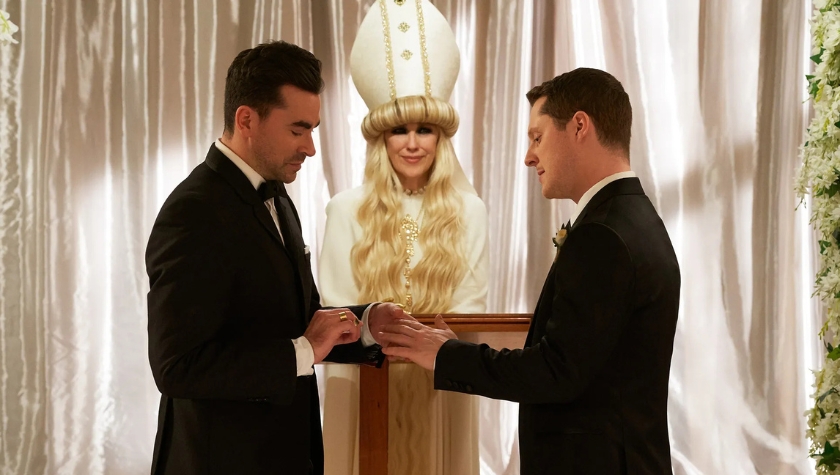
What makes a final episode great? It’s the ability to tie up loose ends, show the last step in a character’s arc, and make the viewer empathize with the finality of the show. Schitt’s Creek really brings it home. In the first episode, the Roses have lost their entire livelihood with the exception of a small community called Schitt’s Creek, a simple town in stark contrast to the high society lifestyle they were used to.
Schitt’s Creek changes the Roses more than they could ever change the town. As much as they had been eager to leave, they suddenly find it difficult to say goodbye. That is perhaps what makes it one of the best finales: the viewer doesn’t want to say goodbye either. It’s a happy ending befitting a show where the main characters’ goals were to leave, but now they can’t seem to go.
It’s arguable that most of the best finales occurred in a 15-year time span (2005-2020) when TV series on cable, subscription TV and streaming opened up opportunities to create something different than the standard network TV sitcom or one-hour drama. That doesn’t mean there weren’t great shows before then, or even exceptional final episodes. Here are some honorable mentions:
- Cheers (1982-1993) – Sam (Ted Dansen), the owner of Cheers, gets the final, memorable line of the show. After locking up, a faceless patron tries to enter. Sam’s response, “Sorry, we’re closed.” 93.5 million people watched it.
- West Wing (1999-2006) – It was only appropriate for the show about a presidency to last the length of a presidential administration. As a new administration sets to take over, the audience gets one last glimpse of the Bartlett presidency.
- Friends (1994-2004) – In a sitcom that takes place in an apartment complex, it’s only appropriate that the finale centers on its characters leaving it. The six friends felt like a family the viewer had followed for 10 years and left on a happy, high note. Spoiler: even Ross and Rachel get together.
More often than not, a show’s final episode either fizzles or settles for being merely fine. Stranger Things attempted something far harder: delivering an ending that felt earned, intentional, and emotionally resonant. Whether it ultimately ranks among the greatest finales of all time will be debated for years, but the fact that it’s even part of that conversation speaks to the show’s lasting impact.
More often than not, a show’s final episode either fizzles or settles for being merely fine. Stranger Things attempted something far harder: delivering an ending that felt earned, intentional, and emotionally resonant. Whether it ultimately ranks among the greatest finales of all time will be debated for years, but the fact that it’s even part of that conversation speaks to the show’s lasting impact.