
The 79th Cannes Film Festival is set to run from Tuesday, May 12, through Saturday, May 23, 2026. It is one of the industry’s most prestigious and glittering film festivals and has often served as a (very early) awards-season bellwether.
The slate tends to be international and skews heavily arthouse, but even if that’s not your lane as a screenwriter, it’s a good idea to keep your eye on what does well there. The competition lineup is one of the most useful signals for which stories are being developed and greenlit at the highest levels of international cinema right now.
Here’s what’s inspiring us as writers this year.
Historical Specificity as a Pressure Cooker
Period settings can provide rich backdrops for almost any genre (romance, horror, drama, comedy) and challenge a writer to approach a story through a unique lens.
For writers overwhelmed by the opportunities of a period setting, try highlighting a specific moment or character from that era rather than tackling everything at once.
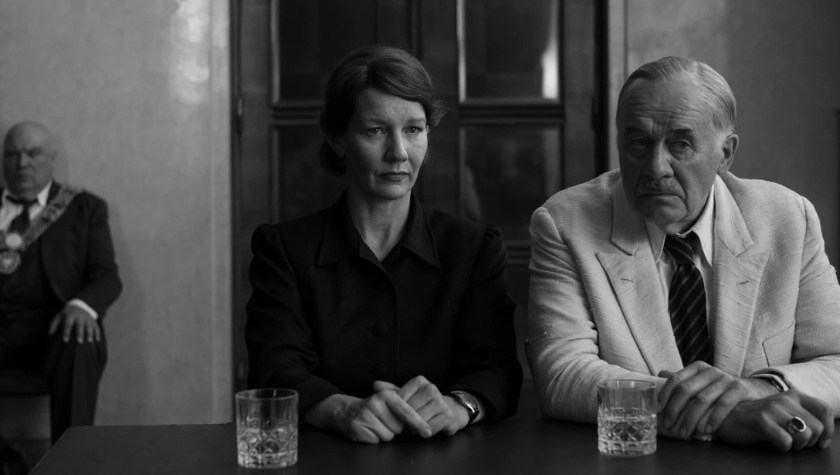
Paweł Pawlikowski's Fatherland drops Nobel Prize-winning writer Thomas Mann (Hanns Zischler) and his daughter Erika (Sandra Hüller) into a road trip across post-war Germany in 1949, a country literally in ruins.
The Man I Love (Ira Sachs) is set in 1984 New York during the AIDS epidemic.
The Black Ball is a queer drama spanning three specific years (1932, 1937, and 2017), each potentially a moment of acute political pressure in Spanish history.
Period settings are compelling on their own, but if you can, choose a moment when the world is already bearing down on your characters. A precise historical context bakes conflict into the foundation of the script.
Two Characters and Enormous Stakes
This year’s Cannes is notably missing the typical blockbusters we’d see on the slate. There are no major Hollywood films in the lineup, ending a years-long streak of high-profile premieres like Top Gun: Maverick.
Studios are reportedly avoiding the festival to dodge tough critics. Bad reviews out of Cannes now go viral almost immediately, and there's almost no recovering from a mauling on the Croisette ahead of a film’s wide release.
So what’s filling that space? This year’s competition leans hard toward intimate, small-cast stories.
The Beloved puts an estranged filmmaker father and his struggling actress daughter on set together in the Sahara. There’s forced proximity, unresolved history, and no exit.
Ryusuke Hamaguchi’s All of a Sudden centers on the developing relationship between a nursing home director and a playwright dying of cancer.
And Fatherland again—one father, one daughter in a ruined country.
This isn’t to say “always write small,” but putting two people who want different things (and can’t escape each other) in one place is one of the most reliable motors for dramatic writing. You don’t have to have a sprawling cast or B and C plotlines to generate solid stakes.
If you’re finding yourself mired in the complexities of a big idea, try stripping it down to a two-hander. Simplicity might allow you to focus on your emotional beats instead. And it’s the kind of film that lands in competition at a prestigious film festival like Cannes.
Genre as a Trojan Horse
This year, several films use genre mechanics as a way in.
Hope from Na Hong-jin opens as a thriller. A tiger is spotted in a small town, where a police chief must maintain order in a community on edge—until it becomes clear something more sinister is happening. The fest logline hints, “What begins as ignorance plants the seed of disaster, escalating through human conflict into a tragedy of cosmic proportions.”
Rolling Stone is already calling James Gray's Paper Tiger a “gritty, genre-inflected” crime story. There’s also family drama and American Dream mythology involved.
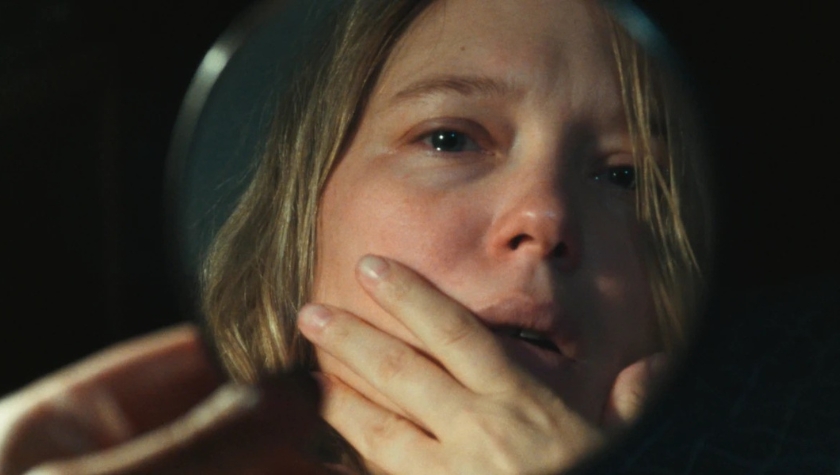
Arthur Harari's The Unknown, co-written with Anatomy of a Fall director Justine Triet, is a psychological fantasy body-swap film in which a man wakes up in a woman's body.
As a lover of horror films, I’m well aware that genre often gets a bad rap amongst some “serious” filmmakers. But genre isn't the opposite of serious filmmaking. It can be an easy-to-understand delivery mechanism for some of today’s most creative storytelling (not to mention an award winner).
A thriller, a crime story, and a body-swap premise are promises you make to the audience about the kind of ride they're on, giving them instant buy-in, providing tropes to draw from, and leaving room to focus on theme and emotion. Genre is a door, not a ceiling!
Put Your Character Where They Don't Belong
Displacement is one of the oldest and most reliable dramatic elements in screenwriting, and it's everywhere in this lineup.
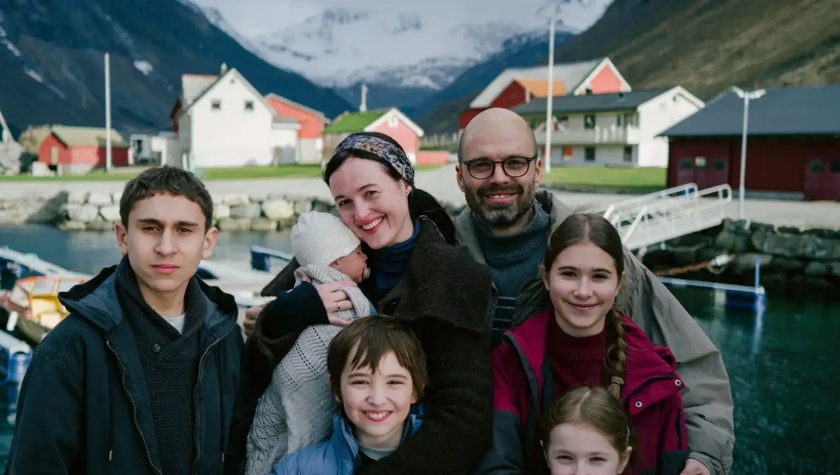
Fjord follows a Romanian father and Norwegian mother living in the mother's home village with their kids. Their children's behavior draws local suspicion, and the family's outsider status turns dangerous. It’s a story about immigration and prejudice.
The Dreamed Adventure places an archaeologist in an unfamiliar, remote Bulgarian border region, where helping an old acquaintance pulls her into the illegal trade.
In Strawberries, two Moroccan women travel to southern Spain for seasonal strawberry-picking work, where the promised wages give them hope for a better life. They're met with abuse, harassment, and inhumane conditions and choose to fight back.
A character in a new place, or feeling like they don’t belong, generates compelling emotional dissonance and conflict from the environment itself. You don't have to make up obstacles from the outside. A person in an unfamiliar or uncomfortable setting may face opportunities for problem-solving, cultural clashes, environmental dangers, and more.
It also does double duty structurally. The audience discovers the world alongside the protagonist, which means your exposition is built into the drama. A fish-out-of-water protagonist is one of your easiest ways into a world.
Film festivals can be a great source of inspiration, whether you’re angling for the Palme d'Or or not. We’ll be keeping an eye on several of these projects, which will likely launch an awards run later this year.