

Every great screenplay reaches a moment where everything changes, a much-needed story engine and narrative boost to keep the audience invested, engaged, and compelled to continue on. Whatever form the midpoint scene in your screenplay takes, it drastically alters the current direction of the story and launches the characters and the audience into the final stretch of the script.
It's natural for screenwriters to focus on crafting compelling opening hooks and memorable climaxes. Those screenplay elements are necessary. But the midpoint is usually the section of the script that builds more and more momentum going into the final act. Think of it as the screenplay's second wind.
A well-developed and well-crafted midpoint doesn't just fill the space between Act One and Act Three. It transforms the story, raises the stakes, and catapults the audience into the second half of the script. It works as that much-needed jolt to not only keep the story moving forward, but to renew and build more anticipation for the audience.
Let's explore what a screenplay midpoint is, why it matters, and what you can learn from some iconic cinematic examples.
What Is a Midpoint in a Screenplay?
A simple midpoint definition in screenwriting is that it's a central turning point that significantly changes the story and the protagonist's direction in overcoming whatever conflict they are facing.
The midpoint occurs roughly halfway through your script, give or take a few pages. It's the event that dramatically changes the protagonist's understanding of the conflict they're facing. Stakes get higher, and they are forced to pursue their goal in a much different way after handling additional obstacles and evolved conflict.
Think of the midpoint scene in a screenplay as the story's point of no return. Before the midpoint, the protagonist has been taking on the conflict head-on. They've been introduced in their ordinary world and then are forced to face a physical, mental, or emotional conflict that rocks their world and challenges them.
When the midpoint of the script hits, things change. The characters have learned a lot about the conflict(s) in the first act. At the beginning of the second act, they've taken that knowledge and attempted to overcome whatever obstacles have been in their way thanks to the core conflict of the story. But then the midpoint scene hits, and their plans to overcome have failed, or there are repercussions to what they have done.
There's no secret formula for screenplay midpoints. The idea is to find the perfect place somewhere in the middle of your script that offers an organic opportunity to switch things up.
- Some midpoints are victories.
- Some are defeats.
- Others reveal secrets or twists that completely reframe what the protagonist and audience thought they knew.
The key takeaway is that the story before the midpoint should feel noticeably different than what comes after it - that is how you keep the audience (and the script reader) invested.
Why the Midpoint in a Screenplay Matters
Without a good midpoint, the second act can sometimes meander or feel overly repetitive.
The protagonist faces obstacle after obstacle, but nothing in the story really evolves or changes. Scenes begin to accomplish the same thing (failure or victory), which forces the script to lose momentum. During the read of your script, you never want to lose the reader's interest. When an audience is watching your movie, you never want them to get bored.
A strong midpoint solves this problem by injecting new and fresh energy into the narrative by:
- Raising the stakes.
- Revealing new, surprising, or shocking truths.
- Shifting the protagonist's motivation.
- Challenging the audience's expectations.
- Giving the antagonist greater power.
- Forcing the hero into a more dangerous or precarious situation.
Think of it this way: the midpoint is you telling the reader or audience that the script they've been reading, or the movie they've been watching, is no longer the script or movie they are about to now experience from here on out.
Best Types of Midpoints in Screenplays
There's no single type of midpoint you need to employ for any particular type of screenplay. But there are types of screenplay midpoints that have proven to work more effectively.
1. A Major Revelation
The protagonist learns information that changes their perspective on handling the conflict at hand. This could be discovering who or what the real threat is, uncovering a conspiracy, or realizing someone they trusted has betrayed them.
2. A False Victory
Everything appears to be going well. The characters have adapted and believe they know how to overcome the conflict or obstacle, only to discover that the real challenge lies ahead and is much more difficult to overcome.
3. A Crushing Defeat
The protagonist suffers an enormous setback that forces them to rethink their approach and strategy.
4. The Stakes Become More Personal
Sometimes the external conflict remains the same, but the inner conflict becomes more personal. Someone they love is now directly affected. This raises the personal and emotional stakes.
Screenplay Midpoint Examples
Looking at successful films and their midpoints is one of the best ways to understand how powerful midpoints can be, and how you can develop them for your own screenplays.
Jaws (1975)
For much of the first half of the movie, Chief Brody is trying to solve the shark problem from the island shores. The midpoint arrives when Brody, Hooper, and Quint head out on the Orca to hunt the shark themselves.
This shifts the location of the movie, which changes the story from an island suspense tale into an isolated story of survival at sea against a beast in the waters around them. The rules have changed. The stakes are higher. Brody, who has avoided the water for the whole movie, is now surrounded by it with no escape in sight.
Good Will Hunting (1997)
Will spends much of the first half of the film rejecting any help that is given to him. He doesn't open up to anyone, not even Sean. The midpoint arrives during the iconic park bench conversation, where Sean challenges Will's intellectual arrogance and emotional defenses. From that moment on, the story is different. Will begins to let his guard down. His friendship and trust with Sean grows. His relationship with his new girlfriend broadens (and also gets more complicated).
The Matrix (1999)
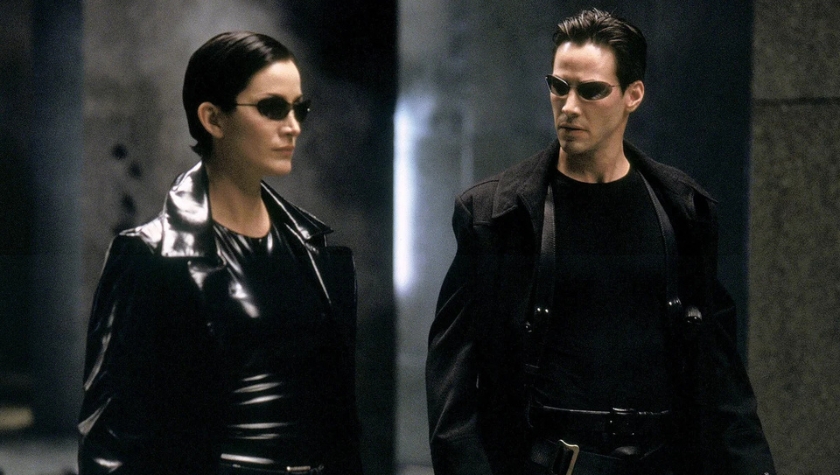
Neo spends much of the first half of the movie wondering whether or not he is truly the one. While the revelation of him awaking in the pod could be considered a midpoint to some, the true midpoint is when Morpheus is captured, and Neo must lead the charge to rescue him. The rescue becomes the new objective, which dramatically changes both the external plot and Neo's personal journey of accepting his destiny.
Finding Nemo (2003)
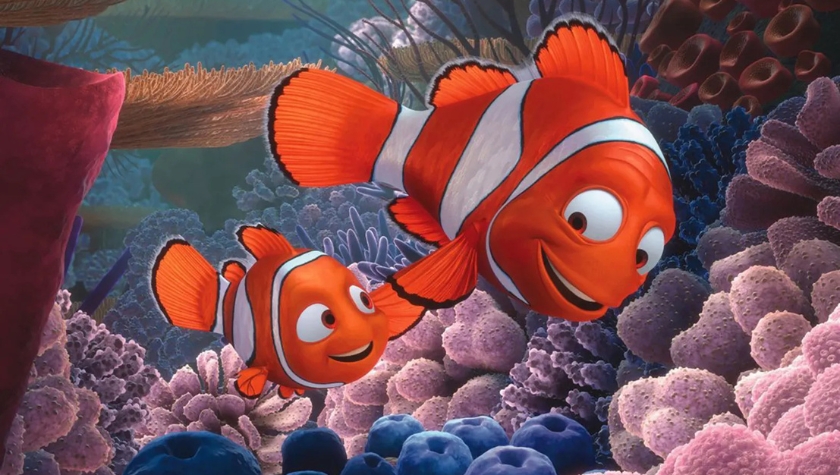
In the beginning half of the script, after Nemo goes missing, Marlin's desperate search for his son is riddled with multiple setbacks. At the midpoint, he begins to believe that Nemo may be dead. Meanwhile, Nemo is in the fish tank, gaining confidence after nearly giving up any hope of escape. The emotional direction of both character arcs shifts, which causes the story to reset.
Top Gun: Maverick (2022)
After going back to Top Gun as an instructor, Maverick's carefully planned mission that he's training pilots for appears impossible. At the midpoint, Maverick hops into a jet and does the maneuvers himself, proving that it can be done. He is then the lead pilot for the mission, no longer the instructor. What Maverick has shown them lifts their confidence level, proves that the mission is possible, and changes Maverick's relationship not only with Rooster, but with the rest of the pilots as well.
Project Hail Mary (2026)
For the first half of the story, Ryland Grace is alone on a desperate mission to save humanity. The midpoint arrives when he encounters an alien ship, piloted by the alien Rocky, who is facing the same situation. The story instantly shifts from the survival tale of Ryland Grace to one about communication, friendship, and two beings working together against a common threat.
Does Every Midpoint Need to Be a Huge Twist?
It's easy to read all of this and believe that your midpoint needs to be a huge twist. That's just one possibility. Sometimes the most effective midpoint scene is more about emotional impact than a mind-blowing revelation or plot twist.
- A confession
- An unexpected realization
- A difficult decision
- A change in a relationship
As long as the midpoint scene permanently alters your character's trajectory and subverts the audience's expectations, it is doing its job well.
How to Develop a Strong Midpoint For Your Screenplay
It will always depend on your story, the type of story, and where you want to take your story.
When trying to develop and write a good midpoint in your screenplay, ask yourself these types of development questions:
- At the midpoint of my script, how can I shake things up?
- How can I raise the stakes and make them more personal?
- What can the protagonist gain to change the story?
- What can they lose to change the story?
- How can I subvert audience expectations the most?
- What can I do to give this story and my characters a second wind?
Make sure you remember that it's not about telling a completely different story from the first half. You still need narrative, thematic, and tonal consistency. You shouldn't be turning a dramatic character study into an action flick midway through. It's about having the story evolve into something more than expected.
The first and most important step in developing a strong midpoint for your screenplay is recognizing that you need one. Once you do that, your storytelling talents will kick in once you ask yourself those midpoint development questions.
The screenplay midpoint is much more than the halfway mark of your script. It's the moment where everything truly evolves. Whether it's a revelation, victory, defeat, or emotional shift, the midpoint keeps your second act from feeling repetitive, and prevents the core concept of your script from becoming overly exhausted and drawn out.
When you're developing your midpoint screenwriting skills, it's not about an aesthetic rule. The best midpoints aren't those that happen because they appear on Page 55 of a 110-page script. They are memorable because they truly change the trajectory of the characters and story for the better.
If you can master that principle, your scripts will always maintain the momentum that keeps readers turning the pages from the beginning to the end. It's shifting your script to that second gear so you can propel the story and characters forward in a much more engaging and kinetic narrative way.