When Greg Daniels first started hearing calls for an Office sequel, he resisted. His instinct was to move on to something new.
“The Office was first quite successful on NBC, and there was pressure to make a sequel,” says Daniels, but he was hesitant to spin off beloved characters from the show for fear of ruining the magic they created. “We were like, maybe we want to keep The Office pure, and not do crossovers, or repeat any storylines.”
The original series had ended exactly the way he wanted it to end. The characters had moved on, and the story felt complete. Then, The Office found a massive second life on Netflix, and talk about reopening the doors of Dunder Mifflin began again.
At the time, people were rebooting other popular shows like Will & Grace and Full House. But Daniels says he knew The Office cast did not want to do a reboot.
“When we had made the finale of The Office, it was very intentional to provide an ending to the show, and not have a big question mark, like, are we coming back, kind of thing. So, we thought, let's try and see if there's a subject that would be exciting, and would not be repetitive of themes and characters that The Office did. So, this notion of a very inspirational manager trying to revive a newspaper felt like a good subject for a documentary. It was very different from The Office, where the leader was not inspirational at all.”
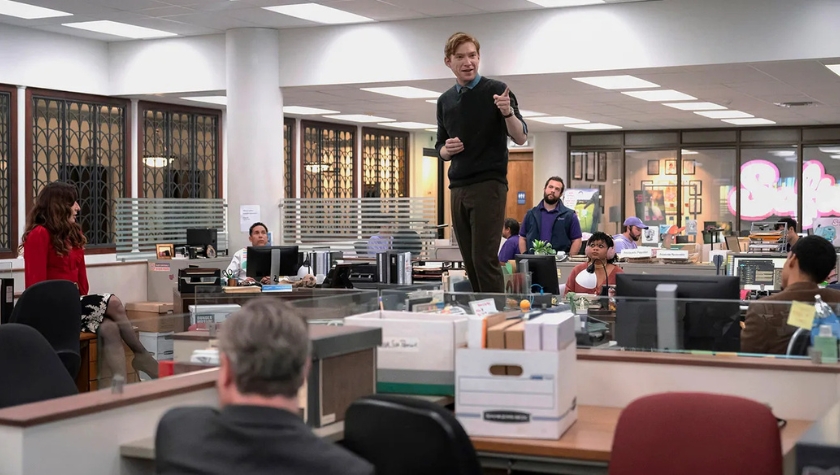
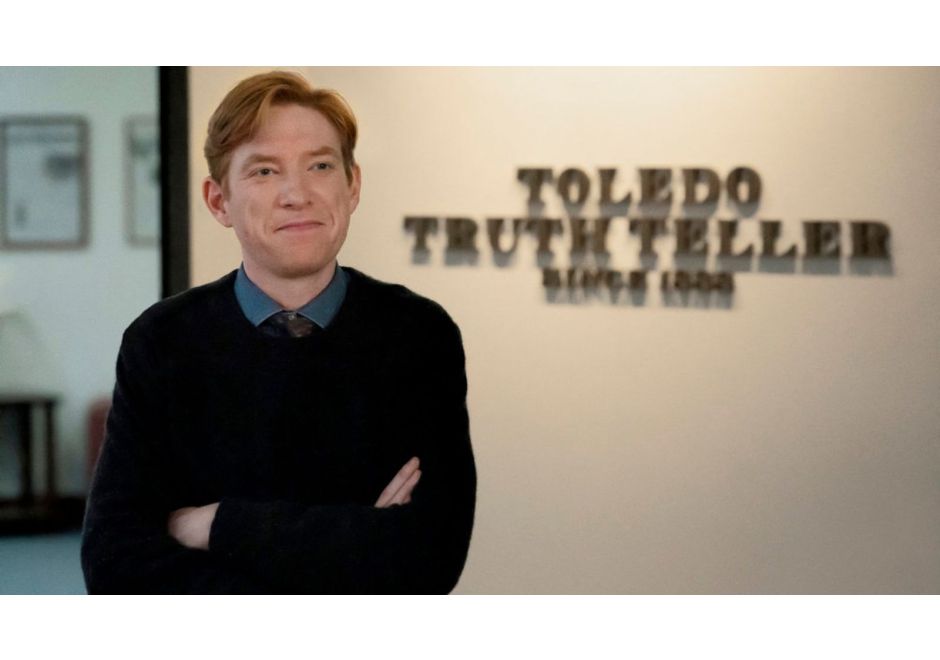
That instinct to create a show around the death of print media became the foundation for The Paper, the new mockumentary comedy that Daniels created with Michael Koman. Instead of revisiting Scranton, the series follows a struggling Midwestern newspaper as it fights to survive in an era when local journalism is rapidly disappearing.
The Paper is a master class in why the mockumentary format remains such an effective storytelling engine years after The Office forever changed television comedy.
Why Mockumentaries Make Great Comedy
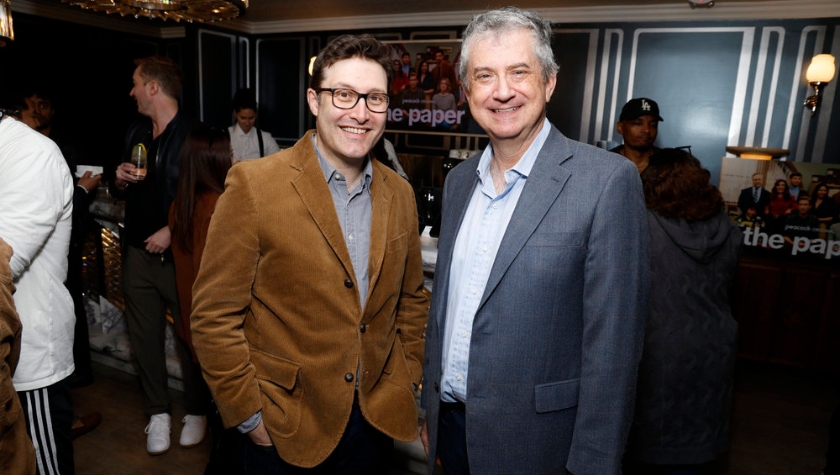
Once The Office was a hit, multiple shows from Modern Family to Abbott Elementary adopted the mockumentary format. Daniels believes the format offers advantages that go far beyond its visual style. Part of the benefit is practical. Because the show is being filmed as a documentary, production can move much faster than a traditional sitcom.
"We are shooting for 45 minutes and lighting for 15 minutes," Daniels says. "Whereas in a more traditional show, it's the opposite."
Actors have time to experiment. Writers can incorporate unexpected moments. Improvisation becomes less risky because the production schedule isn't built around complicated camera setups. But Daniels believes the format's greatest advantage is narrative.
"If you're just telling a story very straightforwardly, and you run into a few unfunny patches, which you're bound to do, it's very difficult to jump past them," he says.
The documentary interviews add a storytelling layer that allows writers to condense scenes, create irony, and generate jokes through contrast. Characters can explain events, reinterpret them, or outright lie about them. The audience simultaneously sees both the character's version of reality and the truth.
"You can get extra jokes of their lies being contrasted with the footage that you shot that tells the truth," Daniels says. That means every scene can operate on multiple levels at once.
The Documentary Crew Has Goals Too
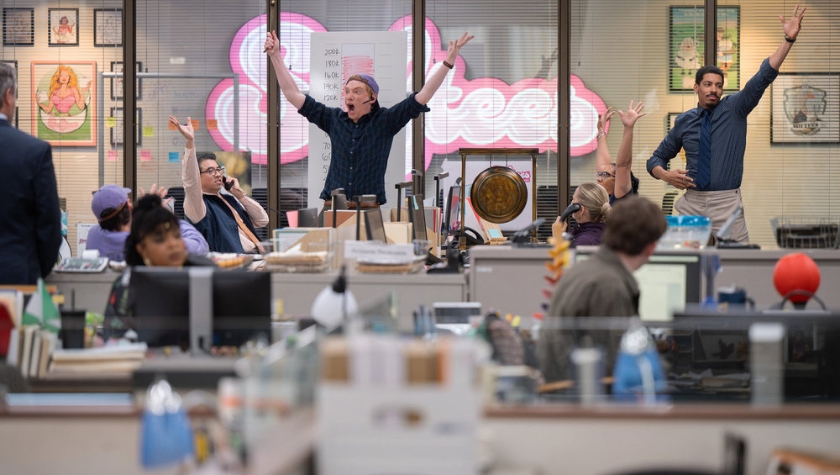
Koman pointed to another often-overlooked benefit of the format. Most writers think about what the characters want. In a mockumentary, the camera crew wants something too.
"It's good for any story, especially for comedy, when you're watching a character try to get something," Koman says. "The camera itself, the person viewing this, is trying to get something."
The documentary crew is constantly pursuing access, information, and conflict. Sometimes characters cooperate. Sometimes they don't. That creates a subtle source of tension that traditional sitcoms don't have.
"It's not always easy for the documentarians to see what they want to see and to follow these characters when they don't want to be followed," Koman says.
Why Workplace Romance Never Goes Away
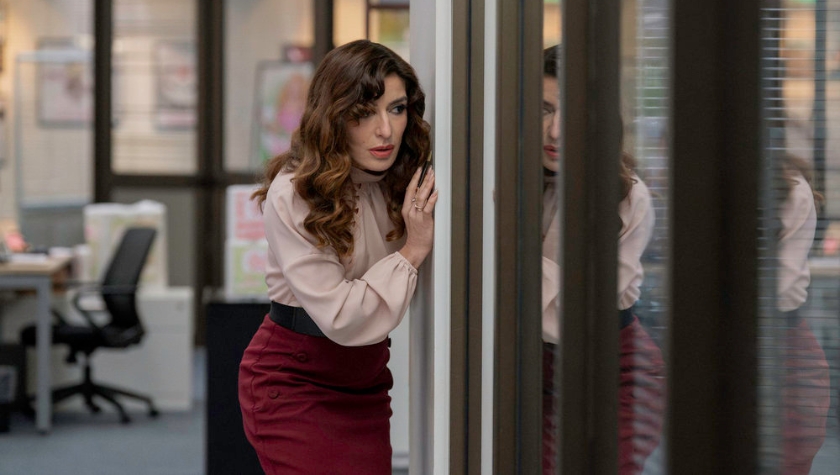
One of the strongest storylines in The Paper has been the developing relationship between Mare and Ned (Chelsea Frei and Domhnall Gleeson). It's a tradition that stretches back through workplace comedies from Jim and Pam (The Office) to Sam and Diane (Cheers). Daniels believes workplace romances endure for one simple reason: They create the highest stakes available to ordinary people.
"If you want really high-stakes stories for your characters, there's nothing more high-stakes in our lives than who we fall in love with," Daniels says.
For workplace comedies especially, romance provides a way to tell emotionally meaningful stories grounded in everyday life. In fact, both Daniels and Koman met their spouses through work, making the theme especially relatable.
"Who we might end up with, or having our hearts broken, that's our way to tell meaningful stories," says Daniels.
Koman agrees. "That's where life happens. You have your work and you have your love life. These are just two elements that almost everybody is going to have."
The Best Advice for New TV Writers
We asked Daniels and Koman what advice they'd give aspiring television writers. Daniels offered a way to really get inside your favorite comedy and understand the mechanics of it. He recommends manually transcribing episodes of shows you admire.
“Take some episodes of shows that you really like on a streaming thing and transcribe them in Final Draft. Just copy them. Don't think too hard. It's not a very difficult intellectual exercise, but you basically watch it, and then you pause it, every scene, and you say, where are we? Alright, we're in a kitchen. I'm going to write INT. KITCHEN. What's happening? You know, Ross walks in holding a monkey, or whatever. You do that with enough episodes, and you start to absorb the proper length of a scene, how scenes work, how long speeches are, and what proportion of dialogue is making a joke versus moving the story forward."
Koman argues that one of the biggest misconceptions young writers have is that great comedy begins with clever dialogue. When he revisits scripts for shows he loves, he sees something else at work.
"Some of this dialogue that seemed so funny and so witty is almost always allowing a character to get what they want," he says. "It's usually showing a character in pursuit of something."
For Daniels and Koman, that's the real engine behind comedy, whether it's set in a paper company, a newsroom, or anywhere else. Characters want something desperately, and audiences can't wait to see what happens when they try to get it.
The Paper was written on Final Draft. Season 2 will air this coming fall.