
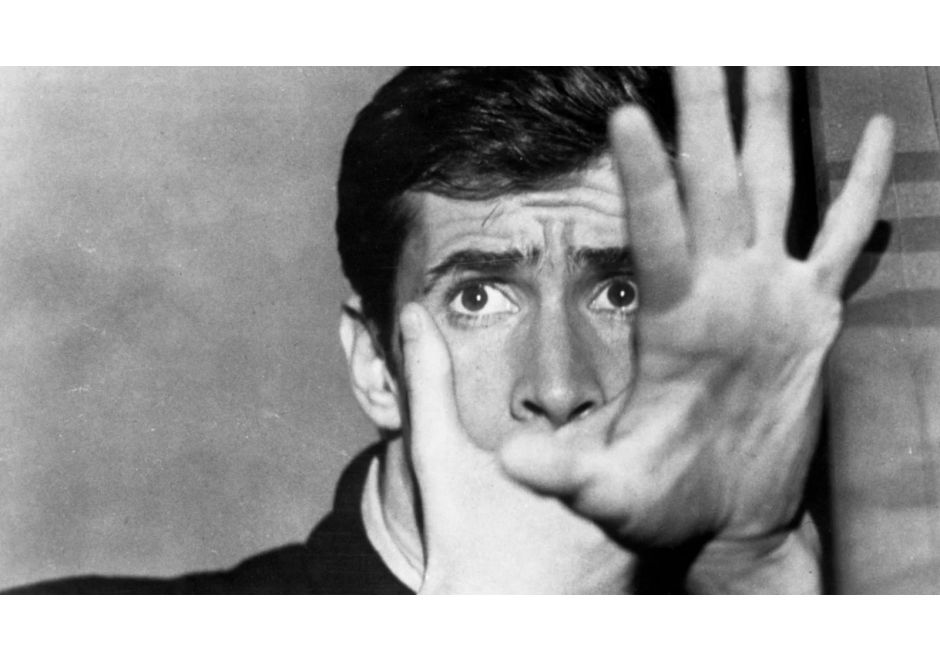
Alfred Hitchcock once described audiences experiencing a horror movie in a fascinating way.
"The audience is like a giant organ that you and I are playing. At one moment we play this note, and get this reaction, and then we play that chord and they react. And someday we won't even have to make a movie. There'll be electrodes implanted in their brains, as we'll just press different buttons and they'll go 'oooh' and 'aaah' and we'll frighten them, and make them laugh. Won't that be wonderful?"
While we're not quite at the technological stage of being able to push fear buttons in an audience's brain implants to make them experience the thrills of being scared, Hitchcock clearly understood the ability to utilize neuroscience to create reactions in the audience when it came to scaring and shocking them.
Horror is a very unique movie genre. Audiences don't just observe what is happening to the characters like most would while watching movies in other genres. Their brains and bodies react to what they see and hear, despite knowing full well that there's not really a killer standing behind them, a demon lurking in the shadows, or a monster creeping up on them. Despite that knowledge:
- The heart rate changes
- Muscles tense up
- Gasps are emoted
- Eyes are covered
- Screams escape
- Some even jump out of their seats in horror
It goes far beyond experiencing a story vicariously through a character's perspective, as you would in any other genre. The best horror movies play with the common fears of the audience, and use those fears to give them a visceral cinematic experience like no other. There's a reason the horror genre is one of the most prolific and profitable genres that never goes out of style - and that reason is neuroscience.
Why does the human brain react as though the danger in horror movies might be real? And, more importantly for screenwriters, how can you tap into the human brain to write scarier, more frightening, and more terrifying screenplays?
With those questions in mind, here we break down the neuroscience behind writing horror movies.
Reactions to Horror Movies Come From Our DNA
We scream, jump, and hide while watching horror movies because of our survival instincts that are deeply embedded within our DNA. When we have these reactions to horror movies, we're calling back to our primal behaviors.
We know that we're sitting in a movie theater or watching something in the comfort of our home. We know we're watching a movie written, acted, directed, and produced by screenwriters, actors, directors, producers, crews, special effects companies, sound designers, and more. But our primal instincts kick in before we can realize the logical truth: these events aren't really happening, and no danger is lurking.
Michael Grabowski is the Chair of the Communication Department at Manhattan College and the editor of the textbook Neuroscience and Media: New Understandings and Representations. In the textbook, Grabowski points out that, "Usually when we're watching something, we've shut down the motor regions of the brain, and yet those stimuli [from a shocking scene] are so strong that they overcome the inhibition to the motor system."
He goes on to point out the link to our primal behavior. "The scream is a way to alert others in your social group and scare off attackers."
This is a key introduction to how the horror genre uses neuroscience to create a memorable cathartic experience. It's in our DNA. When our fear neurobuttons are pushed, we naturally want to hide, scream, and grab the person next to us after we see a threat.
Dutch Media Studies Professor Patricia Pisters wrote in an online essay, "As spectators, we indeed experience the world increasingly 'inside out' and have direct access to the drama of the neural mechanisms of emotion. We are taken on a neuronal rollercoaster that will eventually give us the story."
So, it all starts with what's in our DNA. It's not like other genres where you can tap into certain audience-bases who:
- Like particular forms of comedy
- Enjoy historical stories
- Love great special effects
- Get immersed into solving onscreen mysteries
Horror taps into everyone's primal fears and reactions.
Why Younger Demographics Enjoy Horror Movies More
Teenagers and people in their twenties flood the theaters for horror movies more than any demographic. Why? John Edward Campbell, an expert in media studies at Temple University, explains that the younger demographics "are more likely to look for intense experiences."
This age-range of younger people haven't fully lived in the real world yet, which is full of shocking revelations about war, politics, and death - not to mention having to deal with getting career jobs, paying rent and mortgages, paying for insurance, fearing the loss of jobs by being fired or laid off, etc.
"Older people have stimulation fatigue. Life's [real] horrors scare them, or they don't find them entertaining any more - or interesting," Stuart Fischoff, the late Emeritus Professor of Psychology at California State University, stated.
This isn't to say that older generations don't enjoy a good horror movie. Most that do are actually chasing the cathartic effect of watching such movies.
The Cathartic Effect of Horror Movies
It's proven in scientific fields that the more fear, distress, and anxiety that a horror audience member feels while watching a horror movie, the more likely they are going to enjoy the horror genre.
"The pleasure comes from the relief that follows," says Campbell. "It provides a cathartic effect, offering you emotional release and escape from the real world of bills and mortgages and the economy and relationships."
You'll anticipate and feel the distress, anxiety, and terror of a horror movie, but with the quick payoff of the cathartic effect it has on you. While you may feel the relief that the character on the screen may or may not have after what you've watched them go through, it's the personal relief that you are okay that makes horror scares so impactful.
Your imagination ponders what would happen if you were in this scary situation, and then your reactions to the jump scares, creepy visuals, and adrenaline-inducing anticipation of what lurks in the shadows or around the corners gives you an instant jolt, followed by the even more impactful feeling of relief.
Audiences feel more catharsis with horror movies because the genre taps into our primal behavior that we all share. Some comedies aren't for everyone. Historical war movies have a more niche audience compared to horror. Franchises have both their fanbases and detractors. But the cathartic residuals of watching horror movies is far more universal - and inherently primal.
Three Psychological Factors That Engage Horror Audiences
Psychologist Dr. Glenn D. Walters identified three primary factors that cause audiences to be so allured and engaged by horror movies - Tension, Relevance, and Unrealism.
1. Tension
Tension while watching horror movies is created through mystery, suspense, gore, terror, and shock. All of these are the most basic elements of a great horror story. You don't always need the gore, but you do need a sense of mystery (what is lurking in the shadows), suspense (when is the threat going to attack the character), terror (the primal reactions the audience will feel when that happens), and shock (the cathartic effect of the shock, and the relief and entertaining feeling that immediately follows).
2. Relevance
Horror movies usually need to be relevant to the audience. The more relevant the horror movie is in the eyes of the audience, the bigger the audience will be when it comes to theater attendance and the amount of views on streaming platforms. Death and the unknown are perhaps the most relevant topics. Subgroup relevance comes into play as well. In the 1990s, teenagers made movies like Scream and I Know What You Did Last Summer box office and video rental hits because the scary stories were centered around teenage characters. Today, younger people in their late teens, twenties, and early thirties made movies like Obsession a hit because the film focused on characters in those age ranges. Horror movies don't always need to be relevant to the audience, but it's what really drives the box office numbers up.
3. Unrealism
In a 1994 study conducted by researchers Jonathan Haidt, Clark McCauley, and Paul Rozin, college students were exposed to documentary footage depicting disturbing and graphic real-life imagery. There were three clips:
- Slaughterhouse footage
- A monkey being killed and its brain consumed
- Footage involving facial surgery of a child
According to Walters' discussion of the research, 90% of the students stopped the footage before it ended. Yet many of the same viewers could and would willingly sit through fictional horror containing comparable and considerably greater levels of blood and violence.
When horror fans watch horror movies, they know what they are seeing is fabricated reality. They see the filmmaking in front of their eyes with different camera angles, shots, background music, etc. They see the screenwriting coming to life in the form of storylines and character arcs.
There's a reason adults look back on horror movies that scared them as a child. When they watch those movies now, they find that the movies are less horrifying and more hokey and lackluster. Why? Children don't have the grasp of reality that adults do. The scary images they see at such a young age can't be filtered through the logic that adults have.
According to Walters, these three factors are why horror movies are so popular today.
Why Audiences of All Ages Love Horror Movies
Whatever scientific theory or neuroscience we believe or attribute, the fact remains that we as a species love to be scared. Why? Think about it. We have these repressed instincts that we've buried for thousands of years. We've lived in a much more safe and civilized world.
- We don't have to fear the beasts that lurk outside our camps or villages.
- We don't have that physical relief of protecting ourselves and our people.
- We don't have to venture into the wilderness to hunt down dangerous prey or go through the process of hunting and killing our own food.
So what do we do in place of that? Some climb mountains and jump out of perfectly good airplanes. Others go on rollercoaster rides. Most others save themselves from the possible physical and mental repercussions of such dangerous and terrifying activities and, instead, just go to the local movie theater or scroll through streaming platforms to watch the latest horror hit, knowing full well that they'll probably scream, shudder, gasp, and grab the person next to them in utter fear.
What Can Screenwriters Learn from the Neuroscience Behind Horror Movies?
Screenwriters and filmmakers have the unique opportunity to provide that highly desired experience of being terrified. If you're a screenwriter or filmmaker, you can craft horror rollercoasters of your own, triggering those primal instincts within the audience.
If any genre has showcased the most longevity, it's the horror genre. How many vampire, werewolf, zombie, and haunted house movies have been made? They've been making them for over one hundred years, with great success.
You know that there's always going to be the call for the next great horror classic, or even the guilty pleasure of writing different takes on what has come before.
- The next slasher flick
- The next haunted house horror fest
- The next monster-in-the-closet tale
- And perhaps the first of a new breed of horror
If you're wondering how to scare an audience, look no further than the above examples of the neuroscience behind horror movies and why audiences love them. But if you really want to write the next great horror movie, look within to find your own fears that you can tap into.
Understanding the neuroscience behind horror is just the first step. Now you need to explore how to push those primal buttons.