

The Drama writer/director Kristoffer Borgli knows that a week before a wedding is filled with pressure, noting that it's the perfect pressure cooker for cinematic tension.
"It's definitely a very heightened situation," Borgli said during the red carpet premiere to Sharp Magazine. "And it's when you sort of 'seal the deal' with someone you think you know. There's a lot at stake that week. And of course, stakes make for great movies."
The spin that makes The Drama more intense and engaging is the secret that gets spilled about 20 minutes into the movie when two couples play the game, What's the worst thing you've done. This secret upends the relationship between the bride- and groom-to-be as well as the best man and maid-of-honor. It impacts every scene that follows, creates underlying subtext, and completely changes the dynamic of every interaction with every character. It's not a secret used for shock value, but rather to dive deep into a relationship during a strenuous time.
Using a controversial subject at its core was quite a feat that Borgli pulled off, and the movie is filled with great lessons that screenwriters can use in their own stories, even if there isn't a massive bombshell dropped early in the film.
"Borgli manages to ride this line of making the movie feel funny, accessible and romantic—but it also feels dangerous, which is great. Hopefully it will get people talking," Pattinson said in a Vogue interview.
Here's how Borgli pulls it off.
Set the Stage
The Drama spends a lot of the first act setting up the relationship between Charlie (Pattinson) and Emma (Zendaya), including how they met and all the last-minute preparations that happen during the final week before a wedding. This stressful time includes both Charlie and Emma finalizing their vows, trying to perfect their wedding dance, and managing some complications with their DJ.
The Drama starts off with an already unusually tense situation, unique to a moment in time of a specific event, and then completely upends it all with a conversation. With time counting down before the "I do's," the secret makes Charlie wonder if he can even go through with it and, if so, how can he defend his choice.
Building tension before the catalyst is revealed, which will make everything worse for the characters, is a great device the screenwriter used to show the circumstances of an already stressful situation. Borgli shows Charlie as overwhelmed, which makes the inciting incident seem more catastrophic. It's up to the writer to know when it's appropriate to have this stress.
The Idea Behind the Line
One conversation completely redefines the dynamic of the movie, and its reveal impacts context for the scenes moving forward. It forces the four characters in that specific scene to question what they believed about love, commitment, and the future.
When writing about a controversial or taboo topic, the idea itself shouldn't exist because it's provocative but reveals a deeper truth in the characters.
After the secret, every conversation and reaction becomes layered in subtext because the characters, especially Charlie, now know something they wished they didn't know. Suddenly, a standard conversation with the wedding photographer provides internal conflict; innocent questions or comments have more than one meaning and the day-to-day dialogues are more than simple back-and-forth.
The Drama shows writers how subtext deepens what a character says versus what's being thought.
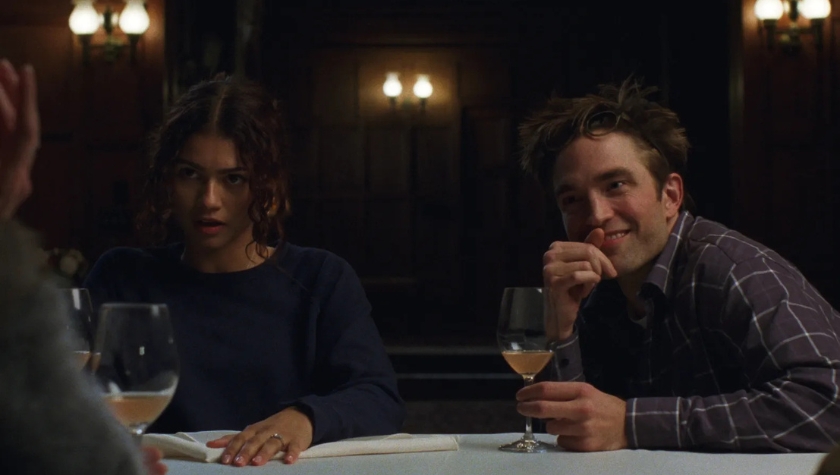
Your Characters are Human
Who is right? That seems like an easy judgment to make; however, that's where the writer can make a mistake when creating characters, especially when taking on a controversial topic and creating the person who is "right" or the "moral authority" before the audience has a chance to experience the story.
The Drama doesn't place judgment on any individual character. In fact, when the secret is revealed, everyone reacts in a reasonable way—they may be upset, scared, or unsure, but everyone has realistic human emotions as they try to reflect on the new dynamics of their relationship.
The same goes for your characters. Whatever reaction they have, make sure it aligns with their emotional logic, not with what the plot needs to move forward. That's how audiences will connect with the characters—they see flawed people making messy decisions in their given situation.
"People are layered and complex, and they make mistakes. There are cultural differences. But there are also things that are just kind of, 'Well, that's rude. That's mean,'" Zendaya said in a USA Today interview. "And there's also the opposite. You can know someone for a long time, and they can change, or you get to know them on a deeper level, and you're like, 'Whoa. I didn't see that side of you.'"
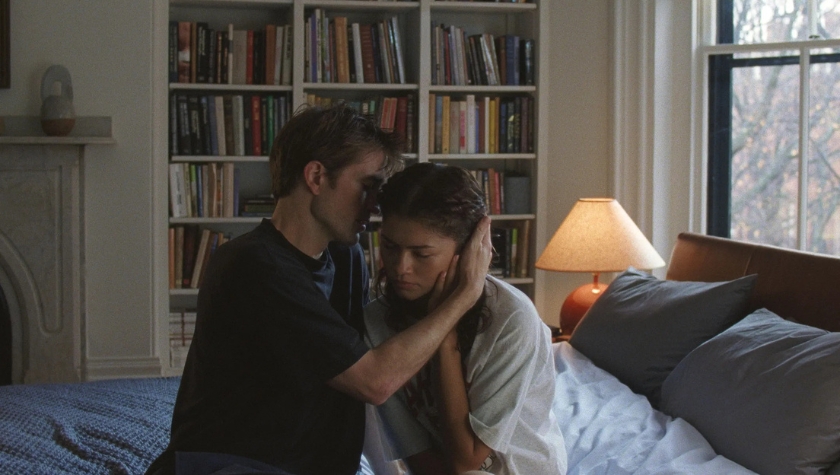
Can the Past be Forgiven?
There are plenty of stories predicated on this question. It's not always a matter of a character confronting their past, but how those around them change their perception when they learn about the history.
The Drama consistently asks whether you can be with someone you're not sure you trust anymore—especially when they are the person you're going to marry within a week. This concept is used frequently across several genres. True Lies, a James Cameron 1990s action flick also surrounding a stressed marriage, asks if you can trust your partner when you find out they're a spy. And then there's Breaking Bad, a groundbreaking show about a high school chemistry teacher who secretly becomes a drug kingpin—what happens when his wife finds out?
That's what storytelling is all about: how do characters evolve perceptions? And then trust the audience to have a natural reaction as well.
"I just want to say that you should watch it and however you react is valid," Borgli said in his Sharp Magazine interview. "It's like however you want to react, how you feel, it's all okay."