

There's a big difference between what a character wants and what they need within the story. It's important for screenwriters to know the differences between the two because giving your characters multiple layers makes their character arcs better, and, as a result, improves the story as well.
Let's break down what the difference is between want and need when it comes to characters in a story. It's a fascinating and eye-opening subject that will make your writing easier, your scripts better, and your protagonists and antagonists much, much more dynamic and layered.
'Want' Equals 'External ARC'
The want a character has is usually tied to a character's external arc, which is the visible story goal that drives the plot forward. It's a tangible goal (want) that is visible to the audience through the plot, and it's usually what they can identify within the first act.
- Indiana Jones wants to find the Ark of the Covenant before the Nazis (Raiders of the Lost Ark)
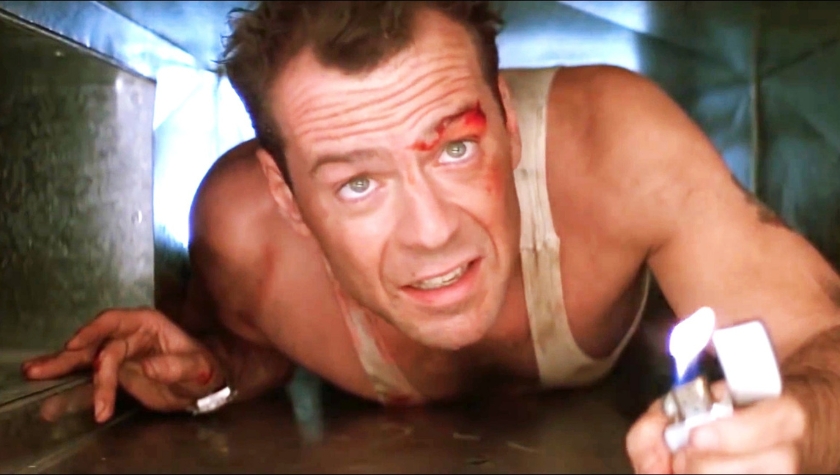
- John McClane wants to save his wife, save the hostages, and survive the hostage situation (Die Hard)
- Rocky wants to go the distance with Apollo Creed (Rocky)
- Marty McFly wants to realign the fate of his parents that he messed up when he went back in time so he doesn't disappear, and he can return to 1985 (Back to the Future)
These protagonist wants create the story engine of the script. Without them, the story has no forward momentum. These wants drive the story forward, and screenwriters can have fun creating more and more conflict and hurdles to stand in their way and drive the stakes of the story higher and higher, creating an excellent cinematic experience.
In turn, the antagonists or villains of the story have their own wants as well.
- The Nazis want the Ark of the Covenant and are willing to do anything they can to achieve that goal, no matter who they hurt along the way.
- Hans Gruber wants to get what he came for, and he'll use the hostages to accomplish that.
- Apollo Creed wants to win back the people by giving an unknown a chance, knowing he's going to beat him.
- At every turn, Biff stands in the way of Marty's parents reuniting.
As you can see, the wants of the protagonist and antagonist create instant conflict because they either want the same thing or their wants are opposed. This is why a character's wants drive the story engine. A story engine is all about goals and conflict and forward momentum towards those goals, and through any conflict.
What is an External ARC?
We use the acronym ARC to define the core elements of an external arc.
- Action
- Reaction
- Consequences
The protagonist takes action against the screenplay's core conflict. The world reacts to them going up against the conflict. From that reaction come consequences that the protagonist must deal with. These elements are the external wants the protagonist has. The ones that are there for all to see.
The External ARC becomes a cycle that repeats throughout the story. When the protagonist faces consequences, they must take action and respond to the antagonist's reaction, leading to new consequences.
Without external wants, stories can stall. There's no momentum, no urgency, and no narrative drive. The external arc is what keeps the audience engaged scene by scene because they naturally connect with the objectives, obstacles, and escalating stakes. Those elements are playing out right before their eyes.
It all creates a cause-and-effect storytelling that continues to evolve and reset with each act, culminating in a great climax. Audiences (and script readers) respond to these types of stories because the protagonist's actions continually trigger new problems and complications, which, in turn, create opportunities for the protagonist to solve those problems and work through those complications.
'Need' Equals 'Internal ARC'
While a character's want is tied to the external arc, their need represents their internal arc. The internal arc is the emotional, psychological, or spiritual journey the protagonist goes through beneath the surface of the external plot.
Their want is what the protagonist (and the audience) thinks will solve all of their problems. But their need is what will actually lead to that.
The inner arcs are very powerful. The protagonist is usually very unaware of what they truly need at the beginning of the story. Instead, they are focused on the external goal, visible conflict, mission, or objective. But underneath all of that is usually the deeper truth they are avoiding.
That emotional truth may come in many forms:
- Fear
- Selfishness
- Insecurity
- Anger
- Guilt
The external conflict forces them to confront their inner struggles.
- Indiana Jones is unwilling to face his initial lack of belief in faith and love.
- John McClane wants to save his marriage.
- Rocky wants to overcome his insecurities.
- Marty McFly faces his initial shame towards his family, not understanding why they are the way they are.
Their needs create the emotional core of the story. Audiences latch onto those emotional needs because they are universal. Everyone knows what it's like to struggle with faith, love, insecurity, and the differences we may feel with our family. At the very least, it elicits empathy from the audience for the protagonist.
Antagonists can have their own needs as well. And sometimes the best antagonists and villains mirror the protagonist, and vice versa. When they either have the same type of needs or needs that are a stark difference between the others, that is when you're creating memorable characters.

What Is an Internal ARC?
We use the same acronym to define the core elements of an internal arc, albeit with different meanings.
- Acceptance
- Revelation
- Contentment
A protagonist's story usually starts in their ordinary world, where they have accepted their internal conflicts. They may not like where they are internally, but they've come to accept it - or they aren't taking too much action to change things. Then, during the story, they usually have a revelation in which they come to understand their inner struggles. This usually happens while they are dealing with the external conflicts. They are then forced to confront their struggles, leading to eventual contentment by the end of the story. They have achieved their external goals, but only through dealing with their internal struggles. This represents the internal journey happening underneath the surface of the visible plot.
The best stories don't separate the external arc from the internal arc. The wants and needs of a character are intertwined. There's a clear cause-and-effect relationship between them.
- Indiana Jones realizes his love for Marion when he thinks he's lost her. He must then turn to face and turn to faith when the Ark of the Covenant is opened.
- John McClane goes through hell and back to save his marriage. He's finally honest about his regrets when he conveys a message to his cop friend that he wants delivered to his wife if he doesn't make it.
- Rocky knows he can't beat Apollo. He just wants to go the distance with him. But to do that, he's going to have to get past his insecurities and start believing in himself.
- Marty McFly finally understands why his parents are the way they were. He appreciates them. He relates to them.
The best cinematic climaxes don't just resolve the external conflict. They also resolve the protagonist's emotional journey.

How to Create the Best External and Internal Arcs for Your Characters
Now that you know the difference between what your characters want and need, here are some of the best ways to create the best possible external and internal arcs and conflicts for your characters and screenplays.
Start with the external arc first. Ask yourself these questions:
- What does your protagonist want more than anything when the core conflict of the concept and story hits them?
- What goals are they now chasing?
- What problems are they trying to solve?
- What dangers or struggles are they trying to survive?
Those external wants will become the engine of your screenplay, churning and churning as more and more conflict is thrown at the protagonist. You'll create the action, reaction, and consequences (ARC) that drive the story forward in a well-paced fashion.
Then it's time to look beneath the surface and get into the psyche of your protagonist. Ask yourself, "Why does the protagonist need to achieve this goal so badly?"
This is where you'll start to see their internal arc begin to reveal itself. You may start to connect dots you didn't even know were there at the surface level.
- Your protagonist is chasing success because they feel worthless inside.
- They're trying to save someone because they failed to save someone in the past.
- They're obsessed with control because they've lived a life of fear.
- They avoid love and reject faith because of past emotional trauma or heartbreak.
Look no further than Indiana Jones in Indiana Jones and the Last Crusade. We learn that Indy is the way he is because of his broken relationship with his father. He's so much like his father, but also so different. He wants to emulate his father in many ways because he thinks his father is brilliant. But he resents his father's obsession with the search for the Holy Grail, which also reflects his internal struggles with his lack of faith.
Indy begins to solve his problems as he comes to terms with his relationship with his father. They are mirror images of each other. Indy is a man of action. Henry is a man of intellect. Henry fears action. Indy strives to understand his father's knowledge of the Holy Grail and the crusades.
Once you identify the emotional flaw, fear, wound, or insecurity underneath the protagonist's external goal, you can start intertwining it around the external arc.
Those wants and needs define great storytelling and masterful character development.