
The Coen Brothers have been major forces in American cinema for an astounding 40 years now, spanning genres from crime thriller to musical to stoner comedy, and always with a dark sense of humor. Though the Minnesota writing/directing/editing team of Joel and Ethan Coen haven’t made a film together since 2018’s The Ballad of Buster Scruggs, Joel is currently directing a film called Jack Of Spades starring Josh O’Connor in Scotland, and Ethan’s newest directorial effort, Honey Don’t!, co-written with his partner and Drive Away Dolls (2024) collaborator Tricia Cooke, premiered at the Cannes Film Festival in May and releases this month, frontlined by Margaret Qualley and Aubrey Plaza.
Honey takes its name from Qualley’s private investigator character, Honey O’Donahue, representing the latest in a long line of mystery and crime thriller characters from the Coens that take their roots in American crime fiction, going back to their debut feature, Blood Simple (1984). The brothers, together and apart, have created a specific tone, rich with literary layers, that’s all their own, in part by drawing on a deep well of influence. And while their movies are littered with cinematic allusions, they owe as great a debt to literature.
The brothers clearly love to read, and have done their fair share of literary adaptations, like Oscar-winning No Country for Old Men (2007) based on the Cormac McCarthy novel, their western hit based on Charles Portis’ True Grit (2010), and Joel Coen’s solo directorial effort adapting William Shakespeare in The Tragedy of Macbeth (2021), whose murder plot Coen compared to the hard-boiled American crime fiction that influenced their films.
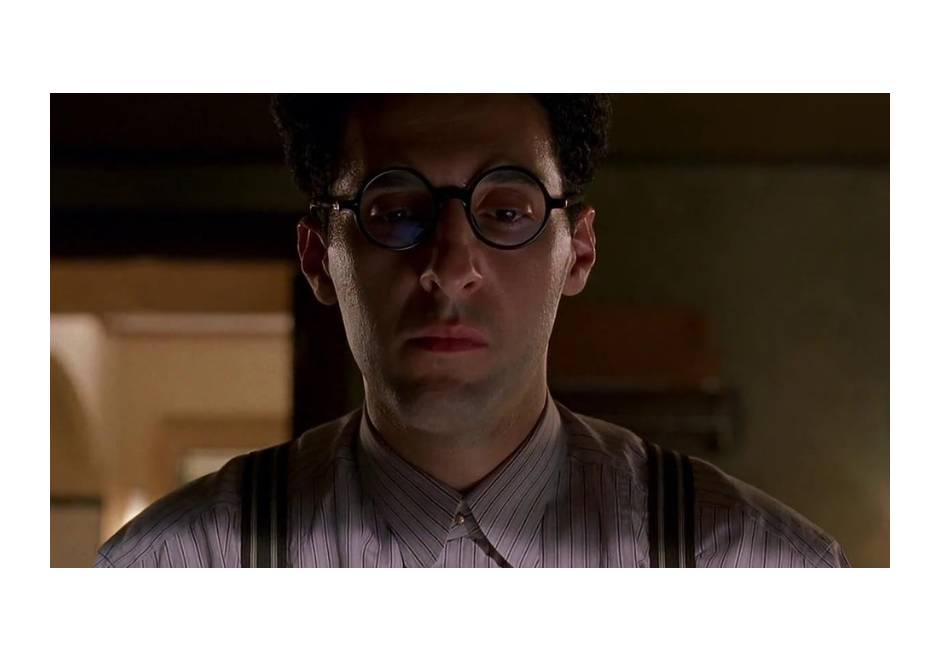
One that got away was an adaptation of James Dickey’s To The White Sea, about an American gunner who’s shot down over Tokyo during the WWII fire bombings, which had Brad Pitt attached in the early 2000s, but ultimately was too expensive to get off the ground. Additionally, one of their most acclaimed film’s features characters loosely based on real writers. The Palme d’or winning Barton Fink (1991) starred John Turturro as a playwright turned fledgling screenwriter with roots in Clifford Odets and George S. Kaufman, alongside another character depicted in the mold of William Faulkner, himself a great influence on the Coens.
On the other side of the spectrum are films where the cinematic influences are more apparent than the literary ones, like screwball comedies Raising Arizona (1987), which seems to meld the crime film Straight Time (1978) with the high speed action antics of Chuck Jones’ Wile E. Coyote cartoons and The Road Warrior (1981), and The Hudsucker Proxy (1994), a post-modern love letter to 40s comedy films by the likes of Frank Capra, Howard Hawks and Preston Sturges.
Their 2004 Tom Hanks vehicle The Ladykillers (2004) was a remake of the Ealing Studios British comedy film of the same name from 1955, itself littered with shades of Faulkner and Flannery O’Connor, whose influence can be seen across the filmography, while Intolerable Cruelty (2002) was developed from an existing romantic comedy screenplay.
But some of the Coens’ most significant movies aren’t necessarily literary adaptations or film genre homages, but original films where they’ve worked under the spectre of specifically cited literary figures. From hard-boiled detective fiction to Greek mythology, here are some of the foremost literary influences on the work of the Coen Brothers.
1. James M. Cain
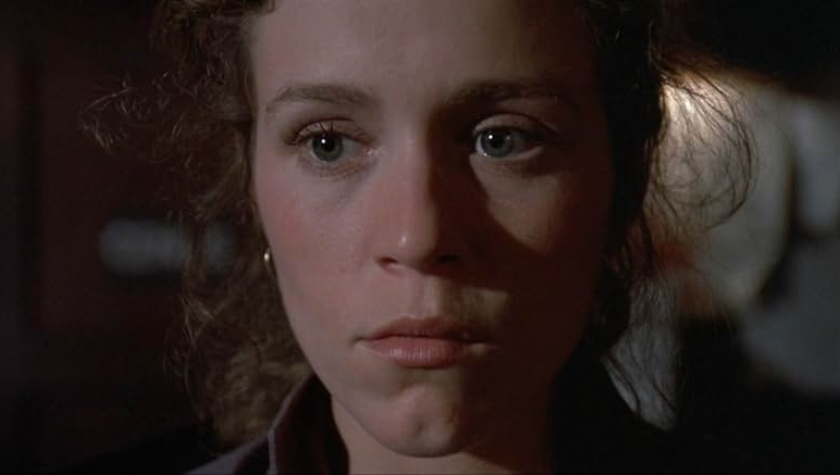
Blood Simple (1984) and The Man Who Wasn’t There (2001)
When young Joel and Ethan Coen were trying to get their first film off the ground, they looked to the success of their friend, Sam Raimi, whose debut independent horror feature, The Evil Dead (1981), Joel was an assistant editor on. Raimi financed the film independently by using a short proof-of-concept film and examples of successful recent low-budget horror movies to entice investors. The Coens decided to follow in his footsteps, shooting enough footage to cut an exciting trailer for an as-yet unmade film that they could market with the thrills and violence of slashers that were finding independent financing at the time. Ever the fans of crime fiction, the closest they could come to writing an out and out horror film was a bloody little crime film in the mold of hard-boiled novelist James M. Cain. They gave it the provocative title Blood Simple.
James Cain was a WWI veteran and accomplished journalist by the time he published his first novel in 1934 at the age 42. Perhaps it was the true stories he encountered of people resorting to crime and violence during the Great Depression that led him to write in the hard-boiled subgenre, which had specialized in lurid stories of sex and murder since the 1920s. His crime novels, chock-full of femme fatales and desperate men engaging in affairs and murder plots, were sources for some of the greatest films noir of the 1940s, including Double Indemnity (1944), Mildred Pierce (1945) and The Postman Always Rings Twice (1946). Forty years on, the Coens’ Blood Simple told a similar story of an extramarital affair that results in misunderstanding and murder, but transposed to a neon-lit Texas roadhouse in the 80s.
They would return to their Cain influence 15 years later with The Man Who Wasn’t There (2001), this time stylizing the film more specifically like the films noir of the 1940s. Set in 1949 and shot in contrasty black and white by their regular collaborator, legendary cinematographer Roger Deakins, the film tells the story of a barber, played by Billy Bob Thornton, whose plan to blackmail his wife’s boss, with whom she’s having an affair, goes horribly awry, resulting in - you guessed it - murder. If Blood Simple was a contemporary neo-noir with a Cain influence, the period appropriate Man Who Wasn’t There feels like it could’ve been adapted from a novel by the man himself. Though these were the only two films directly attributed to a Cain influence, the Coens’ frequent use of stream-of-consciousness voiceover, sparse, clever dialogue, and unforgiving outbursts of violence, prove that their affection for the author is present in much of their filmography.
2. Dashiell Hammett
Miller’s Crossing (1990)
The Coens had so much trouble writing their third feature, Prohibition-era crime film, Miller’s Crossing (1990), that they famously took a break and wrote Barton FInk as a palate cleanser in the middle of the process. Their struggles were likely due to the influence of Dashiell Hammett, whose labyrinthine crime plots they were attempting to emulate. Often credited with creating the hard-boiled genre, Hammett specialized largely in detective fiction, due in part to his time as a Pinkerton agency detective. It was his recovery from tuberculosis contracted during his service in World War I that led to his prolific writing career. His series of books following the cases of hard-partying husband and wife detective team Nick and Nora Charles were adapted into the indelible The Thin Man (1934) film series, while hard-nosed detective Sam Spade became a star-making role for Humphrey Bogart in The Maltese Falcon (1941). But it was the Continental Op, the protagonist of his 1929 debut novel Red Harvest, who became a comp for Miller’s Crossing protagonist Tom Reagan, played by Gabriel Byrne. The Coens actually took the phrase “blood simple” from the pages of Red Harvest, in which the detective heads to a Montana mining town on a murder investigation, only to get caught in the middle of a local gang war. The same plot is said to have later served as an influence on cinematic works as diverse as Akira Kurosawa’s Yojimbo (1961) and Sergio Leone’s A Fistful Of Dollars (1964).
The Tom character’s loyalty to his crime boss, Leo, played by Albert Finney, owes more of a debt to Hammett’s 1931 novel, The Glass Key, itself adapted into a 1942 film noir, but once Reagan leaves his boss with designs of his own and begins orchestrating a brainy war between the film’s two crime families, it becomes much more akin to Red Harvest. The twisty plot and endlessly quotable, terse crime dialogue, make Miller’s Crossing as great a Hammett film as any of the films based on his actual books. But once they were able to tie up all the plot threads, the Coens had the misfortune of releasing Miller’s into the same late 1990 corridor that saw the releases of gangster film heavyweights Goodfellas and The Godfather Part III. It bombed at the box office, but its literary merits, sweeping visual scope and blend of comedy and violence, have caused its esteem to grow over the years, with many contemporary filmmakers citing its influence from Rian Johnson to Ari Aster. As for the lasting legacy of Hammett, Scott Frank recently wrote and directed the series Monsieur Spade in which Clive Owen plays an aging Sam Spade, and is reported to have secured the rights to Red Harvest for A24. It would appear that Hammett’s inspiration shows no signs of fading any time soon.
3. Raymond Chandler
The Big Lebowski (1998)
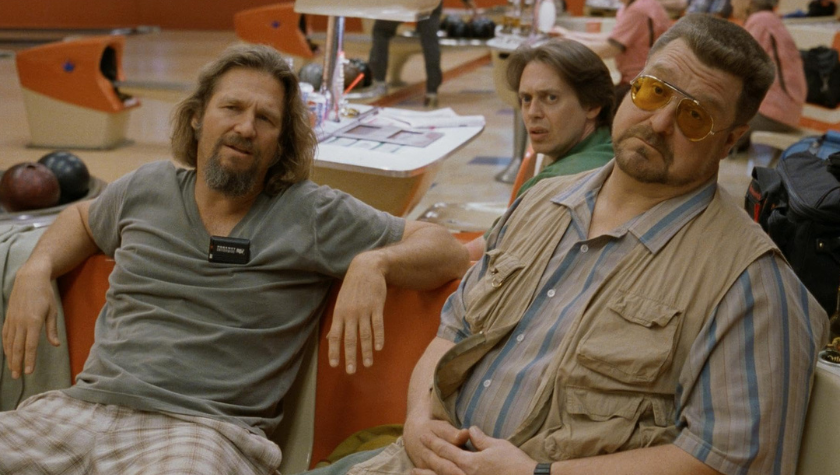
The Coens turned from the influence of classic film and literature to that of contemporary headlines when creating their acclaimed 1996 crime thriller, Fargo. The snowy Minnesota-set kidnapping-gone-wrong film became a hit and won them their first Academy Award for the screenplay, as well as a Best Actress Oscar for McDormand. It seemed a curious move to the film intelligentsia, then, that their next film traded in the perceived prestige of their Oscar darling for what appeared on the surface to be a stoner comedy, The Big Lebowski (1998). But the unemployed, White Russian-loving, recreational bowler, Jeffrey “The Dude” Lebowski, as played unforgettably by Jeff Bridges, shares as much in common with Cheech and Chong as with another iconic character of American crime fiction, Detective Philip Marlowe from the novels of Raymond Chandler.
Like his fellow hard-boiled brethren, Chandler served in WWI before turning to writing to make a living during The Great Depression. The success of his short stories and detective novels featuring Marlowe, a poor, rugged PI who navigates the seedy underbelly of Los Angeles, trying to uphold decency in a dark world, sent Chandler to Hollywood, where he drank, toiled and fought his way through contributions to screenplays such as Double Indemnity and Alfred Hitchcock’s Strangers On A Train (1951). So when the Coens were looking for a plot in which their titular character, based on their friend, film producer Jeff Dowd, could navigate contemporary Los Angeles, a Philip Marlowe mystery plot seemed like the perfect fit.
Though Lebowski wasn’t much of a hit upon release, it’s since grown a massive following due to its beloved, eccentric characters and endlessly quotable lines. But while the bowling, cussing, joint smoking and Creedence tapes may prove most striking, it’s all costuming for a Chandler-esque plot and LA noir setting, whose bare bones consist of a millionaire hiring an LA loner to do a job for him that winds up being a frame job. When The Dude encounters an LA millionaire with his same name after a case of mistaken identity results in some henchmen peeing on The Dude’s rug, he gets wrapped up in a kidnapping case with “a lotta ins, a lotta outs, a lott what have yous.”
By dressing up a Raymond Chandler plot in the shaggy bathrobes and bowling shoes of The Dude, the Coens give a masterclass in turning specific influence and archetype into something that feels wholly original. Marlowe himself operates as a sort of Alice In Wonderland, an avatar encountering all sorts of strange people and places thanks to his unwavering commitment to the case at hand. The Coens are likewise able to express a bizarro world full of weird characters and occurrences, because they’re using a tried and true framework created by Chandler.
4. Homer
O Brother, Where Art Thou? (2000) and Inside Llewyn Davis (2013)
The Coens’ Lebowski follow-up took them about as far from hard-boiled crime fiction as one can get. Though O Brother, Where Art Thou? (2000), named for the fictional movie-within-a-movie in Preston Sturges’ screwball comedy, Sullivan’s Travels (1941), follows three escaped convicts and features Tommy Guns and bank robberies, the opening credits come with the curious credit, “Based on The Odyssey, by Homer”.
The ancient Greek epic poems the Iliad and the Odyssey, which Christopher Nolan is adapting into a 2026 summer blockbuster, are credited to Homer, although the stories are so old that little is known of the author. What has transcended centuries of storytelling, however, is the notion of a hero, Odysseus in Greek or Ulysses in Latin, trying to get back home to his wife and children.
In the case of O Brother, George Clooney plays the aptly named Ulysses Everett McGill, who escapes a chain gang and undertakes a long journey across Depression-era Mississippi to reunite with his wife, Penny, played by Holly Hunter and named for Penelope in the ancient text. Accompanied by two other convicts who make up Everett’s loyal crew, the journey brings many challenges familiar from the classic poem in the form of seducing songstresses as stand-ins for the Sirens, a large one-eyed man played by John Goodman, representing the Cyclops, and a great climactic flood that brings Poseidon to mind. The movie star hero and familiar Odyssey framework, coupled with a musical soundtrack composed of infectious bluegrass and folk songs, made O Brother a hit. By transposing a tale almost literally as old as time into a musical, Southern adventure yarn, the Coens tapped into something ancient and universal that resulted in a beloved classic.
But the allusions to Homer recurred again later in the Coens’ work. In their 1960s Greenwich Village-set character study, Inside Llewyn Davis (2013), the embittered titular folk musician, as played by Oscar Isaac, encounters another colorful cast of characters and great challenges, one of which sees him trying to get a cat back home to its owners. The greatest challenge comes in an ill-fated audition at the Gate Of Horn, a real life folk club that was located in Chicago, and named for gates referenced in The Odyssey, that are said to separate dreams that come true, from dreams that are false. Poor Llewyn fails to pass through the Gate Of Horn audition, and we’re left to believe that his dreams of success will be dashed. The cat who he’s trying to get back home, is named Ulysses.

A bottomless well of influence
If there’s such a thing as true originals, the Coen Brothers are about as close as it gets. Cinematic memories of their Jewish upbringing in Minnesota can be glimpsed in A Serious Man (2009), which also seems to find influence in the Old Testament’s Book Of Job, to give another example of literary inspiration, but the distinct tone and truly imaginative stories that permeate their filmography come from not just from personal experience, but from an endlessly wide array of influences.
In studying some of their more specific influences across not only film, but art, life and literature, we can understand how by swirling inspirations from as many different cultures and art forms as possible, an artist can come up with a style that’s all their own. It’s important for a filmmaker to not just watch films or work from one genre, but to ingest as many mediums and types of artists as possible. Every piece of artwork you watch, see, and read, can become a useful tool of expression that will come in handy when creating new, original stories. Just take a look at the Coen Brothers’ bookshelf if you need a reminder.