
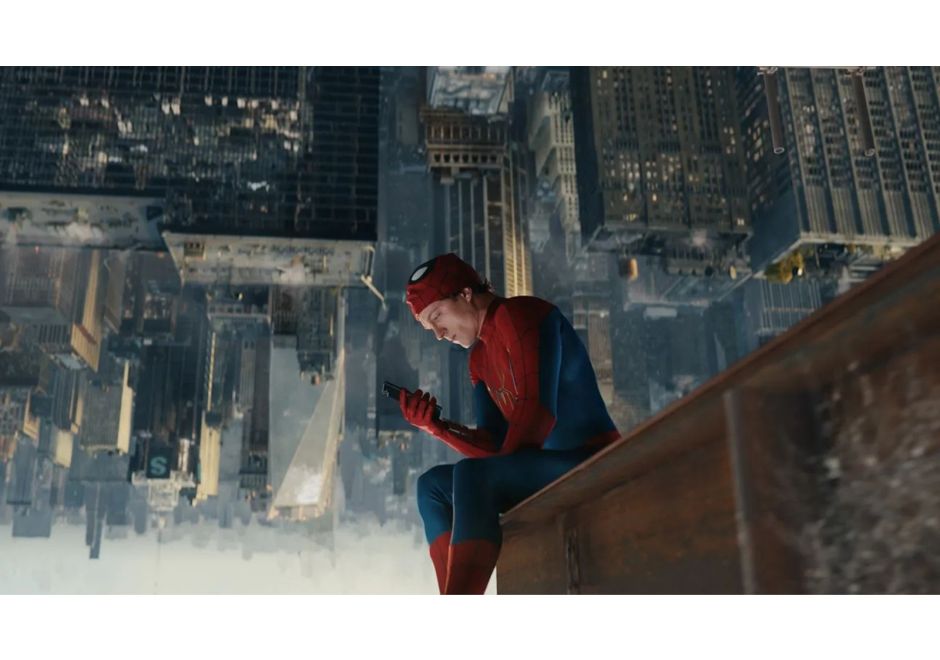
Things didn't end well for Peter Parker (Tom Holland) in Spider-Man: No Way Home. For him, saving the world meant having Dr. Strange (Benedict Cumberbatch) cast a spell that erases himself from everyone's memory, which included his best friend and the love of his life.
Now, almost five years later, Peter Parker is still your friendly neighborhood Spider-Man but with no friends, no family and no superhero group who remembers him, other than maybe Frank Castle (Jon Bernthal) who is more of like a frenemy.
This lonely existence is taking its toll as he's buried himself in work and watching his friends move on without him. How this manifests itself is through overwhelming stress that's changing his body, creating the possibility of him becoming more arachnid than human. And who does he have to turn to talk about his problems? No one, other than his AI assistant.
"This is a film about the importance of connection," director Destin Daniel Cretton said in a GQ interview. "And I think Peter Parker's journey in this movie is extremely relatable to the way that a lot of us feel right now, in a time where you can be in a city like this one and it's still very easy to feel alone. And in this particular movie, we're watching Peter Parker go from a place of being completely isolated to figuring out the importance of reconnecting to people he loves."
The idea of not being known is a great device for screenwriters when considering their next story. It can work on several levels, whether it's a new person coming into town or creating a fish-out-of-water comedy.
When you strip away a character's relationships or alter them, almost everything they encounter becomes a challenge. In many ways, allies become strangers whose trust they need to re-earn, and obstacles are greater because the character has lost their support system. Not to mention, they can experience profound loneliness.
Spider-Man: Brand New Day isn't the first story to explore this idea. Here are a few memorable films that dropped their protagonists into worlds where they had to start over with no one knowing who they were and manage life somewhat alone.
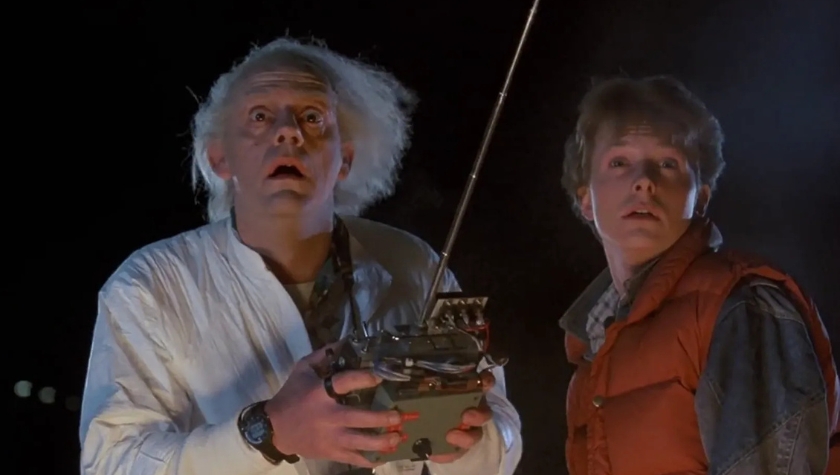
Back to the Future (1985)
Marty McFly (Michael J. Fox) is a slacker in 1985 whose best friend is Doc (Christopher Lloyd), a wild-eyed scientist who invents time travel only to be gunned down by terrorists who want his plutonium. Marty hops into the time machine and is transported to 1955 where no one knows who he is, and he's isolated in a world he knows little about. Marty convinces the 1955 Doc that, as the inventor of time travel, he can help get him home, but first he must help his parents (as teenagers) fall in love or else he will no longer exist.
Marty's navigating a world he doesn't fully understand, and there is almost no one who can help him. His parents not only become his same-age peers, but he's also trying to prevent his mom from falling in love with him (hey, it's complicated!).
Throwing Marty into 1955 instantly makes him an outsider, and every interaction is challenging because he lacks the relationships from 1985. Marty has to earn everyone's trust from scratch, which means he needs to problem solve without altering history too much.
Big (1988)
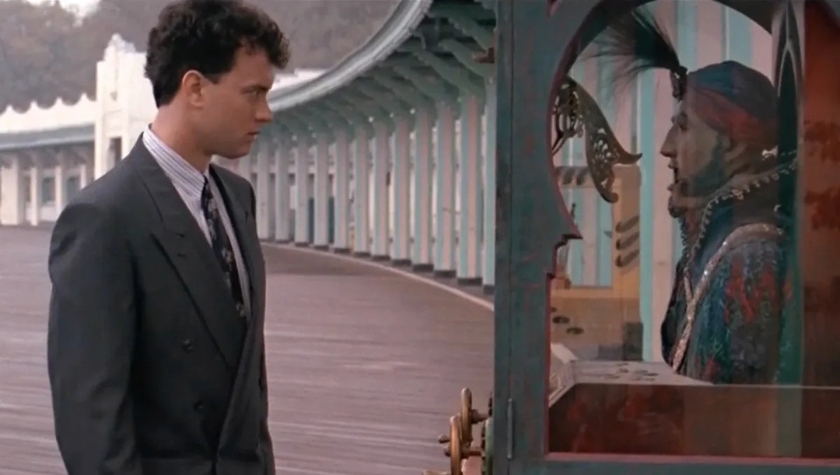
You know how in Obsession a man breaks a One Wish Willow to make his crush love him and everything goes wrong? Well, Big isn't exactly like that, but it's centered around a 13-year-old who wishes to be bigger on a Zoltar carnival game only to have that wish go horribly wrong. When he wakes up the next morning, he's a 30-year-old man. All he has to do is reverse his wish though, right? The only problem is the carnival shut down and the internet didn't exist in 1988, so finding the machine is extremely difficult. His mom also doesn't recognize him; in fact, she thinks he kidnapped her son, and all the safety nets of suburbia are gone.
Josh (Tom Hanks) must live as an adult in New York, which includes finding a job, renting an apartment, and learning how to be a grown up. No one knows who he is (other than his best friend, Billy) and he suddenly finds himself climbing the corporate ladder and falling in love.
Like Marty McFly, Josh is dropped into a world where he's completely on his own; it's not like he can tell anyone he's really a suburban teenager without sounding insane. While kids often wish they were older, Big shows that growing up isn't nearly all it's cracked up to be, especially in a world where no one knows who you are.
It's a Wonderful Life (1946)
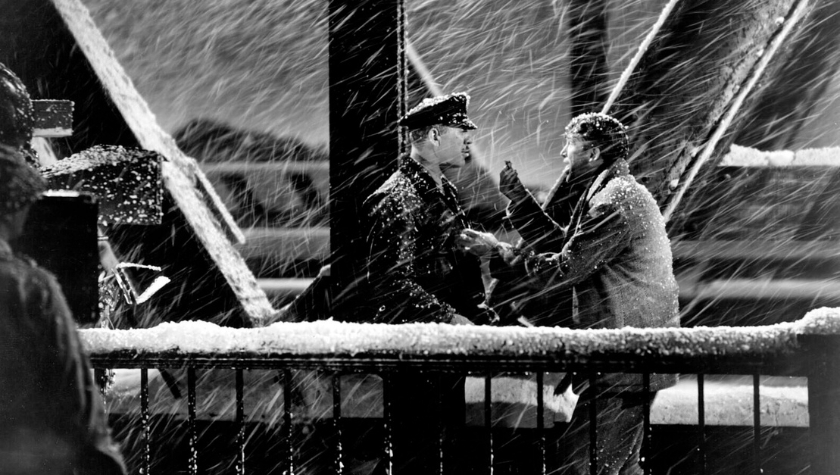
What would the world be like if you never existed? That's the big question at the heart of It's a Wonderful Life. This Christmas classic (although there is little Christmas in it) spends a decent amount of time taking its lead character and putting him in a position to examine life as if he were never born. He encounters his mother, who doesn't recognize him, realizing that his brother died because he wasn't around to save him and that the town was overrun by a greedy banker because he didn't stop him.
In a town where everyone knew who George Bailey (Jimmy Stewart) was, George walks through the world he knew, only nobody knows him anymore. While not existing isn't exactly the same as no one remembering who you are, it still shocks the protagonist and makes them see what the world is like when people don't recognize their familiar face.
All of these movies, as well as Spider-Man: Brand New Day, ask its protagonists to see the world as if no one knew who their true selves were. By removing their identity, every interaction becomes an obstacle and any sacrifices made to save the world, such as everyone in Peter Parker's world, won't remember who he was.
If you're a screenwriter looking to put a character through this kind of transformation, start by reducing the premise to its most essential form: strip the hero of the identity they've built for themselves. That could mean moving to a new town, losing the people who define them, or returning home after years away only to discover that everything (and everyone) has changed. When a character can no longer rely on who they used to be, they're forced to confront who they really are. That's where the most compelling stories begin.