
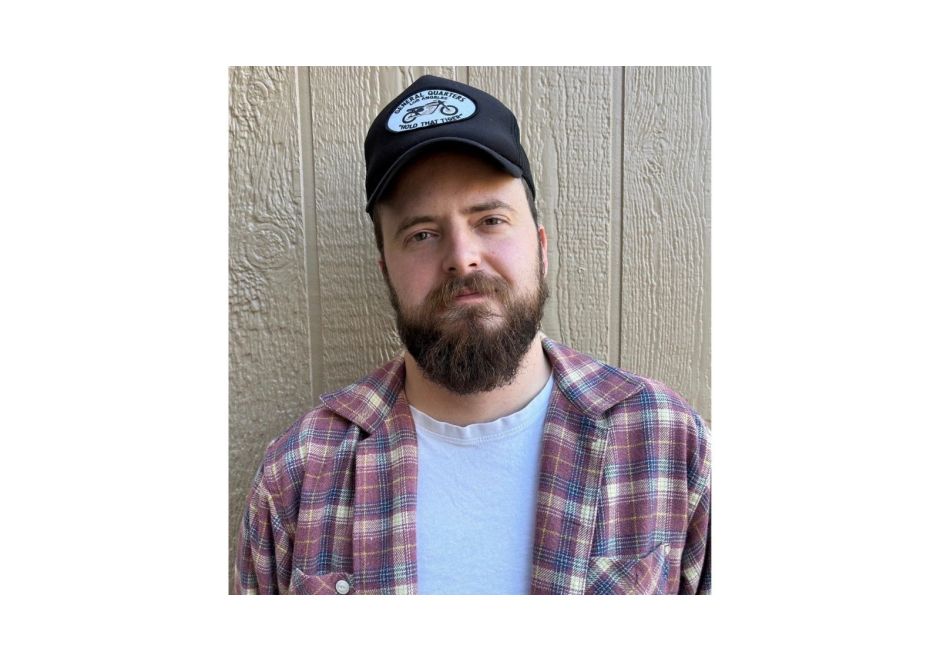
Harrison Query isn’t just having a hot streak as a screenwriter, he’s quietly built a three-lane highway as a feature writer, TV creator, and novelist – and all three seem to be racing forward at once.
In the past year alone, he’s sold action-thriller specs Trigger Point and The Operator in competitive situations (both landing at Netflix, with major talent attached), adapted his own novels for the screen, and seen his Amazon MGM action-comedy Heads of State become one of Prime Video’s most-streamed films. For a writer who moves between books, features, and television, his recent run is proof that the spec script market is once again thriving.
We talked with Harrison about how he’s navigating a risk-averse marketplace, why he’s gone “full spec” again, and what emerging writers can actually control in all this chaos.
From Pitch Rooms to a 10-Way Bidding War
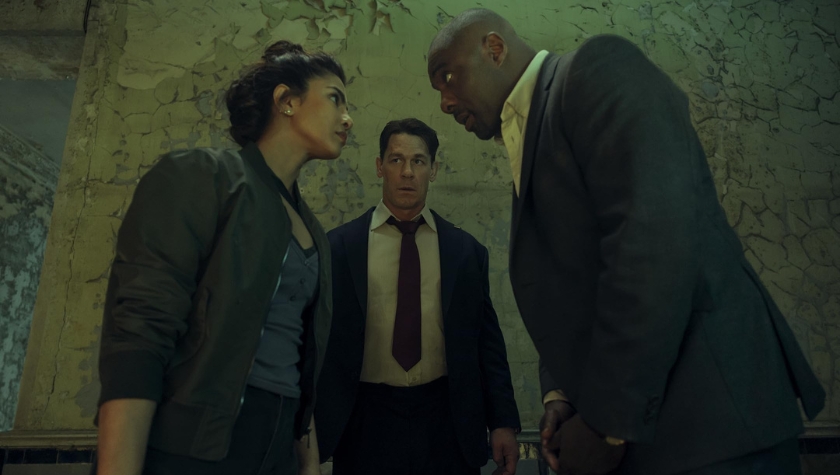
Before this recent run, most of Harrison’s career was on the feature side. “I sold my first spec back in 2012, when I was 19,” he says. Since then, he’s written novels, adapted his own books for film, and created the Amazon MGM action-comedy Heads of State, starring Idris Elba and John Cena. He also spent two years writing a JonBenét Ramsey limited series he sold in a pitch and was hired to write every episode solo. Growing up in the same Colorado town and attending the same school as the Ramsey kids didn’t hurt.
But even with that resume, TV seemed like a forbidden fruit.
“My agent was like, ‘The TV world just doesn’t know you,’” Harrison says. “So now that you have a show coming out that you created and wrote, let’s send out a sample, just to set up a bunch of generals with all the studios and networks.”
That “sample” was Trigger Point, a crime drama about Tier 1 operators and CIA veterans trying to navigate civilian life after two decades of war. Then Harrison got a surprising phone call.
“He calls me back a few days later, he’s like, ‘We have 10 offers from studios!’ And I was like, what?”
The spec sparked a 10-way bidding war that A24 ultimately won. Query developed the show there, even surprising them at one point by writing another episode.
“I ended up writing a second episode – to A24’s surprise. I just sent it to them one day and they were like, ‘Thanks!’ My agents are like, you’re not supposed to do this. But I just couldn’t help myself.”
With A24 on board, they brought in Jeremy Saulnier to direct and Joel Edgerton to star, then took the package out.
“We were just hoping somebody buys it, even as a development deal, but we got multiple straight-to-series orders from multiple networks. It was beyond our wildest dreams. Netflix really came in aggressively and it ended up landing there.”
A week later, he sold Netflix The Operator, a grounded action thriller that originally began as a spec for a different major actor who ultimately decided it was too violent for him. Mark Wahlberg and Stephen Levinson read it and ended up attaching. Once that happened, Netflix was happy to scoop that one up, too.
The Current Hollywood Vibe
After years of selling pitches, Query hit a turning point coming out of the writer’s strike.
“I went out with two pitches packaged with some huge elements attached,” he says. “People just didn’t want pitches.”
The takeaway? In this market, a finished script beats a shiny pitch almost every time.
“I was like, alright, I’m just full spec. I’m just going back to writing. I’m a good pitcher. But I’m a much better writer than I am a pitcher. And there’s just much less risk. I think right now, the market is so risk-averse. All these execs are afraid of losing their jobs, no one wants to be the exec with egg on their face that spent X amount of money on a pitch, and the script doesn’t come in, whereas a spec is just ready to go.”
His strategy is simple: remove as many unknowns for executives as possible.
“Especially if you’ve got a director and talent, it’s like, we can go make this thing. As much risk as you can minimize for that exec, the better. Give them as many good reasons to say yes as possible. Minimize all those X factors. That’s kind of the name of the game right now.”
Writing for Specific Actors
If you’re at home trying to decide what spec to write, Harrison’s advice is to stop trying to second-guess the system.
“I think it’s very tempting to try to read the tea leaves of, ‘What does the market want?’ And I think the reality is, nobody knows. Your agent doesn’t know, your manager doesn’t know, the studios themselves don’t know.”
Instead, he writes with specific actors or filmmakers in mind.
“The thing that I, at least, have found more success in is trying to write things that are going to attract either a director or an actor, because that is what really moves the needle with studios right now, I think.”
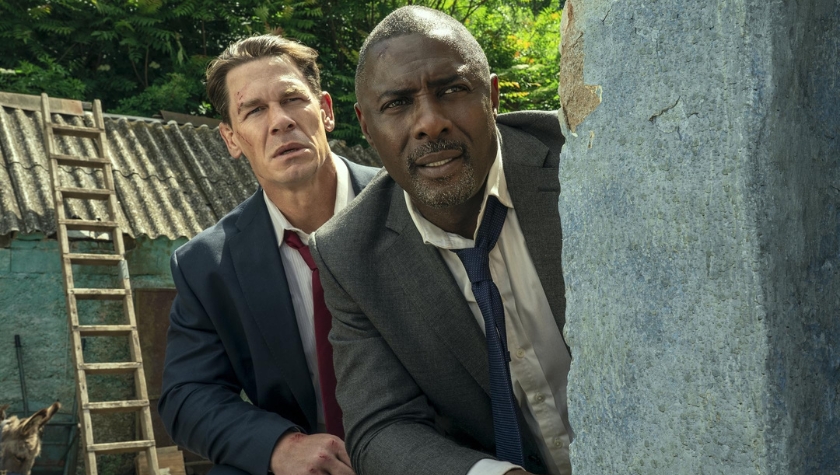
That’s exactly what he did with Heads of State. “I knew that John Cena and Idris wanted to do a buddy-action thing together, so I created it for them.”
He says it was the same with Trigger Point. “I knew Jeremy Saulnier wanted to do something in this realm. And I kind of gave it to him.”
And he did it with The Operator, initially tailoring it to a specific older actor who wanted a Michael Clayton-meets-Man on Fire type role.
He says figuring out what specific actors or directors want is easier than trying to figure out what studios want. “Getting that package around a project is a lot more successful than trying to hit this moving bullseye.”
A Working Writer’s Routine
All this output doesn’t happen by accident. Harrison writes a lot, and fast. To keep up his momentum, he always has multiple projects going at once.
“Honestly, probably three or four things at a time. And if I do hit the wall on one, having something else to pivot to, keeps the engine warm.”
One of his favorite pieces of writing advice comes from Stephen King’s On Writing.
“I always make myself stop when I’m really excited and want to keep writing. So that the next day, I’m psyched to jump back. I never let myself get to the point where I’m like, okay, I’m tapped out, and I don’t know where to go from here. I always stop myself when I’m in the flow and I can’t wait to write the next scene, so that the next day you’re riding that momentum.”