

When Twists Stop Working
For decades, a well-timed twist could carry a screenplay to success. A hidden villain exposed at the climax, a shocking betrayal, or a plot reveal that recontextualizes the entire story — audiences loved these moments, and film industry professionals viewed them as a mark of clever storytelling. Twists were currency.
But the landscape has shifted.
In today’s Hollywood, managers, agents, producers, studio execs, and development readers have become increasingly immune to traditional twists. They’ve seen the setups, recognized the patterns, and often anticipate the “surprise” before it lands. What once felt shocking can now feel incremental or predictable.
What resonates today is bolder: a turn so decisive it reorients the entire story, shifting stakes, tone, and sometimes even genre. This is the essence of a narrative bait and switch, a technique that challenges expectations and keeps industry professionals and readers engaged.
A Twist vs. Narrative Bait and Switch
Traditional twists work within the story’s framework. They might reveal a villain, expose a betrayal, or reinterpret prior events. While still occasionally effective, many twists have become predictable.
By contrast, a narrative bait and switch changes the trajectory of the story itself. The reader doesn’t merely react: they reassess the story entirely. This recalibration is what makes bait-and-switch storytelling compelling, particularly to managers, agents and producers who want screenplays that feel innovative and market-ready.
A narrative bait and switch doesn’t simply surprise, it transforms the story. From changing the obstacles, pivoting the tone, shifting point-of-view or stakes. Everything can change with a narrative bait and switch, even the genre. This can potentially create further engagement from readers: inspiring them to lean forward and to reassess what type of script they thought they were reading.
Why Industry Pros Respond to Bait and Switch
In a crowded market of high-concept pitches, streaming content, and algorithm-driven recommendations, scripts need to do more than follow a familiar arc. To stand out, a screenplay must demonstrate originality and structural audacity (i.e. conventional structure is subverted and bold decisions are made by the writer).
Managers and agents respond to bait-and-switch narratives because they signal both creativity and mastery of craft. A story that pivots decisively demonstrates that you understand pacing, tension, film tropes and audience engagement, while also offering something memorable that can be marketed easily. Reps know a script with an effective narrative bait and switch can generate attention in a marketplace saturated with predictable stories.
Moreover, production companies, film studios and streaming platforms are increasingly seeking projects that immediately differentiate themselves. Audience sophistication has grown: viewers are savvy to twists and often anticipate them. Broader structural innovation is now more valuable than a time-tested formula or single surprise moment. Industry professionals know this, and a narrative bait and switch in your script tells them you do as well.
'Barbarian' and 'Weapons' at the Gate
One of the best examples of a narrative bait and switch is Zach Cregger’s Barbarian.
Barbarian begins with a woman arriving at a rental home, only to find a stranger occupying the space. Tension rises as social discomfort and suspense build. For the first act, audiences anticipate a more subtle contained thriller with two primary characters. Then the narrative pivots dramatically.
The story expands beyond the original premise, introducing new characters, environments and stakes. The tone likewise shifts, becoming more darkly comedic and audacious. Essentially, Barbarian becomes a different kind of film: shifting from a restrained thriller to an outrageous horror movie.
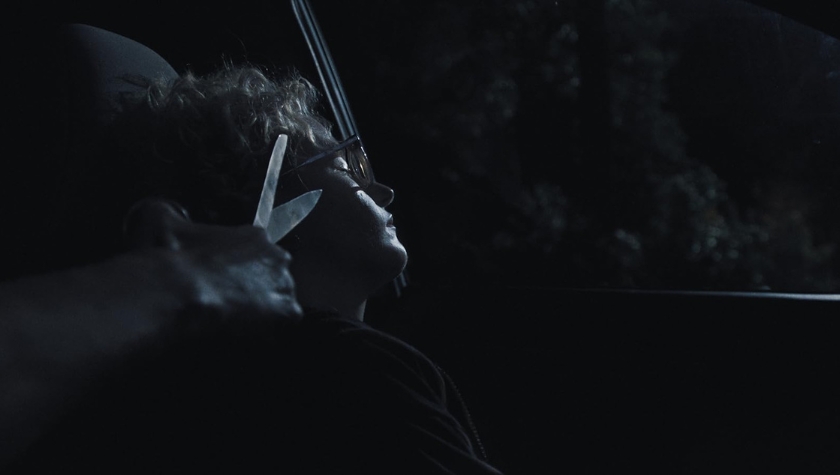
Cregger followed up Barbarian with the box-office hit Weapons, which continued with the narrative bait and switch. However, whereas Barbarian shifted its story and tone at the midpoint and in a more pronounced manner, Weapons does it with a more subtle and steady approach. A clue here. An unexplained oddity there. Before you know it, the film changes from a grounded drama about a community dealing with missing children to a supernatural horror movie with action set-pieces and bursts of graphic violence.
But Weapons also follows two relatable protagonists with strong emotional through lines: a teacher who is wrongly blamed for the missing children, and a father desperate to find his son. We’re willing to go along with these characters on their journey even as the landscape of the story drastically changes around them. As with all storytelling, it’s important to have strong characters as an emotional anchor.
From 'Dusk Till Dawn' to 'Sinners'
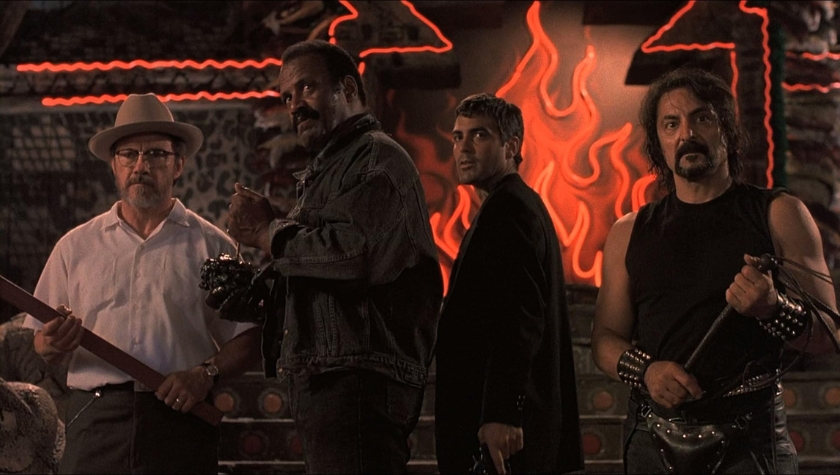
The lineage of narrative bait and switch stretches back decades. Written by Quentin Tarantino, From Dusk Till Dawn famously begins as a crime thriller before pivoting into vampire horror. The first half establishes character stakes and tension, and the second half redefines the genre entirely, leaving audiences both shocked and impressed.
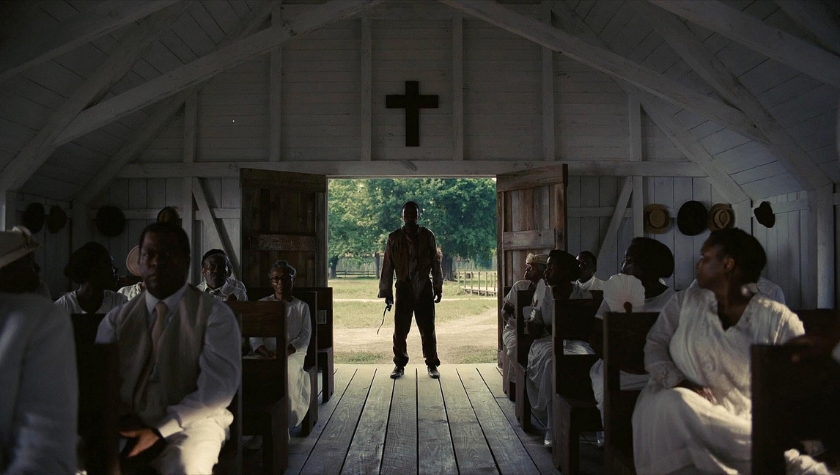
Ryan Coogler’s Sinners builds on this model. The film starts as a grounded drama but likewise shifts into vampire horror. However, as with Weapons, this pivot isn’t rushed: Coogler takes his time getting there, allowing audiences to connect with the characters and fully immerse themselves in the world and time period. The supernatural is foreshadowed throughout, both thematically and literally, so when vampires do finally appear, it doesn’t feel disruptive or like a gimmick. In fact, vampirism and by extension corruption, work alongside the already-established themes and character arcs. The genre might’ve changed, but the core story remains the same.
Also, as with Weapons, there are breadcrumbs scattered about the first half of the film, suggesting that at some point things will become supernatural. This underscores a key principle: successful pivots require careful calibration. You must weave early narrative cues and thematic hints throughout the first act to ensure the later shift feels organic and earned. Just like with the best twists, a narrative bait and switch should never feel like a cheat: it should work as a natural extension of the story and make sense with everything we’ve seen prior, even if we didn’t see it coming.
5 Tips To Create Your Own Narrative Bait and Switch
- Know your genre inside out. To break expectations, you first need to understand them. Creating your own bait and switch requires a deep knowledge of screenwriting conventions and film tropes. Watch movies, study them and think about them.
- Plant subtle clues. Small, deliberate cues in the lead up to the pivot can make it resonate without confusing viewers. Objects, dialogue, or visual motifs can foreshadow the pivot and make it feel earned. For example, in Sinners there are early references to evil spirits and corruption, along with various religious elements, that help lay the groundwork for the vampires.
- Control tone and stakes. A narrative pivot should raise stakes, deepen characters, or explore themes more fully. Consider adding nuanced emotional beats to reinforce the pivot’s impact. If you change the tone, make it true to the character and situation.
- Use structural markers. Midpoint reversals, POV shifts, or interlaced storylines can signal change without giving it fully away. For example, in Barbarian the first major pivot happens with the introduction of a new character: a Hollywood actor (played by Justin Long), who is revealed to be the owner of the film’s primary location (the rental home in Detroit). Immediately this tells the audience there’s more to this story than originally thought and it will be going to different places.
- Consider marketability. Executives need to understand the story’s audacity quickly. Framing the pivot as “It seems like X… until it becomes Y” can make your script more marketable. Thus, even if your script is two different kinds of movies, you should be able to describe both of them concisely: “It seems like a heist movie… until it becomes a zombie movie.”
Another Kind of Screenplay
A narrative bait and switch isn’t always required, but it can definitely increase your chances of a script sale in today’s marketplace. From managers and agents to producers and studio execs, everyone is eager to standout in a crowded marketplace.
Think of your own viewing habits. With streaming platforms giving us instant access to massive libraries, content must grab our attention immediately. If something looks or sounds overly familiar or predictable, we’ll likely pass on it. However, if we read a log-line that sounds fresh and filled with surprises, we might give it a click. Cinema isn’t a new art form: most of us are aware of what’s been done to death, regardless of the genre. When plotting your script, don’t just think about what would surprise others, but what would surprise you if you were watching this as a movie.
When done effectively, a bait-and-switch screenplay signals structural ambition, storytelling confidence, and market awareness. It challenges expectations, elevates craft, and can make your script stand out and capture the attention of industry professionals.
So when you start writing one kind of screenplay ask yourself:
“What if this suddenly became another kind of screenplay?”