
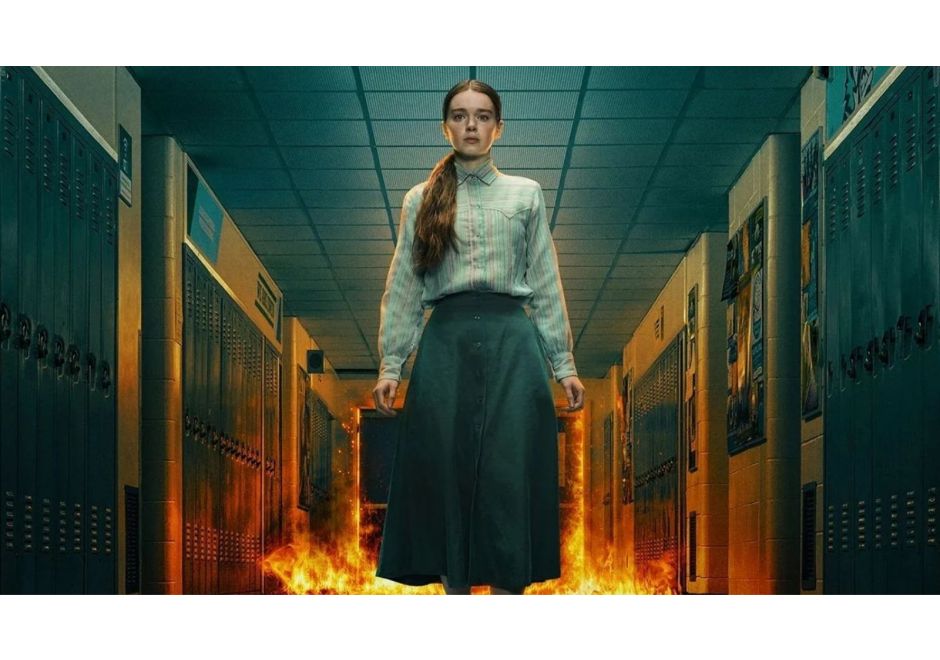
Audiences want to know more about the characters that intrigue them most. With the recent release of the trailer for Carrie, this latest TV version of the Stephen King novel will dive deeper into the world of Carrie White, who her classmates are, how school politics have changed, and her tumultuous home life.
The latest adaptation of Carrie is an 8-episode TV series by Mike Flanagan, who is no stranger to Stephen King adaptations, having written and directed Gerald's Game, Doctor Sleep, and The Life of Chuck. And then there are his acclaimed TV series like The Haunting of Bly Manor, The Fall of the House of Usher, and Midnight Mass, which make him ideal to reimagine this story.
Flanagan is very well aware of people asking why remake this... again?
"I kind of feel like that's the question everyone has: Why do Carrie again? And why do it like this?" Flanagan pondered in a People interview.
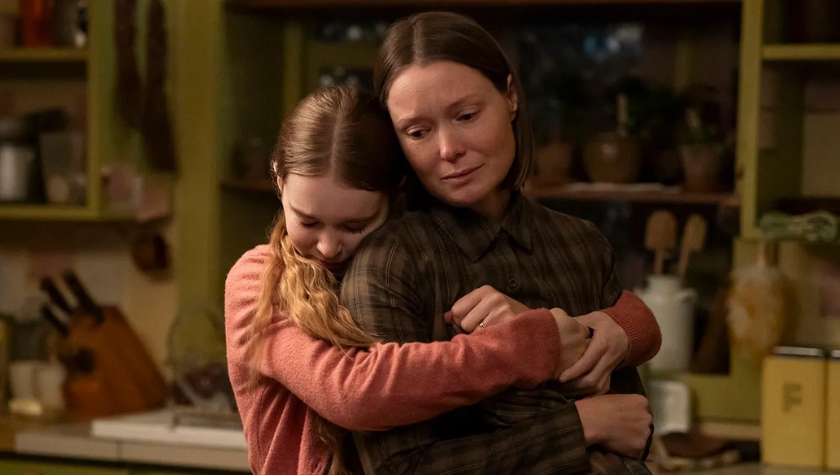
His approach was to look more closely at the story's essential pieces and use them to build something modern that feels relevant to the issues teenagers face today. This is especially true for a character like Carrie (played in Flanagan's version by Summer H. Howell) whose outsider status — she had an isolated life while being homeschooled by her mother — is now front and center in high school.
That's a scary enough premise as it is, but add in some telekinetic powers, and things start to get interesting. While the idea is universal, what is it about the story of Carrie that keeps resonating with audiences 50 years after the first film?
Telling a Story That Keeps Finding Its Way Back
Since Carrie first hit bookshelves back in 1974, there have been 4 film adaptations:
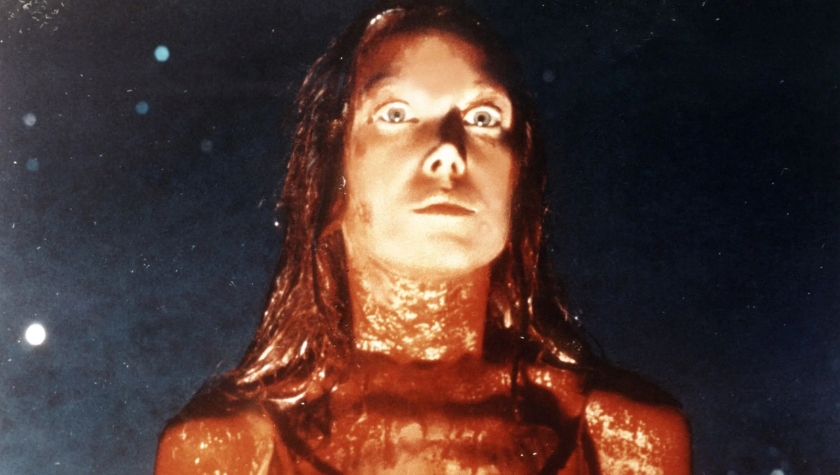
- 1976: Carrie was directed by Brian De Palma and starred Sissy Spacek after her breakout performance two years earlier in Badlands. It also introduced John Travolta in his first major movie role. This has been the defining adaptation, and it still holds up, especially its famously intense and frightening prom scene.
- 1999: The Rage: Carrie 2 was a loose sequel rather than an adaptation and connected its teenage protagonist to Carrie via their father.
- 2002: This version of Carrie was an NBC made-for-TV movie centered around a detective trying to gather information about what happened on prom night and a missing Carrie.
- 2013: This Carrie was made for the movie theater and starred Chloë Grace Moretz and Julianne Moore. It modernized King's novel and made a decent box-office splash.
Each adaptation of Carrie has kept some of the most universal elements: bullying leading to humiliation, a character's curiosity about a new world, and the feeling of being an outsider.
Bullying Doesn't Go Out of Style
Unfortunately, that's true both in real life and on screen, especially in stories about high school. This angle in film and TV largely took root in the 1950s, when the baby boomer generation became Hollywood's prime audience (in fact, "teenager" wasn't even a widely used term before then).
As high school life became a bigger focus, bullying emerged as fertile ground for storytelling. It's a world built on social hierarchy, where students are constantly figuring out where they fit, or where they want to. For most people, it's a defining, universally shared experience.
Bullying, which occurs when someone or a group exploits perceived power over someone else, exists and evolves based on the technology and culture of the time — the technology changes, but the cruelty doesn't.
Carrie wants to be liked, but being an outsider makes it hard, especially when popular people don't want to lose status by showing compassion. This is what makes a character like Carrie recognizable: the audience empathizes with her position but also understands why others hesitate to choose kindness over cruelty.
"She's still so optimistic and so curious and so open to what the world might be. And I think that really — I mean, it's what makes your heart hurt for her," actress Summer Howell said in a recent TV Insider interview. This is especially true when the mean girls target her, and why the audience is with her when she uses her telekinetic powers for vengeance.
The Long Format of 'Carrie'
In 1976, 2002, and 2013, the Carrie adaptations had a definitive conclusion because they were beholden to a theatrical release running time. The Carrie TV series allows for time to explore the characters and expand the story; even Flanagan has hinted that he wants to pursue more seasons.
"The beauty of not really being beholden to the book or to any of the previous adaptations is that the potential of the characters and of the greater world that she belongs to does allow us to look at it not as a finite story," Flanagan said in an Entertainment Weekly interview.
In the context of the eight-episode season, though, Flanagan has time to explore Carrie's relationship with her mother, her dreams, psychology, and aspirations; her classmates; the techniques and manipulations used for bullying; youth violence; and the reactions of other students, parents, and teachers. Flanagan can also potentially explore aspects of King's novel that previous versions didn't use.
'Carrie': Reimagined
The three movies, one sequel, and now the TV series don't change what Carrie is about: they reconsider what the themes from the Stephen King novel look like now. Is Carrie a monster, a victim, or both? The trailer shows an outsider getting accustomed to a world they aren't familiar with, the bullies that pick on her, and the empathy of fellow students. The Carrie trailer also shows her using her powers to hurt others for vengeance, fun, or to prove a point.
Regardless of whether Carrie is a monster or a victim, the idea of who she is becomes something we can all relate to — the outsider who claims, "All I ever wanted was to go to school."
Carrie streams October 7 on Prime.