

Few screenwriters have left a larger mark on the film industry than Lawrence Kasdan. With screenwriting credits like Star Wars: Episode V – The Empire Strikes Back (1980), Raiders of the Lost Ark (1981), and The Bodyguard (1992), as well as having both written and directed Body Heat, The Big Chill, and Wyatt Earp, to name just a few, Kasdan is one of the most commercially and artistically successful filmmakers to come out of the 70s.
But like most screenwriters, Kasdan started out as an unknown trying to get noticed in the industry. After graduating from the University of Michigan, Kasdan worked as an advertising copywriter while writing screenplays on the side. His sixth screenplay, The Bodyguard, was optioned for $20,000. It wouldn't be produced until 1992, with Whitney Houston and Kevin Costner starring, and Kasdan producing.
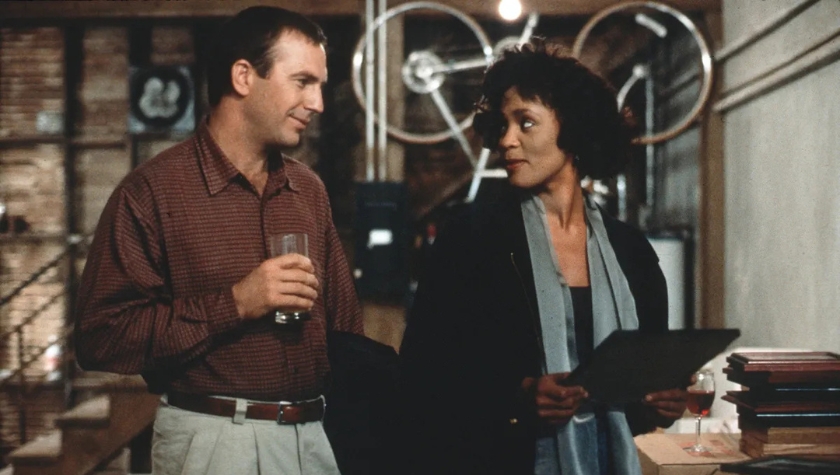
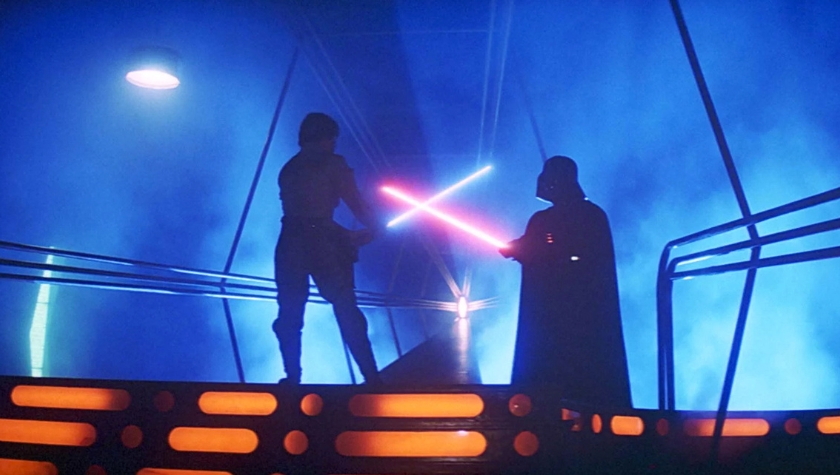
At the beginning of his career, Kasdan's spec script Continental Divide caught the eye of director Steven Spielberg, who talked Universal into buying it in 1977 with the desire to executive produce it. The script sold for $150,000. George Lucas would soon enlist Kasdan in 1980 to write The Empire Strikes Back, which would go on to become one of the greatest sequels ever made. Kasdan was then hired by George Lucas and Steven Spielberg to write Raiders of the Lost Ark.
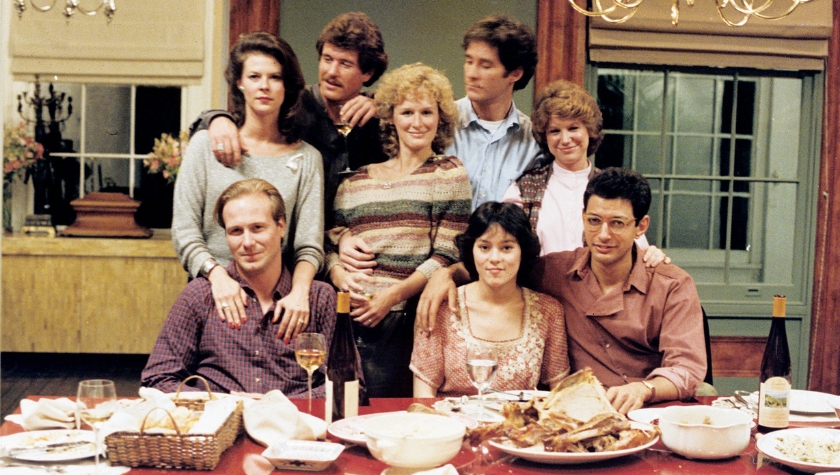
Kasdan leaped into the director's chair in the 1980s, becoming one of the premier auteurs of his time, writing and directing movies like Body Heat (1981), The Big Chill (1983), Silverado (1985), and The Accidental Tourist (1988). In his career, he has earned four Academy Award nominations — two for Best Original Screenplay for The Big Chill and Grand Canyon (1991), one for Best Adapted Screenplay for The Accidental Tourist, and one as producer on that film's Best Picture nomination.
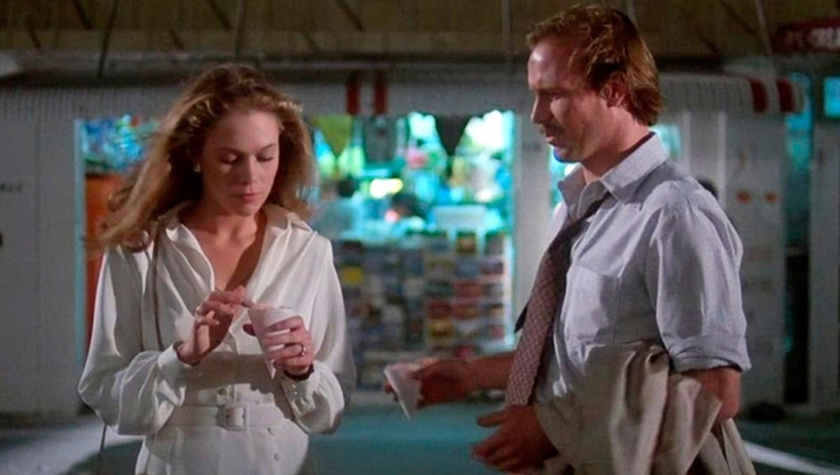
In a recent interview for the Criterion Collection to promote the release of Body Heat on 4K + Blu-ray, Kasdan said:
"Someone once said that wanting to be a screenwriter is like wanting to be a co-pilot. All the power, all the decision making, all the fun, all the juice, all the excitement is in directing."
How true is this idea? We break down the ways in which a screenwriter might act as a co-pilot to the director, and why this relationship is so important to the overall success of a movie.
Screenwriters Create the Flight Plan
It's a common phrase screenwriters have heard or read many times: screenplays are blueprints for movies. Before actors bring characters and dialogue to life, before cinematographers frame shots, before composers accentuate the words with a moving soundtrack, and before directors take charge, there's the screenplay.
Every single department involved in the production of a film works directly from the screenplay. It's the flight plan. It's the guiding compass that tells every department and individual where they should go.
When passengers cheer for a well-flown flight, the glory goes to the captain, even though the co-pilot does much of the heavy lifting pre-flight. In turn, screenwriters may not get the glory that directors do, but without them, there is no movie.
That's why the co-pilot analogy actually works out better than Kasdan likely planned. Pilots don't simply jump into the pilot seat and improvise a route as they go.
- There's preparation involved.
- There's a flight plan.
- There's a structured checklist and navigation along the way.
- There are necessary changes that need to be made along the way.
That's exactly what screenwriters provide filmmakers. They create a route everyone follows, and are there when changes need to be made to that route and foundation.
The screenwriter determines:
- The characters
- The story
- The emotional arcs
- The themes
- The conflict
- The twists and turns
- The plot points.
They decide how the movie begins, what emotional experience the audience goes through as the story continues, and then how everything ends. Without that foundation, there's no movie to direct.

Like Co-Pilots, Screenwriters Navigate the Script
During a flight, co-pilots aren't passive. They're still navigating, monitoring the systems, solving problems, and making adjustments - big or small.
Screenwriters do the same thing throughout pre-production and production. Movies continually evolve during pre-production, production, and even post-production.
- Scenes get cut because of budget issues
- Locations fall through
- Actors bring new interpretations of characters
- Studios force changes
- Entire third acts can be rewritten during production
- New dialogue needs to be written during the post-production process for ADR
Because of all of these and more, screenwriters are continually called upon to solve any issues that arise.
Captains and Co-Pilots Are Collaborators, Screenwriters Need to Be Too
Collaboration is key. If you have a captain and a co-pilot who don't get along, it's going to bring distraction into the cockpit. They need to be great collaborators to make for a smooth flight.
Screenwriters need to be amazing collaborators as well. It may all start with the script, but for the script to come alive, it will take hundreds of people, with the director leading the way.
If you want to be a successful screenwriter, you're going to need to embrace collaboration and develop amazing collaborative skills. Ego is poison. It may seem silly to think that when discussing Hollywood, but it's very true. You can and should be confident in your abilities and your writing, but once you start to feel entitled and have an ego about it, your perceived collaboration skills will come off as lacking.
Nobody wants to work with a jerk. If you want to be successful, you’re going to need to work well with others.
- You need to not take notes personally
- You need to embrace the idea that it's not just your script
- You need to be open-minded when it comes to changes that need to be made
- You need to be a problem solver, not one who simply points out problems
Master the art of great collaboration, and your career will flourish.
Captains Depend on Co-Pilots, Directors Depend on Strong Writing
Captains depend on their co-pilot. Directors depend on their screenwriter(s). Directing alone can't fix a fundamentally weak story. Beautiful camera choices and outstanding acting performances can only take a director and movie so far. The script needs to be great. And that doesn't happen without the screenwriter.
That's why big directors like Kathryn Bigelow, Steven Spielberg, Christopher Nolan, Martin Scorsese, and many other greats spend so much time on screenplay development. They understand that great cinematic storytelling starts with a strong script.
While captains keep their eye on the big picture, co-pilots handle the smaller (but still vital) details.
In movies, the director has so many responsibilities to juggle. They don't have time to sit down and rewrite the whole script to accommodate production needs and unavoidable changes. They turn to the screenwriter to handle necessary rewrites, tweaks, and polish drafts. They rely on screenwriters to take control once script notes have been communicated.
Directors and Screenwriters Stand Side-By-Side
The captain and co-pilot stand proudly, side by side, when the flight is over. Passengers give them a thankful smile and nod as they leave the plane.
Once a movie production is done and the movie is released, directors and screenwriters can metaphorically stand side by side as the audience walks out of the theater with a smile on their face. Directors and screenwriters share most of the credit for the eventual movie. And, yes, when a movie doesn't work for someone, the director and screenwriter take most of the blame.
It just goes to show how important screenwriters are.
Captains and co-pilots don't maintain the plane. They don't do the repairs. They don't keep the planes clean. They don't even help the passengers get what they need during the flight. But they certainly get the most glory and credit.
In comparison, directors and screenwriters rely on the cast and crew to make a movie. The director or screenwriter isn’t setting up lights, moving the camera around, running the sound equipment, or feeding the cast and crew. They rely on a crew of hundreds to do all of that.
In the end, they are certainly getting the most credit.
But, they’re standing side by side knowing that the movie could not be made without each other. Directors need a screenplay. Screenwriters need someone to lead the charge in bringing their words to life on the screen
Lawrence Kasdan Was Right
Screenwriters are like co-pilots. His intention in that comparison was really saying that if you're choosing to be a screenwriter, you're choosing to hand over some, if not all, of the glory and control to directors. His words mean that if you're going to be a screenwriter, you're choosing to play second fiddle to the director.
But that's how it is. Cinema is a director's medium. If you, as a screenwriter, want more of the glory, television is where that happens. Television is a writer's medium, where writers work their way up through a writers' room, eventually becoming the showrunner or executive producer of the series. Directors are hired hands in television production, and the director/screenwriter dynamic flips. The screenwriters get the glory, but they rely on directors to do the heavy lifting of production.
Screenwriters, Be Proud to Be a Co-Pilot
There's no shame in it. It's an amazing place to be standing next to a director. The screenplays you write and get produced will create jobs for dozens upon dozens of people for smaller productions, and hundreds upon hundreds of people for larger ones.
You'll give actors roles to breathe life into, and you'll give directors the foundation for their vision.
And then, you'll be giving eventual audiences the entertainment, escapism, and catharsis they've been looking for once your script makes it to the screen. And if you decide the pilot seat is really where you want to be, go out and direct your own movie, just like Kasdan did.