
It doesn’t make sense that some of our favorite characters are bad people. Yet, viewers are eager to tune in and watch some truly awful people do horrendous things. Look no further than Tony Soprano, Walter White, or almost anyone on Succession.
In real life, most of us prefer not to spend time with people who lie, cheat, steal, manipulate, or make terrible decisions. We certainly don’t want them as our neighbors, coworkers, or friends. Yet, we’re constantly emotionally invested in the characters on TV who do, love watching their antics, and anticipate the start of the next season.
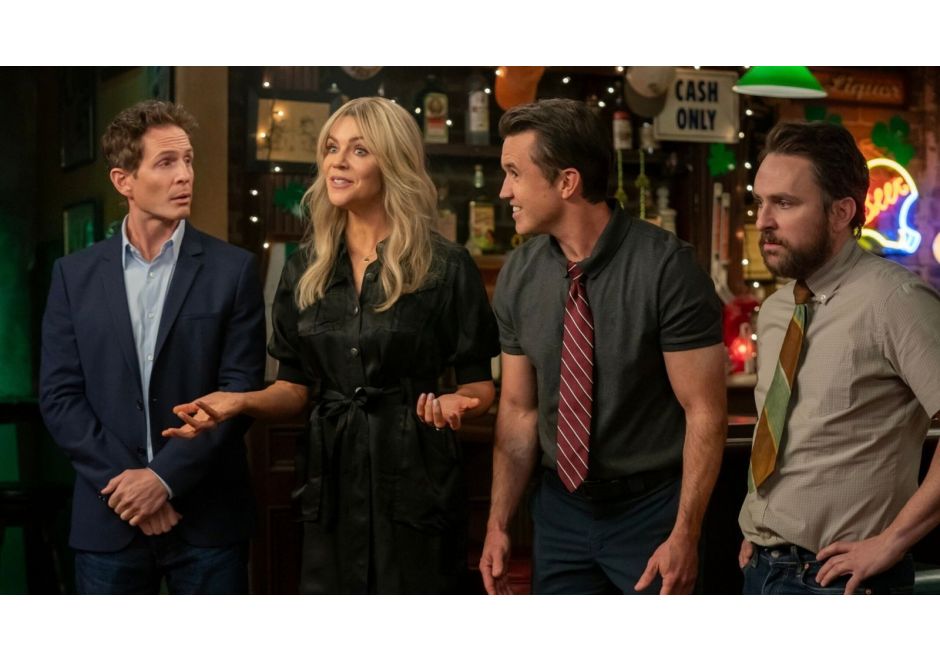
Especially the “Gang” on It’s Always Sunny in Philadelphia – which includes:
- Charlie (Charlie Day)
- Mac (Rob McElhenney)
- Dee (Kaitlin Olson)
- Dennis (Glenn Howerton)
- Frank (Danny DeVito)
Over the course of 18 seasons, they’ve been scheming and manipulating their way through life in the pursuit of just about anything: money, sex, status, attention, power, the mere satisfaction of pulling one over on someone else, or because they’re bored and they think it’s fun.
What makes a character or characters bad, yet entertaining?
Here are some ways It’s Always Sunny in Philadelphia has been making it work since 2005, when its first episode, The Gang Gets Racist, premiered.
We Want to Live Vicariously Through Them
Let’s face it, when Daniel Ocean (George Clooney) and his band of thieves want to steal from a few Las Vegas casinos, we’re a bit jealous we don’t have the charm, courage, and knowledge to pull it off as they do. When Tony Soprano (James Gandolfini) wields his power and commits heinous crimes, we’re intrigued. In a way, great bad characters let us live a life we'd never want to risk living ourselves.
It’s Always Sunny… makes it entertaining to watch characters operate without the social rules that constrain us in the real world. The viewer can be in on the scheme without suffering the consequences. Granted, the viewer may not want to do most, if not all, of what the Gang likes to do; being able to step into their world for a little bit and experience their crazy existence for 30 minutes at a time gives them the opportunity to live vicariously through someone they may never want to be.
We See Ourselves in Them
We might be greedy, but we’re not as greedy as Frank. We might want recognition or some attention, but we’re not as desperate as Dee. It’s Always Sunny… holds up a funhouse mirror to show who we are as people and as a society. Well-defined characters let viewers recognize a part of themselves in them, no matter how bad they are.
Take Frank as an example. He constantly exploits situations to make a buck, gain leverage, or turn someone’s misfortune into opportunity. He goes to extremes when he sees an opportunity and a way to profit from it. In the season 18 episode The Gang Goes to the Ren Faire, Frank is eager to buy the Renaissance Faire grounds they’re on, not so he can make money on the events there, but so he can bulldoze it and turn it into a data center.
What’s the difference between his behavior and businesses exploiting trends? Or taking advantage of loopholes? Monetizing fears and insecurities?
Frank doesn’t even pretend to be above it or disguise his motivation. He exaggerates the way corporate greed is perceived, similar to Mr. Burns from The Simpsons.
Each character on It’s Always Sunny… represents several recognizable human traits:
- Frank: Greed and exploitation
- Dennis: Narcissism and entitlement
- Dee: Insecurity, resentment, and the desire for recognition and attention
- Mac: Insecurity and validation
- Charlie: Obsession and irrationality
If you’re reading this, you’re probably a writer, and what writer isn’t insecure? And don’t we enter screenplay contests for recognition? The difference is It’s Always Sunny… takes these human traits and pushes them to extremes.
We Don’t Actually Want Them to Win
Most of the time, audiences root for the character to win. But with bad characters, we don’t mind if they lose unless they change.
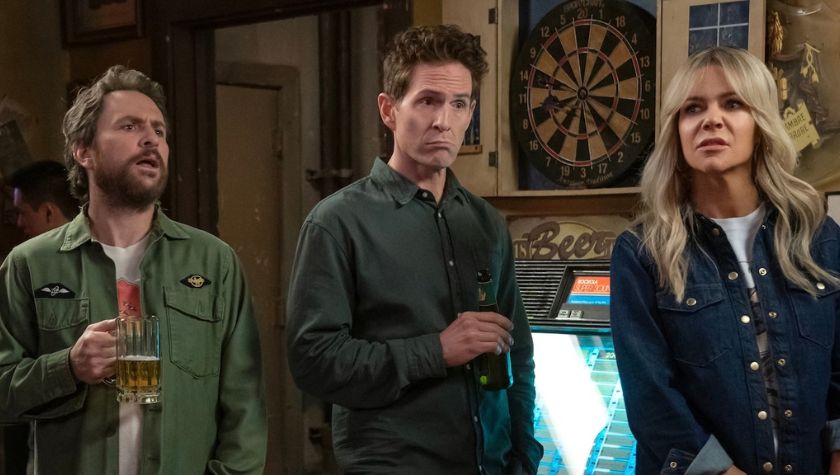
Viewers can enjoy a character without rooting for their success. No one wants to see the characters in It’s Always Sunny… win unless they go up against a true nemesis, such as the McPoyles.
The viewer wants to see how their scheme unfolds and how their selfish or idiotic methods get in each other’s way and ruin their chances of getting ahead. So, when they try to cheat their way to money, status, romance, success, etc., their impending failure entertains us. It’s as if the viewer is watching karma unfold in real time. It also doesn’t hurt that they’re not evil masterminds, just a bunch of clueless characters whose terrible plans blow up in their faces.
In season 18’s first two episodes, Frank Marries a Corpse, and Dennis and Dee Don’t Get Rich, Dennis and Dee go to great lengths to secure a financial windfall from the woman Frank intends to marry. Anyone who watches the show knows it’s not going to happen, but it’s not about the destination (or not getting there); it’s the journey. We’re certainly not rooting for Dennis and Dee to get rich, but we enjoy watching the characters try and fail.
Not Everyone is Equally Bad
In an ensemble cast like It’s Always Sunny... or Succession, not every character behaves as badly as the others.
For instance, Charlie has bizarre behavior and isn’t above doing terrible things like theft and manipulation, but he also has an innocent, naïve quality. He seems to genuinely care for some of the people around him and has a strange understanding of the world he inhabits. His answers to a barrage of questions from academics in the season 18 episode, The Gang Gets Tested, offer a glimpse into his thinking. And as much as he obsesses over the Waitress (Mary Elizabeth Ellis), her rejection makes us feel sorry for him.
Same thing with Mac, who desperately wants to be loved and accepted, especially by his imprisoned father, whom he desperately wants to prove himself to.
Now, put them against Frank, Dee, and Dennis, who are the epitome of moral decay, and Charlie and Mac seem like somewhat decent, flawed people who aren’t nearly as bad.
They’re Honest About Who They Are
Rarely do any of the Gang pretend their motivations are noble. In season 18, The Gang Goes to the Ren Faire, Dennis doesn’t even disguise his desire to control women and get them to sleep with him for his own selfish means. Dee desperately wants to be relevant and prove she has a story worthy of the Quilt of Legends. Frank wants to make money off the location.
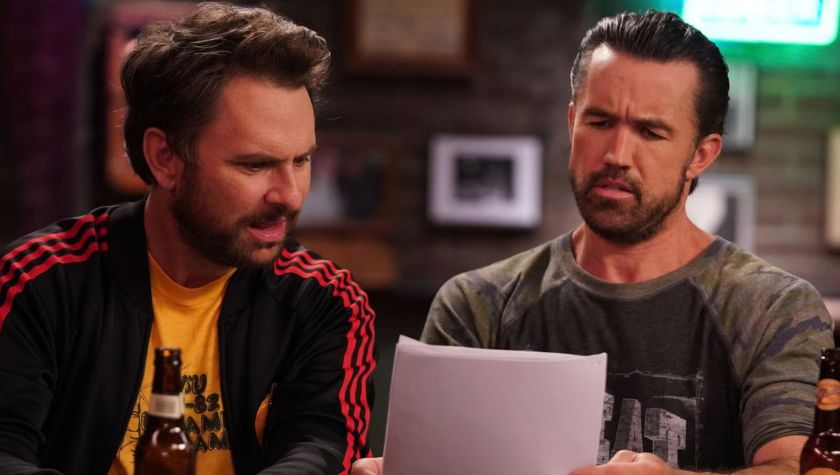
At no point do they hide these motivations. This honesty makes them different from the people they encounter. In real life, these characters would likely try to justify their behavior, but not on It’s Always Sunny…
That’s what makes the show entertaining and comedic – they take ordinary human behavior and thoughts and push them into absurdity. At the end, the Gang doesn’t learn a lesson. No matter how many times they lose, they don’t become better people – they’re just honest about who they are.
There are All Kinds of Bad
Plenty of bad characters are fun to watch, but it’s hard to compare Tony Soprano to Charlie or Dee to the Joker. The key is finding what connects them to the audience and what works for the story you want to tell.
Would the Joker be as entertaining if there wasn’t a Batman? Would It’s Always Sunny… work if the characters actually succeeded in whatever scheme they’re trying to pull off?
Bad-behaving characters work best when you can compare them to something, whether that’s corporate greed or insecurity taken to an extreme, a character who has even worse behavior, or a good vs. bad decision. Take the characters out of It’s Always Sunny… and put them on their own individual show, and audiences likely wouldn’t be as interested in watching their schemes.
Audiences love It’s Always Sunny… because of how these characters interact with one another and their ability to behave in ways we could only imagine.