
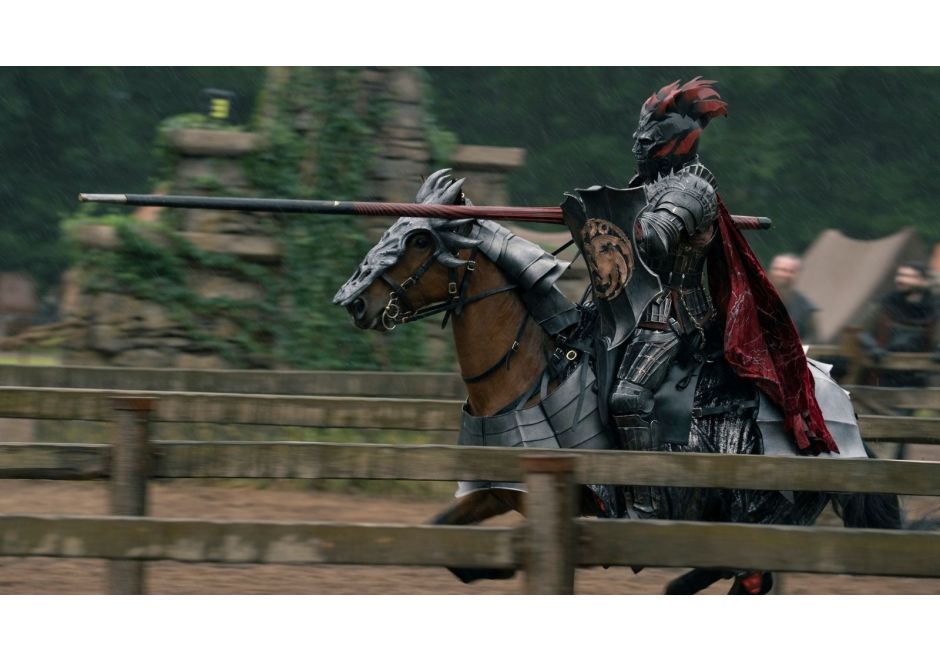
In a franchise defined by violent throne-hopping, bloody weddings, and fire-breathing dragons, A Knight of the Seven Kingdoms feels almost radical in its simplicity. Created by Ira Parker alongside George R. R. Martin (creator of the megahit Game of Thrones), the HBO prequel anchors its story in the evolving relationship between a hedge knight, Ser Duncan “Dunk” the Tall (Peter Claffey), and his unlikely squire, Aegon “Egg” Targaryen (Dexter Sol Ansell). It’s Dunk and Egg against the world.
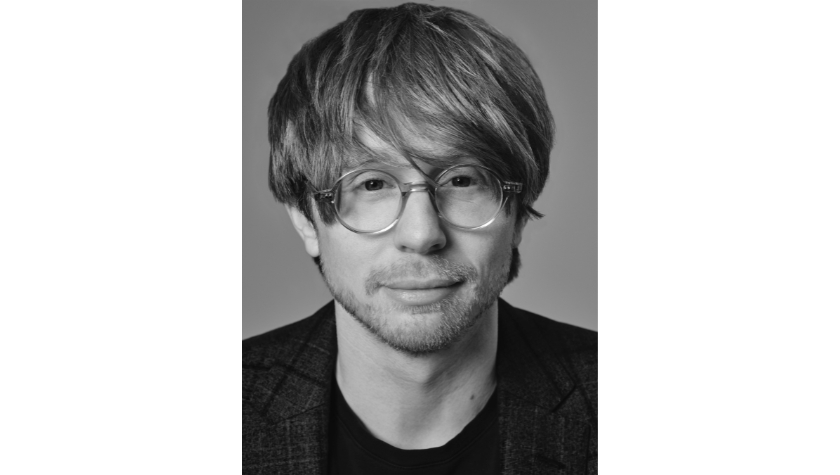
From DIY Filmmaker to HBO Showrunner
Like many writers, Parker’s origin story begins as a curious kid. Long before writers’ rooms and HBO budgets, he was experimenting with storytelling through technology, specifically, Microsoft 3D Movie Maker, a now-defunct software program.
“I was making little animated films from the time I was 10 or 11,” Parker says. “You could do everything, animate characters, create explosions, record voices – it was incredible.”
That early hands-on experimentation evolved into editing, re-cutting trailers, and shooting projects with friends. But like many creatives, Parker initially took a more conventional path, earning a degree in finance and economics before realizing it wasn’t where his passion lived.
“I came all the way back to where my love was when I was a kid,” he says. “I just decided to give it a shot.”
That leap led him to Hollywood, where he started as a writer’s room assistant on the series Rogue, eventually working his way up to story editor. From there, a pivotal experience writing on Better Things sharpened his voice and commitment to the craft of TV, ultimately opening the door to HBO and, eventually, the world of Westeros.
Learning from George R. R. Martin: Character First, Always
Working with George R. R. Martin proved illuminating for Parker, particularly when it came to what not to prioritize in fantasy storytelling.
“I remember asking him about his magical systems,” Parker says. “And the way he talked about it, I got the sense that’s not where his interests lie.”
Martin’s now-famous philosophy, that magic is “A sword without a hilt,” is about not letting world-building and fantasy overshadow emotional truth.
“There are a lot of people who spend a lot of time on the nitty-gritty of magic,” Parker says. “But it can take away from heartfelt storytelling, keeping characters from feeling fully realized.”
That idea is present in every scene of A Knight of the Seven Kingdoms. Rather than expanding supernatural elements, Parker focuses inward, specifically, on Dunk.
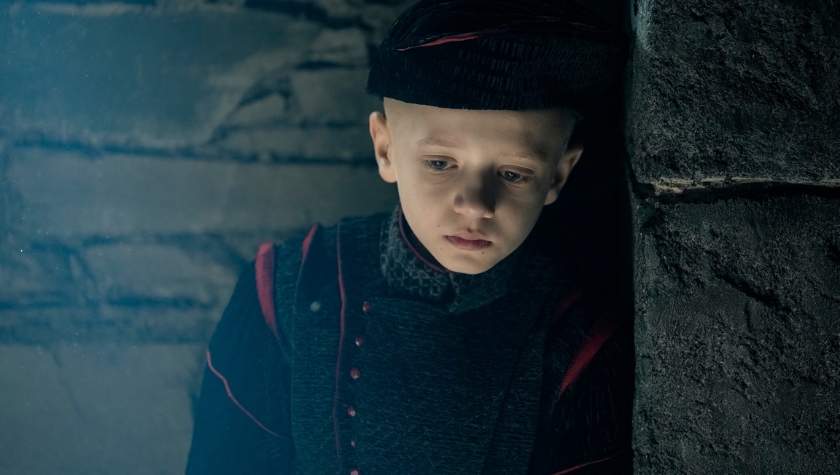
The Dunk Principle: A Singular POV as Creative Engine
Where Game of Thrones thrived on complicated family histories and sprawling storylines, A Knight of the Seven Kingdoms operates through a single emotional lens.
“Every creative decision turned back to Dunk,” Parker says. “Where he is, what he’s feeling – that informed everything.”
In other words, the audience shouldn’t observe Dunk’s world through production elements and visual effects; they should experience it as he does.
“You wanted to see the dirt under people’s fingernails. Feel the squelch of the mud. It had to be tactile. It had to be real.”
This commitment extended deep into post-production. Editorial decisions weren’t just technical; they were intense discussions.
“We’d sit and have long conversations about where Dunk is emotionally. That always gave us the answer.”
Making Jousting Feel New Again
Nowhere is this character-first philosophy more evident than in the show’s jousting sequences, which is arguably one of the most overused visuals in medieval storytelling.
Yet Parker’s approach makes it feel fresh and exciting. Parker uses a basketball analogy to describe what he was going for in the jousting scenes.
“This is Dunk sitting courtside at Madison Square Garden,” he says. “He dreams of being in the NBA, and suddenly he realizes he might be in over his head.”
Parker and his team designed the jousting sequences as psychological experiences. The goal was to overwhelm Dunk, make him terrified he’d fail.
“The [other jousters] needed to be so obscenely good at their job that it creates fear in him.”
The result is a sequence that feels visceral and immediate, shot with practical stunts, real mud, and even the surprising choice of staging a joust at night. Instead of trying to make the scenes look cool, Parker only wanted to show how it would feel for Dunk.
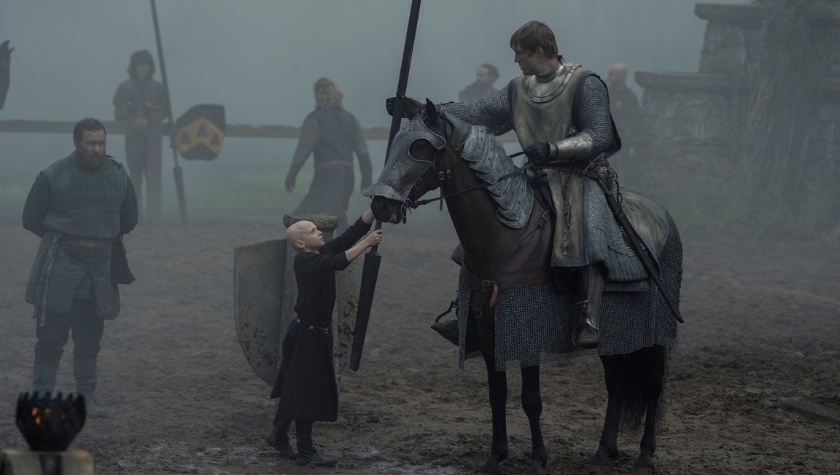
Dunk and Egg: A Medieval Odd Couple
At the heart of the series is the relationship between Dunk and Egg, a dynamic that Parker approached through a simple but effective lens: What does each character get from the other?
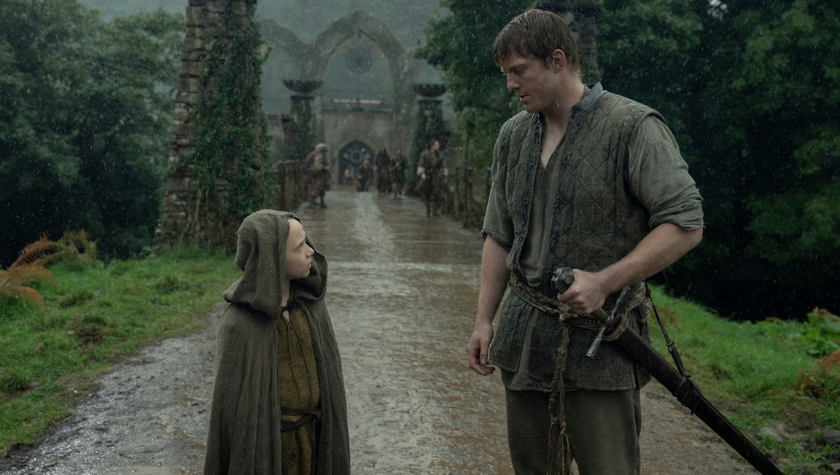
For Dunk, the relationship is shaped by his past. Having grown up under a harsh mentor, Ser Arlan (Danny Webb), he’s forced to confront what kind of mentor he wants to be himself.
“There’s a moment where he could repeat that cycle,” Parker says. “But instead, he chooses to teach, to help Egg in a way he never was.”
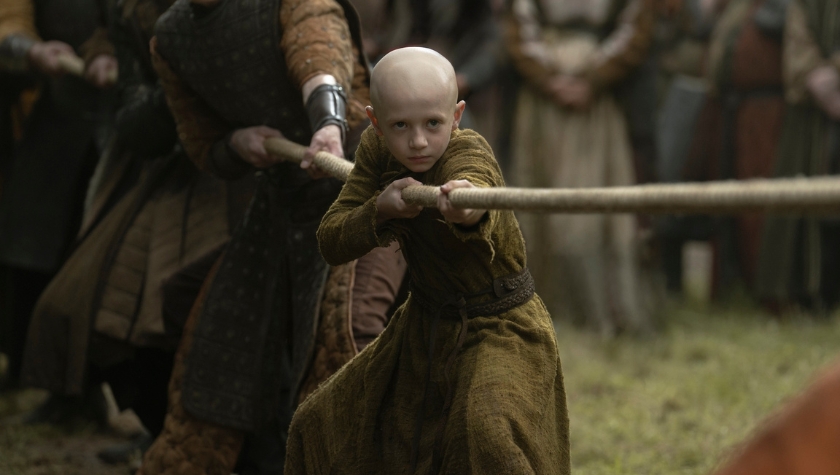
For Egg, the appeal is more aspirational.
“He sees Dunk as this big, strong protector, everything he’s not. He thinks if he can become that, it’ll solve all his problems.”
Ira Parker’s Advice to Writers
Parker’s creative philosophy extends directly into his advice for emerging writers, particularly those working in genre.
“Don’t send out material before you love it,” he says. “I don’t always know when something is good, but I know when it’s still bad.”
His next piece of advice is about theme. “A lot of fantasy scripts put theme front and center. But theme should be how a modern audience relates, not in the dialogue, not something characters say outright.”
For A Knight of the Seven Kingdoms, the thematic hook is surprisingly contemporary:
“It’s like lying on your resume, getting the job, and realizing you have to actually do it.”
Lastly, he says, even in fantasy, spectacle should be secondary.
“At the end of the day, it always has to come back to who these people are at their core.”
Writing on Final Draft
Parker’s journey as a writer is also deeply intuitive. “I taught myself to write on Final Draft,” he says.
But like many emerging writers, he didn’t initially have access to the full version. Instead, he got creative, using demo versions limited to ten pages at a time.
“I’d write a feature across, like, twelve documents and then stitch them together at Kinko’s,” he says.
It’s a scrappy lesson in resourcefulness and understanding how helpful some tools can be.
A Knight of the Seven Kingdoms was written on Final Draft. Season 2 will air on HBO in 2027.