

When you’re a new screenwriter trying to break into the industry with spec scripts (scripts written under speculation that they will be bought and produced), the first ten pages are so important. Development executives, producers, agents, managers, and script readers are experienced in being able to find talent and top script prospects - or lack thereof - within the opening ten pages of a screenplay.
They can easily spot quick red flags like:
- Poor knowledge of industry guidelines and expectations when it comes to format
- Bad story structure habits
- Wooden dialogue
- Overwriting
- Underwriting
They can also quickly determine whether a screenplay is right for them in terms of genre, concept, story, characters, and overall delivery by the screenwriter. If they don’t see answers to those wants and needs within the first ten pages, it’s much more difficult to keep them engaged throughout the reading of your script. Why?
Hollywood is swimming in an endless sea of spec scripts and writing samples. They need a process to filter out scripts that are outright poor or just not ready, from those that demonstrate a clear grasp of the screenwriting craft.
Because of that, those first ten pages (give or take) are vital to the success of your script. They are all about instantly establishing:
- Tone
- Genre
- Concept
- The World
- Main Characters
- Core Conflict
If you can establish those elements in the first ten pages, while also adhering to industry norms when it comes to format, grammar, and general storytelling capabilities, you’ll increase your odds of success tenfold.
Here we offer some guidelines, simple practices, and even a couple of tricks to help you write ten opening pages that can increase your odds of success and get you and the script reader past that first hurdle and onto the rest of your screenplay.
1. Keep the Format Tight and Easy to Read
The biggest initial red flag for industry insiders is seeing the opening pages of a screenplay that clearly don’t adhere to traditional guidelines and expectations for screenplay format.
Screenplays are cinematic blueprints for potential movies. Because Hollywood reads so many scripts, there has been a long-lasting format to make those reads as simple and easy as possible. If you decide to get too creative or loose with your screenplay format, it’s going to make for a more difficult read because the reader is going to have the extra task of figuring out how to decipher the atypical format as quickly as possible so they can read on.
You may have read produced screenplays - even Oscar-nominated ones - that take chances with unconventional formatting. In most of those cases, the screenwriters writing them are either auteurs who direct their own scripts or established screenwriters given the freedom to explore unique formatting.
It’s best to play it safe by sticking with the basic format throughout the entirety of your screenplay, but especially in those opening ten pages.
- Scene Headings using INT./EXT. Location - DAY/NIGHT
- Scene description, preferably using brief blocks of descriptions that don’t use more than one to two sentences per block.
- Dialogue
Those are the only three elements you really need to tell a compelling story. They tell the reader:
- Where the scene takes place
- Whether to envision day or night in those locations
- Whether we’re inside or outside
- Brief descriptions of the important elements we need to know about (characters present, the type of location particular to the story, and what those characters are doing in that space)
- And what is being said, if anything.
If you stick to those basic formatting perimeters, you’ll be a step ahead of most.
2. Briefly Introduce Your Protagonist in Their Ordinary World
This is actually a hack for newcomers who are tempted to open with their protagonist’s full backstory. In movies, there’s no time for extended backstories and character introductions that involve multiple pages of backstory. Filmmakers have 90 to 120 minutes (give or take, with exceptions granted only to well-established screenwriters and filmmakers) to tell their cinematic stories. For screenwriters, that’s roughly 90 to 120 pages, tops (using the long-standing one-script-page-equals-one-screen-minute barometer).
So, the hack is to introduce your protagonist in their ordinary world briefly. This comes from Joseph Campbell’s The Hero's Journey and Christopher Vogler’s interpretation of that story structure as it pertains to screenwriting. You briefly show the protagonist in their ordinary world so that their character arc can begin once they are forced to (or choose to) confront the impending conflict at the story’s core.
When you do this in the opening ten pages, the reader will instantly know where this character is coming from and instantly be intrigued with how the character is going to deal with the conflict coming at them.
- In The Terminator, we see Sarah Connor as a waitress, and then going out on her own when she’s stood up for a date. She’s a far cry from the strong heroine she eventually becomes.
- In Titanic, we see Jack playing poker and winning tickets on the Titanic. We also see Rose grappling with her unwanted existence in the world of the wealthy as she’s directed by her mother and fiancé on how to behave properly.
- In Ghostbusters, we see Peter, Ray, and Egon lose their research grant at the university.
- In Back to the Future, we see Marty’s school and home life, which introduce the struggles he’s going through.
- In Barbie, we see Barbie's simple yet surreal existence in her Barbie world.
All of these ordinary worlds are briefly shown at the beginning of the story, right before each character sets off on their respective journeys that change their ordinary lives.

3. Briefly Introduce the Core Conflict
You can start characters in their ordinary world on page one, or you can introduce them after offering a brief glimpse at the impending conflict. It doesn’t matter what genre you’re in - every story needs conflict. Conflict is everything. The sooner you introduce the conflict within your story, the sooner you’ll pique the interest of the reader.
In Sinners, the film opens with narration and imagery that introduce the core conflict of evil being attracted to talented musicians. We know that something is coming from this information. Something evil and foreboding. And that conflict is introduced in the first minute of screentime.
It could be a whole scene or sequence, or just a creative glimpse at the oncoming conflict of the script’s core concept. If you introduce that early enough, the reader will want to read further with invested interest and intrigue.
4. Start From the Climax to Engage the Reader
This is just a “trick” you can use if you’re having trouble introducing the core conflict early, or if you are looking for a way to open bigger with a catchier hook.
You can open with the beginning of your climax, or utilize a cliffhanging moment from the third act where things are at their worst for the protagonist.
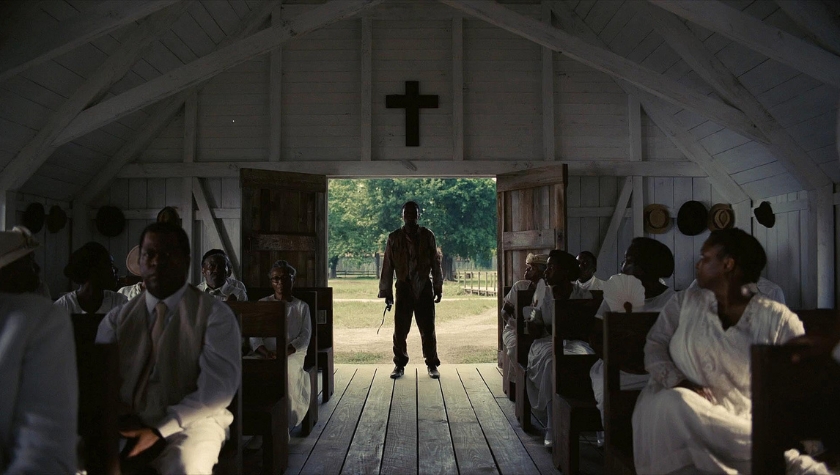
In Sinners, after the opening narration, we then open on a scene with one of the protagonists, Sammy, arriving at a church covered in blood and wounds. It’s clear he’s been through an ordeal. The film then jumps to the beginning of the story, leaving the audience in awe, wondering what that character has been through and what evil they have faced.
In Extraction, we open with the protagonist in the midst of the climactic battle sequence. We’re left with an opening cliffhanger that has us wondering how this hero can possibly make it out alive. We then jump back to the beginning of the story.
Not all scripts need to start like this. But it’s an option you can use to jumpstart the reading of your script early, catapulting the reader into your concept, story, and world.
5. Showcase the Tone, Genre, and World
Tone and genre go hand in hand. When you’re entering your script into a genre-specific screenwriting contest category, it’s so important to showcase that genre’s tone and atmosphere from the get-go.
- If the tone is light and humorous, we know it’s a comedy.
- If the tone is melodramatic and serious, we know it’s a drama.
- If the tone is thrilling and fueled by adrenaline, we know it’s an action-adventure.
- If the tone is dark and foreboding, we know it’s a horror or a thriller.
Particular genres dictate a particular tone. Embrace and showcase that tone. It will help you to sell the genre you’re writing in. And if you have a genre blend fusing two genres, make sure the tone is as evenly balanced as possible between the two.
In Ghostbusters, we open in a haunted library. Scary things happen. But after that opening scene, we jump to a humorous scene that showcases a lighter tone. The audience immediately understands that this is a genre blend of horror and comedy. All within the first two scenes.
Then comes the world. The world of your screenplay is intertwined with the genre you’re writing in.
- If it’s fantasy, we need to see that fantastical world, if not only a glimpse of it.
- If it’s action, we need to know whether the world is grounded in reality (Die Hard) or in an enhanced reality (John Wick).
- If it’s science fiction, where and when are we?
Some of the best stories take place in a specific world.
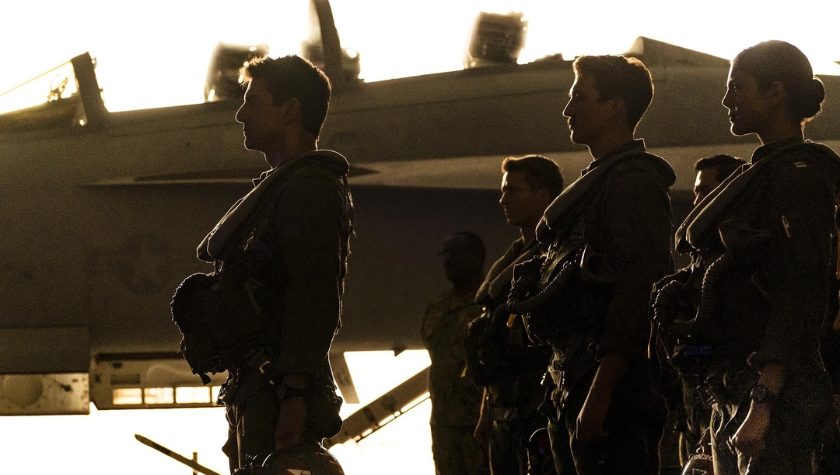
- Top Gun and Top Gun: Maverick take place in the world of fighter pilot aviation.
- Full Metal Jacket takes place in the world of Vietnam-era military bootcamp.
- Jurassic Park takes place in the world of paleontology, married with a world where dinosaurs have been brought back.
You want to make sure that you showcase the world of your script early on so readers know the layout, the rules, and what to expect.
Tone, genre, and your script’s world are intertwined. Sell the reader on those elements early on, and they’ll be able to settle into your script much easier for the long haul.
Have Fun Writing the First Ten Pages!
Try not to be intimidated by the need to hook and engage people in those opening pages. Have fun with it. Utilize these five guidelines, practices, and tricks to get that reader invested in the reading of your script. That’s the goal for every screenwriter. When you can get them engaged and compelled to keep turning from one page to the next with interest, intrigue, and excitement, you’re proving that there’s something special about your script. Something to remember. Something worth investing in.