
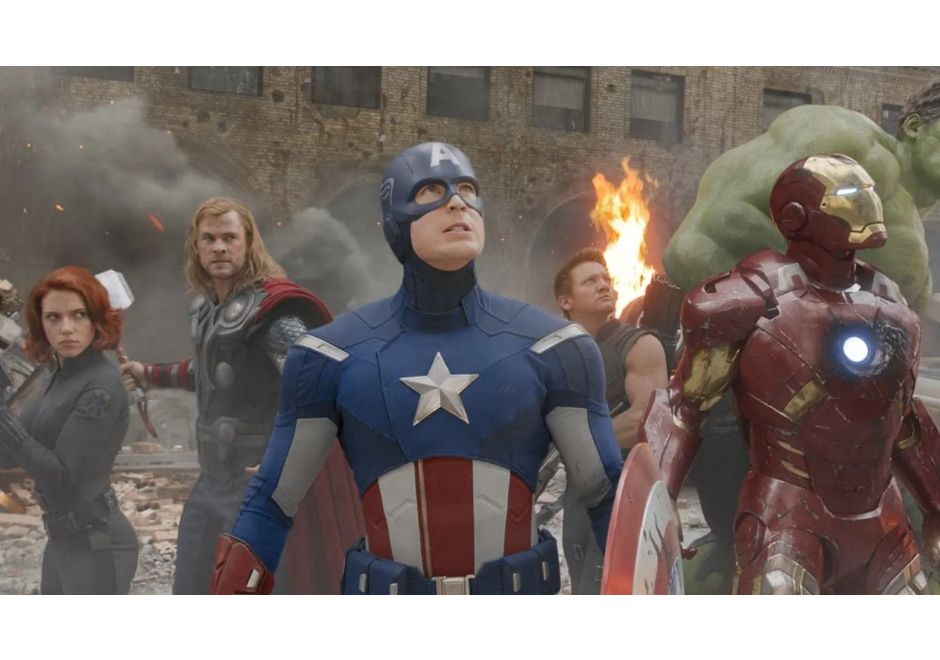
When the Avengers assembled to face Thanos in the final battle of Avengers: Endgame, theaters erupted. Few scenes are as crowd-pleasing as the moment reinforcements arrive to save the day at the last possible second, but these scenes don't work by accident. They depend on specific mechanics to make the moment as exciting and dramatically satisfying as possible.
To get the audience cheering when the cavalry comes to save the day, be it an individual, a family, or a full army, certain mechanics have to be put in place.
- Set-Up: The identity and arc of the reinforcement has to be seeded early, then forgotten about, like an element of a good magic trick. Ideally, the act of showing up to save the day will be a surprise, but will also be the completion of a thematic or character arc.
- Low Point: The characters we're following have to be on their backfoot or close to defeat, so that the audience can't imagine how they'll get out of this, setting the stage for the reinforcement saving the day.
- Action: The way in which the reinforcement arrives should be visually memorable and exhilarating, so as to capitalize on the drama and really rally the audience.
Here are 4 examples of effective scenes where reinforcements show up just in the nick of time.
Star Wars (1977) - The Falcon Returns
In one of the great crowd-pleasing moments in cinema, Han Solo returns in the Millenium Falcon to save Luke Skywalker from Darth Vader and allow him to blow up the death star in Star Wars.
Set-Up: Han Solo is a selfish character who helps Luke and the Rebels only in exchange for a financial reward. When they need his help most to destroy the Death Star, he takes his reward and leaves, confirming our worst suspicions about him. But before he does, there's some reluctance in his face, and against his previously set up beliefs, he tells Luke, "May the force be with you," seeding a possible change.
Low Point: With every Rebel ship having been shot down, Darth Vader's Tie Fighter targets Luke Skywalker's X-Wing, threatening to kill our hero and ensure that the Death Star remains intact and the Empire's rule will continue. The trench run action set-piece up until this point is so suspenseful and involving, that first time watchers would likely have forgotten that Han is still in the picture.
The Action: Vader's escort Tie Fighters get shot down out of nowhere, and the Millenium Falcon soars into the battle with Han piloting and letting out a joyful yell, freeing Luke up to destroy the Death Star. The moment not only shows thematically that the Rebellion can only be successful with all hands on deck, it completes Solo's arc of going from selfish loner to showing up for interests greater than his own.
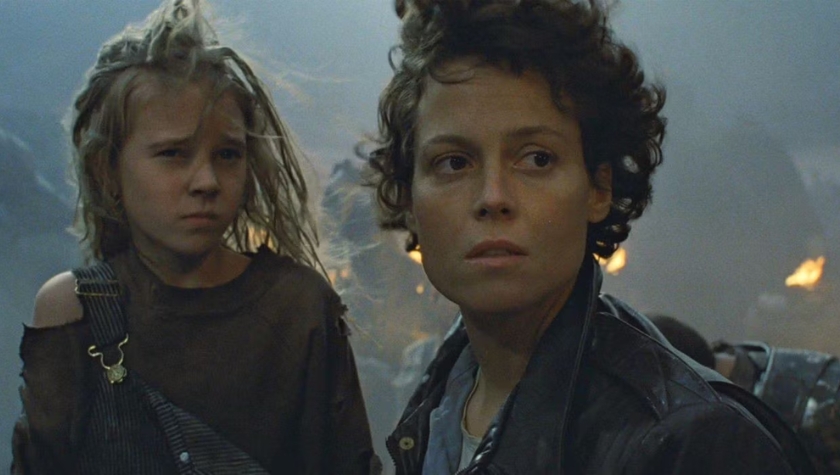
Aliens (1986) - Ripley saves Newt
After the haunted house horror of Alien (1979), audiences were truly rocked by the large-scale action-adventure ethos of its sequel, Aliens (1986). And just when this thrill ride of a film feels like it can't get any more fun, protagonist Ripley completes her arc in a rescue and showdown for the ages.
Set-Up: Ripley starts the film despondent and grieving after losing her crew in the first Alien film, and losing those she loves back on Earth after drifting through space in cryosleep. But the discovery of an orphaned little girl named Newt on an alien-ravaged planet reawakens Ripley's humanity. The film seeds her climactic weapon of choice; a giant exoskeleton machine called a Power Loader, earlier in the film. So, when all hope is lost, all the emotional and technical pieces are in place for an iconic moment.
Low Point: With most of the film's players dead or injured, poor little Newt is trapped alone, trying to escape the monstrous Alien Queen. When the Queen finally corners the child, she lets out a terrified scream. There's nowhere left to run.
The Action: A giant door rises to reveal Ripley, matching the size of the Queen by piloting a Power Loader. She takes a few steps forward and shouts the now iconic line, "Get away from her, you bitch!" In showing up one last time to save Newt and do battle with the Queen, Ripley assumes a passionate, maternal role in defiance of her grief, giving the battle not only a crowd-pleasing WWE Smackdown quality, but a profound emotional catharsis.
Avengers: Infinity War (2018) - Thor lands on Wakanda
The Avengers movies are full of great beats where a reinforcement shows up just in the nick of time, none more famous than the famed Portals sequence at the end of Endgame. But one other memorable instance comes toward the climax of Avengers: Infinity War, when all hope is lost on Wakanda.
Set-Up: In the chronology of the MCU, Thor hasn't been on Earth or seen his friends in years, and the film opens with Thanos decimating Thor's people and killing many of his friends, leaving him floating in space alone. Hellbent on revenge, he takes Rocket Racoon and Groot to the one place in the universe where he can forge a weapon powerful enough to kill Thanos, isolating them from the rest of the Avengers. But anchored with profound grief, his mission feels doomed.
Low Point: In order to forge the powerful axe, Stormbreaker, Thor takes the full strength of a star, nearly dying in the process. The last we see of him is his body, laying on the ground, his hand twitching as he reaches for the axe. Back on Earth, the Avengers are taking a pummeling from Thanos' army, looking like they're just about cooked. The movie lays the audience low, with the possibility of Thor's death and the Avengers' defeat all too likely.
The Action: A giant rainbow beam, Thor's transportation device, explodes down onto the battlefield in Wakanda, and Stormbreaker flies out, taking out hoards of Thanos' soldiers. Thor then catches the axe with Rocket and Groot by his side, not only alive, but strong as ever from the power of Stormbreaker. His friends leap up, reinvigorated, before Thor utters that immortal line, "Bring me Thanos!" pumping new life into the film and the battle at hand. His arrival in Wakanda is not only a form of personal resurrection in the face of catastrophic odds, but also a reunion with his friends, affirming the sentiment Avengers films are built on; that they can only save the world when they're fighting side by side.
Little Miss Sunshine (2006) - The family assembles
The technique of reinforcements swooping in to save the day isn't just for action and adventure films. It can add a crowd-pleasing jolt to just about any genre. The climactic scene of the family dramedy Little Miss Sunshine plays to laughs and tears by using just such a moment: little Olive's family shows up and comes together, not to save her from certain doom, but to show her unconditional love and support.
Set-Up: Olive's dream is to perform in the Little Miss Sunshine pageant, but her family is in shambles after her uncle's attempted suicide and the death of her Grandpa, the only one who believed in her. The film leading up to the pageant is a dysfunctional family trainwreck, with the various neurotic members getting pulled apart by their individual selfish interests.
Low Point: When Olive finally gets the chance to perform her eccentric dance, the pompous audience and judges are desperate to get her off the stage. They urge her dad to convince her to stop, setting the stage for true heartbreak.
The Action: Instead of cutting Olive off to save face, her buttoned-up dad instead dances beside her. Soon all of her family members take to the stage to dance with her, reinforcing Olive's determination to perform with unconditional support and creating a joyful experience for her. The action also completes a thematic arc, the family members abandoning their self-interests to support each other in failure as a unit.
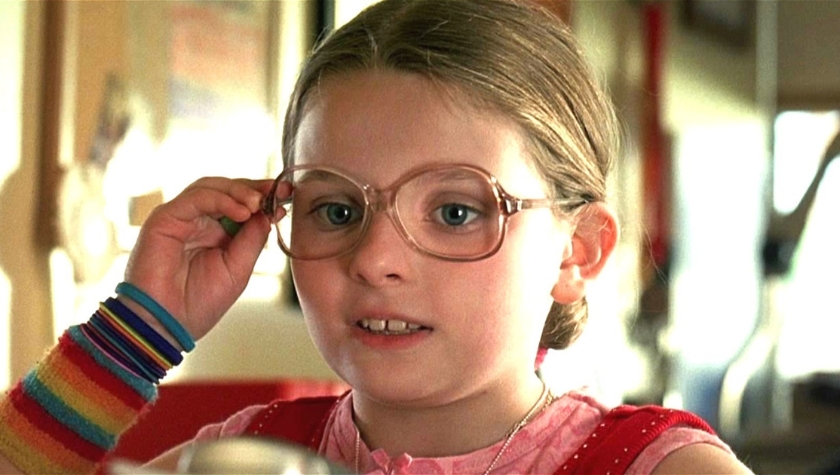
In many ways, the climaxes of Little Miss Sunshine and Avengers: Endgame are very similar, with one lone hero staring down defeat, only for their team members to show up and fight alongside them. The similarity is proof enough that this storytelling tool can be used in just about any type of movie you can think of.
These are just a few examples, but memorable moments of this ilk are countless and worth studying. Who can forget Gandalf The White cresting the horizon in The Lord Of The Rings: The Two Towers (2002), or vengeful Payakan emerging from the water to attack a whaling ship in the final battle of Avatar: The Way Of Water (2022), or even a small scale gesture, like Mr. Keating's students showing up for him by standing on their desks at the end of Dead Poets Society (1989). Keep an eye out for this technique in action to help you better craft your own.