
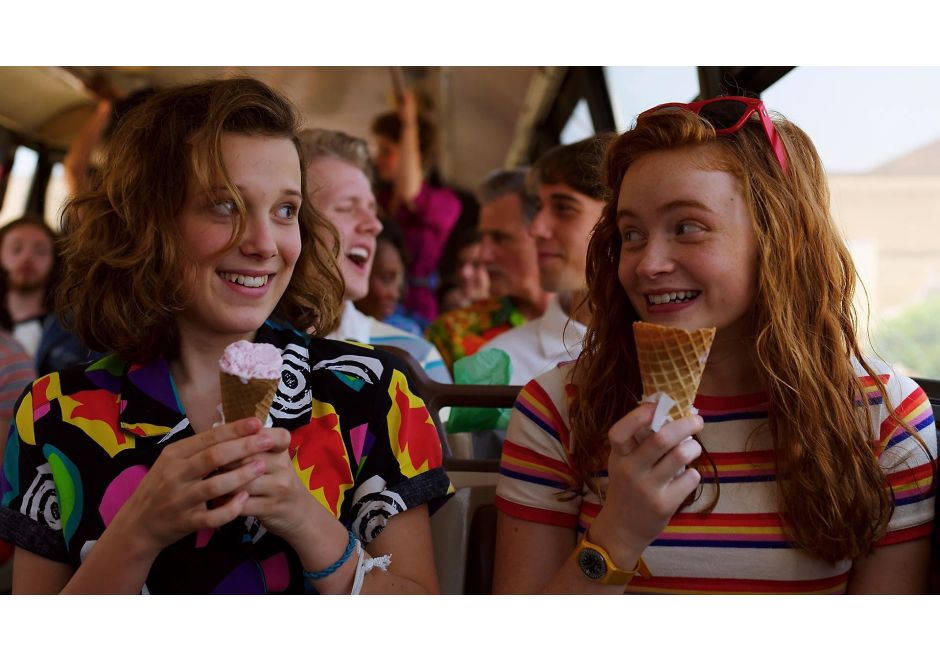
The 80s called, and it wants its audience back! The 90s, too, for that matter.
There’s a reason franchises are king and remakes never cease. There’s a certain comfort in the known. And in this time of uncertainty, it's unsurprising that audiences are seeking cinema that revels in days gone by.
Think about some of today’s most-binged shows and top films; there’s truly something for everyone, across every genre. Stranger Things dominated the cultural zeitgeist again with its series finale dropping on Netflix to kick off 2026. Before that, audiences were flooded with nostalgia-driven spin-offs and reboots: That ’90s Show, Fuller House, and Cobra Kai, along with reimagined versions of Roswell, Magnum P.I., Gossip Girl, and The Fresh Prince of Bel-Air as Bel-Air. There was even a dark, modern reinterpretation of the classic Archie comics in Riverdale, and a few shows in our pop-culture hearts made a guest appearance for only one season: Veronica Mars, The Comeback, Twin Peaks: The Return, and Gilmore Girls: A Year in the Life among them.
What these shows offer is a blend of familiar characters and concepts that pull us back to our younger years, often remembered as a simpler time. They allow us to relax into the comfort of what we already know, offering a temporary escape from the weight of real life. Writers and creators tap into this nostalgia by using recognizable callbacks, character tropes, and iconic imagery, as well as tone and music, to craft stories that feel both comforting and instantly appealing to audiences, while still offering fresh stories.
Let’s look at Wednesday for a minute, created by Alfred Gough and Miles Millar and based on Charles Addams’ original characters. The Emmy and Golden Globe-nominated Netflix show took The Addams Family values in a direction of its own. Because, well, Wednesday is a character uniquely her own, and don’t we just love her for it?
The first season especially did a beautiful job of introducing her (new) world by having the whole family drop her off at the fictional Nevermore Academy boarding school, and cleverly leave Thing behind. So we still got the Addams family (at least part of it).
The real challenge for screenwriters isn’t simply revisiting existing properties, but learning how to weave nostalgia into original work with intention and restraint. Without relying on remakes or established IP, how can we incorporate familiar echoes (of tone, theme, or style) in ways that feel organic and earned? How do we honor the filmmakers and stories that inspired us without veering into imitation, crafting something that feels both recognizable and unmistakably our own?
Write something authentic.
The word itself feels overused; almost ironic. The more earnestly creators try to reflect the world as it is, the more the term becomes clichéd. And yet, there’s an undeniable truth at the heart of the idea: the world is chaotic. Whether that chaos is something to fear or to embrace depends on the lens through which you choose to see it and, as a screenwriter, the lens through which you choose to tell your stories.
This is where establishing a strong screenwriting voice is critical. Not only is it your calling card as a writer, it helps distinguish what you wrote as a nostalgic nod, rather than a carbon copy (that could get you in trouble in more ways than one).
Take Stranger Things. Note: Spoilers ahead, you’ve been warned!
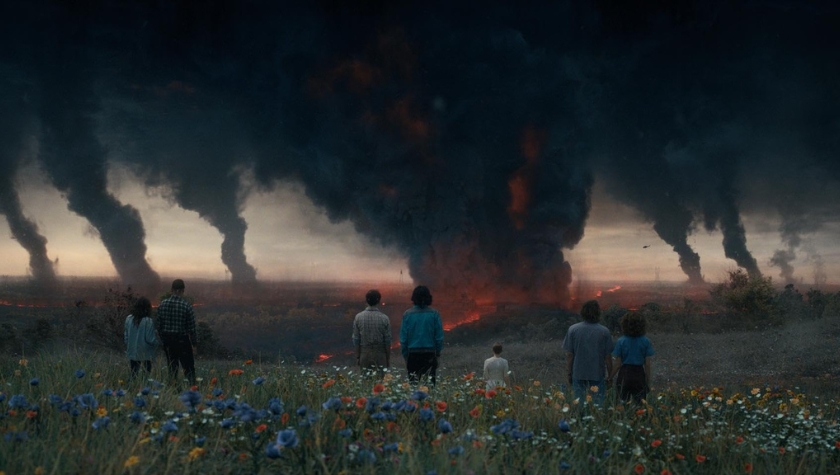
How many great 80s films, characters, scenes, and concepts did the Duffer Brothers utilize in the show? Demodogs stalking Lucas, Max, Robyn, and Vickie in the laundry room raised my heart rate the same way velociraptors stalking Lex and Tim in Spielberg’s original Jurassic Park theme park kitchen did. There was a Russian hitman reminiscent of Terminator II vibes in season three who lumbered menacingly behind our heroes like Schwarzenegger, and the fourth season finale felt like a callback to the Empire Strikes Back’s uncertain ending. We even got a gooey Titanic ending re-do where (spoiler!) Jack doesn’t die. IYKYK.
Consider recognizable character archetypes.
Then turn them on their head! The older teenage crew in Stranger Things exemplifies 1985’s iconic John Hughes film The Breakfast Club featuring the athlete, princess, brain, basket case, and criminal. We could get into the minds of Steve, Nancy, Jonathan, Robin, and Billy because we knew what we were getting. We’ve seen the oddball crew thrown together before. But then: we got to watch some of the most remarkable character arcs happen. The popular athlete became the selfless hero. The princess became the badass savior. The introverted brain became a courageous leader. The basket case became the mentor. And the criminal had one last act of goodness in him, after all.
By using a motley crew of recognizable character archetypes we can draw our audience in faster, give them a little comforting hug of you know these people… and then surprise them by giving the characters fresh thought and action.
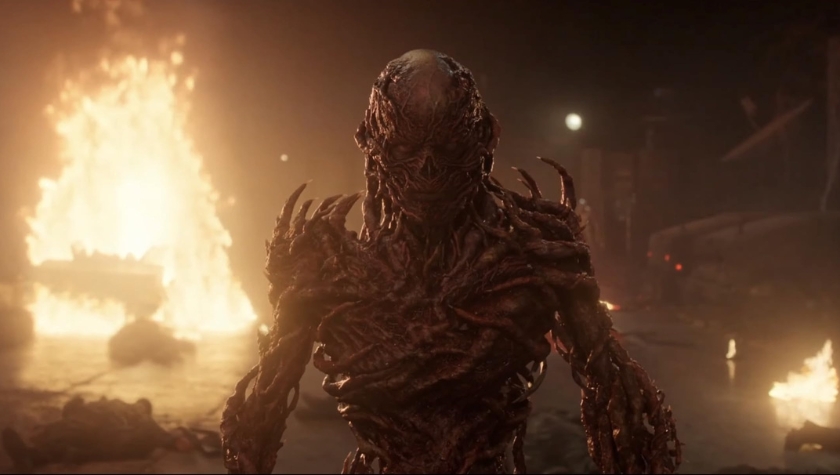
For example: Stranger Things’ most recognizable villain, Vecna, is reminiscent of Nightmare on Elm Street’s Freddy Krueger, right down to the “burned body” aesthetic when he’s first introduced. It’s become mainstream in cinema for antagonists to have redemption arcs and more detailed backstories than their 80s counterparts. And when it comes to Vecna…he’s no different. Or is he? He’s based in the 80s, after all.
The character of Eleven, aka “El” or “Jane” played to perfection by Millie Bobby Brown, is a culmination of all the best the 80s had to offer in sci-fi and horror: ET, Carrie, and Firestarter are all referenced in how she first appears to the main characters, elements of her powers, and her general situation, ie. being chased by government scientists who want to exploit those aforementioned powers.
These character archetypes lay the foundation for the plot, also recognizable in Stranger Things through many, many callbacks.
Tone is essential to a great nostalgic nod
The core protagonists Mike, Will, Dustin, and Lucas are rooted in the outsider stereotypes of 1980s childhood. A D&D-playing party of nerds, they attract skateboarder Max and science experiment Eleven, going on Goonies meets Back to the Future-style adventures. The Duffer Brothers’ twist lies in their fusion of Spielberg-inspired sci-fi with Stephen King-esque horror, elements audiences already love, reimagined through a fresh creative lens and grounded in carefully constructed character arcs.
Music is one of the most powerful tools for evoking nostalgia. Stranger Things’ synthesizer-driven score, composed by Kyle Dixon and Michael Stein, does much of the heavy lifting in grounding the series firmly in the 1980s, reinforced by needle drops from beloved artists of the era. Music’s deep connection to memory is even woven directly into the story, most notably in how Kate Bush’s “Running Up That Hill” becomes inseparable from the show itself, even functioning as a literal lifeline against a mortal enemy.
While screenwriters may not have access to the rights for specific songs, they can still harness this power by invoking musical styles, genres, or moods on the page, an approach that is both effective and creatively freeing.
A quick aside on cameos
While screenwriters may have little control over casting, filmmakers producing their own work can thoughtfully use nostalgia-driven cameos, or even deliberate lookalikes, to reinforce themes and spark audience excitement (as seen with the Terminator-esque assassin in season three).
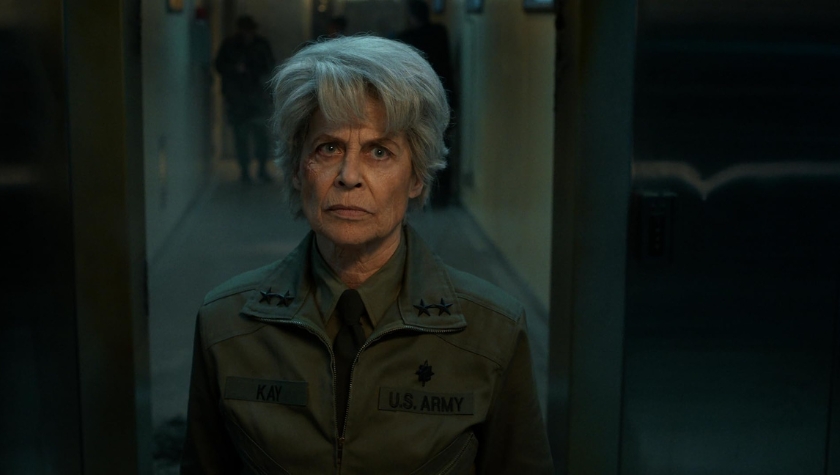
Stranger Things offers strong examples of this approach. Parallels between A Nightmare on Elm Street’s Freddy Krueger and Vecna are subtly underscored by casting Robert Englund as Henry Creel’s father. The series also nods to The Terminator by casting Linda Hamilton as an antagonist opposite Sarah Connor-esque Nancy and the rest of the group. Similarly, Wednesday leaned into audience memory by casting 1990s icon Christina Ricci as a foil to the present-day Wednesday Addams, turning familiarity into narrative fuel.
Nostalgia is everything when hooking your audience these days.
Hollywood thrives on it. Retail benefits from it. Care Bears are back. The Muppets are making a comeback in 2026 thanks to Seth Rogen and Sabrina Carpenter. It’s a marketing move of genius that appeals to the heart and pocketbook.
Nostalgia blurs the line between past and present, giving us wisps of the known to temper the unknown. An unclear, grey space to operate in as storytellers; using emotion to attract, soothe, entertain, and surprise. It’s a screenwriting tool for saying what we want to say, while making it matter now to audiences.