
You’ve built the tension, increased the stakes for the protagonist and delivered a powerful climax. Now what?
Screenwriters tend to take two approaches: they either rush through the resolution or spend too much time getting there. However, falling action—the space between the climax and the final resolution—is where the story earns its emotional payoff. When done right, falling action doesn’t just wind things down; it deepens meaning, reinforces character arcs, gives audiences closure, and pushes the protagonist into their new ordinary world.
Falling action is mostly associated with Freytag’s Pyramid, which is a storytelling structure similar to the classic 3-act structure, or the Hero’s Journey.
What is Falling Action?
Specifically, falling action is the portion of the story where the immediate aftermath of the climax plays out. At this point, the conflicts begin to resolve, characters process what has happened, and lingering questions start to get answered. There may even be a little journey back to where the story originated, only now, the protagonist has been on their adventure and is returning as a new person.
Falling action gives the audience time to absorb the full story and understand what it means for the characters, and acts as a bridge from the climax to the resolution.
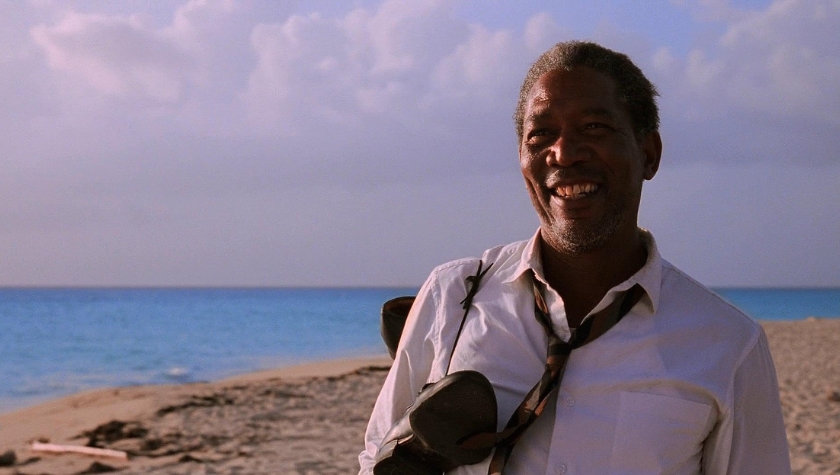
One example of falling action comes from The Shawshank Redemption, after Red (Morgan Freeman) is released on parole. He goes through many of the same actions that Brooks (James Whitmore) had earlier in the film; only he has a goal to reunite with his friend in Mexico. Imagine if the film ended after Andy’s (Tim Robbins) escape—without the falling action, the end of the narrative would feel abrupt or incomplete.
How to Make Falling Action Matter
Falling action begins immediately after the climax, and signals that the narrative is heading toward its conclusion. It gives the chance for the hero of the story, as well as the audience, to emotionally exhale after the story’s most intense moment. Without it, the narrative risks feeling abrupt or incomplete.
In the Hero’s Journey, it can be associated with the scenes after the Ordeal.
What is Freytag’s Pyramid?
Freytag's Pyramid is a classic storytelling framework that maps a narrative arc into five parts:
- Exposition
- Rising Action
- Climax
- Falling Action
- Resolution
What Comes Before and After Falling Action?
Just like any other part of a movie, what comes before and after a part of the story is important in telling the full story.
Before the falling action
The climax is the moment the audience has been waiting for. Everything in the story leads to this moment where the protagonist is forced to make a choice and live with the consequences. Because this is the part of the movie with the highest tension, the falling action follows as an emotional exhale.
After the falling action
This is the resolution of the story. It can be extremely short, and shows what life is like in the world after the protagonist concludes their journey.
How Long Should Falling Action Be?
There’s no fixed rule to how long falling action should take, however, it should be proportional to your story’s complexity and emotional weight.
- In fast-paced genres like action or thriller, falling action may be brief. It could be a couple minutes or a few scenes.
- In character-driven dramas, it might be longer. The Shawshank Redemption has falling action that takes up quite a bit of time.
Generally, the bigger the climax, the more space you need to process it. Think about films like Titanic or Wicked, stories that have major emotional or thematic stakes, such as loss, transformation and sacrifice. The falling action takes a lot longer than Armageddon or John Wick, which tend to be shorter.
Examples of Falling Action in Movies and TV
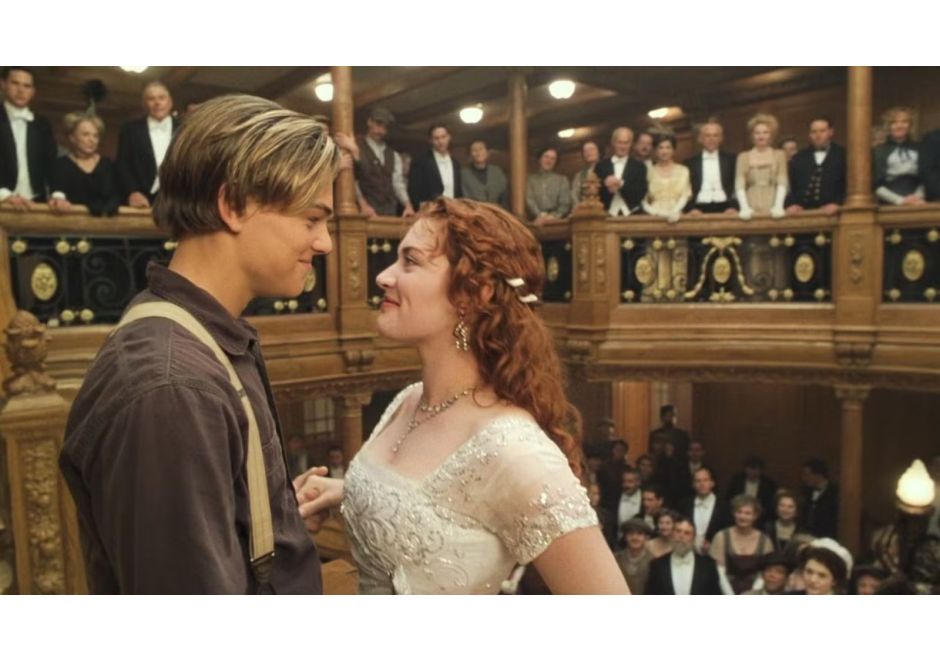
Titanic
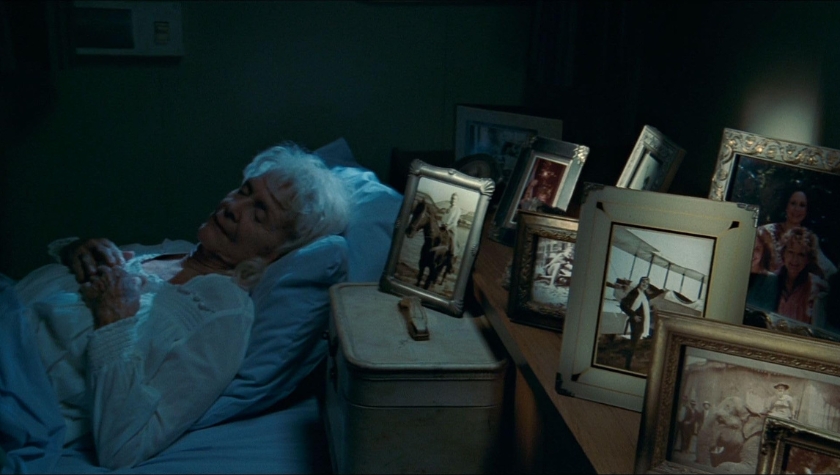
The climax of Titanic comes with the sinking of the unsinkable ship and the aftermath of Rose (Kate Winslet) and Jack (Leonardo DiCaprio) in the water. The falling action, therefore, is when the older Rose completes her story in front of the treasure hunters, drops the necklace into the water, and lies down to die.
The falling action gives Rose the time needed to process her trauma and find peace in her journey of life and the audience to see how she lived the life that Jack wanted for her. The resolution comes when Rose meets up with Jack after she passes away.
The Dark Knight
The climax of The Dark Knight is when Batman (Christian Bale) finally captures the Joker (Heath Ledger) and Harvey Dent (Aaron Eckhart) completes his transition to Two-Face. The falling action occurs when Batman confronts Dent followed by Commissioner Gordon (Gary Oldman) delivering his closing speech. The falling action helps reinforce the themes of heroism and sacrifice, and the costs associated with them.
Jurassic Park
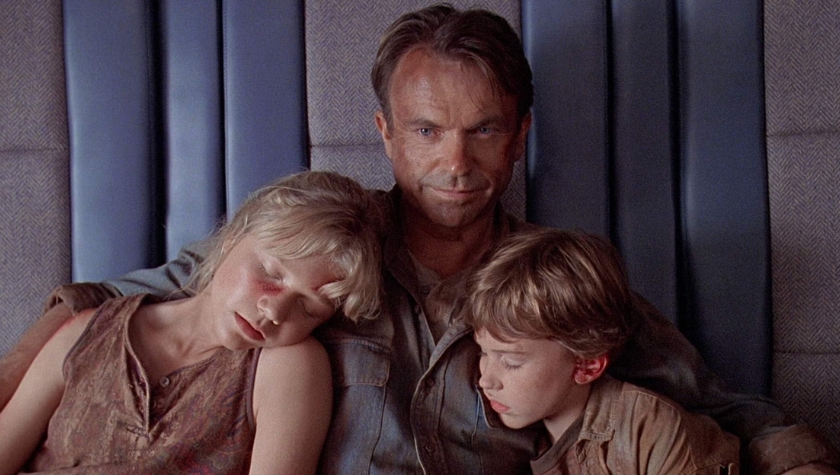
After the humans escape the raptors and the T-Rex, the falling action occurs when they escape the island and the reflection moments in the helicopter. This falling action provides the calm after the storm, and reflection after chaos.
Is Falling Action Necessary?
Traditionally, falling action is treated as an essential part of story structure. But in practice, many modern stories compress or even skip it altogether. Some writers argue that falling action can be specific to certain story arcs, particularly those that closely follow Freytag's Pyramid.
The thing is, some form of falling action usually exists even if it’s not labeled as such.
Falling Action vs. Resolution
- Falling action is used for the characters and the audience to process the story
- The resolution is the final outcome of the story
How to Write Falling Action
Here are a few tips when writing falling action.
- Keep Pace with Your Story: The time it takes for your falling action to happen will be dependent on the pace of the entire story. After the climax, you shouldn’t be far from the ending, but don’t rush it. A good question to ask is, ‘Have I given this moment enough space to land emotionally?’
- Tie Up Loose Ends: Falling action can help tie up loose ends. While not everything needs a neat bow, the major plot points and character arcs should be resolved. Keep track of character arcs, subplots and emotional conflicts and ensure they get resolved during the falling action.
- Keep the Energy Going: While the climax would be the most exciting part of the movie or TV show, it doesn’t mean you should lose the energy afterward. In fact, falling action can reveal new information, such as a final twist, deepen character relationships, answer questions or highlight consequences.
Falling action can be overlooked because many writers consider it part of the resolution. However, it can be used to help bridge that moment between the climax and the resolution. The key to making it strong is intentionality. Whether it lasts one minute or several scenes, it must be relevant to the story and give the audience the space they need to process the climax. This will help leave a lasting impression.