

From surreal nightmares to stylistic visions, dream sequences have been used throughout the history of film and television to deepen character development, shock and surprise the audience, or add another layer of storytelling.
For screenwriters, figuring out how to insert dream sequences into the screenplay format can be confusing at first. Here, we share three different ways you can write and format dream sequences into your script.
But first, let's discuss what exactly a dream sequence is within a screenplay.
What Is a Dream Sequence in a Screenplay?
In screenplays, dream sequences are meant to be visual scenes depicting a dream a character is having. These sequences usually (but not always) start with the script establishing that a character is asleep. Then the script goes into the intended dream sequence. When the dream plays out as far as the writer wants or needs, we usually see that the dreaming character wake up. By establishing who is having the dream, the reader or audience will better understand the context of the dream sequence.
You can also get creative with dream sequences by not introducing a visual of a character sleeping first, instead leaving the dream sequence as somewhat of a mystery until the dream is over, and the character having the dream is shown in deep sleep, having the dream (maybe in the REM stage), or waking up suddenly. The key is to always ensure the reader or audience knows who the dream is attached to, unless a creative choice or style is being used.
Dream sequences can also entail nightmare sequences. Both should be treated as the same screenplay element, and formatted the same as well.
Dream Sequences Vs. Flashback Sequences
Characters can certainly have dreams that are actually flashbacks to earlier points in the story or in their lives that haven't been established in the script. However, try your best to differentiate the two whenever you can. Why? Because you always want to inform the reader and audience as quickly as possible.
Within the read of your script, if a reader sees a DREAM SEQUENCE heading (see below), they won't automatically know if the character is dreaming or remembering. When you write FLASHBACK SEQUENCE, we automatically know that we're flashing back to something that has either happened in the script already or something that has happened in the life of the character attached to the flashback.
While dream sequences can be flashbacks, flashbacks aren't always dream sequences. So, it's usually good to differentiate between the two. If it's a flashback, tell us it's a flashback. If it's a dream or nightmare sequence, keep it as a dream or nightmare. But if you want to be creative with it, there's no harm in writing dream sequences that later are implied to be flashbacks.
Best Cinematic Examples of How to Use Dream Sequences Correctly
Before you start including dream sequences in your screenplays, it's always good to study some examples of how movies have used them effectively. Here are some classic examples to learn from before we dive into the formatting options.
- An American Werewolf in London (1981) — The script uses multiple nightmare sequences that blur the line between dreams and reality.
- The Big Lebowski (1998) — The "Gutterballs" dream sequence is a classic and creative example of using a dream sequence to capture a character's subconscious.
- Aliens (1986) — A perfect example of being creative with a dream sequence by not establishing the dreamer at first. The scene opens with Ripley in the hospital. She starts convulsing, and an alien chestburster begins to emerge from her. Ripley then awakens from the nightmare. This showcases her trauma from the previous film.
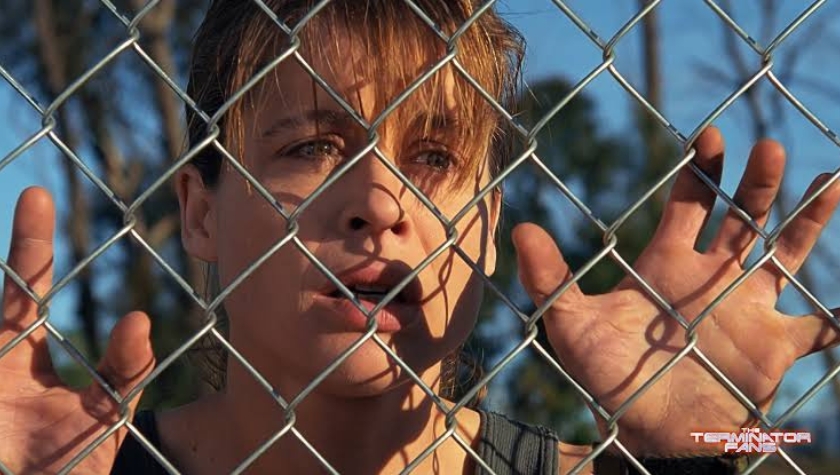
- The Terminator (1984) — Sarah Connor has a nightmare in which a nuclear explosion engulfs Los Angeles. In the same film, Kyle Reese dreams about his time in the future war. He wakes up from the dream/nightmare, as we realize he was flashing back to his earlier missions.
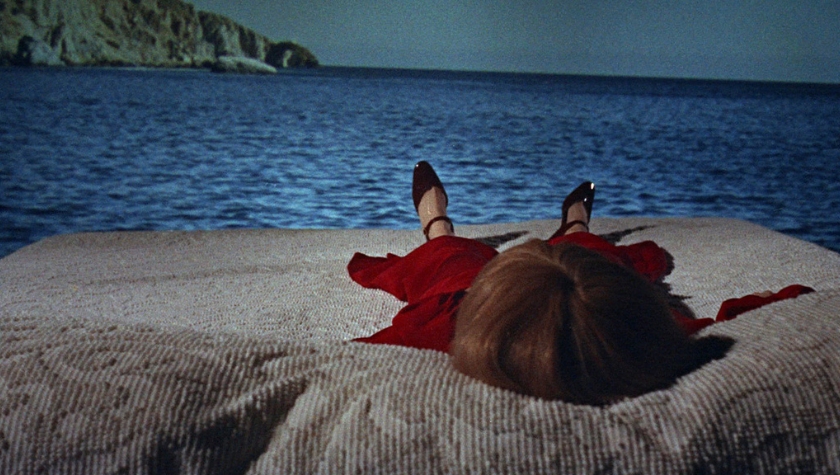
- Rosemary's Baby (1968) — Rosemary experiences a disturbing nightmare that later raises questions about whether or not it was actually a nightmare.
These are just a few of the many cinematic examples you can use to see how dream sequences work effectively in movies.
How to Format Dream Sequences in Screenplays
Formatting dream sequences is easy, and there are a few options you can choose from. The most important thing to remember is to use the basic screenplay format to write dream sequences.
Dream Sequence Formatting Example #1
The basic standard screenplay formula should always be utilized with any scene you write, including dream sequences. The only element you add to dialogue scenes or sequences (multiple scenes) is a visual stamp that lets the script reader know they are about to read a dream sequence. Here's the first (and most simple) example.
INT. HOTEL ROOM - NIGHT

Sarah sleeps in the bed.

DREAM SEQUENCE:

EXT. LOS ANGELES PARK - DAY

Sarah walks up to the fence surrounding the park.

She watches children play with a smile on her face, until...

A MUSHROOM CLOUD APPEARS ON THE HORIZON, followed by an impact
blast that decimates Downtown Los Angeles, and then tragically
hits the park in a blinding flash.

END DREAM SEQUENCE

INT. HOTEL ROOM - NIGHT

Sarah jolts awake, shocked and terrified.
The only additional elements beyond normal screenplay format is the use of DREAM SEQUENCE: and END DREAM SEQUENCE to dictate when a dream or nightmare starts (DREAM SEQUENCE:) and when that dream sequence or nightmare ends (END DREAM SEQUENCE).
If you want the dream sequence stamp to stand out more, you can underline it if you'd like.
Dream Sequence Formatting Example #2
Here is the same scene, with perhaps the biggest difference in dream-sequence formatting.
EXT. LOS ANGELES PARK - DREAM SEQUENCE - DAY

Sarah walks up to the fence surrounding the park.

She watches children play with a smile on her face, until...

A MUSHROOM CLOUD APPEARS ON THE HORIZON, followed by an impact
blast that decimates Downtown Los Angeles, and then tragically
hits the park in a blinding flash.

END DREAM SEQUENCE

INT. HOTEL ROOM - NIGHT

Sarah jolts awake, shocked and terrified.
Instead of using the action line and CAPS to tell the script reader that a dream sequence is starting, we've used the Scene Heading section, adding DREAM SEQUENCE (or NIGHTMARE SEQUENCE) to the location, with dashes on both sides.
This can be a very effective way to write them because script readers often briefly slow down their reading to pay closer attention to scene headings. When they see DREAM SEQUENCE in the scene heading, it's a quick indicator of what is to come in that scene.
But you always want to make sure that you write END DREAM SEQUENCE so the script reader knows the dream or nightmare is over.
Dream Sequence Formatting Example #3
The only change from the first example is that the entire dream sequence is in italics, an effective stylistic choice to ensure sufficient differentiation between regular scenes and dream sequences. Many script readers appreciate this formatting choice. Why? Because you're offering them a better reading experience.
INT. HOTEL ROOM - NIGHT

Sarah sleeps in the bed.

DREAM SEQUENCE:

EXT. LOS ANGELES PARK - DAY

Sarah walks up to the fence surrounding the park.

She watches children play with a smile on her face, until...

A MUSHROOM CLOUD APPEARS ON THE HORIZON, followed by an impact
blast that decimates Downtown Los Angeles, and then tragically
hits the park in a blinding flash.

END DREAM SEQUENCE

INT. HOTEL ROOM - NIGHT

Sarah jolts awake, shocked and terrified.
You could also do the same with the second example that uses the Scene Heading.
INT. HOTEL ROOM - NIGHT

Sarah sleeps in the bed.

EXT. LOS ANGELES PARK - DREAM SEQUENCE - DAY

Sarah walks up to the fence surrounding the park.

She watches children play with a smile on her face, until...

A MUSHROOM CLOUD APPEARS ON THE HORIZON, followed by an impact
blast that decimates Downtown Los Angeles, and then tragically
hits the park in a blinding flash.

END DREAM SEQUENCE

INT. HOTEL ROOM - NIGHT

Sarah jolts awake, shocked and terrified.
That's All You Need to Format Dream Sequences in Your Screenplays
Take solace in knowing that formatting dream or nightmare sequences is easy. Any screenwriter can format them with ease using the guidelines and breakdown above. When in doubt, keep it simple, and sweet dreams!