
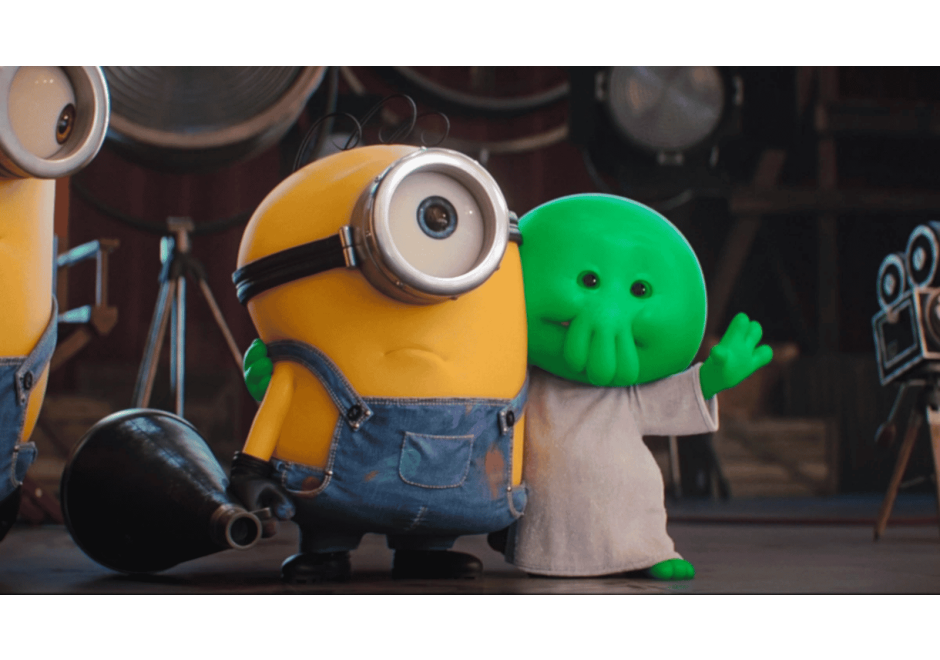
Why do audiences laugh when Shrek spoofs Disney? Why does Spaceballs work even if you’ve never seen every science fiction movie it references? The answer is intertextuality.
What is intertextuality? It’s simply the point where two works of art overlap, or when the art of one story borrows from another to create new meaning.
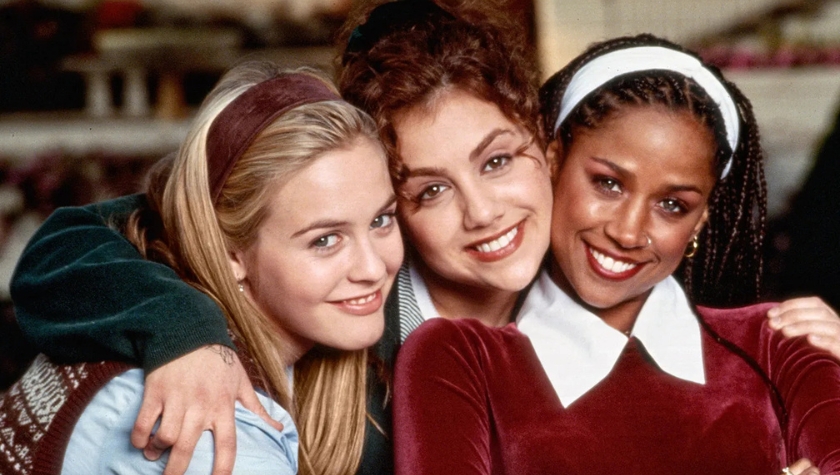
Intertextuality can be as small as a single line, like Scott Lang (Paul Rudd) calling Back to the Future “bulls***” in Avengers: Endgame, a joke that only lands if the audience already knows the other film. It can also be structural, as with Clueless, which reworks the entire plot of Jane Austen’s Emma into a 90s high school setting.
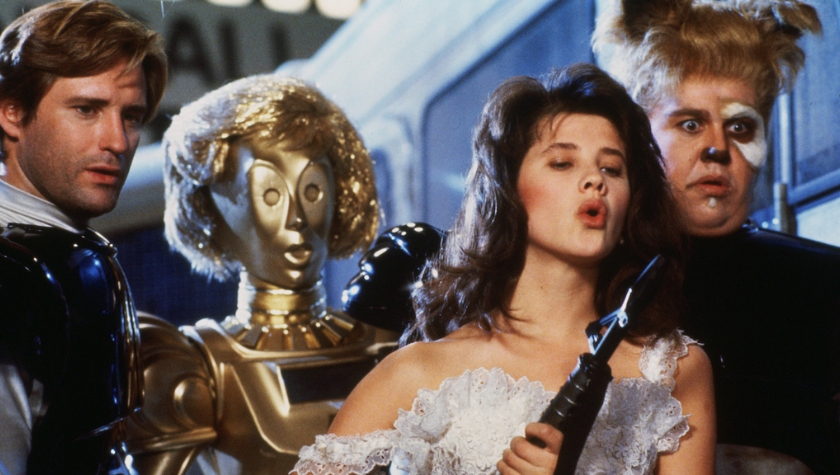
And it can be pure parody: Spaceballs builds its whole premise on intertextuality, lifting plot beats, characters, and visual gags directly from Star Wars and Alien.
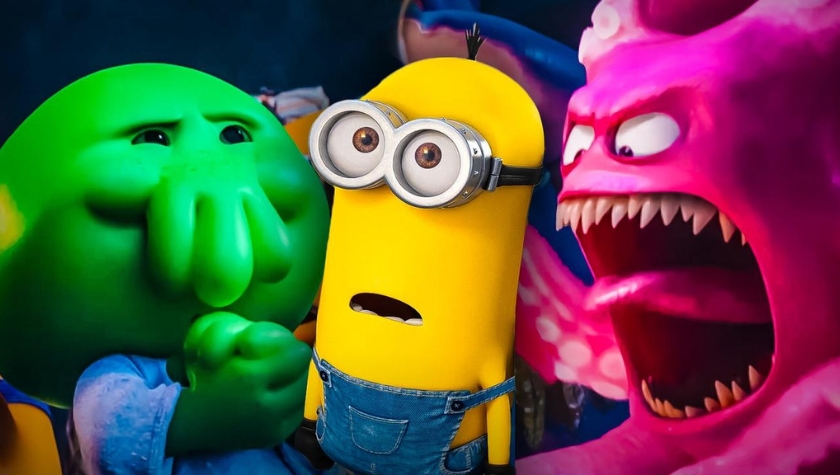
Minions & Monsters uses intertextuality to tell the latest adventure of the yellow, banana-shaped creatures as they embark on their quest to find a villain to serve. Along the way, three minions, James, Henry, and Ed, get sidetracked by dreams of becoming storytellers in 1920s Hollywood, where there are nonstop references to films from 100+ years ago.
Examples of Intertextuality
Intertextuality occurs across most art genres, such as film, literature, music, and TV.
- Music: I Miss You by Blink 182 references Nightmare Before Christmas
- Music: Love Story by Taylor Swift references Romeo & Juliet
- TV: Stranger Things constantly used film, TV, and music references from the 1980s
- TV: Family Guy and The Simpsons famously use references from other media
- Literature: Pride and Prejudice and Zombies by Seth Grahame-Smith used the literary classic and added a pop culture twist
- Literature: The Hunger Games series has several characters associated with other works, such as Coriolanus Snow, named after a Roman general in a Shakespeare play, and Katniss Everdeen, whose surname comes from a character in the 1874 novel Far From the Maddening Crowd.
While intertextuality appears across nearly every artistic medium, animation seems to make the most out of it (followed by the return of spoofs).
Intertextuality in Shrek
Shrek is the defining example of cinematic intertextuality: it doesn’t just reference other works of art, it weaves those references into the narrative itself, rather than using them as standalone jokes. Shrek draws on everything from familiar fairy tale tropes to characters such as the Three Little Pigs and the Gingerbread Man to Disney princesses. Even the beginning started like many stories, “Once upon a time…”
This approach plays a dual role: engaging the audience with familiar archetypes while also subverting them as commentary that challenges traditional messages about appearance and abilities. It also makes the film entertaining for all audiences, hitting that coveted 4-quadrant story that studios love, which is why it has been so successful.
Why Minions & Monsters Uses Intertextuality
Minions & Monsters is a celebration of film history and a specific storytelling device that gives a handful of minions the opportunity to have their own story. Set against the backdrop of 1920s Hollywood, the film follows James, Henry, and Ed as they become filmmakers at a pivotal moment for the industry.
“If we were telling a story about Minions making movies, it made sense to place it at the dawn of cinema as we know it,” director Pierre Coffin said in a Variety interview. “There is something very specific about the Minions: in the way they move, in the way their gags are constructed, they are heirs to silent-film stars — Chaplin, Buster Keaton, Harold Lloyd. So, the period allowed me to do two things. I could introduce new Minions in a new context, and I could pay homage to the people who invented a certain kind of visual comedy.”
Intertextuality helps establish the setting, reinforce the characters’ aspirations, and acknowledge the films that engaged audiences over 100 years ago. While almost all references would go over a child’s head, the audience can still enjoy what the references represent.
Whether it’s one of the minions playing a Bogart-esque role in a black-and-white film noir or their chaos as they rush through Charlie Chaplin’s famous factory scene in Modern Times, the filmmakers leaned into this storytelling device to help their imagination run wild. This is one of its greatest strengths: it rewards audiences in different ways without requiring prior knowledge. Intertextuality, as a general rule, doesn’t pause to explain every reference — Minions & Monsters certainly doesn’t. Instead, it’s there to enhance the story and help explain the characters.
What Intertextuality Can Mean for Screenwriters
Intertextuality is much more than a collection of references or hidden Easter eggs. When used intentionally, it becomes another storytelling tool that develops characters, reinforces themes, and creates greater emotional connections with the audience.
How can screenwriters use intertextuality in their stories? You must ensure it’s not just a reference, but reveals character and story. When used correctly, this approach should reveal something about the character or support the film’s themes.
Minions & Monsters successfully uses intertextuality by placing the Minion characters into a world that exposes their individual personalities and desires. As Coffin stated, this time period made the most sense for the Minions to shine — hence, it served the story and wasn’t a distraction.
Why Audiences Gravitate to Stories with Intertextuality
Intertextuality can be seen as a form of nostalgia or a wink that the audience member appreciates. Most of all, it creates a shared experience between filmmakers and audiences. There is an undeniable satisfaction in recognizing a familiar character, visual style, or story and understanding how it has been reimagined in a new context — this isn’t a sequel, reboot, or adaptation, but a connection.
That recognition makes viewers feel like active participants rather than passive observers, and with Minions & Monsters, it rewards movie-loving adults with an extra layer of enjoyment without excluding those who miss the reference. These same scenes entertain multiple audience members for different reasons: My children didn’t understand the Citizen Kane jokes or almost everything in the museum at the beginning of the movie, but that didn’t change the fact that they liked it or that I appreciated the references.
Intertextuality is why films like Shrek maintain a timeless quality that resonates even 25 years after release, and why Minions & Monsters can take viewers of all ages on a cinematic journey that inspired its story.
Intertextuality isn’t just there to be clever; it’s used to make the story stronger. It’s a versatile storytelling tool used in a variety of media to enrich the story and make it more meaningful or more emotionally satisfying.