
The 1980s are alive and well. Gen Xers and Millennials continue passing down the movies, television shows, toys, and music they loved growing up to their own children.
It's common to see middle schoolers wearing MTV tees, teenagers rediscovering shopping malls, and younger audiences becoming fans of franchises that were created decades before they were born. For Hollywood, nostalgia has become a proven business strategy. For screenwriters, it represents something far more important: a powerful storytelling tool.
The recent successes of nostalgia are more than rehashing recognizable characters or familiar intellectual property. It's about understanding why nostalgia works and recognizing that the audience and the expectations of the story have changed over the last few decades.
Why Nostalgia Works
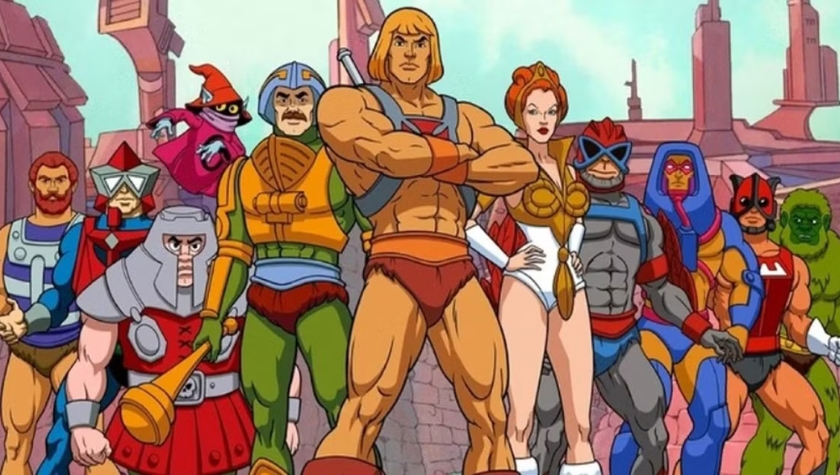
Nostalgia is more than just toys, Saturday morning cartoons, movies, or songs. It's about the emotions people felt when they were younger, loving the times when they didn't have to pay bills or go to work. Adults who grew up watching He-Man and the Masters of the Universe aren't just remembering Prince Adam grabbing onto the Power Sword, raising it above his head, and shouting, "By the power of Grayskull, I have the power!" They're remembering staring at cartoons, opening new action figures on Christmas morning, or racing around as characters while playing with friends.
It's not about remembering the object, but how that object and characters made them feel.
Surface Nostalgia vs. Emotional Nostalgia: What Is It and Why It Matters
If you're going to use nostalgia as part of your storytelling, it's important to understand what the two types of nostalgia are and their differences.
- Surface Nostalgia. This is nostalgia for fun rather than for storytelling purposes. In terms of movies or TV, think about it as a vintage poster in a teenager's bedroom, a song playing over a montage, or some product placement that might remind a viewer of when they were younger.
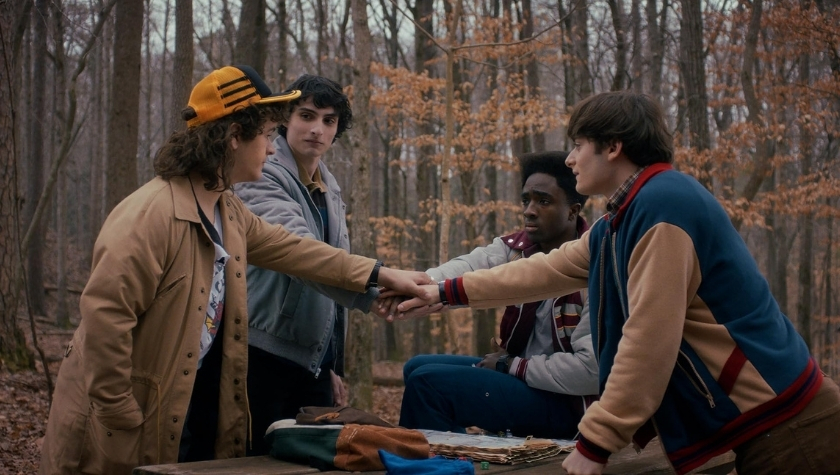
- Emotional Nostalgia. This is more powerful because, instead of recreating nostalgia, emotional nostalgia recreates the feeling. Audiences connected with Stranger Things, for example, because it captured the feel of 1980s childhood adventure movies. It reminded them what it felt like to explore with friends, ride bikes until sunset, and believe that the world was theirs to conquer — even if that was never the case, they recall the movies and TV shows that made them feel that way.
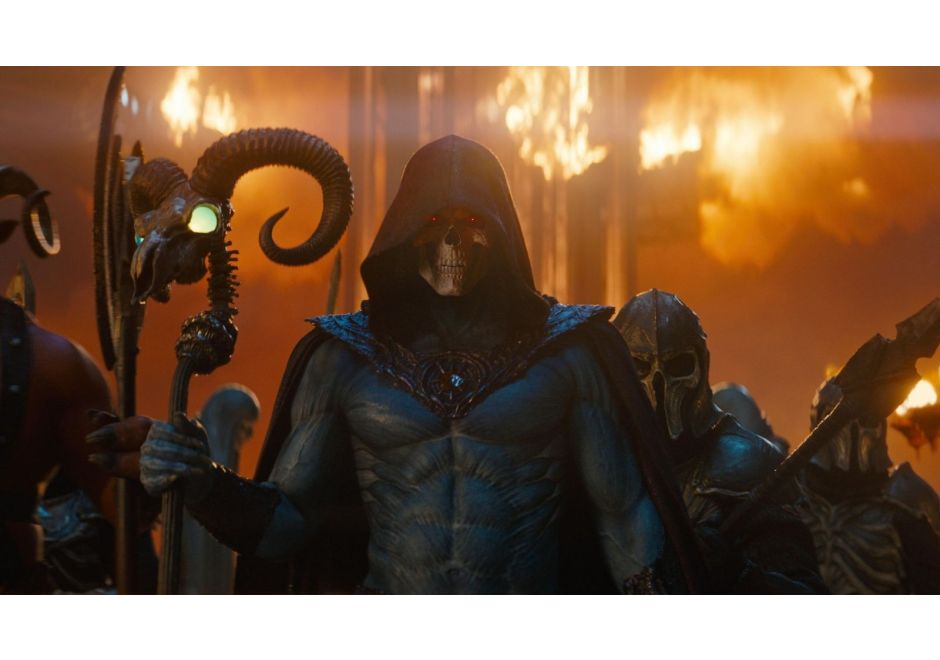
Masters of the Universe is more than a simple updated version of a movie based on Mattel's 1980s toys, which was created to compete against Star Wars action figures while adding a bit of Conan the Barbarian to its hero. The new movie is for the Gen Xers and early Millennials who have a nostalgic, emotional connection to He-Man and his universe. It's also a great way for these adults to share the nostalgia and joy with their kids (I took my 12-year-old daughter, and she liked it).
How Masters of the Universe Met Audience Expectations
When audiences revisit a beloved piece of intellectual property from their youth, they want two seemingly contradictory things: something new and something familiar.
Meeting this expectation can be quite challenging. If the content pivots and changes too much, fans may feel disconnected, as if the filmmakers just didn't get it. And yet, if they change too little, it feels like they're watching something that already exists.
Meeting the nostalgia challenge is about identifying the emotional core. What was it about Masters of the Universe that connected with audiences?
The emotional core isn't the mythology of Eternia or the specific details of He-Man's origin story. It's the sense of adventure, heroism, and imagination of playing in a magical world that makes people want to revisit these characters after decades.
But audience expectations have changed over the years. It's not enough to put together a cash-grab kind of movie and have your target audience arrive — trust me, that happened a lot with toys and Saturday morning cartoons in the 1980s being turned into movies. And it's why audiences approach nostalgic properties with a healthy dose of cynicism. Everyone's heard it before as something like: "Why are they remaking that movie?" "How can they turn an action figure/doll into a movie and actually make it good?" "It won't be as good as the original."
Even Masters of the Universe director Travis Knight understands this, saying in an IndieWire interview, "If I heard this was coming out, I'd probably be a little bit cynical."
"I do think it's kind of tricky material. In the sense that it's weird. It's pure, uncut, Colombian-grade '80s excess. There are barbarians with battle axes and swords, robots with laser guns, spaceships, and a warlock with a skull for a face. None of that shit should work. Some things shouldn't go together. And somehow, crazily, they do. And it does work."
The Key Ingredient to Writing Nostalgia: Love
"Sometimes, adaptations, no matter where they come from — book, graphic novel, video game, toy line — when I see them fall down, it's when the people involved in making the film don't understand what was special about the thing they are adapting. They don't love the thing they are adapting. I love these characters so much. And I knew what that inner eight-year-old would want to see on the big screen."
While Knight had existing IP to work from, writers don't need an established franchise to leverage nostalgia. It can be built on and expanded. That's what Stranger Things did.
The key is understanding universal experiences. The emotions behind playing with action figures and rushing to the living room to watch a favorite cartoon early Saturday morning are collective experiences that can be adapted to countless stories.
Playing with action figures as a child and savoring every moment of the cartoon can be applied to a wide range of experiences. Other experiences, too, transcend IP.
Here are a few examples of movies that used universal experiences to give a nostalgic feel:
- The Notebook is nostalgia for first love
- Five Nights at Freddy's leans on nostalgia from pizza parties and creepy animatronic characters
- Back to the Future looked at high school in the 1950s
- Mid90s was Jonah Hill's love letter to growing up in Los Angeles in the 1990s
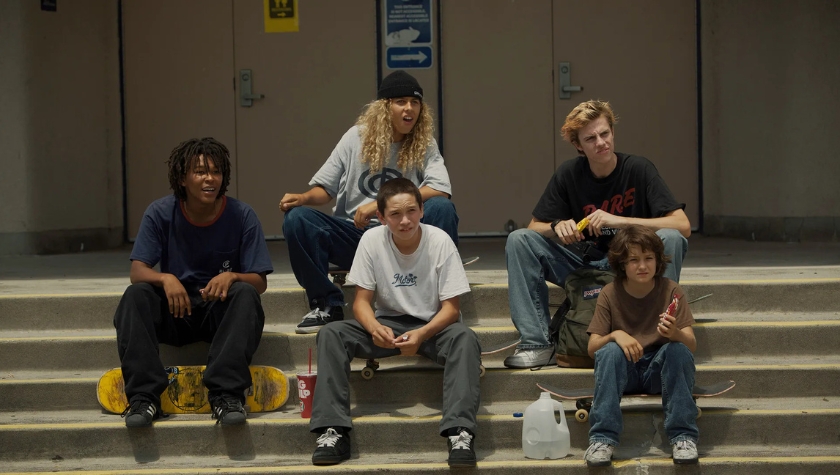
These experiences create emotional memories that transcend generations because they authentically capture moments in time or feelings that people loved and want to remember. They don't necessarily drive the story, but they play a big role in telling it.
Nostalgia = Connection
Masters of the Universe demonstrates that nostalgia is most effective when it serves emotion rather than recognition. The film succeeds not because audiences remember He-Man, Skeletor, and Castle Grayskull, but because of what it meant to them when they were growing up in the '80s.
The movie used the power of nostalgia to help it resonate with fans of the original IP while creating a world that connects with a whole new audience. Writers can draw on nostalgic moments from their lives to tell their stories and help the audience connect with their characters.