
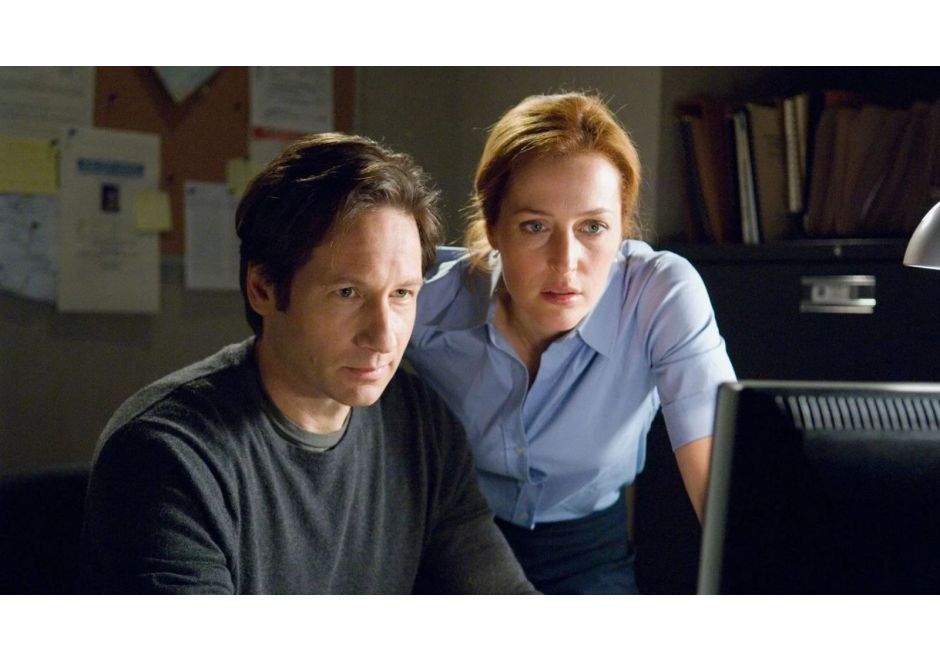
The X-Files has been in our lives for over 30 years, and the interest in the science fiction franchise has always been high. The TV series loved to ask questions about life, the universe, and everything else, and would often leave the answers hanging in the air, allowing viewers to interpret what they saw.
After the series concluded its nine-season run in 2002, show creator Chris Carter still had ideas brewing. In 2008, he co-wrote and directed the feature film The X-Files: I Want to Believe. It did okay at the box office, but left a bad taste in Carter's mouth. He's said in multiple interviews that he shot more and wanted to explore it, but the studio wanted a PG-13 rating and released a version more in line with its promotional goals.
Now, 18 years after the theatrical release, Carter's director's cut is available on Disney+ and Hulu — an R-rated version that, unlike most director's cuts, is shorter than the original. The director's cut reveals that The X-Files: I Want to Believe was always closer to horror than the theatrical release allowed.
"I wanted to make the scary movie that I always had intended to make, intended to direct, and this is more in line with that," Carter told Space.com. "It gave me a chance to remember the making of the movie and what I had intended it to be, and how different it was from that original vision."
The R-rated director's cut isn't simply a darker version of the original release; it expands on what the movie always was: unsettling and more in the horror genre than the supernatural thriller the TV version was.
Questions, Not Answers
Although Carter's cut is darker, it still has the fundamental DNA of the series. One of the unique aspects of The X-Files was its willingness to leave questions unanswered. The series could literally spend an entire episode with Fox Mulder (David Duchovny) and Dana Scully (Gillian Anderson) investigating some strange phenomenon without ever providing a definitive explanation or even getting the two FBI agents to an answer.
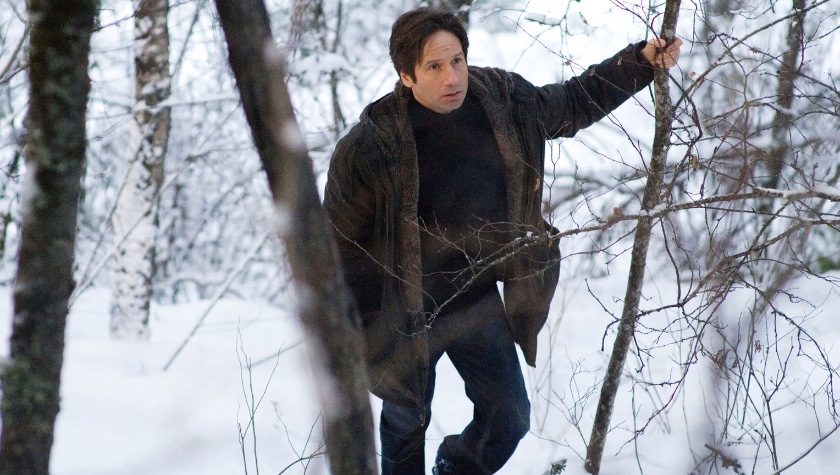
That approach was used in The X-Files: I Want to Believe, only the supernatural was a little more toned down, mostly to a disgraced priest who claims to have visions. The movie is more contained, with the story revolving around a missing FBI agent and a series of disturbing medical experiments, which don't make much sense until later in the movie — the fact that Carter added "Vrach Frankenshteyn" gives a big clue, though.
That mystery embedded in the series is what makes the movie's horror elements work, and Carter uses it to push the story further into unsettling or uncomfortable territory. The terror feels more real than the supernatural angle of most of the series because the unexplained is something the viewer can visualize as being true.
Why an R-Rated 'The X-Files' Makes Sense
The X-Files was never shy about making its audience feel uncomfortable at times. They used aliens, mutations, diseases, experiments, and more to make audiences squirm, but it was all in the context of 1990s network TV.
The R rating isn't valuable simply because it lets Carter show more violence and body-horror elements. It's valuable because it allows the movie to make the audience uneasy without consistently pulling back for a PG-13 rating.
Ratings limit how far content can go, and the studio wanted to reach as broad an audience as possible and bring in new, younger audiences. But things have changed in the last 18 years. Streaming has given filmmakers more freedom to show the cut they want to. An R rating tells fans of the show that they can expect something a little darker and possibly more disturbing.
What Happened to Two of Our Favorite Characters?
The X-Files: I Want to Believe gave viewers of the TV series a chance to catch up with their two favorite FBI agents: Mulder and Scully. It's why many people gravitate to sequels like Happy Gilmore 2, Coming 2 America, and why The X-Files came back for a couple more seasons in 2016; they want to see what the characters they love are up to now.
Mulder and Scully had changed a lot from the start of the series in 1993 to the film's initial release in 2008. They had spent years dealing with conspiracies, unexplained phenomena, and the cost of pursuing the truth. By 2008, one had moved on, pursuing a career as a doctor, while the other was hiding out and continuing to dig into conspiracies. These separate paths also have strained their relationship.
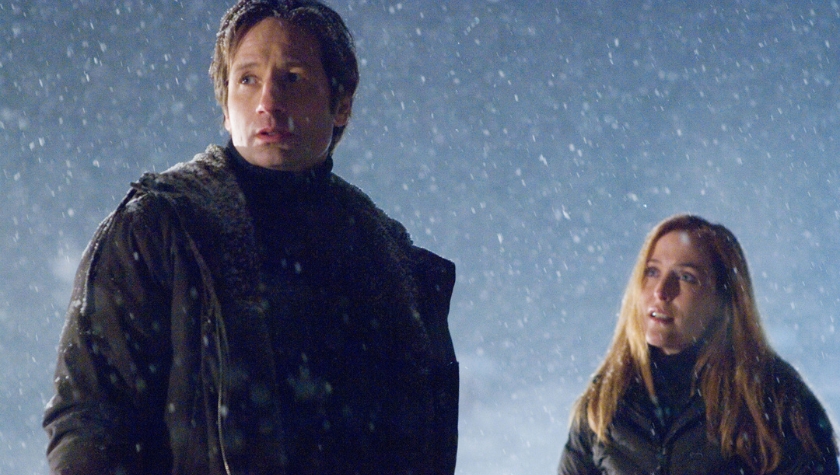
From a character perspective, the movie examines what happens when the stress of spending your life searching for supernatural truth takes its toll, especially when you don't get the answers you seek. Mulder and Scully's lives differ in how they've dealt with it. "I want to believe," isn't just a phrase associated with Mulder's mantra; it represents his inability to move on from a life spent believing in things that should be impossible.
This reaffirms who the characters are, and always have been, even as they've evolved from who they were originally. It's a great screenwriting lesson because it helps viewers recognize their favorite characters, without losing sight of what made them intriguing in the first place.
The X-Files: I Want to Believe – Vrach Frankenshteyn is streaming on Hulu and Disney+.